The best niacinamide serum for hyperpigmentation: a calm, clinical approach


Answering the search question: pick a fragrance‐free niacinamide serum in the mid‐strength range (about 5–10%), ideally formulated alongside tranexamic acid or azelaic acid for pigment control; introduce it slowly, watch for stinging at higher concentrations, and pair daily use with broad‐spectrum SPF. This guide explains exactly what to look for, what to avoid, and how to decide based on texture, tolerability, and layering needs.
What niacinamide concentration works best for pigment
Niacinamide reduces pigment formation indirectly by modulating melanosome transfer, and the sweet spot for pigment work is typically in the 5–10% band. Lower concentrations (2–4%) give steady barrier support and hydration, which helps with overall tone, while 5–10% is the range editors and formulators favor when targeting dark spots without stepping into high‐risk irritation territory. The brief suggests mid‐strength serums combined with tranexamic or vitamin C for pigmentation; that combination can offer complementary mechanisms without depending solely on niacinamide’s modest brightening effect.
If you have sensitive skin, err toward 5% and an ultra‐soothing vehicle with glycerin, thermal water, or squalane. If your skin tolerates more and your goal is more aggressive pigment control, 8–10% in a buffered, fragrance‐free base can make sense, but patch test first. Remember that niacinamide works gradually over weeks and should be judged over 8–12 weeks for visible change rather than overnight.
Which complementary actives to look for
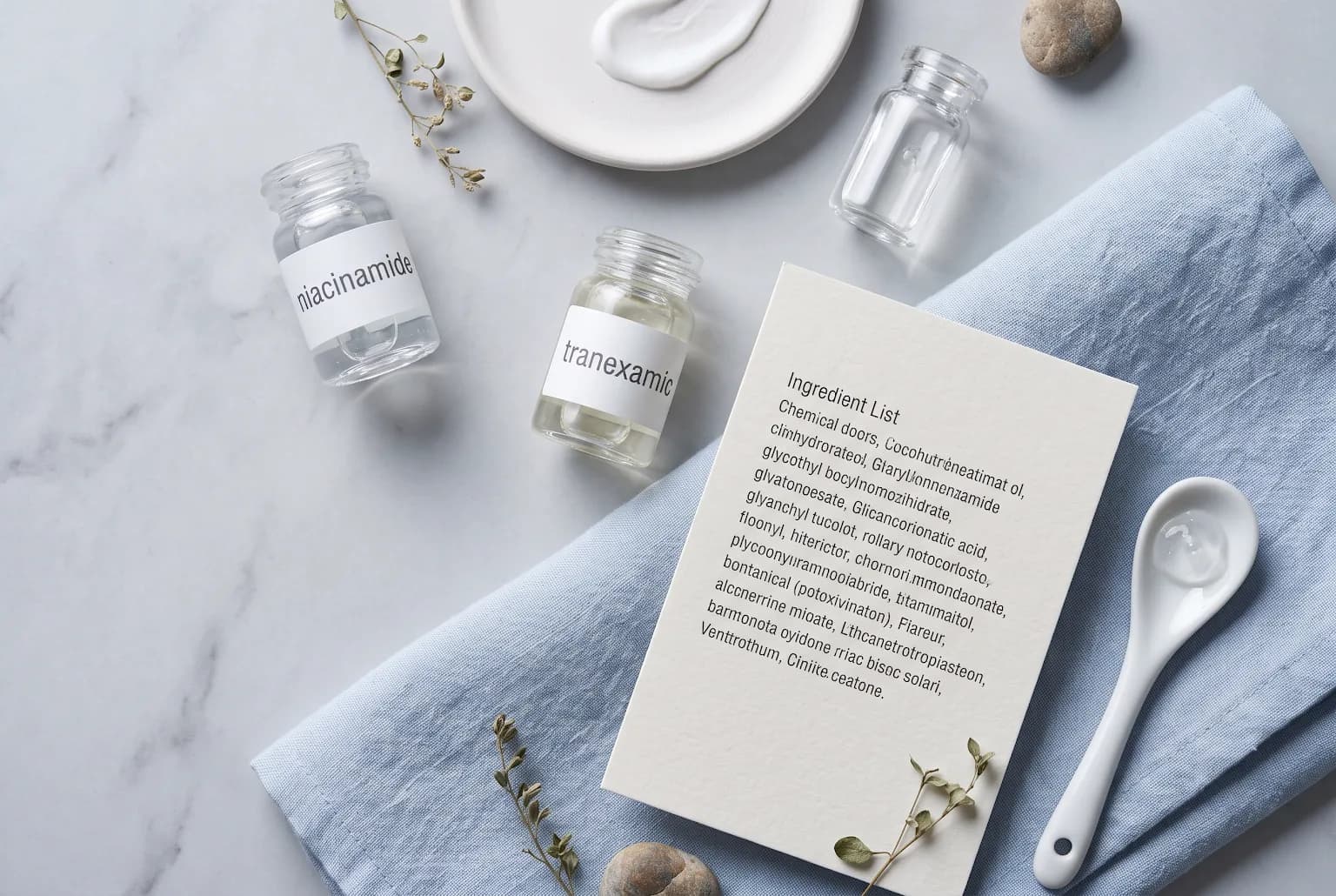
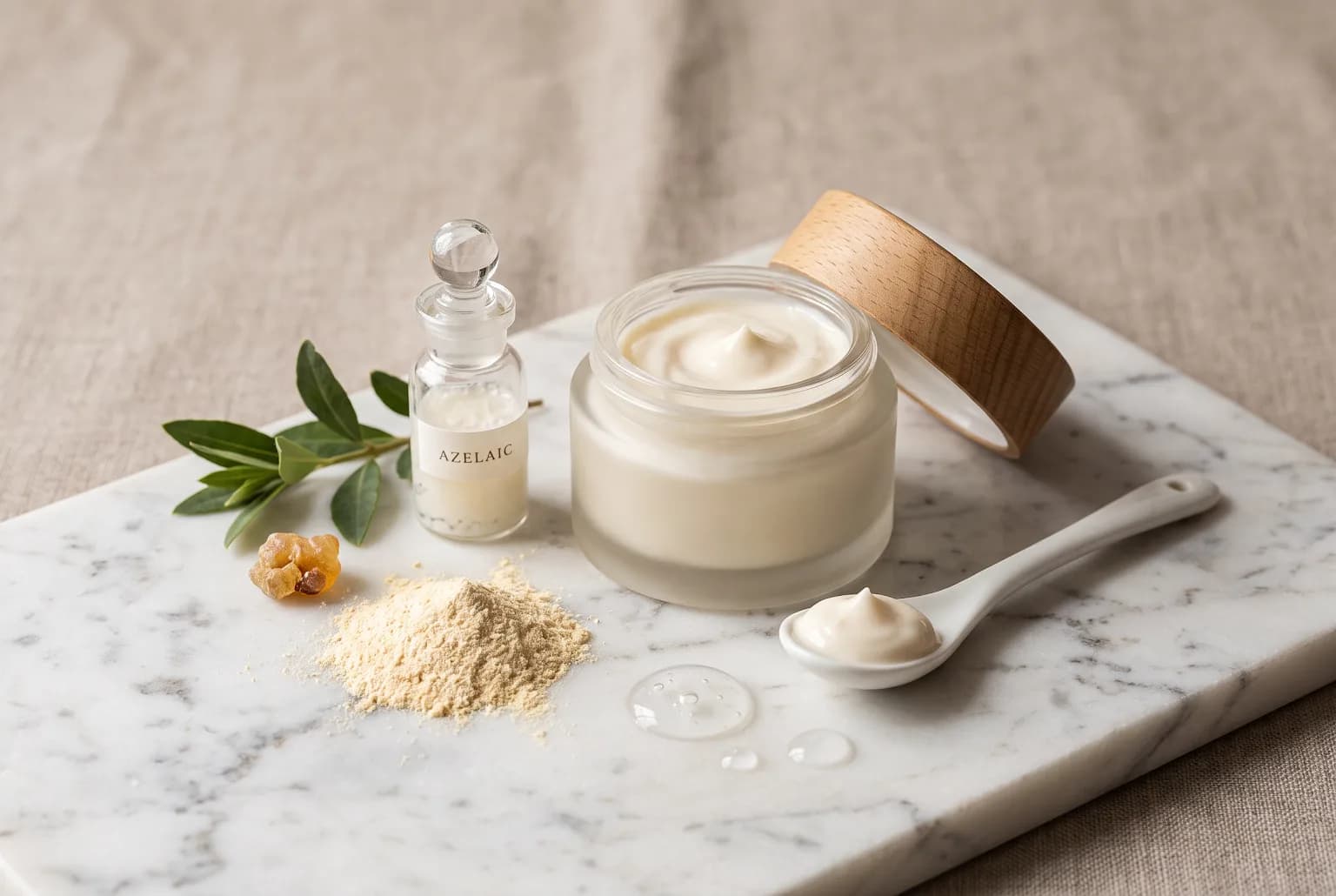
Niacinamide pairs well with several pigment‐targeting partners; two standouts are tranexamic acid and azelaic acid. Tranexamic acid addresses stubborn discoloration by interrupting plasminogen‐mediated pathways and is frequently combined with niacinamide to provide a dual mechanism for pigment reduction. Azelaic acid offers both anti‐inflammatory benefits and direct tyrosinase inhibition, making it attractive for darker marks with an inflammatory origin.
Avoid simultaneous high‐percent pure vitamin C (ascorbic acid) unless the formula is buffered and your skin is already tolerant; the brief cautions against pairing high‐% vitamin C at first application to reduce sting. Formulators often solubilize vitamin C in its own stable derivative or place it in a separate step for this reason. When brands combine niacinamide with tranexamic or azelaic acid, they typically reduce the need for harsher actives and make the serum suitable for longer daily use.
Vehicles and textures that suit sensitive or oily skin
The base formulation—water‐gel, lightweight serum, or emollient gel‐cream—matters more than the ingredient percentage for tolerability. Sensitive skin benefits from low‐irritant vehicles: glycerin, thermal water, squalane, and ceramide‐adjacent lipids that reinforce the barrier. These carriers dilute active strength on the skin surface and buffer potential sting. For oily or acne‐prone skin, thin, fast‐absorbing gels or watery serums minimize shine and layering issues; look for non‐comedogenic labeling and a lightweight humectant backbone.
Tradeoffs are real: oilier textures may feel less hydrating in winter, while richer vehicles can slow penetration and feel heavy on oily skin. If you want both hydration and a clean finish, target a glycerin‐forward gel serum with a small percentage of an emollient like squalane.
How to layer niacinamide with other actives safely
Layering is a practical skill: prioritize gentler actives in the same step and stronger ones in a stepwise fashion. A simple, low‐irritation daytime stack looks like: cleanser → niacinamide serum (5–10%) → moisturizer → broad‐spectrum sunscreen. For evening: cleanser → niacinamide (if tolerated) → targeted retinoid or tretinoin on alternate nights, or tranexamic/azelaic acid on the nights you skip retinoids. Avoid applying a high‐percent ascorbic acid serum directly on top of niacinamide on first tries; give your skin time to tolerate each active.
A practical three‐step introduction list:
- Week 1–2: Niacinamide 2–3 times per week at night.
- Week 3–4: Increase to every other night, add moisturizer after serum.
- Week 5 onward: Daily morning application under SPF; introduce tranexamic or azelaic acid on alternate nights if using.
Practical tolerance checks and patch testing plan
Patch testing is non‐negotiable for concentrations ≥10% or when adding a complementary acid. Use a 48‐hour patch test on the inner forearm or behind the ear with the product applied to a small area; check for redness, burning, or delayed stinging over two days. If you notice persistent irritation, stop and reintroduce at a lower frequency or lower concentration. For facial introduction, follow the ramp schedule above and keep a simple diary of reactions.
Watch specifically for combined sensitivity when adding tranexamic or azelaic acid; both have low irritation potential when paired correctly but still demand caution. If you experience stinging at first, reduce frequency rather than abandon the active—many reactions subside as the barrier strengthens. Always pair with daily SPF to prevent recurrence or darkening of treated pigment.
Buying decision matrix: sample picks for common needs
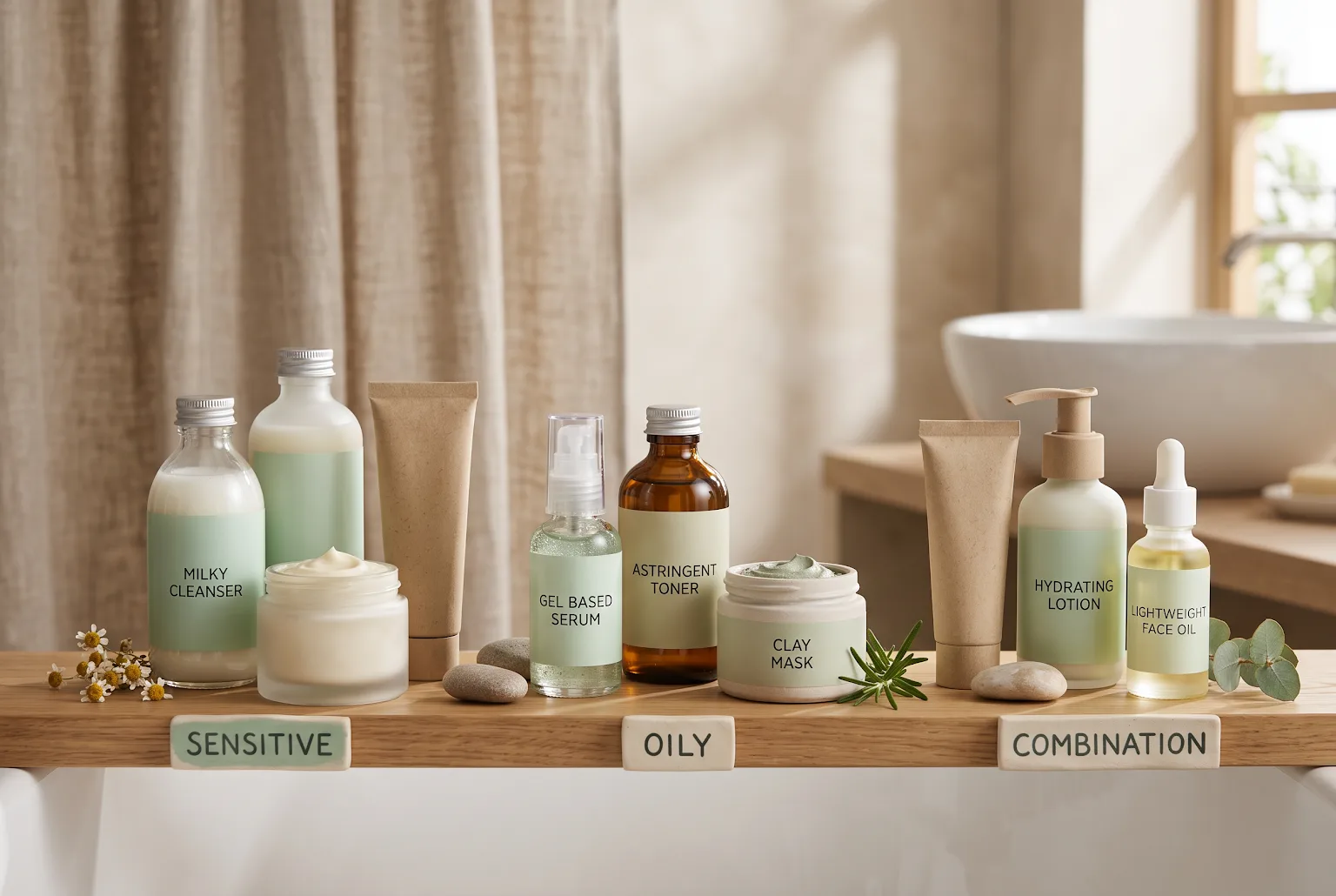
A clear decision framework helps: prioritize niacinamide percentage, complementary actives, vehicle, and fragrance‐free status. Below is a compact matrix to compare product choices quickly. When reviewing labels, confirm the niacinamide percentage (aim 5–10%), look for tranexamic or azelaic acid if targeting pigment, and avoid fragrance or high‐alcohol toners that can aggravate inflammation.
| Skin goal | Niacinamide % | Complementary actives | Vehicle/texture | Who this suits |
|---|---|---|---|---|
| Sensitive, reactive pigment | 3–5% | Low % tranexamic, ceramides | Glycerin‐rich gel/serum | Reactive skin needing barrier support |
| Oily, post‐acne marks | 5–10% | Azelaic acid or lightweight tranexamic | Water‐gel, fast‐absorbing | Acne‐prone skin with dark spots |
| Persistent, deep pigment | 8–10% | Tranexamic + layered SPF | Lightweight serum with humectants | Tolerant skin seeking stronger pigment action |
Consider value: a 5% niacinamide serum in a clean, stable vehicle is often the best first buy, and a formula that pairs niacinamide with tranexamic acid can reduce the need for harsher actives. For more context on choosing a brightening product category, see our primer on dark spots serum and the clinical approach in the best serum for dark spots.
Routine templates and realistic timelines for pigment reduction
Expect niacinamide‐based improvement over 8–12 weeks for mild dark marks; deeper post‐inflammatory hyperpigmentation often needs months of consistent treatment plus strict sun protection. Morning routine template: gentle cleanser → niacinamide serum (5–10%) → moisturiser → broad‐spectrum SPF. Evening template for gradual pigment treatment: cleanser → alternate nights of niacinamide + tranexamic or niacinamide + retinoid (not both the same night) → moisturizer. Keep track of which nights you use stronger actives to avoid stacking irritants.
Realistic decision examples: if you have oily, post‐acne marks, choose a 5–10% niacinamide water‐gel with azelaic acid and use it daily AM + SPF; if you have sensitive melasma‐type pigment, pick 3–5% niacinamide with tranexamic in a soothing base and build tolerance before increasing frequency. For a straightforward comparison to serums formulated for sensitive skin or oily skin, read our guides on serum for sensitive skin and best serum for oily skin.
Frequently asked questions
Can I use niacinamide and vitamin C together?
Yes — niacinamide can be used with vitamin C, but proceed cautiously. The research brief suggests avoiding simultaneous application of high‐percentage ascorbic acid with niacinamide until your skin is tolerant: either use them at different times of day or choose stabilized vitamin C derivatives and introduce them gradually to minimize irritation.
How long until I see results on dark spots?
Niacinamide works gradually; expect to evaluate meaningful change over 8–12 weeks for mild marks. Deeper or post‐inflammatory pigmentation can take several months and benefits from consistent use, complementary actives like tranexamic or azelaic acid, and daily broad‐spectrum SPF to prevent recurrence.
Is a 10% niacinamide serum too strong for sensitive skin?
A 10% concentration can sting for sensitive skin, especially without a soothing vehicle. The brief recommends mid‐strength (5–10%) but advises patch testing higher concentrations and favoring low‐irritant bases for sensitive skin. Start lower and ramp up frequency rather than jumping to high percentages.
Do I still need sunscreen if I use niacinamide for dark spots?
Absolutely. Daily broad‐spectrum SPF is essential; topical actives reduce pigment formation but cannot prevent UV‐induced darkening on their own. Pairing niacinamide with diligent sun protection prevents new spots and helps preserve treatment gains.
Related Reading
- The best serum for dark spots: a clinical-first guide
- Dark spots serum: choose the right brightening formula
- The smart buyer’s guide to creams for dark spots on the face
Sources
- Allure — best niacinamide serums and editorial notes on combos for pigmentation
- American Academy of Dermatology (AAD)
- Health.com — product‐testing editorials (2026) on pigment‐correcting serums
Clear guidance, checked before publication.
Solvi articles are structured by our editorial team and reviewed for clarity, consistency, and responsible health language. We update pages when guidance or product information changes.

Maya Bennett
Senior Beauty Editor. Maya is the skincare obsessive who turns big beauty questions into clear, grounded guidance. She is especially interested in routines that respect real skin, real schedules, and realistic budgets.