Tretinoin Cream Before and After Dark Spots: The Realistic 6-Month Guide



Tretinoin cream can gradually fade some dark spots—especially post-inflammatory hyperpigmentation left by acne—by speeding epidermal turnover and helping clear pigment-containing melanosomes. The useful “after” is usually a quieter, more even-looking tone at 8 to 24 weeks, not an overnight eraser; consistent broad-spectrum SPF 30+ is what protects those gains.
For melasma or long-standing, widespread discoloration, tretinoin can be one piece of a clinician-guided plan rather than the entire plan. A temporary stretch of dryness, flaking, or redness can make marks look more noticeable early on, so the smartest buying decision is often the formula and frequency your skin can tolerate consistently.
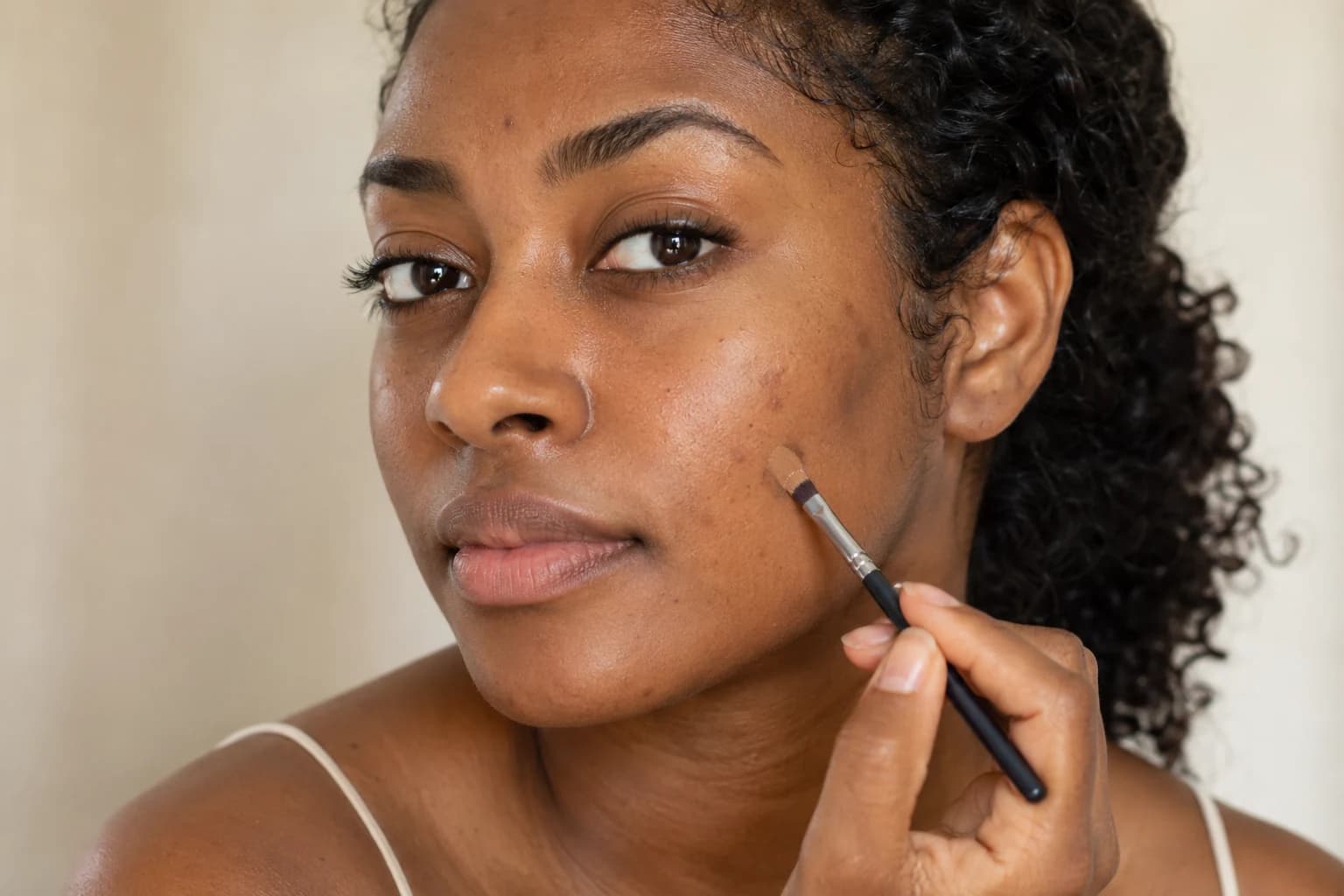
The dark-spot before-and-after read
A convincing tretinoin before-and-after sequence is about trend, not a single flattering photo. Early on, skin may look less smooth because surface dryness catches light, while irritation can lend a reddish or deeper cast that visually competes with pigment. That is not the result you are aiming for—and it is a reason to slow down rather than push through escalating discomfort.
In clinical use, tretinoin concentrations commonly range from 0.025% to 0.1%. Lower strengths and less frequent application can offer a more manageable entry point; a stronger percentage is not automatically a faster path if it causes enough irritation to interrupt use. Prescription access also means a dermatologist can help distinguish acne-related marks from melasma and tailor adjuncts.
| Check-in point | What may be realistic | What to adjust if skin is unsettled |
|---|---|---|
| Weeks 1–4 | Dryness, light peeling, and a learning curve with application | Reduce nights; prioritize moisturizer and daily sunscreen |
| Weeks 8–12 | Early softening of uneven tone for some people | Keep the routine steady; do not add several new actives at once |
| Weeks 16–24 | More meaningful assessment of spot fading and overall tone | Discuss persistent pigment or irritation with a dermatologist |
| Months 3–6 | The clearest view of whether the plan is worth continuing | Review strength, adherence, and clinician-guided adjuncts |
How to take comparison photos that are actually useful
Use photos as a private progress tool, not as proof that every mark should vanish. The goal is repeatability: same light, same angle, same distance, and an expression that does not pull the skin differently.
- Photograph bare, clean skin before starting, then at roughly 8, 12, and 24 weeks.
- Stand in the same indirect daylight, away from direct sun and bathroom overhead lighting.
- Take front, left, and right views at the same time of day; keep hair and camera distance consistent.
- Skip filters, portrait-mode smoothing, flash, and freshly applied makeup or sunscreen with tint.
- Note changes in your routine, sun exposure, irritation, and breakouts beside each image.
A photo can capture light reflection as much as pigment. Pair it with a short log: are the spots less sharply defined, are fewer new marks appearing, and can you use the regimen without persistent burning or peeling?
Choose your tretinoin cream and supporting players
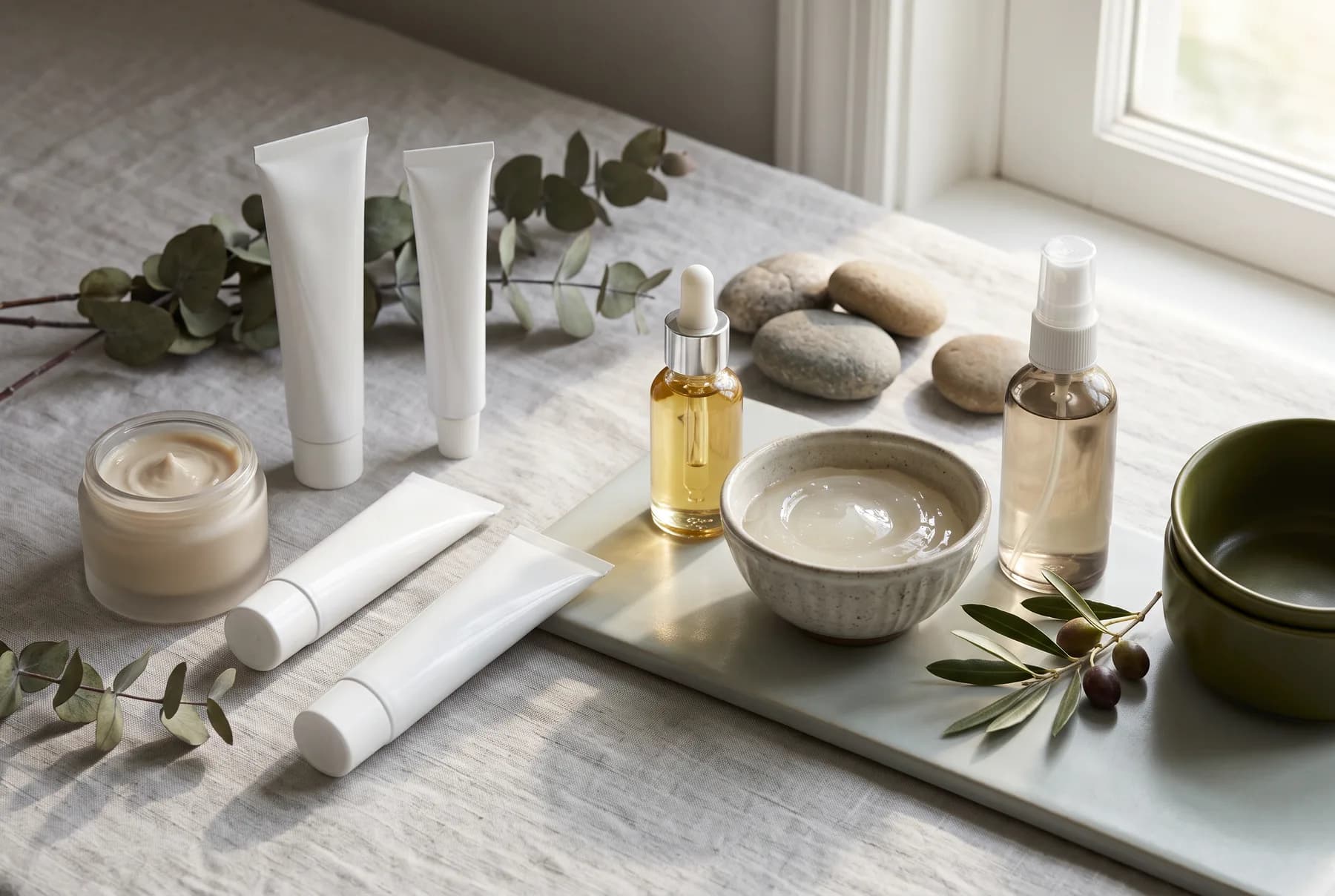
The commercial question is less “Which miracle dark-spot product?” and more “Which prescription format fits my skin and routine?” Tretinoin is available by prescription in vehicles such as cream, gel, and lotion. Vehicle matters because it changes feel, layering behavior, and how likely you are to use it on schedule.
| Format to discuss with a prescriber | Texture and layering | May suit | Tradeoff to weigh |
|---|---|---|---|
| Cream | Cushioning, opaque emollient layer; sits comfortably over moisturizer | Dry or easily tight-feeling skin | Can feel richer on skin that prefers a lighter finish |
| Gel | Lightweight, quick-drying, often less emollient | People who dislike cream texture or prefer a minimal finish | Can feel more drying or sting on a compromised barrier |
| Lotion | Fluid, spreadable, generally easy to distribute | Those wanting a lighter texture with more slip than a gel | Availability and exact formulation vary by prescription |
Ask about starting at 0.025% or another appropriate strength if you are new to retinoids or prone to sensitivity. If your prescription is 0.05%, the practical lever is frequency: twice weekly can be a far better beginning than nightly use that leaves your face raw. Apply only a pea-size amount to fully dry skin, spreading a thin film rather than dotting extra product directly onto individual spots.
The adjunct menu: choose one lane at a time
Tretinoin addresses turnover, but pigment care is often more effective when sun protection and a compatible brightening strategy are considered alongside it. The research brief supports hydroquinone, azelaic acid, and topical vitamin C as common adjunct categories; each has different texture, timing, and oversight needs.
- Hydroquinone 4%: Often considered in a short, physician-supervised course alongside tretinoin. It is a targeted pigment option, but it is not a casual, indefinite add-on; follow the prescriber's duration and instructions.
- Azelaic acid 15%–20%: A useful conversation for those seeking a gentler adjunct, including people with darker skin tones who want to minimize irritation. Formats range from cream to gel, so feel can vary.
- L-ascorbic acid vitamin C, 10%–20%: Often positioned in the morning under sunscreen. A watery serum can suit a simple routine, though it may sting on already-irritated skin.
- Broad-spectrum SPF 30+ sunscreen: The non-negotiable partner. Choose a finish you will reapply when exposed—fluid, cream, mineral, chemical, or tinted—rather than treating it as an occasional last step.
Avoid stacking multiple high-intensity additions in the first month. If the routine already includes exfoliating acids, scrubs, or other potentially irritating treatments, ask a dermatologist or pharmacist how to simplify it while tretinoin is introduced.
A low-irritation routine for pigment
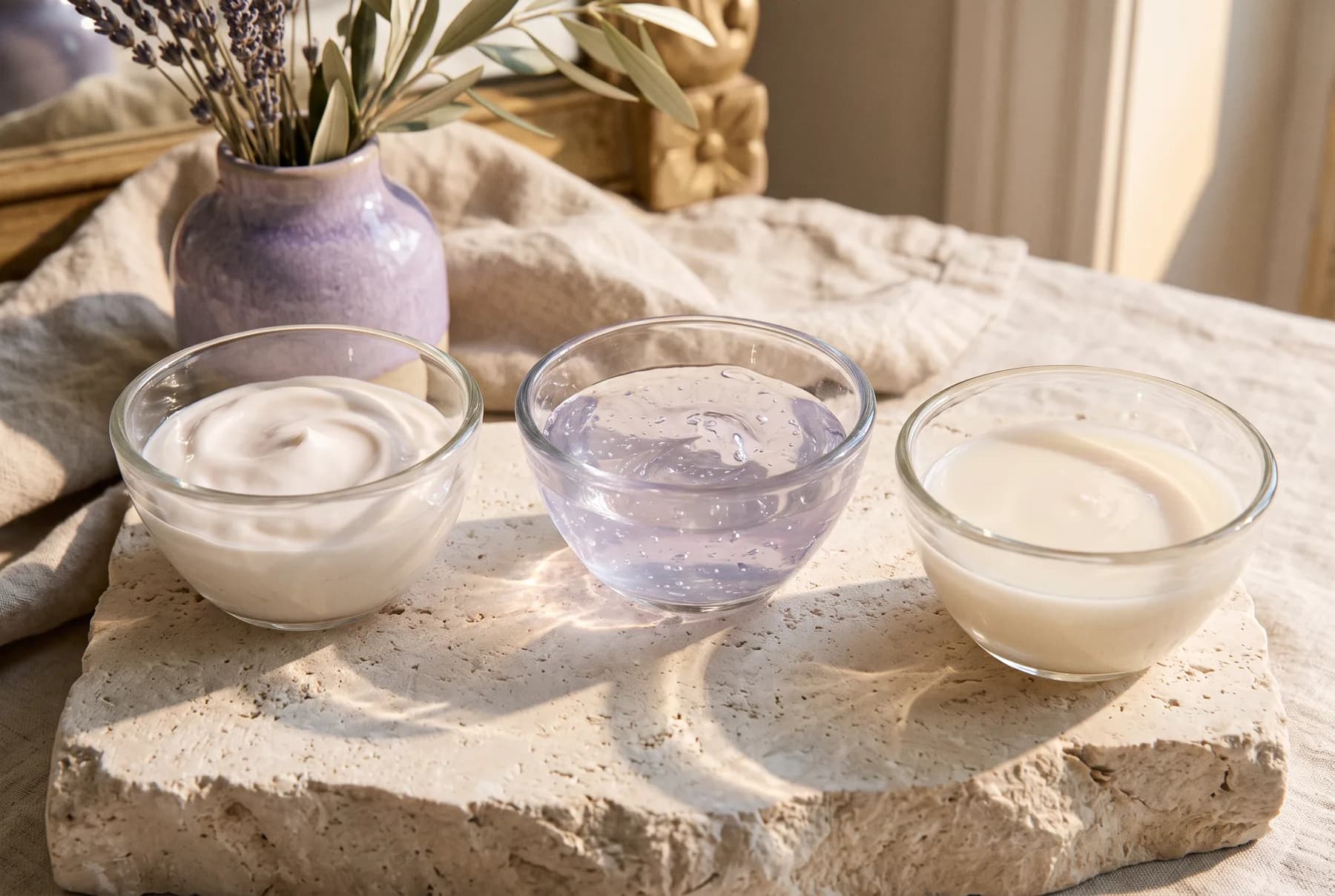
The best routine for dark spots is deliberately unexciting: cleanse gently, use a small amount of tretinoin on selected nights, moisturize, and protect skin from ultraviolet exposure every morning. Let one brightening adjunct earn its place before introducing another. This makes it easier to tell whether a change is helping—or causing the irritation that can complicate pigmentation.
Morning
- Cleanse gently, or rinse with water if a morning cleanser leaves skin feeling stripped.
- Apply one optional brightening step, such as vitamin C, only if skin is comfortable with it.
- Follow with moisturizer as needed for comfort.
- Finish with broad-spectrum SPF 30+ across the face, ears, neck, and other exposed skin; reapply according to the product directions and your exposure.
Evening: starter schedule
- On two nonconsecutive nights in week one, cleanse and wait until skin is completely dry.
- Apply a pea-size amount of tretinoin in a thin layer, avoiding eyes, corners of the nose, and lips unless your prescriber directs otherwise.
- Follow with moisturizer; if your clinician approves, moisturizer can also be used before tretinoin as a buffering strategy for sensitivity.
- Use cleanser and moisturizer only on the remaining nights until your skin is settling.
- Increase only as tolerated and as directed by your prescriber—do not escalate just because the calendar says to.
What to keep out of the first-month experiment
- Abrasive facial scrubs and at-home peeling habits that leave skin stinging.
- Multiple new leave-on exfoliants introduced at the same time as tretinoin.
- Casual sun exposure without daily SPF 30+; sunlight can undermine pigment progress and make discoloration appear more pronounced.
- A direct-to-spot heavy application of tretinoin, which raises irritation risk without turning it into a faster spot treatment.
When to pause and get guidance
Scale back and contact the prescribing clinician if irritation becomes significant or persistent, or if the routine is becoming difficult to tolerate. Ask for individualized guidance before use during pregnancy or breastfeeding; tretinoin is generally advised against in these circumstances. Hydroquinone also warrants physician oversight, particularly for prolonged use.
Questions to ask before you fill a prescription
Bring a clear goal to the appointment: fading post-acne marks, managing melasma, smoothing texture, or a combination. Those goals can influence the starting strength, vehicle, frequency, and whether a companion ingredient belongs in the plan.
- Is 0.025%, 0.05%, or another strength the appropriate starting point for my history of irritation?
- Would a cream, gel, or lotion vehicle best match my skin's dryness and my preferred finish?
- Do my spots look more like post-inflammatory hyperpigmentation, melasma, or another concern that needs a different approach?
- Should I use azelaic acid, vitamin C, or a short supervised hydroquinone course—and exactly when?
- Which current products should I pause while my skin adjusts?
- How long should I try this plan before we reassess results or tolerability?
This is also the place to mention your tendency to discolor after acne or irritation, particularly if you have a deeper skin tone. The point is not to self-classify perfectly; it is to make pigment risk and barrier comfort part of the treatment conversation from day one.
Related reading
- Treatment for Dark Spots on Face: Step-by-Step
- Retinol Sandwich Method: A Gentler Routine
- Best Sunscreen for Melasma: Why Tinted SPF Wins
Frequently asked questions
How long does tretinoin take to fade dark spots?
Visible change is often assessed over 8 to 24 weeks, with the most useful evaluation around three to six months of consistent use. Timelines vary with the cause and depth of pigment, irritation, and sun protection habits.
Can tretinoin make dark spots look worse before they look better?
Dryness and redness can temporarily make the complexion look more uneven, and sun exposure can worsen pigmentation. Reducing frequency, moisturizing, and using SPF 30+ daily can help limit this cycle; seek clinician guidance for ongoing irritation.
Is 0.05% tretinoin better than 0.025% for hyperpigmentation?
Not necessarily for every person. A lower strength used consistently may be more useful than a higher strength that triggers enough peeling or inflammation to make adherence difficult. Your prescriber can set the appropriate strength and schedule.
Can I use vitamin C with tretinoin?
A common approach is vitamin C in the morning and tretinoin at night, with sunscreen in the morning. Introduce one change at a time, since vitamin C can sting when skin is already irritated.
Can I use tretinoin while pregnant or breastfeeding?
Tretinoin is generally advised against during pregnancy and breastfeeding. Speak with your obstetric clinician and prescribing dermatologist about safer alternatives for your situation.
Sources
- American Academy of Dermatology: Retinoids overview and use
- PubMed Central: Evidence-based review of topical agents for scars and hyperpigmentation
- Clinical evaluation of hydroquinone and tretinoin for photodamage
Clear guidance, checked before publication.
Solvi articles are structured by our editorial team and reviewed for clarity, consistency, and responsible health language. We update pages when guidance or product information changes.

Maya Bennett
Senior Beauty Editor. Maya is the skincare obsessive who turns big beauty questions into clear, grounded guidance. She is especially interested in routines that respect real skin, real schedules, and realistic budgets.