Treatment for Dark Spots on Face: A Smart, Stepwise Plan That Starts With SPF


Dark spots on the face are best treated with a layered plan: consistent broad-spectrum SPF 30 to 50, a well-chosen topical brightener, and—when the spot type and your skin are suitable—clinician-led options such as peels, cryotherapy, or targeted lasers. Expect gradual change rather than an overnight erase: many plans take roughly 8 to 24 weeks, and maintenance matters because sun exposure can bring pigment back.
The best purchase is not necessarily the strongest-looking serum. It is the formula and format you can apply regularly without irritating your skin, paired with sun protection you will actually wear at the proper level every day. Start by identifying the pattern, then choose one active lane before escalating.
The first decision: what kind of dark spot?

“Dark spots” is a useful shopping term, but it covers several pigment patterns that do not all behave alike. Post-inflammatory hyperpigmentation (PIH) can follow acne, irritation, or an injury to the skin. Solar lentigines, often called sun spots or age spots, are more defined areas associated with cumulative sun exposure; melasma is another pigmentation condition that may need a different clinical strategy.
That distinction changes the risk-benefit calculation. A single sharply bordered spot and a field of marks left after breakouts may not call for the same treatment, while a procedure that looks efficient on paper can be a poor match if your skin is prone to PIH.
Use these criteria before adding a new dark-spot treatment or booking a procedure:
- Pattern and origin: Are marks following acne or irritation, appearing as distinct sun spots, or forming broader patches?
- Your history with irritation: Stinging, peeling, and inflammation can complicate a pigment-focused routine.
- Skin phototype and PIH risk: This is especially important when considering peels or laser treatments.
- Time and maintenance tolerance: Topicals are gradual; procedures may involve downtime and still need diligent upkeep.
- Prior response: Note what you used, for how long, and whether your marks improved, stayed unchanged, or became more noticeable.
A clinician can help distinguish PIH, solar lentigines, melasma, and other causes of discoloration before you invest further. This is particularly worthwhile before treating an isolated lesion with a laser or cryotherapy.
| Dark-spot pattern | Useful first discussion | At-home focus | In-office conversation |
|---|---|---|---|
| Marks after acne or irritation (PIH) | Is the trigger still active? | Daily sunscreen plus a tolerable brightening active | Superficial peel options, with PIH risk assessed |
| Defined sun spots (solar lentigines) | Is the spot clinically appropriate to treat? | Sun protection and topical maintenance | Cryotherapy or targeted laser options may be considered |
| Broad or recurring patches | Could this be melasma or another pigment pattern? | Consistent UV protection and gentle, sustained routine | A clinician-directed plan rather than a spot-only approach |
Build a dark-spot routine that earns its place
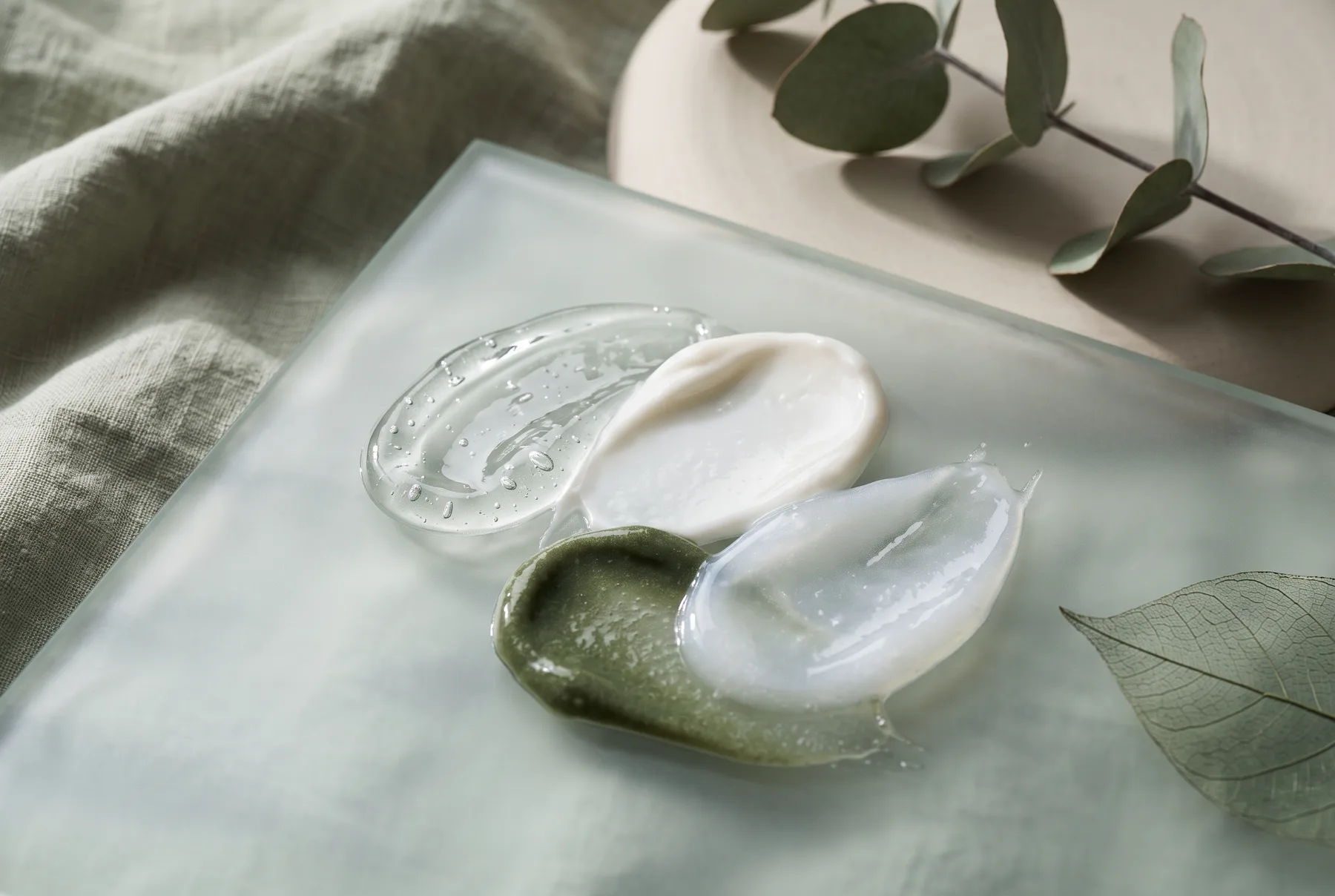
A good at-home routine has two jobs: prevent pigment from getting darker and gradually support a more even-looking tone. It does not need six actives. In fact, piling on acids, retinoids, and multiple pigment serums at once can make it harder to identify what your skin tolerates—and irritation can be counterproductive for PIH.
Sunscreen is the non-negotiable base. A broad-spectrum SPF 30 to 50 is the daily standard in this plan; a tinted mineral SPF 50 can be especially appealing for someone who wants coverage and sun protection in one final morning step. Choose a texture by behavior, not aspiration: a fluid suits those who dislike weight, a cream can feel more cushioning on dry skin, and a tint can make reapplication feel more polished.
Morning
- Cleanse gently, or rinse if that is what your skin prefers.
- Apply one antioxidant or pigment-supporting serum if you use one.
- Follow with moisturizer as needed for comfort.
- Finish with broad-spectrum SPF 30 to 50; use a hat and seek shade when practical, especially during prolonged sun exposure.
Evening
- Cleanse away sunscreen and makeup without aggressive scrubbing.
- Apply one targeted treatment, starting with the option best aligned with your spot pattern and tolerance.
- Use moisturizer to support comfort and consistency.
- Introduce retinoids or clinician-directed prescriptions slowly rather than launching multiple potent steps on the same night.
Choose your active by format, not hype
- Azelaic acid: Often found in creams, gels, or lightweight emulsions. A creamier format may suit a dry-leaning routine, while a gel texture can feel more comfortable for someone who prefers a less emollient finish. The 15% to 20% range is a useful point to discuss for PIH.
- Tranexamic acid serum: Usually a thin, water-like or silky serum that layers easily beneath moisturizer. It can make sense for the person who wants a focused pigment step without turning their entire routine into a treatment stack.
- Kojic acid: Often included in brightening blends. Review the full formula, including other actives, rather than treating the front-label ingredient as the whole decision.
- Retinoids: Commonly used as a nighttime step. Their value in a dark-spot routine depends on steady use and careful attention to tolerance; avoid making a retinoid night the same as an experimental exfoliation night.
- Hydroquinone: Available in 2% to 4% options and commonly paired with tretinoin under clinician guidance. It can be an effective conversation to have when pigment has been persistent, but it requires monitoring and prolonged unsupervised use is discouraged.
Think of formula value as “cost per consistent use,” not cost per ounce. An elegant, reliable sunscreen and one topical you reach for nightly may offer more practical value than a crowded shelf of half-used treatments.
A low-drama way to introduce a new formula
- Add one new pigment-focused active at a time.
- Keep your cleanser and moisturizer simple while assessing tolerance.
- Give the routine a meaningful runway—often weeks, not days—before deciding it has failed.
- Pull back and seek professional guidance if your skin becomes significantly irritated or your discoloration seems to worsen.
How to choose an in-office treatment

Procedures can be useful when a topical routine is not enough, when solar lentigines are a clear target, or when you want a clinician to build a more intensive plan. They are not interchangeable “dark spot removal” services. The right choice depends on diagnosis, skin phototype, history of PIH, downtime tolerance, cost, and whether you are willing to maintain results with sun habits and topical care.
Chemical peels, including glycolic or mandelic peel series, may be discussed for pigmentation concerns. Cryotherapy can be an option for lentigines. Targeted laser approaches, including picosecond and Q-switched lasers, may also be considered when appropriate—but the phrase “laser treatment for dark spots” should be the beginning of a consultation, not the conclusion.
| Option | What it may suit | Tradeoff to weigh | What to ask at consultation |
|---|---|---|---|
| Chemical peel series | A clinician-directed approach for certain pigment concerns | Potential irritation, downtime, and PIH risk | Which peel type and strength fit my skin and pigment history? |
| Cryotherapy | Select solar lentigines | Not a universal answer for every dark mark | Is this lesion appropriate for cryotherapy? |
| Picosecond or Q-switched laser | Targeted treatment when clinically appropriate | Cost, downtime, and risk of pigment change | What is my PIH risk, and what maintenance will I need? |
| Prescription topical plan | Persistent pigmentation needing closer oversight | Requires adherence and monitoring | Is hydroquinone, tretinoin, or a combination appropriate for me? |
The consultation questions worth bringing
- What type of pigmentation am I treating, and what points you to that assessment?
- Given my skin phototype and history, what is my risk of post-inflammatory hyperpigmentation?
- What degree of redness, peeling, or downtime is expected—and what would be a reason to call the office?
- What topical routine and sun protection should I use before and after treatment?
- How many sessions or how much time should I realistically plan for, and how will we judge progress?
A provider who discusses prevention alongside the procedure is offering the more complete plan. There is little value in pursuing a quick-looking intervention if the factors that darken pigment—especially unprotected sun exposure and ongoing irritation—are left unaddressed.
Maintenance is the treatment
Once spots begin to fade, the temptation is to retire the routine that got you there. For facial hyperpigmentation, maintenance is usually the difference between a temporary improvement and a more durable result. The goal is not perpetual escalation; it is a stable baseline of protection and a topical plan that does not provoke irritation.
Your relapse-prevention edit
- Wear broad-spectrum SPF 30 to 50 every day, then add hats and shade during significant sun exposure.
- Keep the routine calm if acne, friction, or product irritation is triggering new PIH.
- Continue the maintenance topical recommended for your skin rather than repeatedly cycling through aggressive products.
- Revisit your plan with a clinician if spots stop responding, recur quickly, or seem different from your usual pattern.
Dark-spot care rewards patience and precision. A few well-matched layers—sun protection, a tolerable targeted topical, and professional input when needed—are generally more useful than a maximalist rotation of exfoliants and spot correctors.
Related reading
- Best Treatment for Facial Hyperpigmentation
- The Ordinary Serum for Dark Spots: Formula Guide
- Best Sunscreen for Melasma: Why Tinted SPF Wins
Frequently asked questions
What is the best treatment for dark spots on the face?
The best starting point is daily broad-spectrum SPF 30 to 50 plus one targeted topical that suits your tolerance, such as azelaic acid or a tranexamic-acid serum for PIH. The “best” procedure depends on whether the mark is PIH, a solar lentigo, melasma, or another condition.
How long does it take for dark spots to fade?
Many treatment plans show improvement over approximately 8 to 24 weeks. The timeline varies by spot type, treatment consistency, sun exposure, and whether irritation is creating additional pigmentation.
Can laser treatment remove face dark spots?
Targeted picosecond or Q-switched lasers may be considered for appropriate lesions, and cryotherapy may be considered for lentigines. A qualified clinician should assess diagnosis and PIH risk first, because lasers can worsen pigment in some people.
Is hydroquinone safe for dark spots?
Hydroquinone is a topical option in 2% to 4% strengths that is often used with clinical guidance, sometimes alongside tretinoin. It requires monitoring, and prolonged unsupervised use is discouraged.
Sources
- American Academy of Dermatology: Hyperpigmentation and sun protection guidance
- Mayo Clinic: Skin discoloration overview and treatments
- PubMed: Clinical literature on topical agents and procedural options for hyperpigmentation
Clear guidance, checked before publication.
Solvi articles are structured by our editorial team and reviewed for clarity, consistency, and responsible health language. We update pages when guidance or product information changes.

Iris Kim
Advanced Skincare Writer. Iris happily gets lost in retinoids, peptides, face oils, and emerging actives. Her goal is to make advanced skincare feel considered and understandable instead of intimidating.