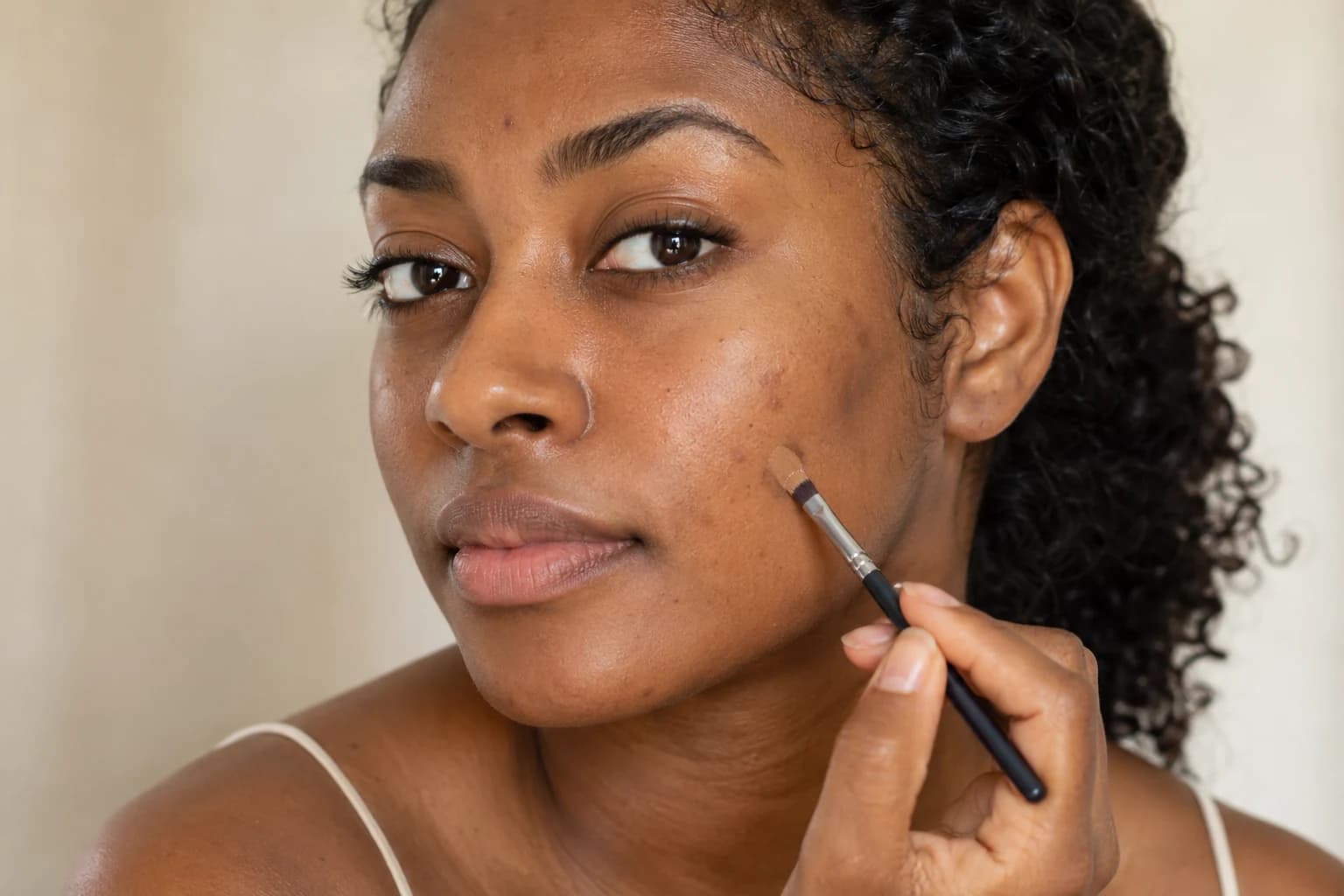
Best oil to remove dark spots on face: what oils can and cannot do

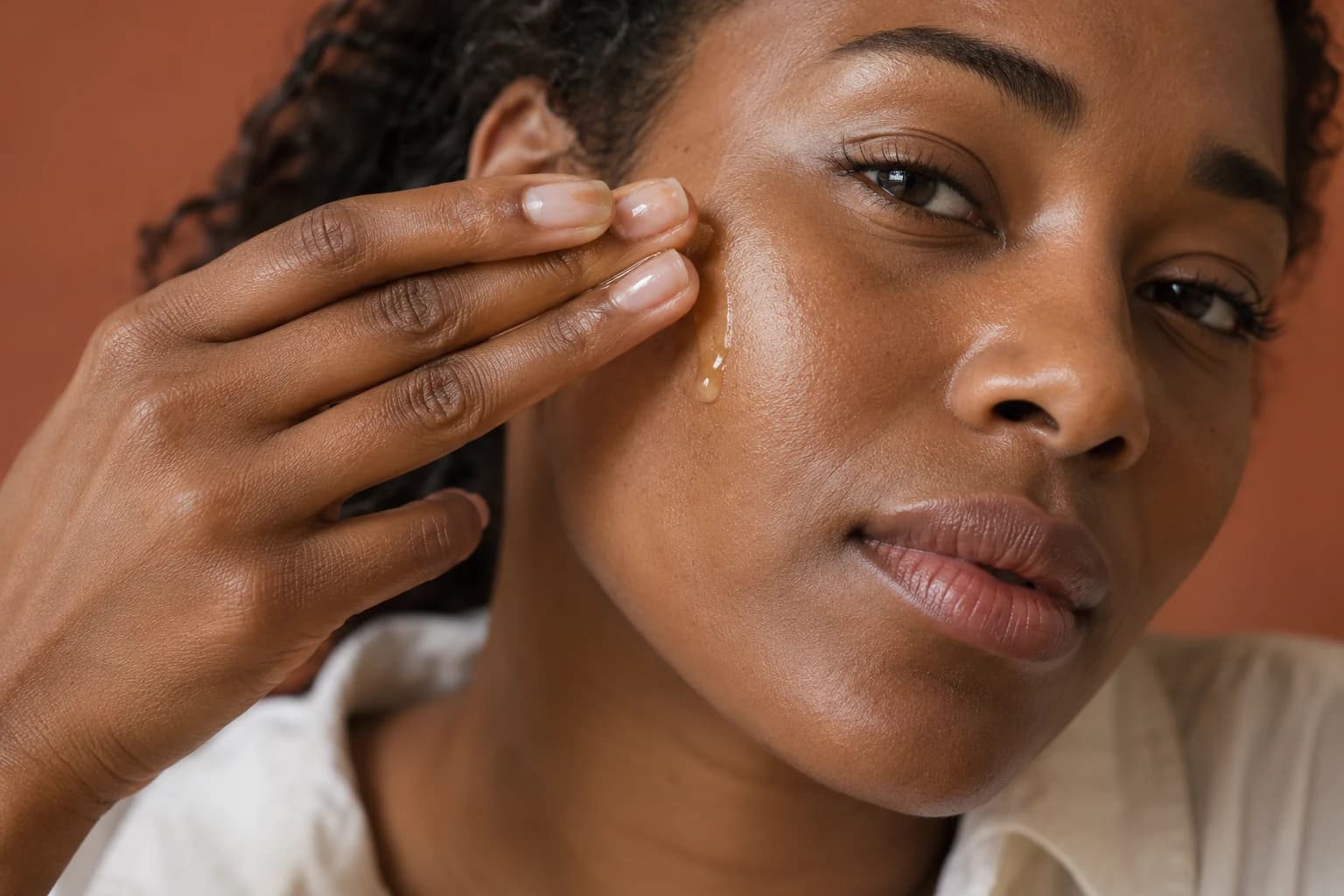
There is no well-supported reason to name rosehip, tamanu, or another facial oil the best way to remove dark spots. The evidence reviewed for this guide does not establish a reliable oil ranking or a predictable fading timeline. An oil may be useful for dryness or the feel of your routine, but that is a different goal from treating hyperpigmentation.
If dark spots are your main concern, identify the cause, use appropriate sun protection, and compare treatments with evidence for that problem. If your skin is also dry, choose a moisturizing product for comfort without expecting it to erase pigment.
Separate a softer surface from a fading mark
A facial oil can change shine and how the skin surface feels. That can make a complexion look different immediately, especially in photographs. It does not establish that the amount of pigment in a dark mark has changed.
This distinction explains why an enthusiastic oil review may be sincere without proving a fading effect. The reviewer may also have started sunscreen, stopped picking at acne, changed another product, or simply observed a mark that was already fading.
For a useful comparison, photograph a familiar mark before applying oil and again under similar conditions later. Avoid comparing a matte, differently lit “before” with a glossy “after.” Cosmetic finish and pigmentation should be judged separately.
What common oil claims actually tell you
| Oil or ingredient | Why shoppers consider it | What the evidence does not establish | Practical role |
|---|---|---|---|
| Rosehip oil | A familiar botanical facial oil with a softening feel | That ordinary rosehip oil acts like a retinoid treatment or reliably removes facial dark spots | An optional moisturizing addition if tolerated |
| Tamanu oil | Often promoted online for marks and scars | A dependable ranking above other oils or a predictable pigment response | Not a first choice solely on a fading claim |
| Tea tree essential oil | Often associated with acne products | That limited acne research demonstrates removal of established dark spots | Do not use it as a DIY pigment treatment |
| Squalane | An oil-like emollient used for dryness | That moisturizing benefit equals pigment correction | An option when the actual goal is skin comfort |
The table deliberately does not assign star ratings for fading. Without comparable studies on the finished products and the same type of pigmentation, that would create a level of certainty the evidence cannot support.
Do not treat rosehip oil as bottled retinol
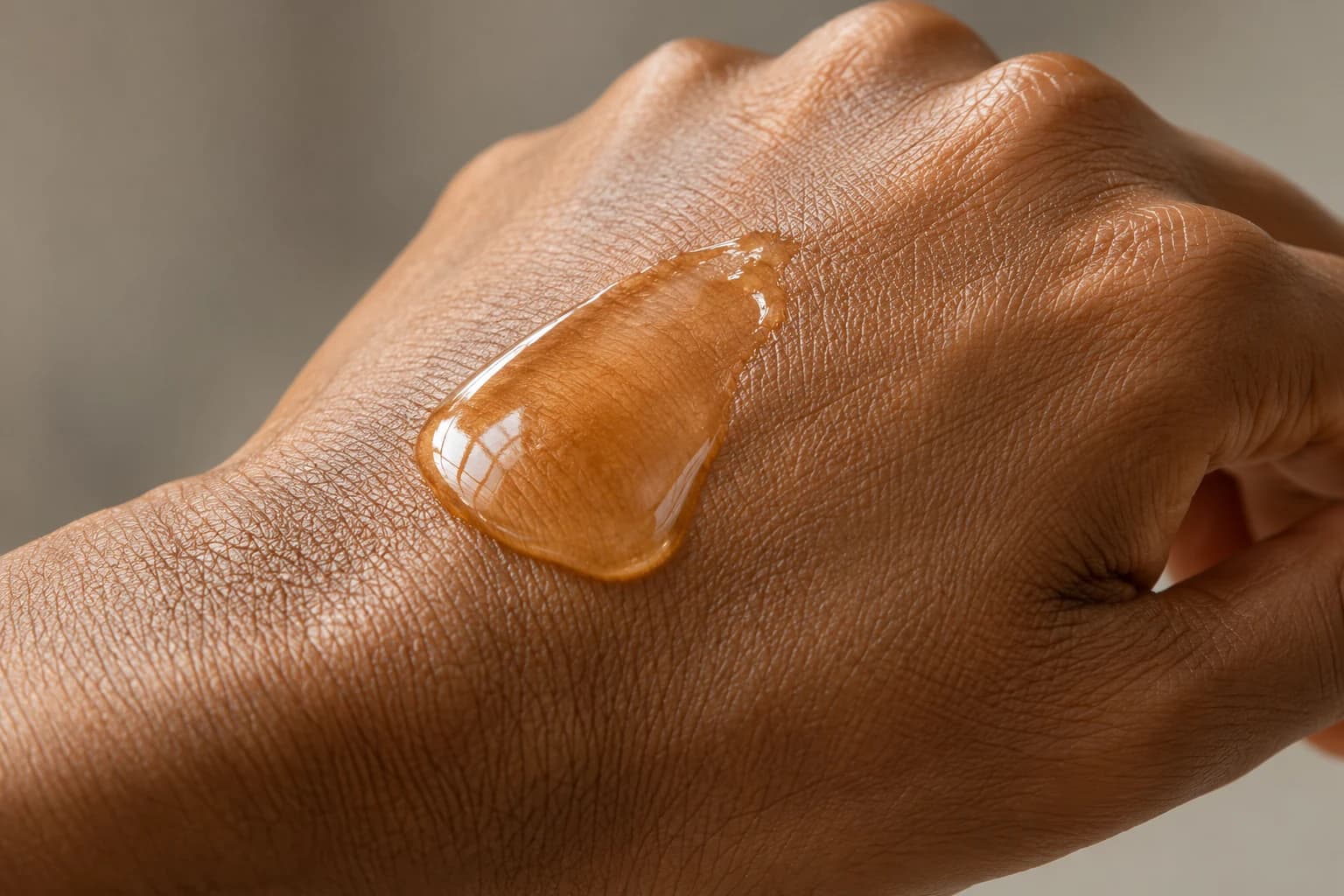
Rosehip oil and a formulated retinoid product are not interchangeable. A claim about botanical constituents does not tell you that the oil delivers a standardized retinoid dose, behaves like a tested treatment, or produces a comparable outcome.
Be particularly cautious with phrases such as “natural retinol without irritation.” They combine an efficacy promise and a tolerability promise that require evidence for the actual formula. A botanical origin does not establish either one.
If you are considering a retinoid specifically for pigmentation, compare that treatment on its own terms. Our tretinoin and dark-spot guide discusses a prescription route; it is not a reason to substitute an oil or start a prescription without clinical guidance.
Leave essential-oil recipes out of a pigment routine
Tea tree oil is not an evidence-based shortcut for established dark spots. The US National Center for Complementary and Integrative Health describes limited evidence for some topical uses such as acne and notes the possibility of skin irritation or an allergic rash. Those findings do not establish a dark-spot treatment.
Do not copy a drops-per-bottle recipe and assume the result is standardized. Drop size, ingredient concentration, and the finished mixture vary. More importantly, the recipe does not create evidence of pigment benefit.
The EU scientific assessment of tea tree oil also identifies sensitization and formulation-stability concerns. “Diluted” and “natural” are not synonyms for harmless. For someone already trying to manage marks after irritation, an unnecessary reactive step is a poor tradeoff.
If dryness is the problem, choose for dryness
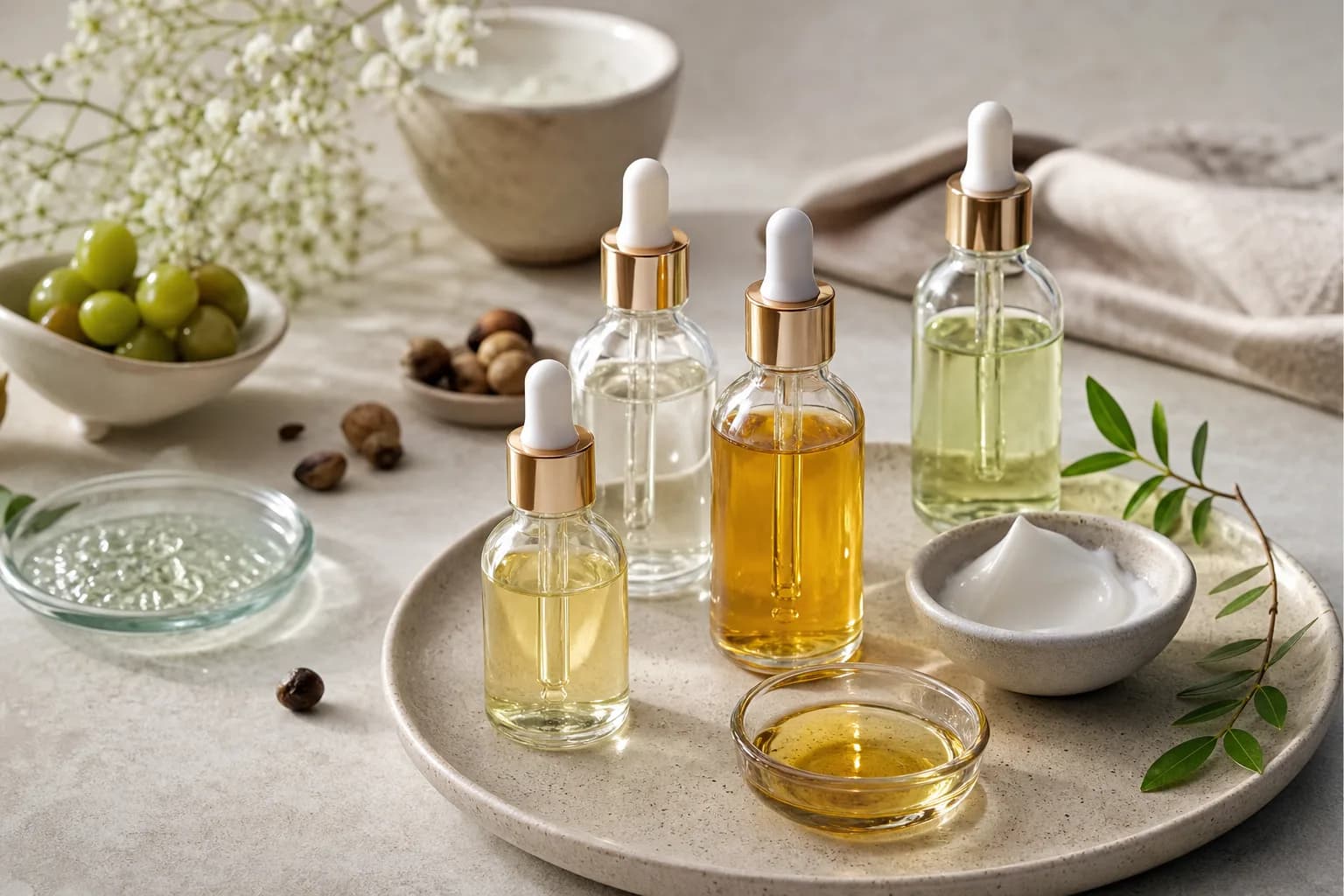
One concrete example is The Ordinary 100% Plant-Derived Squalane, whose ingredient list contains squalane and whose stated target includes dryness. That makes its role easier to understand: it is an oil-like moisturizing product, not a dark-spot medicine.
You may already have an adequate moisturizer and need no separate oil. If you do prefer an oil, follow its directions and assess whether it adds comfort without making the routine unpleasantly greasy. Avoid adding it to sunscreen or using it to dilute a treatment.
Do not rely on an online “comedogenic score” to predict your response with certainty. The finished product, the rest of the routine, and individual tolerance matter. A small-area trial may reveal a problem, but it does not guarantee that a product will suit your whole face over time.
Put the effort into the cause of the marks
If marks follow breakouts, preventing repeated inflammation matters as well as treating the leftover pigment. If they follow a product reaction, identify and stop the trigger. The AAD's dark-spot guidance emphasizes addressing the cause, gentle skincare, and sun protection.
This gives you a better order of decisions: first ask why new marks keep appearing, then decide whether a pigment treatment is appropriate. Buying three oils while the same irritation continues is unlikely to solve that underlying problem.
Our stepwise dark-spot treatment guide helps organize those choices. It is especially useful if several products have entered the routine without a clear reason for each one.
Build a routine you can evaluate
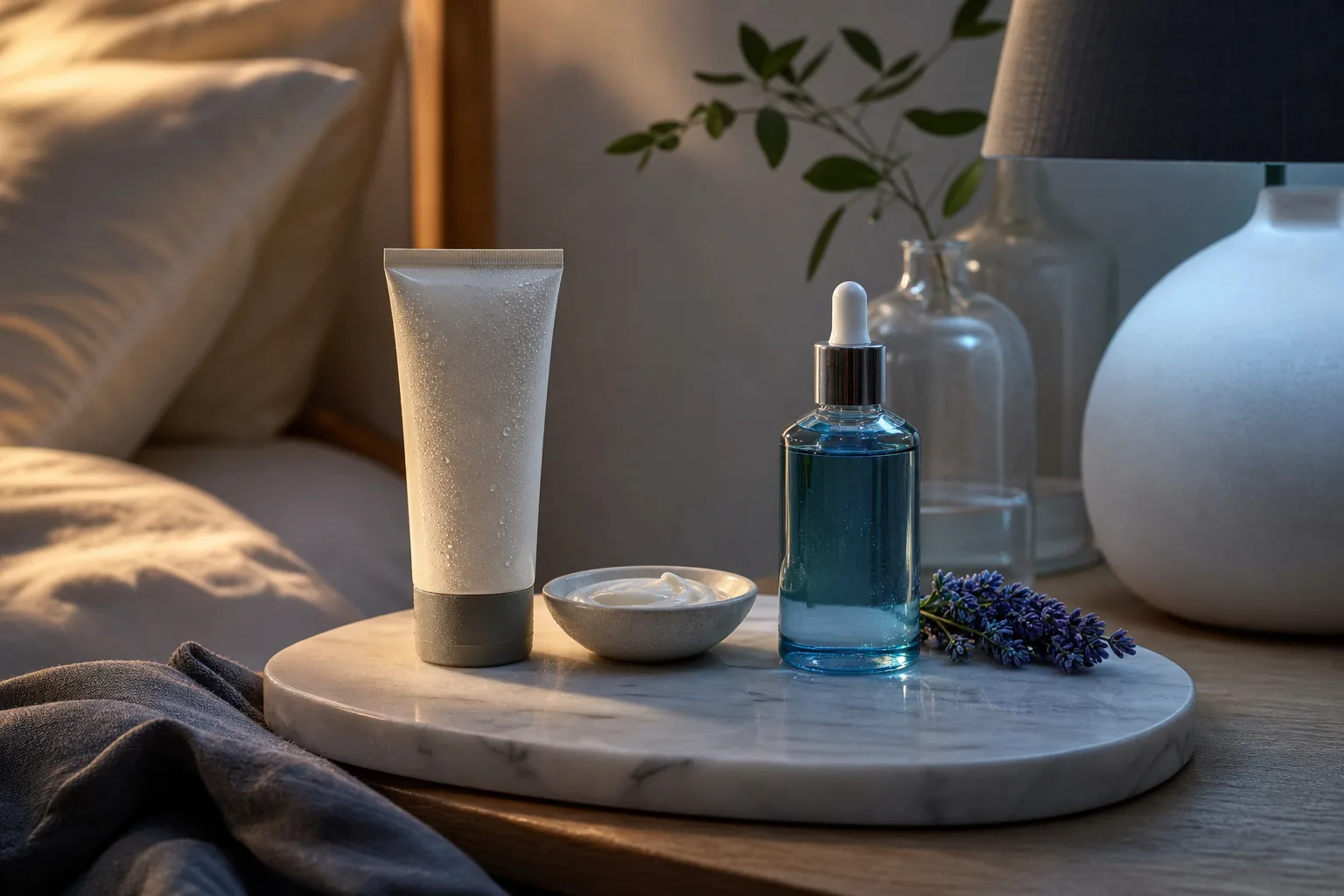
Keep the cleanser and moisturizer that feel comfortable. Use a suitable broad-spectrum sunscreen according to its directions. If you introduce a pigment treatment, choose one and keep the other products steady so you can judge it.
An optional oil belongs in that plan only if it serves a separate comfort goal. For example, dry cheeks may feel better with a moisturizing adjustment while a familiar acne mark is assessed independently. If your face already feels comfortable, skipping the oil keeps the experiment simpler.
For product formats designed around pigment concerns, compare our dark-spot cream guide. Seek assessment for unexplained, growing, bleeding, or changing spots instead of experimenting over them.
Frequently asked questions
Is rosehip oil better than tamanu oil for dark spots?
The evidence reviewed here does not justify that ranking. Choose an oil for a moisturizing preference, if needed, rather than expecting one of these botanical oils to reliably remove pigmentation.
Can tea tree oil fade marks left by acne?
Limited research on acne does not demonstrate fading of established post-acne pigment. Essential-oil irritation is an additional reason not to make a DIY mixture for this purpose.
Should I stop an oil I already enjoy?
Not necessarily. If it is comfortable and you use it appropriately, it may remain a cosmetic preference. Simply separate that benefit from an unsupported expectation that it will treat dark spots.
Clear guidance, checked before publication.
Solvi articles are structured by our editorial team and reviewed for clarity, consistency, and responsible health language. We update pages when guidance or product information changes.

Maya Bennett
Senior Beauty Editor. Maya is the skincare obsessive who turns big beauty questions into clear, grounded guidance. She is especially interested in routines that respect real skin, real schedules, and realistic budgets.