Best kojic acid cream for hyperpigmentation: what the evidence supports

There is not enough comparative evidence to name one kojic acid cream the best for everyone's hyperpigmentation. Civant Meladerm is a current cream containing kojic acid; SkinCeuticals Discoloration Defense is a serum with a declared 1% kojic acid concentration. They are different formulations, and neither should be treated as a guaranteed answer to every dark mark.
Choose a product legally supplied in your market, check the full formula, and decide whether the problem is a familiar post-acne mark or pigmentation that needs diagnosis. In the EU, kojic acid is restricted to a maximum of 1% in face and hand products. Shopping for the highest percentage is the wrong starting point.
Compare the actual formulas
The following products are examples with manufacturer information available, not a head-to-head efficacy ranking. The linked pages describe US products; local versions and availability can differ.
| Product | Format and disclosed details | Reason to consider it | Important limitation |
|---|---|---|---|
| Civant Meladerm | Cream; kojic acid appears alongside ingredients including tranexamic acid, alpha-arbutin, and niacinamide | You specifically prefer a cream texture | The listed formula does not disclose the kojic acid percentage; do not estimate it from ingredient order |
| SkinCeuticals Discoloration Defense | Serum; 1% kojic acid, 3% tranexamic acid, 5% niacinamide, 5% HEPES | You want declared concentrations in a lighter treatment format | It is not a cream, and evidence for the blend does not isolate kojic acid's contribution |
| No new pigment product yet | Your existing gentle routine and sun protection | The mark is unexplained, changing, or the skin is currently irritated | Assessment may be more useful than another active ingredient |
Formula references: Meladerm ingredient list and Discoloration Defense formulation describe the products compared here. We have not tested them against each other.
Understand what a study can establish
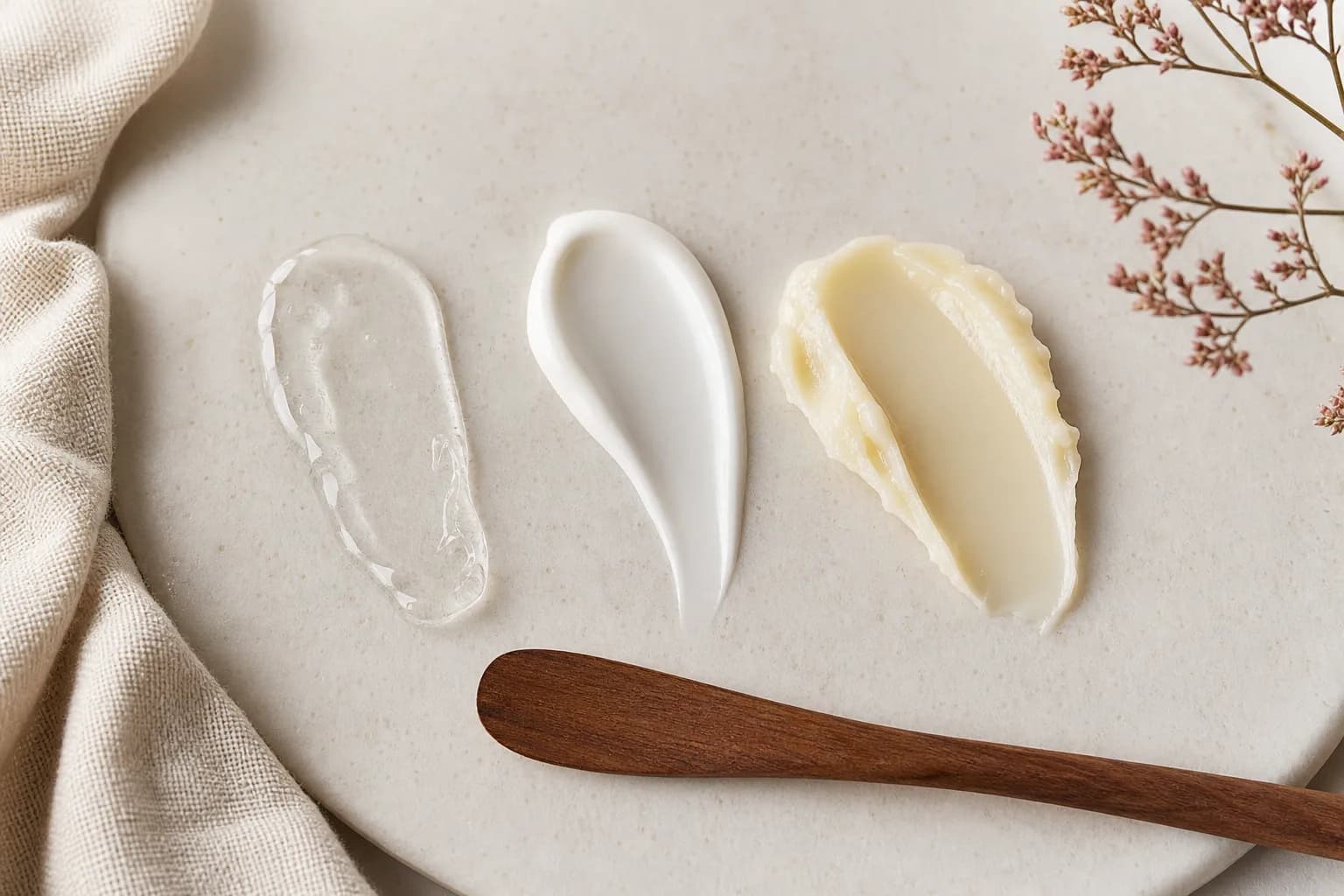
A published 12-week study evaluated a serum combining tranexamic acid, kojic acid, and niacinamide in 55 women. Participants also used sunscreen. The study reported improvements in pigmentation measurements and clinical assessments. It did not compare every kojic acid cream or demonstrate what kojic acid alone would have achieved. Several authors were affiliated with SkinCeuticals or L'Oréal. Original clinical study
That distinction matters when reading a label. “Contains an ingredient studied for pigmentation” is a weaker statement than “this exact formula was evaluated under these conditions.” Neither statement guarantees your result.
Look for the study population, duration, comparison method, and whether sunscreen was part of the routine. A dramatic before-and-after image without those details tells you much less than it appears to.
Check the rules where you buy
EU Regulation 2024/996 restricts kojic acid to face and hand products at a maximum concentration of 1%. That is a regulatory limit, not proof that every 1% formula is equally effective or suitable for every person. EU regulation
Do not use an overseas marketplace listing as evidence that a product complies with local rules. Check the seller, manufacturer, intended application area, and packaging. If the concentration or local version is unclear, ask the manufacturer rather than assuming that an ingredient-list position reveals the answer.
Avoid DIY kojic acid powders or attempts to change a finished product's pH. The concentration, preservation, and stability of a home mixture are not established by a recipe or a seller's percentage claim.
Match the decision to the type of mark
A flat mark left in the exact place of a healed pimple suggests a different history from broad, recurring patches across the cheeks or upper lip. A new or changing isolated spot is another question again. You should not diagnose all three from the phrase “dark spots.”
If you suspect melasma, a dermatologist can assess the pattern and discuss a treatment plan. The AAD's melasma guidance emphasizes diagnosis and a combination of sun protection and appropriate treatment. Cosmetic shopping cannot replace that assessment.
For familiar marks, our broader dark-spot cream guide helps compare formulation choices. Seek assessment for a spot that changes, bleeds, or looks different from your other marks instead of applying a fading cream over it.
Introduce one treatment without building a stack
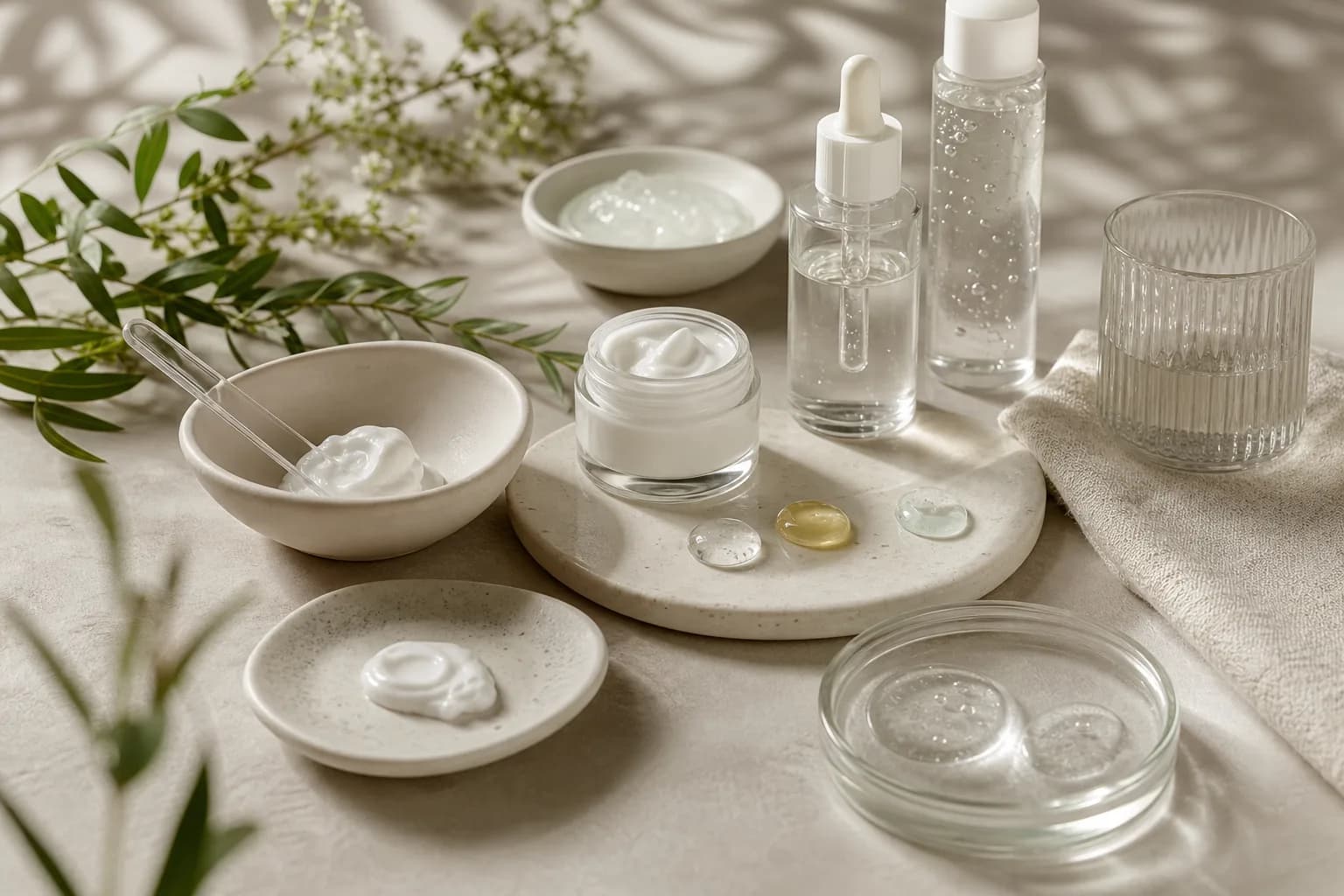
Keep the cleanser, moisturizer, and sunscreen that already work for you. Introduce one new treatment according to its label. Do not add kojic acid, a peel, and a retinoid simultaneously and then try to identify the cause if your skin becomes uncomfortable.
If you already use prescription skincare, ask the prescriber how the proposed cosmetic fits. A generic internet layering order cannot account for your prescription or condition. Avoid applying a new pigment product to broken or irritated skin.
Patch testing can help identify a reaction before wider application, but it is not an assurance against future irritation. Stop the new product if it causes a reaction; escalating use through burning is not a strategy for faster fading.
If you are comparing several multi-ingredient products, our Faded cream guide provides a separate formulation discussion. Choose one treatment to evaluate rather than collecting overlapping blends.
Track change without mistaking lighting for progress
Take an initial photo without makeup in a repeatable location. Use the same camera, distance, and lighting for later comparisons. Choose one or two familiar marks to follow instead of judging your whole face from memory.
Record the product, application pattern, and any irritation. Set a review point based on the product instructions or a clinician's plan, not a promise that every mark will disappear within a fixed number of weeks.
If the routine is comfortable but the result disappoints, reconsider the diagnosis and treatment choice before increasing concentration or adding more products. If new irritation appears, address that first rather than counting it as evidence of activity.
Decide between a cream and another route
Choose a cream when you prefer that application feel and the complete formula suits your routine. Choose a serum when you want a lighter treatment under an existing moisturizer. Choose professional assessment when the pigmentation is uncertain or keeps returning despite a consistent approach.
“Bleaching” is a marketing term with very different products behind it. Our guide to bleaching creams distinguishes cosmetic options from prescription treatment and unsafe marketplace products.
Frequently asked questions
Is 2% kojic acid better than 1%?
A higher percentage does not establish a better result or better tolerance. It also conflicts with the EU maximum for the specified cosmetic uses. Check local rules and the exact product rather than choosing by strength alone.
Can kojic acid and niacinamide be in the same product?
Yes; the compared formulas illustrate that. Their coexistence does not prove that adding separate niacinamide or azelaic acid products will improve results or prevent irritation.
Does a serum work better than a cream?
The format alone cannot tell you. Compare the complete formulation, evidence, directions, and how comfortably it fits your routine. A product you cannot tolerate is a poor practical choice regardless of its texture.
Clear guidance, checked before publication.
Solvi articles are structured by our editorial team and reviewed for clarity, consistency, and responsible health language. We update pages when guidance or product information changes.

Amara Lewis
Sensitive Skin Writer. Amara is fascinated by calm, barrier-first skincare and the small details that make a routine easier to tolerate. She favors thoughtful formulas, slow introductions, and less guesswork.