The Retinol Sandwich Method Is the Slow-Burn Route to a Calmer Retinoid Routine


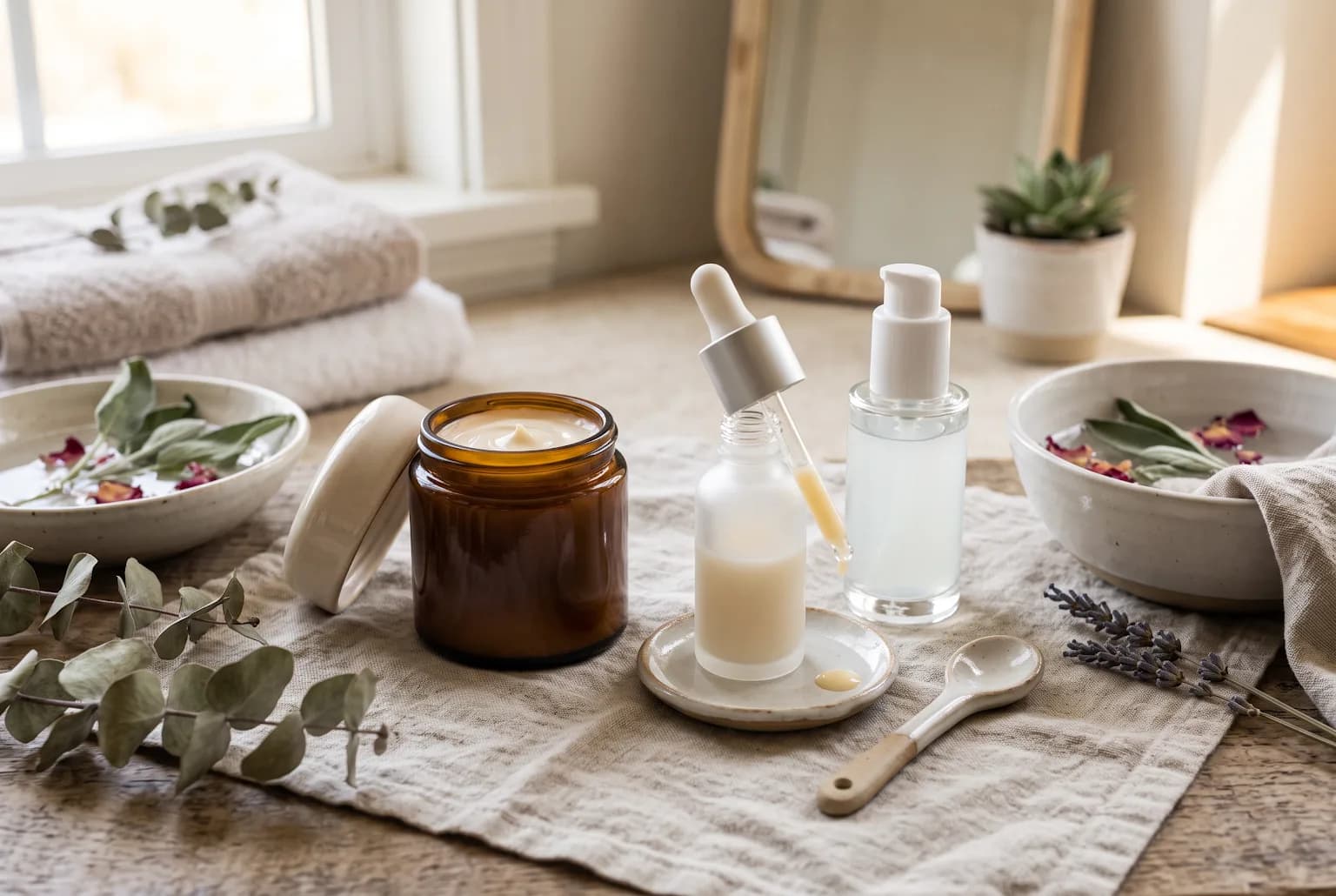
The retinol sandwich method means applying moisturizer before and after retinol or another retinoid. It is a practical buffering technique for reducing the dryness, stinging, and flaking that can make a promising nighttime routine impossible to continue.
The point is not to make retinol more aggressive; it is to make the experience more livable. For retinol beginners, sensitive skin, or a barrier that feels temporarily unsettled, that trade-off can be a smart one: prioritize consistent use and comfort over the fastest possible ramp-up.
The retinol sandwich method, decoded
A classic retinol sandwich has three layers: moisturizer, retinol, moisturizer. The first cream layer acts as a buffer; the second helps seal in a comfortable finish after the active. Dermatology guidance commonly presents this as a tolerability strategy, particularly for people who struggle with irritation.
There is an important caveat beneath the catchy name. Formal randomized trial data specifically testing sandwiching are limited, and buffering may slightly reduce retinoid penetration or effect. That does not make the technique pointless—it simply makes its purpose clear: it is a comfort-first way to build a routine.
| Layering approach | What it looks like | Best fit | Main trade-off |
|---|---|---|---|
| Direct application | Retinol on dry skin, followed by moisturizer | An established user whose skin is comfortable with retinol | Greater potential for dryness or sting |
| Immediate sandwich | Moisturizer, retinol, then moisturizer with no pause | A retinol newcomer or easily reactive skin | May buffer the active somewhat |
| Wait-time sandwich | Moisturizer, wait 10–20 minutes, retinol, then moisturizer | Someone who likes a more deliberate routine | Adds time without proving better results |
How the retinol sandwich method works
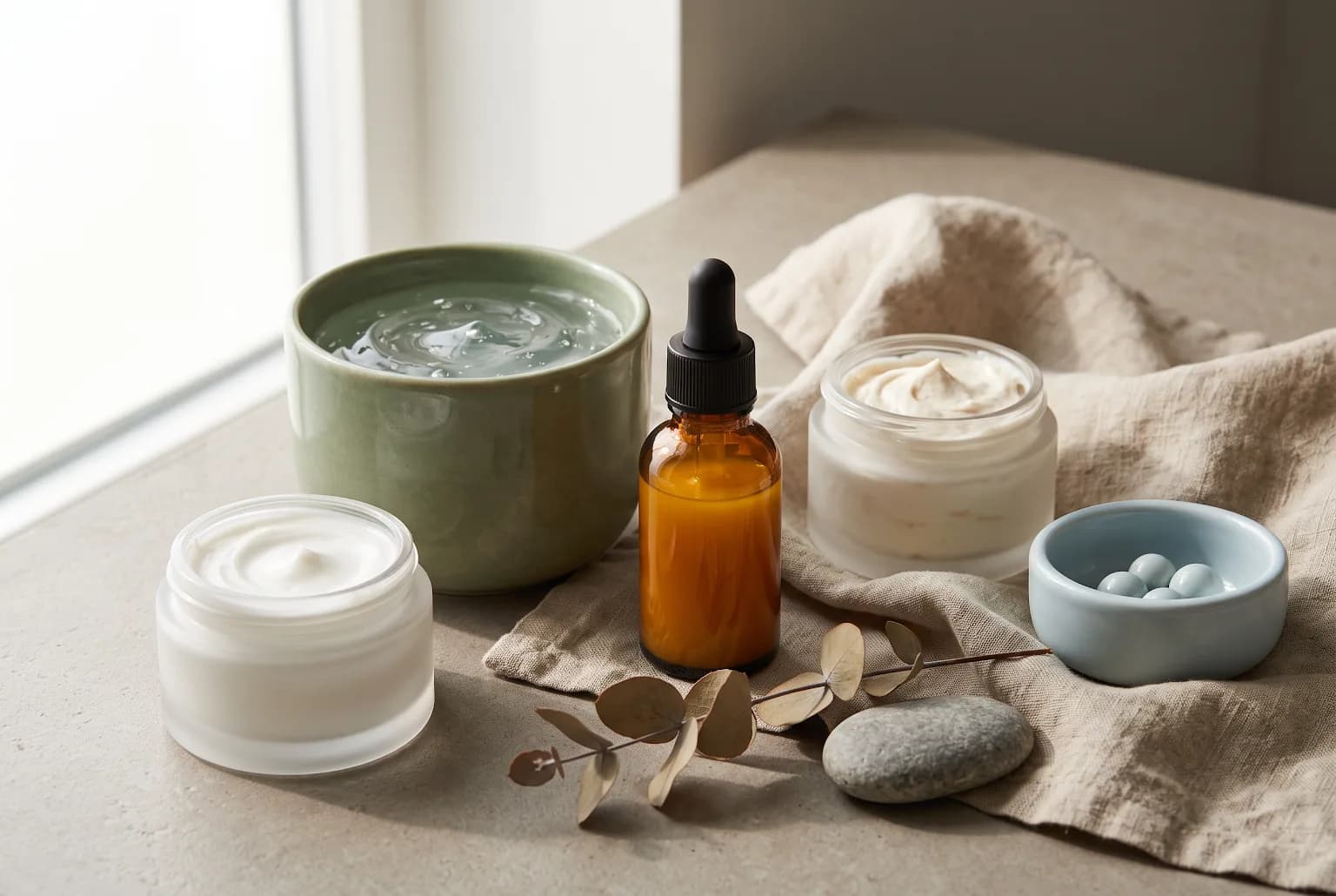
Think of the first moisturizer layer as a soft landing pad rather than a hard barrier. A cream with a straightforward, fragrance-free, non-comedogenic formula is the usual choice; ceramide-rich textures are especially appealing when your priority is supporting a comfortable skin barrier.
The second layer is not an excuse to pile on every product in the cabinet. It is simply a final veil of moisture—ideally one that feels soothing, not tingly, and that does not introduce another strong active into the evening.
Here is the sequence in its most uncomplicated form:
- Cleanse, then let skin dry before beginning the retinoid portion of your routine.
- Apply a thin, even layer of a gentle moisturizer over the face.
- Smooth on your retinol or retinoid, avoiding overapplication; use the amount directed by its product instructions.
- Finish with another light layer of moisturizer, concentrating on areas that tend to feel dry or tight.
Some people apply all three layers in immediate succession. Others allow the first moisturizer layer to sit for 10–20 minutes before retinol. Both versions are used in practice, and neither needs to become a nightly ceremony. Choose the one whose pace makes you more likely to follow through.
Who should try the retinol sandwich method
This technique earns its place when the major obstacle is tolerance. It is not a mandatory rule for every retinol user, and it is not a contest to see who can handle the most active product with the fewest layers.
Consider sandwiching if one or more of these descriptions fits:
- You are retinol-naive and want a measured introduction rather than an all-at-once approach.
- Your skin tends to react with dryness, visible flaking, tightness, or discomfort when you add strong skincare.
- Your barrier feels compromised or generally less resilient than usual, and you want a simpler retinoid night.
- You prefer a creamy, cushioned skincare finish over a bare-skin active application.
- You have stopped and started retinol in the past because the routine felt too harsh to maintain.
It can also suit someone using a low-strength retinol or retinoid in the 0.025% to 0.05% range as a beginner-oriented starting point, depending on the formula and product instructions. The number alone does not tell the whole story: format, delivery system, and the rest of the routine influence how a product feels on skin.
A clear counterpoint: if your skin is already handling a direct retinol routine comfortably, sandwiching is optional. A buffered application may be slower or gentler than you need. The best approach is the one that balances your goal with the condition of your skin—not the one with the most elaborate choreography.
Choose the right textures for each layer
The retinol sandwich is as much about formula editing as it is about order. A rich balm, a watery gel, and a silicone-smooth serum will all layer differently. The aim is not a perfectly photogenic shelf; it is avoiding pilling, excess heaviness, and unnecessary sources of irritation.
Use this quick texture guide when building your trio:
| Product format | Where it fits in a sandwich | Who may like it | What to watch |
|---|---|---|---|
| Lightweight lotion | First and final moisturizer layers | Combination or oilier skin that still needs cushioning | Very thin formulas may not feel protective enough for dry skin |
| Ceramide-rich cream | Either or both moisturizer layers | Dry, sensitive, or barrier-conscious routines | Apply thin layers if richer creams feel congesting |
| Encapsulated retinoid | The middle active layer | Beginners seeking a potentially gentler retinoid format | Still introduce slowly; “encapsulated” is not a free pass to overuse |
| Traditional retinol cream or serum | The middle active layer | Someone who knows they prefer a familiar retinol format | Avoid pairing it with other harsh actives the same night |
| Adapalene option | A retinoid alternative to consider | Those exploring a different retinoid format | Follow the individual product’s directions and keep the rest of the routine simple |
Fragrance-free and non-comedogenic moisturizer formulas are sensible decision criteria, especially when the mission is reducing irritation rather than adding sensory extras. If a moisturizer itself makes your skin sting, the sandwich is not solving the right problem; simplify the base layer first.
How to build a sandwich routine that you can keep

The crucial variable is frequency. Rather than beginning nightly, start at twice weekly and increase only as tolerated. That pacing leaves room to observe how your skin responds without turning every dry patch into a reason to quit entirely.
Evening
- On a designated retinol night, cleanse with a gentle cleanser and dry the skin.
- Apply your first moisturizer layer in a comfortable, thin coat.
- Apply the retinol or retinoid according to its directions, then follow with your second moisturizer layer.
- Keep the rest of the evening quiet: skip harsh exfoliants and other strong actives.
Morning
- Cleanse or rinse in the manner that suits your skin.
- Use moisturizer if your skin needs it.
- Apply daytime sunscreen as the final essential step.
Retinoids can increase sun sensitivity, so daytime sunscreen is not an optional flourish attached to a nighttime routine. It is part of the basic plan. If your skin becomes increasingly uncomfortable, reassess frequency and the products layered around the retinoid rather than trying to power through.
Avoid making the same night a testing ground for multiple high-intensity products. A pared-back routine makes it easier to identify what is working for you and what is creating friction.
The common mistakes that make sandwiching feel ineffective
A sandwich can be wonderfully simple, but it gets confusing when the goal shifts from easing into retinol to chasing an instant result. The method is most useful when its limitation is acknowledged: buffering may slightly soften penetration, and the gain is usually better tolerability.
Keep these course corrections in mind:
- Do not use the sandwich as a reason to apply retinol more often than your skin can tolerate.
- Do not combine it with harsh exfoliants or strong actives on the same night simply because moisturizer is present.
- Do not treat a thicker moisturizer layer as a substitute for introducing the active gradually.
- Do not skip sunscreen the following day; sun protection belongs in every retinoid plan.
- Do not assume waiting 10–20 minutes is inherently superior to immediate layering. The practical difference is often your comfort and consistency.
The other common mistake is expecting the exact same plan to work for everyone. Someone with dry, sensitive skin may want a cream before and after a low-strength formula. Someone with a comfortable, established retinol routine may prefer direct application followed by moisturizer. Both can be reasonable choices.
Retinol sandwich method FAQ
Does the retinol sandwich method make retinol weaker?
It may reduce penetration or effect slightly because moisturizer buffers the active. The intended benefit is improved tolerability, which can make gradual, consistent use easier for some people.
Should I wait between moisturizer and retinol?
You can apply the layers immediately or wait 10–20 minutes after the first moisturizer layer. Both approaches are used in practice, so choose the version that feels realistic for your evening.
How often should a beginner use the method?
Start twice weekly, then increase only as tolerated. Comfort, dryness, and irritation are better guides than an aggressive calendar.
Can I use exfoliating acids on retinol sandwich nights?
It is wiser to skip harsh exfoliants and other strong actives on the same night. A simpler routine reduces the chance of piling irritation onto irritation.
Is this only for sensitive skin?
No, but it is especially useful for sensitive skin, retinol beginners, and anyone prioritizing a calmer adjustment period. If direct application is already comfortable, it may not be necessary.
Related reading
- Skin Cycling Routine for Beginners: 4-Night Plan
- Fine Lines Treatment: A Practical Routine
- Signs of a Damaged Skin Barrier: Clear Checklist
Sources
- NBC Select, “Retinol sandwiching: dermatologists explain the viral trend”
- Westlake Dermatology, “Retinol Sandwich Method”
- YouTube, practitioner demonstrations and trend context
Clear guidance, checked before publication.
Solvi articles are structured by our editorial team and reviewed for clarity, consistency, and responsible health language. We update pages when guidance or product information changes.

Naomi Chen
Skincare Ingredients Writer. Naomi reads ingredient lists for fun and loves translating formulation language into advice that makes sense at the bathroom mirror. Hydration, barrier care, and sensitive-skin formulas are her favorite rabbit holes.