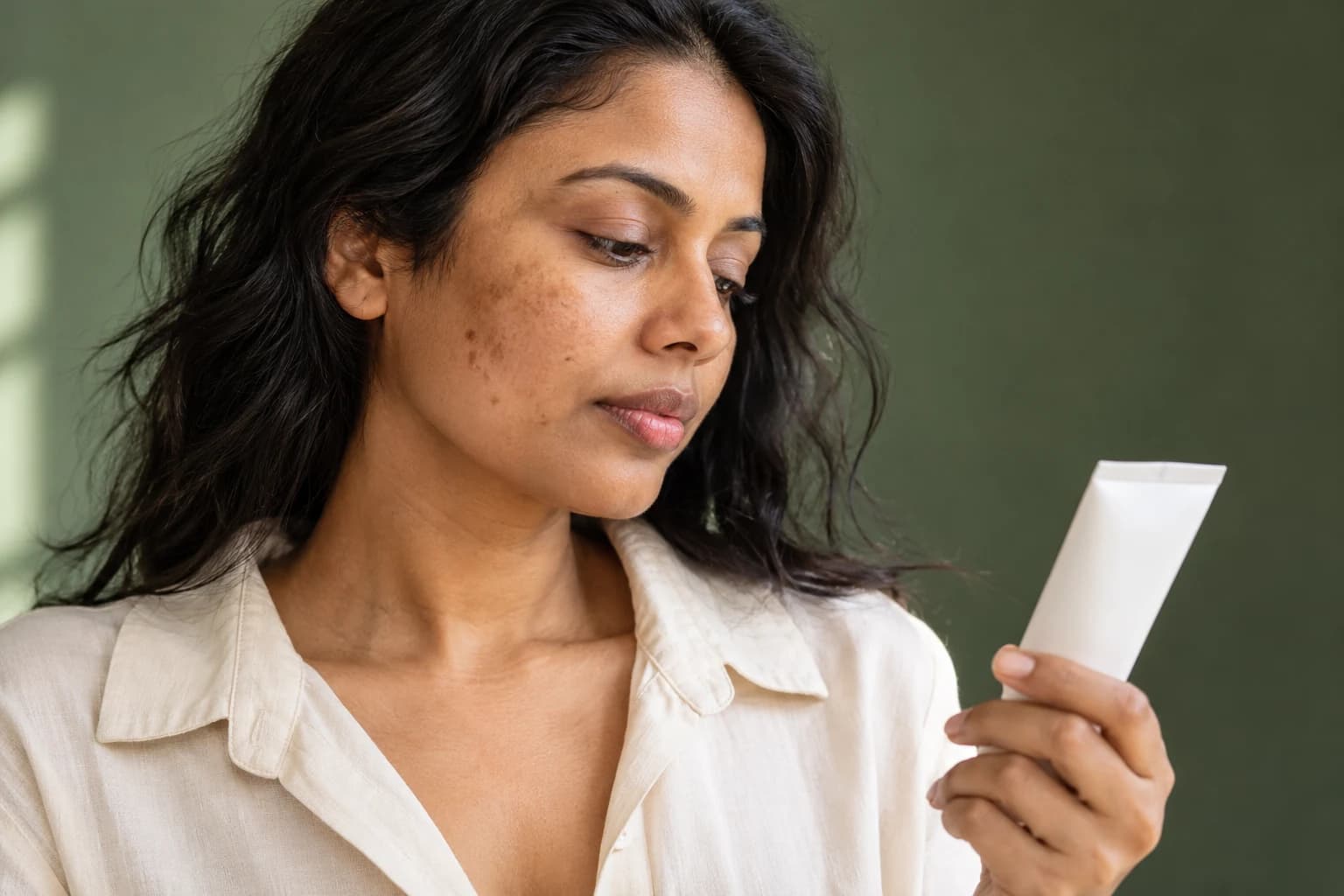
Best Concealer for Dark Spots: 4 Formulas and a Better Shade Match

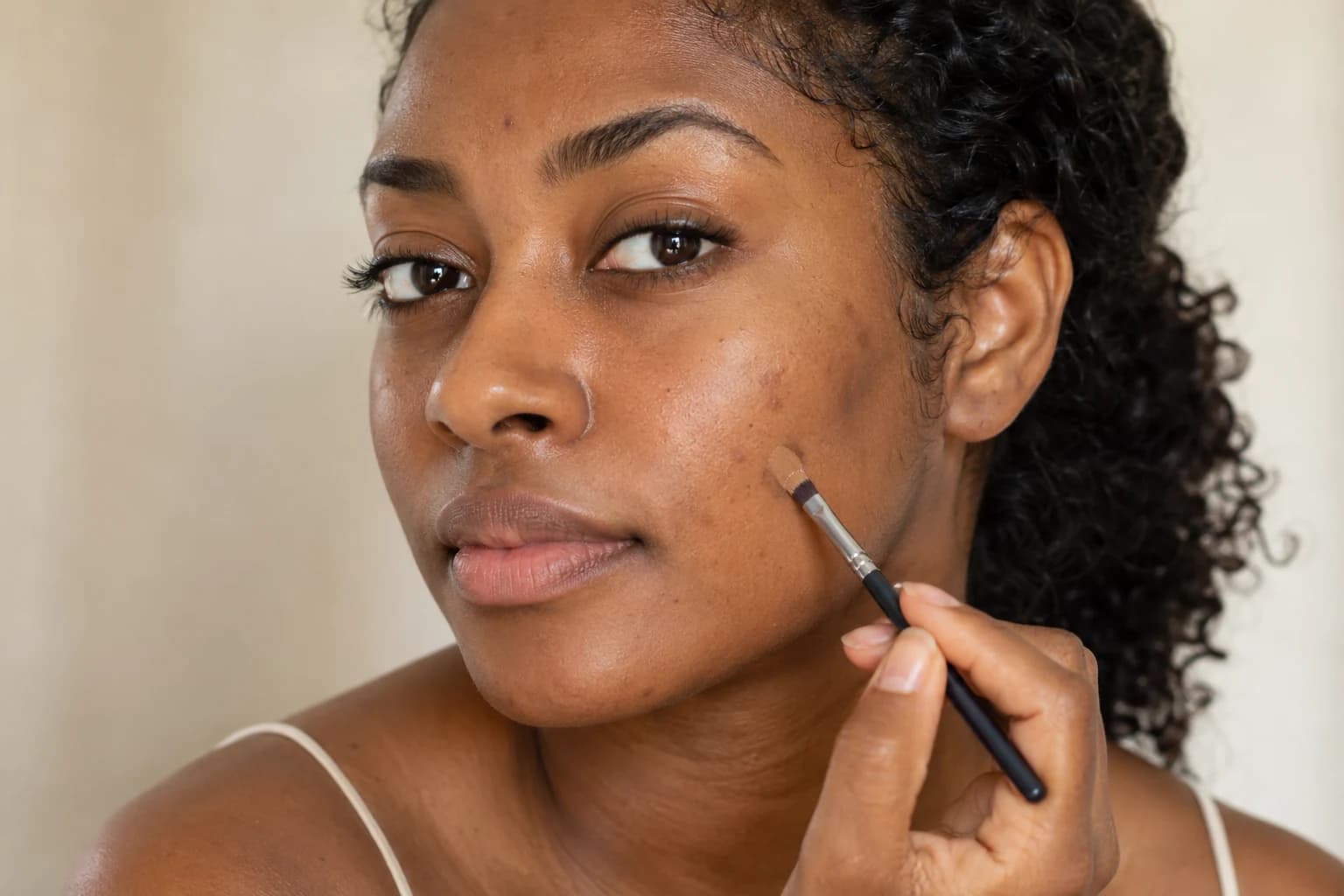
The best concealer for dark spots should disappear into the skin around the mark. That usually means a close shade match and concentrated coverage applied in a tiny area. Buying a lighter shade to “brighten” a brown spot can leave a pale halo, even when the product itself is good.
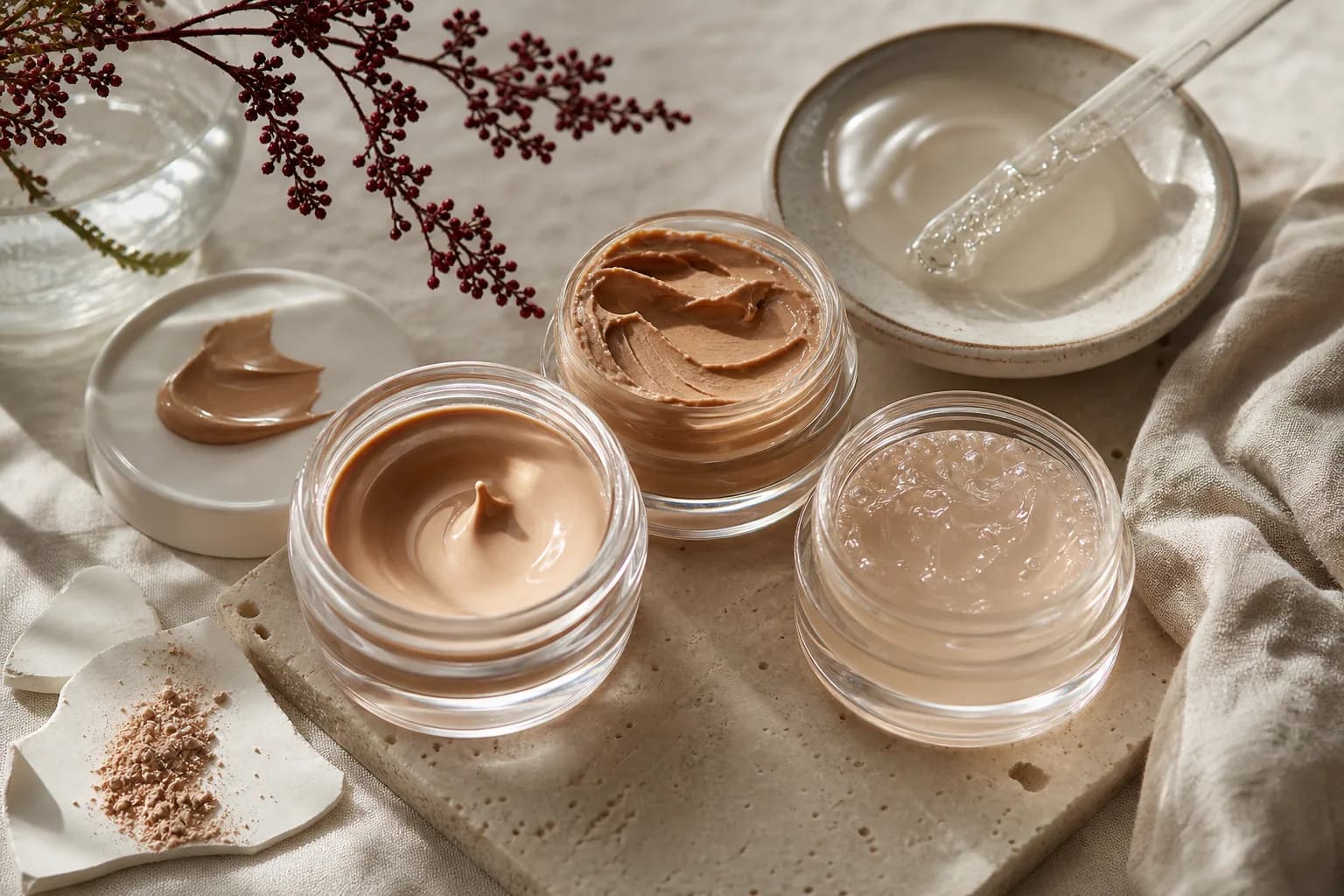
Start with a full-coverage formula that suits the surface you are covering: a matte cream for precise spots, a hydrating liquid for dry areas, or a portable stick for touch-ups. The four options below are compared using their manufacturers’ current descriptions and directions. The recommendations about who should choose each are editorial judgments, not wear-test results.
Four concealers worth comparing
| Product | Format and stated finish | Consider it for | Look elsewhere if |
|---|---|---|---|
| NARS Soft Matte Complete Concealer | Cream pot; soft matte | Precise coverage of individual marks | You want a radiant finish or dislike pot packaging |
| e.l.f. Hydrating Camo Concealer | Liquid; satin | Dry areas and a lower-cost starting point | You specifically want a matte finish |
| Dermablend Quick-Fix Concealer | Cream stick; matte | Portable, concentrated spot coverage | You prefer a fluid wand formula |
| Lancôme Teint Idole Ultra Wear All Over Concealer | Liquid; natural matte | A liquid for both pinpoint and broader coverage | You want very sheer coverage |
NARS Soft Matte Complete Concealer
NARS describes this as a full-coverage, soft-matte cream and recommends warming it with fingertips, then pressing it into skin. The pot format makes sense when you want to pick up a controlled amount on a small brush. Choose it for a few clearly defined marks, especially if a luminous concealer makes the covered area stand out. Skip it if you strongly prefer a wand or a dewy finish. A matte label alone cannot tell you how it will sit on a flaky patch; check that on your own skin.
e.l.f. Hydrating Camo Concealer
The distinguishing combination here is full coverage with a satin finish in a liquid format. It is a sensible first comparison for dry-looking marks or for someone who does not want to spend heavily before finding a shade match. The manufacturer’s “hydrating” description does not guarantee that it will flatten existing flakes, so prep still matters. Choose it when comfort and a softer finish are priorities; skip it if shine control is the main reason you are buying concealer.
Dermablend Quick-Fix Concealer
This is a full-coverage stick intended for localized discoloration. It is useful to shortlist when you want something compact for a bag rather than another liquid tube. Use a small brush to transfer product if a direct swipe deposits too much. Dermablend’s wear claim is conditional on setting powder; it should not be read as a guarantee for the stick worn alone. Choose it for portability and targeted coverage. Skip it if you dislike a denser cream texture.
Lancôme Teint Idole Ultra Wear All Over Concealer
Lancôme lists full coverage, a natural-matte finish and a pointed applicator. This gives you a liquid option when you want to cover several small marks without switching between a pot and a separate broad-area formula. The brand specifically recommends matching your skin tone for dark spots; its lighter-shade advice is for brightening, not spot camouflage. Choose it if the shade match is good and you prefer liquid application. Skip it if you only want a sheer tint.
Match the surrounding skin, not the darkest part of the spot
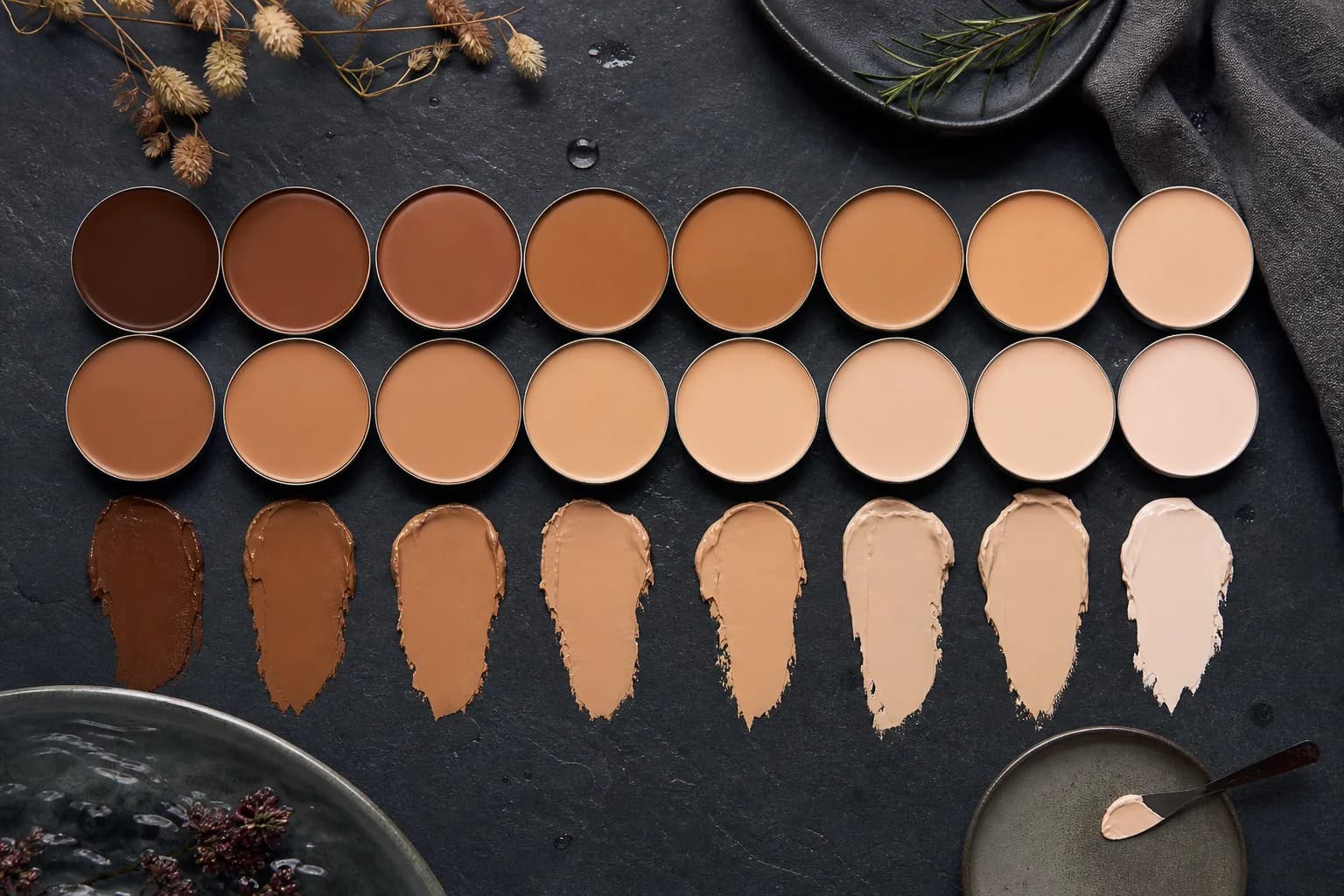
The goal is for the finished patch to blend with its surroundings. A concealer matched to the dark mark itself will remain too deep; one several shades lighter can turn gray or leave a visible border. Start with the depth of nearby clear skin, then compare undertones.
Try two close shades beside the mark over the sunscreen you normally wear. Blend their edges, let the finish settle, and check near a window. Indoor lighting and a phone’s automatic exposure can make a borderline match look convincing. Evaluate the covered area and its border separately: if the border looks pink, yellow or orange, more coverage will not solve the mismatch.
- A visible pale outline usually calls for a closer depth match.
- A gray center may mean the spot is showing through, the shade is too light, or correction would help.
- An orange patch after correcting usually means too much corrector or a corrector that is too strong.
Add color correction only when it solves a visible problem
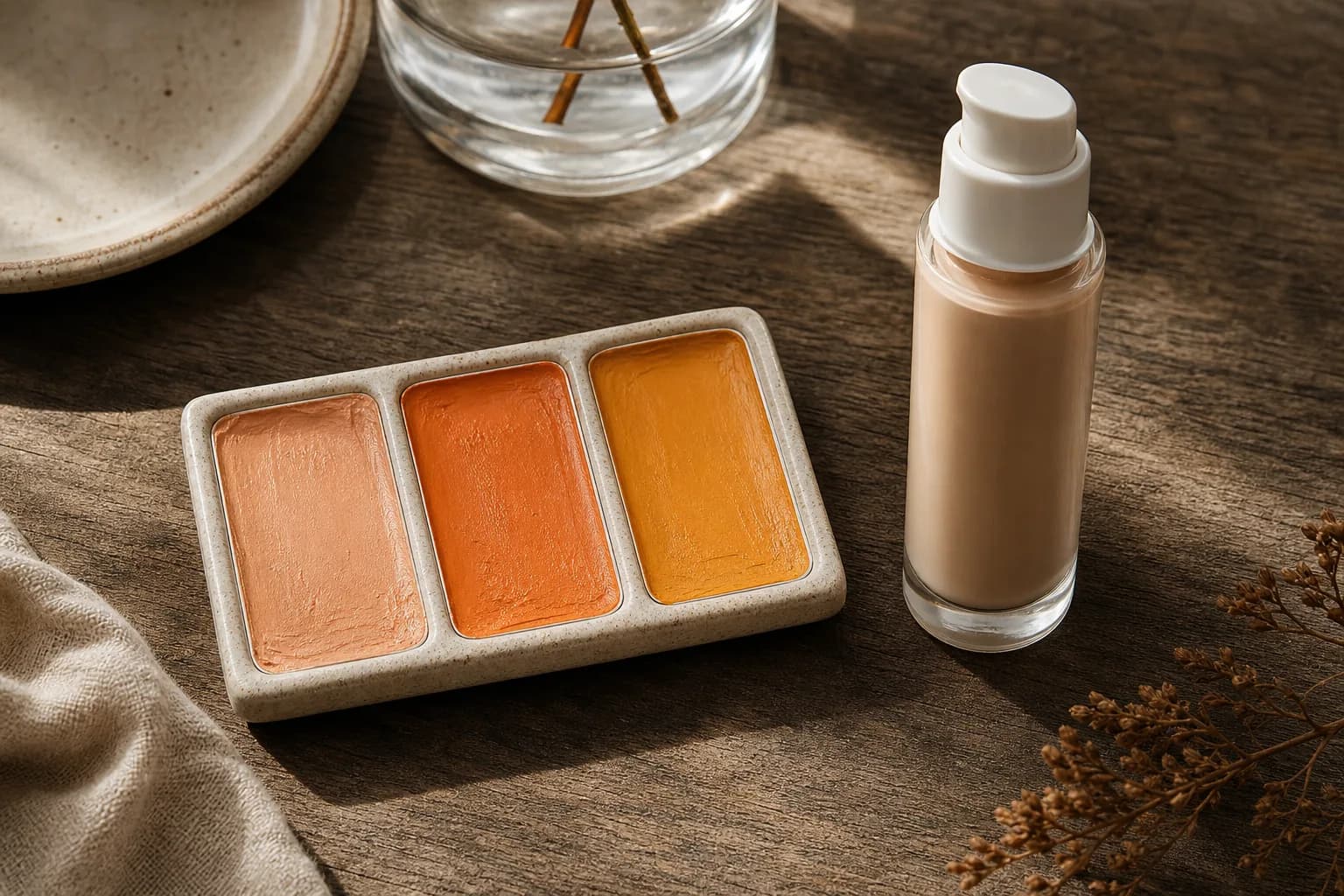
Try concealer alone first. If it covers the mark with a small amount, a second product adds work without a clear benefit. When a blue-gray cast still shows through, a restrained peach, orange or deeper warm corrector may help; the useful depth depends on your skin and the discoloration underneath. Pale peach is not a universal answer for deeper complexions.
Test a pinhead amount on one mark before buying a whole palette. Keep the warm color inside the dark area, then tap skin-matched concealer over it. You want less visible discoloration with less concealer, not an opaque orange layer that demands extra coverage. Our two-step guide to concealing dark spots explains the layering sequence in more detail.
Apply coverage without making the patch thicker
- Finish skincare and sunscreen first. Allow the surface to settle before applying makeup; do not mix concealer into sunscreen.
- If you wear foundation, apply a light layer and reassess. Some marks may no longer need separate coverage.
- Put a small amount of concealer directly on the remaining mark with a clean detail brush.
- Tap the edges outward while leaving the center mostly undisturbed. Sweeping back and forth can remove the pigment you just placed.
- Add another pinpoint layer only where darkness still shows. Pause if you are adding thickness without improving the color.
- Press on a little powder if transfer or shine is a problem. Follow the product’s setting directions rather than automatically powdering every dry area.
If coverage splits, simplify the layers underneath on your next attempt. If it looks crusty, remove the excess instead of adding more powder. Makeup can soften a color difference; it cannot erase the physical depth of a pitted scar or flatten a raised area.
Cover a mark today while caring for it over time
Concealer changes appearance immediately, but it does not treat the cause of pigmentation. Keep your longer-term plan separate from the makeup purchase. The American Academy of Dermatology recommends broad-spectrum SPF 30 or higher and highlights tinted sunscreen with iron oxides for dark spots in darker skin tones. A small dot of concealer is not a substitute for properly applied sunscreen.
If you are comparing treatments, start with our guide to creams for dark spots. If you already use a retinoid, the retinol guide for dark spots can help you consider how dryness affects your routine. Do not add a stronger treatment just to make concealer sit better.
Frequently asked questions
Should concealer for dark spots be lighter than foundation?
Usually, match the surrounding skin or your foundation’s finished color. A lighter shade can highlight the area you want to blend in. Under-eye brightening and precise spot camouflage are different jobs.
Do I need both a corrector and a concealer?
Only if concealer alone leaves an unwanted cast or needs too many layers. Compare one corrected spot with one uncorrected spot. Keep the extra step only if it noticeably improves the result.
Which option should I try first if I cannot test all four?
Choose by finish and format: e.l.f. for satin liquid, NARS for a matte pot, Dermablend for a stick, or Lancôme for natural-matte liquid. Then prioritize a convincing shade match over the brand name. Check the retailer’s shade-return policy before ordering.
Sources
- NARS: Soft Matte Complete Concealer
- e.l.f.: Hydrating Camo Concealer
- Dermablend: Quick-Fix Concealer
- Lancôme: Teint Idole Ultra Wear All Over Concealer
- American Academy of Dermatology: How to fade dark spots
Clear guidance, checked before publication.
Solvi articles are structured by our editorial team and reviewed for clarity, consistency, and responsible health language. We update pages when guidance or product information changes.

Maya Bennett
Senior Beauty Editor. Maya is the skincare obsessive who turns big beauty questions into clear, grounded guidance. She is especially interested in routines that respect real skin, real schedules, and realistic budgets.