The Ordinary Serum for Dark Spots: Which Formula Fits Your Marks?


The best Ordinary serum for dark spots is usually The Ordinary Alpha Arbutin 2% + HA if your goal is a streamlined, water-based treatment for uneven-looking tone. The Ordinary Azelaic Acid 10% Suspension is the better-format alternative for post-breakout marks that also look red or feel prone to sensitivity—provided your skin tolerates it.
Neither is a quick erase button. Dark spots fade on a slower calendar, and daily broad-spectrum sunscreen is the part of the plan that keeps a brightening routine from working against fresh UV exposure.
Choose your Ordinary dark spot serum by the mark, not the hype
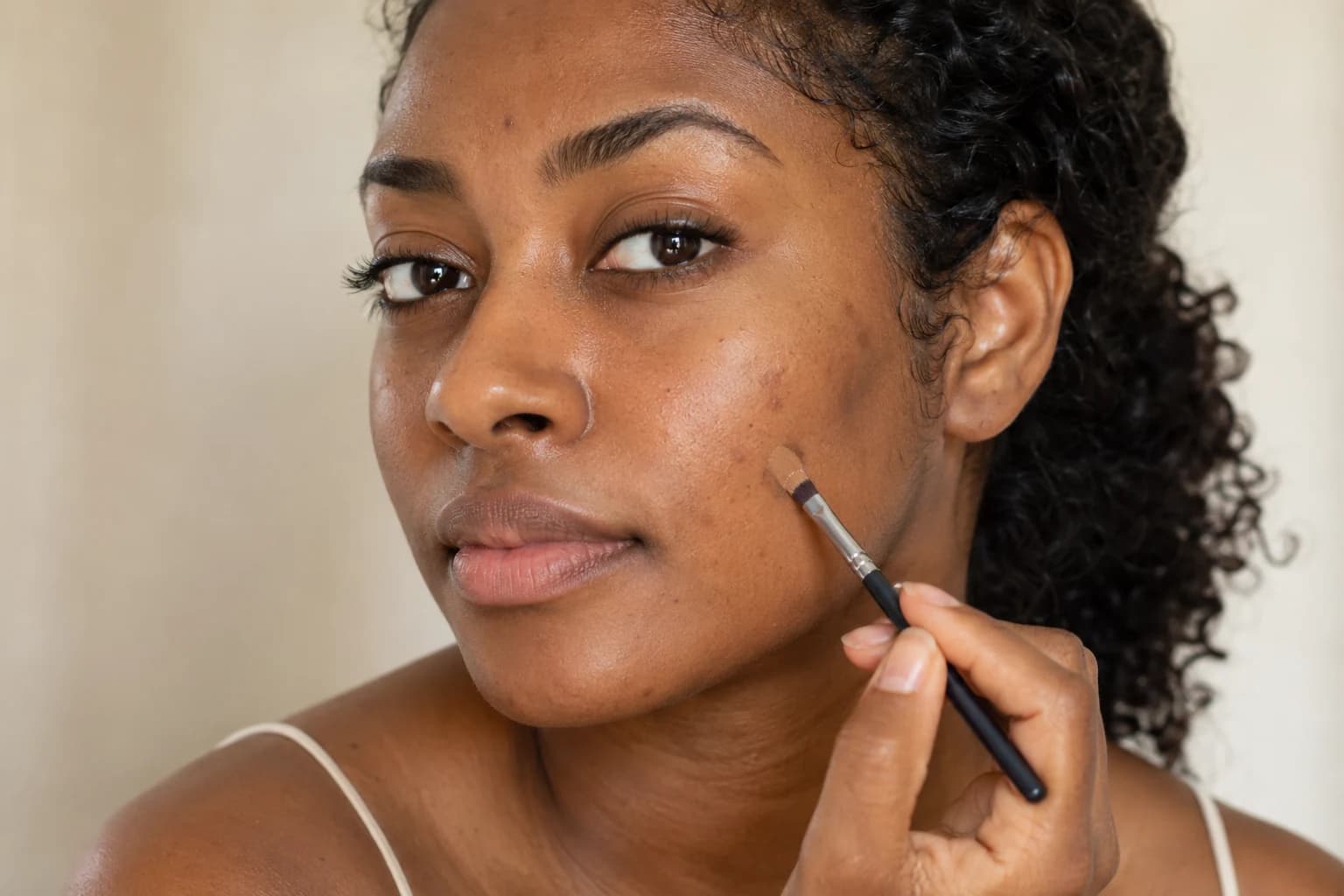
A dark spot is a description, not a single skin concern. Flat brown marks left after pimples, bug bites, or irritation are commonly approached differently from broader, recurring patches associated with melasma. That distinction changes how much patience, sun protection, and professional input the situation may require.
For a first targeted pick from The Ordinary, decide whether you want a dedicated pigment-focused serum, a multitasking cream-format treatment, or a supportive serum that can make sense in a more minimal routine. The table below is a buying guide rather than a promise that one formula fits every kind of discoloration.
| Formula | What it brings to a dark-spot routine | Format and layering | Best fit | Main tradeoff |
|---|---|---|---|---|
| The Ordinary Alpha Arbutin 2% + HA | Alpha arbutin is used to target tyrosinase, an enzyme involved in melanin production. | A light, water-based serum; apply before richer creams. | Someone who wants a focused, gradual option for the look of uneven tone. | Results require consistency and a patient timeline. |
| The Ordinary Azelaic Acid 10% Suspension | Azelaic acid is a useful option to consider when marks and visible redness coexist. | A suspension with a cream-like treatment step; use a thin, even layer. | Post-inflammatory marks after breakouts, especially for shoppers who do not want another watery serum. | It can feel less instantly layer-friendly than a thin serum and should be patch-tested. |
| The Ordinary Niacinamide 10% | Niacinamide is a brightening and anti-inflammatory support ingredient. | Typically easiest in a simple serum slot before moisturizer. | A pared-back routine where oiliness, breakouts, or barrier-conscious layering are also priorities. | It is not the most direct substitute for alpha arbutin when dark spots are the only focus. |
The focused pick: Alpha Arbutin 2% + HA
Alpha arbutin is the cleanest answer to the search for an Ordinary serum specifically for dark spots. The added hyaluronic acid supports a serum texture that slips easily under moisturizer and sunscreen, which matters because a product you can wear consistently is the product most likely to earn a place in the routine.
Use it if your marks are primarily brown or gray-brown leftovers rather than active inflammation. It is also a sensible choice if you already own a gentle cleanser, a basic moisturizer, and an SPF and do not want your treatment step to become an exfoliation experiment.
The redness-aware pick: Azelaic Acid 10% Suspension
Azelaic acid earns its place when a breakout leaves more than a brown trace. If the area still appears red, or your skin tends to object to aggressive exfoliation, this option may be more appealing than stacking several acid products. Its suspension format also gives it a different role in the routine: more like a lightweight treatment cream than a classic dropper serum.
The tradeoff is practical. Because it is not a very fluid, water-thin layer, apply it sparingly and let the rest of your routine stay uncomplicated while you learn how your skin responds.
The supportive pick: Niacinamide 10%
Niacinamide can be a useful addition when you want a brightening-adjacent serum that also suits a routine built around calming the look of inflammation. It is especially worth considering when you are tempted to combine multiple high-intensity products; a less crowded routine is often easier to keep consistent.
Choose niacinamide as the supporting player, rather than assuming it needs to replace a more targeted alpha arbutin choice. If dark spots are the sole reason you are shopping, compare the two based on that priority.
A smarter cart: review these five details before buying
The most useful product comparison is not “strongest versus weakest.” It is whether the formula matches the mark, your existing routine, and the amount of complexity you can genuinely maintain. Use these criteria to narrow your choice.
- What the mark looks like: Brown post-inflammatory marks may suit a pigment-focused alpha arbutin approach; marks with visible redness may make azelaic acid more compelling.
- Your tolerance history: If your face stings easily or you are already using exfoliants or a retinoid, add only one new active at a time.
- The format you enjoy using: Pick a fluid serum for easy layering, or choose the azelaic suspension if you prefer a treatment that feels closer to a final cream step.
- Your sunscreen habits: A daily broad-spectrum SPF is nonnegotiable for a dark-spot routine. For melasma, a tinted sunscreen containing iron oxides can be particularly useful for visible-light protection.
- Your definition of value: The lower-cost appeal of targeted actives loses its advantage if you buy several formulas, layer them aggressively, and have to stop because of irritation.
A stable vitamin C derivative in the morning can be another reasonable brightening-support route, followed by SPF. Do not treat pure vitamin C and niacinamide as automatically incompatible—the old blanket warning is overstated—but recognize that low-pH pure vitamin C formulas and a crowded active routine can be irritating for some people. Product instructions and your skin's comfort are better guides than a viral mixing chart.
How to build a low-irritation dark spot routine

The goal is steady exposure to a chosen active, not maximum exfoliation. Start with one treatment route, keep the rest of the lineup deliberately boring, and make sunscreen the last morning step every day.
Morning
- Cleanse gently, or rinse with lukewarm water if that is what your skin prefers.
- Apply a stable vitamin C derivative if it is already part of your routine and your skin tolerates it.
- Apply moisturizer as needed, then a broad-spectrum sunscreen. Choose a tinted iron-oxide option if melasma or visible-light protection is a priority.
Evening
- Cleanse and pat skin dry without scrubbing the areas with marks.
- Apply one chosen treatment: Alpha Arbutin 2% + HA, Azelaic Acid 10% Suspension, or niacinamide. Follow the brand's usage directions.
- Finish with a straightforward moisturizer that does not turn the routine into a second active-treatment session.
How to introduce the treatment
- Patch-test first, particularly with azelaic acid or alpha arbutin.
- Begin without adding an exfoliating acid or retinoid on the same night until you know your tolerance.
- If your skin becomes irritated, stop the new product and return to a simple cleanser-moisturizer-sunscreen routine.
- Ask a qualified clinician about active-ingredient choices during pregnancy or breastfeeding.
What results to expect and when to step up

With a consistent routine, evaluate a dark-spot serum over eight to 12 weeks or more. Take occasional photos in the same natural light if you want a clearer read on gradual changes; bathroom lighting can make daily checking misleading.
What not to do is chase faster-looking results by layering alpha hydroxy acids, retinoids, and other exfoliants together overnight. That can increase irritation risk, and irritation is particularly unhelpful when uneven tone is your concern.
When an Ordinary serum is a reasonable first move
An over-the-counter targeted serum makes sense when the marks are mild, you can use sunscreen daily, and you are willing to keep the routine stable long enough to assess it. Alpha arbutin offers the most direct match for a serum-led dark-spot search; azelaic acid offers a useful alternative when the overall picture includes redness.
When to involve a professional
Consider dermatologic guidance if you have broad or recurrent patches that may be melasma, discoloration that is not improving despite consistent protection and a gentle routine, or marks that are significantly affecting your wellbeing. Professional options can include hydroquinone or prescription retinoids for cases that call for supervised care.
Do not self-escalate to multiple strong exfoliants in response to a slow timeline. A clinician can help distinguish a stubborn spot pattern from a routine problem and discuss options appropriate for your skin and circumstances.
Related reading
- Treatment for Dark Spots on Face: Step-by-Step
- Azelaic Acid for Facial Redness: A Calm Guide
- How to Tell If Your Vitamin C Serum Is Oxidized
Frequently asked questions
Is Alpha Arbutin 2% + HA the best Ordinary serum for dark spots?
It is the most direct starting point from this group if you want a water-based, pigment-focused serum. It is best viewed as a gradual treatment paired with everyday broad-spectrum sunscreen, rather than as a rapid spot corrector.
Can I use The Ordinary azelaic acid for post-acne dark spots?
It can be an option to consider for post-inflammatory marks, particularly when lingering redness is also part of the picture. Patch-test it, start with a simple routine, and avoid piling on additional exfoliating treatments at the same time.
Can I use alpha arbutin and niacinamide together?
They can fit in the same overall routine, but adding both is not required. Start with the product that best matches your main goal, then keep the routine simple enough to identify any irritation.
How important is sunscreen when using a dark-spot serum?
It is essential. Use a broad-spectrum SPF daily, and consider a tinted iron-oxide sunscreen if melasma and visible-light protection are concerns.
Sources
- The Ordinary product descriptions and guidance
- PubMed: clinical literature on alpha arbutin and azelaic acid
- Jane Yoo, MD: hyperpigmentation and sunscreen guidance
Clear guidance, checked before publication.
Solvi articles are structured by our editorial team and reviewed for clarity, consistency, and responsible health language. We update pages when guidance or product information changes.

Iris Kim
Advanced Skincare Writer. Iris explores retinoids, peptides, face oils, and emerging actives, making advanced skincare easier to understand.