How to Tell If Your Vitamin C Serum Is Oxidized



A vitamin C serum is likely oxidized when it has shifted to a deep yellow, orange, or brown color, smells sour or otherwise off, or no longer matches the color and texture the manufacturer describes. A faint yellow cast can be normal in some formulas, especially early on; the more useful red flag is a pronounced deepening of color paired with an unusual scent or a clear change from the product’s original appearance.
This question matters most for water-based serums made with L-ascorbic acid, the form of vitamin C known for being especially prone to oxidation. Think of the bottle as a tiny freshness equation: formula, light exposure, heat, and the amount of air introduced at each use all influence how quickly that equation changes.
The 60-second oxidation check
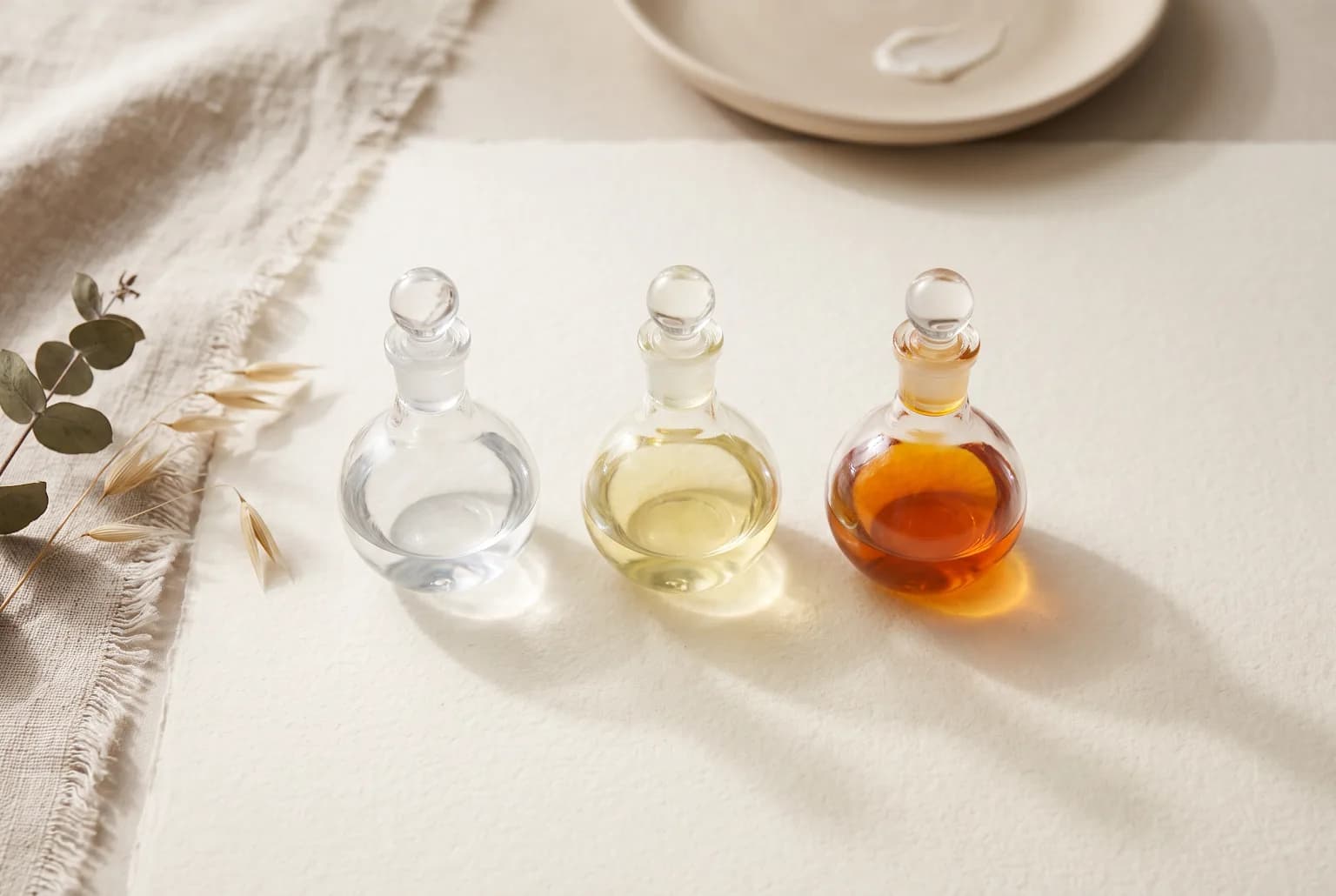
Before applying a questionable serum to your face, inspect it in bright indirect daylight. Do not judge it solely against a photo online: screens alter color, and a formula may begin with a light tint by design. Instead, compare what you see and smell with the product’s own stated appearance, then look for a meaningful change.
Start with color
For an L-ascorbic acid serum, color is the most immediately useful clue. The general progression is clear to pale yellow, then deeper yellow, orange, and brown as oxidation advances. A light yellow serum is not automatically a discard; a deep orange-brown one is a much stronger sign that the formula has degraded.
| What you notice | What it can suggest | Sensible next move |
|---|---|---|
| Clear or nearly clear liquid | May be fresh, if that matches the manufacturer’s description | Continue to store it away from heat and light |
| Pale yellow tint | Can be normal, particularly for a formula that is expected to be lightly tinted | Check the brand’s expected color and monitor it over time |
| Deep yellow, orange, or brown liquid | Oxidation is increasingly likely; deeper color corresponds with more degradation | Consider replacing it, especially if the color is clearly different from when opened |
| Sour, rancid, or unfamiliar smell | Possible formula breakdown | Stop using it and compare with the manufacturer’s guidance |
| New irritation or a texture that no longer seems right | The product may no longer be suitable for use | Discontinue and do not try to “use it up” |
Then check scent and texture
Vitamin C does not need to smell like fresh citrus to be working. What matters is whether the scent has become sour, rancid, or simply unfamiliar relative to the newly opened product. An unexpected odor is more meaningful when it appears alongside substantial darkening.
Texture is a supporting clue, not the headline act. If the serum looks materially different from the brand’s described consistency or no longer behaves as it did when fresh, treat that as a reason to pause rather than layer it under the rest of your routine.
Use this quick decision sequence
- Hold the closed bottle or a small dispensed amount in indirect daylight and assess the color.
- Compare it with the manufacturer’s color and consistency description, if one is available.
- Smell it without pressing your face close to the opening; note a sour, rancid, or unusual change.
- If it is deeply discolored, smells off, causes irritation, or no longer matches the product description, discontinue it rather than forcing a final few applications.
Why color is the clearest clue
L-ascorbic acid is an effective but delicate form of vitamin C in water-based serum formulas. As it oxidizes over time, the visual shift can be quite legible—like a sliced apple becoming progressively darker. The product may become less effective as this degradation occurs, which is why a serum’s color is not merely a cosmetic detail.
That said, a golden tint is not a universal verdict. Some products are formulated with ingredients that lend a pale yellow cast from the outset, while other vitamin C forms have their own natural look. The practical rule is comparison: a color that is dramatically deeper than it was at opening, or that conflicts with a brand’s stated appearance, deserves attention.
Know which vitamin C is in the bottle
The front label may simply say “vitamin C,” but the ingredient form changes the stability conversation. L-ascorbic acid is the format to watch most closely for color change. More stable vitamin C systems can be a practical choice for someone who opens a serum slowly, keeps skincare in a warm bathroom, or prefers a lower-maintenance routine.
- L-ascorbic acid: Often water-based and more vulnerable to oxidation over time; it benefits from thoughtful packaging and storage.
- Ascorbyl tetraisopalmitate: A vitamin C derivative noted for increased stability; often considered by shoppers seeking a less oxidation-prone format.
- Sodium ascorbyl phosphate: Another more stable vitamin C system that can suit a shopper prioritizing ease of storage over the particular appeal of pure L-ascorbic acid.
- L-ascorbic acid with vitamin E and ferulic acid: A classic formulation approach intended to help stabilize L-ascorbic acid, especially when paired with protective packaging.
The tradeoff is not that one format is universally “best.” It is about matching the formula to your habits. If you use a serum every morning and finish it promptly, a pure L-ascorbic acid product may fit neatly. If your skincare shelf is crowded and bottles linger for months, stability-oriented derivatives or smaller formats can be a more considered buy.
Choose a formula built for stability
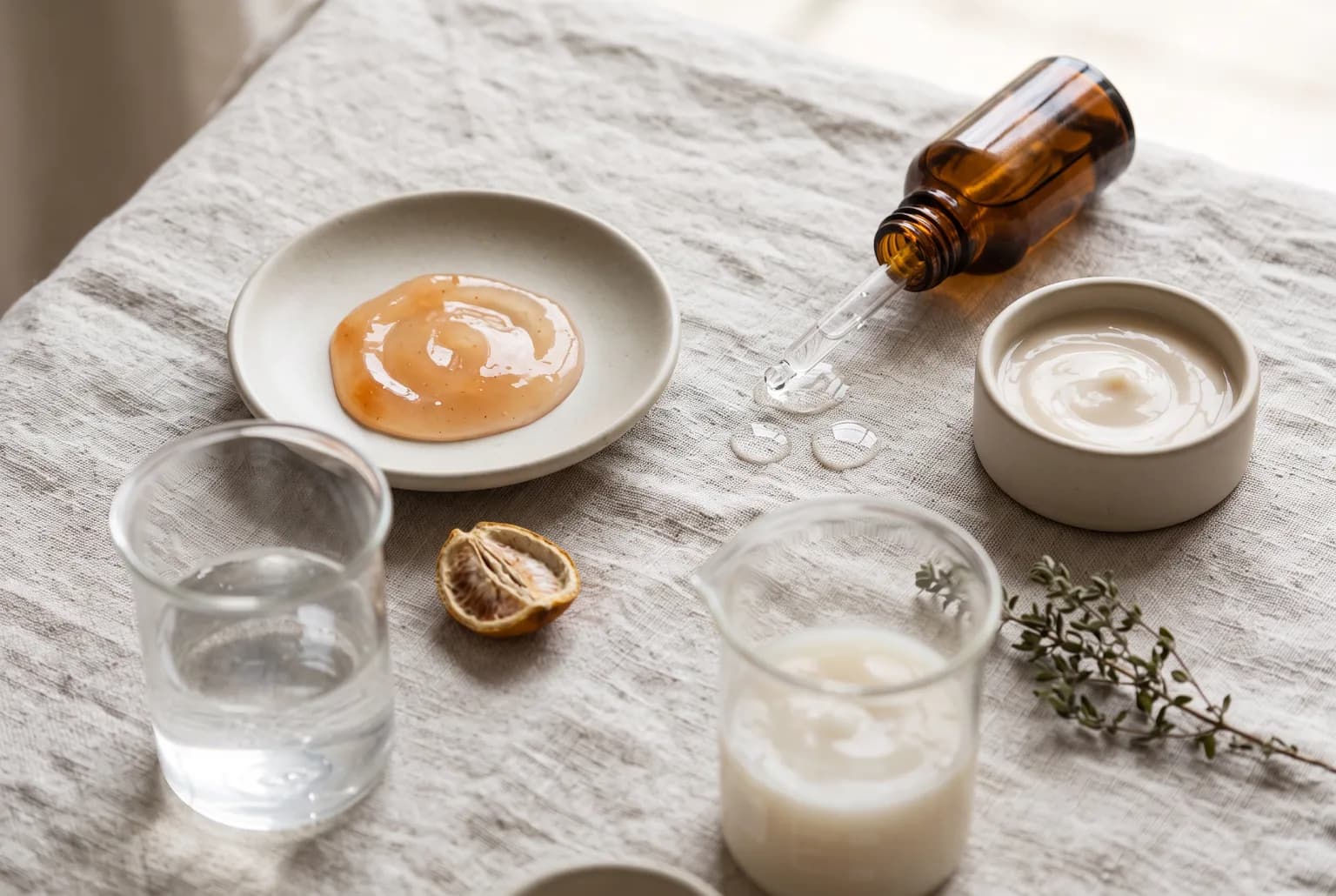
Packaging is part of the formula’s performance story. A clear dropper bottle can look beautiful on a vanity, but it exposes a water-based L-ascorbic acid serum to light and introduces air each time the cap is opened. Opaque packaging and airless dispensers reduce those stressors more effectively.
Small-batch bottles and single-use vials take a different approach: they limit the amount of product sitting open over time. They can be especially appealing for someone who wants a pure L-ascorbic acid serum but uses it inconsistently. The less glamorous consideration is value: a format only makes sense if you can realistically use it before it changes.
| Format | Best for | Tradeoff to weigh |
|---|---|---|
| Clear glass dropper | Shoppers who will use a serum consistently and store it carefully | More exposure to light and air at use |
| Opaque bottle | Those who want straightforward light protection | Still check the formula and open-use guidance |
| Airless pump | Daily routines and people focused on minimizing air exposure | You may not be able to visually inspect the remaining formula as easily |
| Small bottle or single-use vials | Infrequent users or those choosing pure L-ascorbic acid | Can create more packaging or cost more per use |
A smart label-and-package scan
When comparing options, look beyond a high vitamin C percentage or a glossy campaign image. Use these criteria to narrow the field:
- Choose opaque or otherwise light-protective packaging over a clear bottle when buying a water-based L-ascorbic acid serum.
- Consider an airless pump if you want to reduce repeated air exposure from a dropper.
- Look for vitamin E and ferulic acid when considering an L-ascorbic acid formula designed with stabilization in mind.
- Consider ascorbyl tetraisopalmitate or sodium ascorbyl phosphate if long-term stability is your chief concern.
- Check the manufacturer’s expected color, texture, and post-opening directions before purchasing, not only after a problem arises.
Make your serum last longer

Freshness is less about elaborate rituals than reducing the formula’s exposure to heat, light, and air. A cool, dark storage spot is the baseline. A bathroom cabinet may be fine if it stays relatively cool and shaded; a sunny windowsill is not an ideal home for a water-based L-ascorbic acid bottle.
Open-use life varies by formula, so there is no single calendar rule that applies to every serum. Follow the manufacturer’s directions, notice the product’s initial color when first opened, and use your own observation as an ongoing quality check.
Morning routine placement
Vitamin C serums are commonly worked into a morning skincare routine. The goal here is not to pile on products, but to handle the bottle efficiently and get the cap or pump closed again.
- Cleanse, then make sure hands are dry before handling the serum bottle.
- Dispense the amount you need without leaving the bottle open on the counter.
- Apply the serum as directed by its manufacturer, then close the package promptly.
- Continue with the rest of your routine, including sunscreen as appropriate for daytime.
Storage habits that matter
- Keep the serum in a cool, dark place rather than near a window or in direct sunlight.
- Return the cap firmly after each use; do not leave an opened dropper standing beside the sink.
- Avoid storing the bottle where it is routinely exposed to warmth.
- Buy a bottle size that matches how regularly you use vitamin C.
- Treat a marked color shift, off smell, irritation, or a mismatch with the brand’s stated appearance as a cue to stop using the product.
When to replace it
Replace a vitamin C serum when it has turned deep orange or brown, developed a sour or rancid scent, caused irritation, or visibly departed from the manufacturer’s expected color or consistency. Oxidized vitamin C is generally understood to be less effective rather than inherently harmful, but an altered product is not the place to be experimental—especially if your skin is reacting.
Do not try to rescue a darkened serum by refrigerating it after the fact, mixing it into moisturizer, or using a larger amount. Those moves do not reverse oxidation. The useful lesson is for the next bottle: choose a protective format, buy an amount you can finish, and make the first-use color your reference point.
Related reading
- Can You Use Niacinamide With Vitamin C?
- Treatment for Dark Spots on Face: Step-by-Step
- Good Morning Skincare Routine: Simple Steps
Frequently asked questions
Is a yellow vitamin C serum always oxidized?
No. A pale yellow tint may be normal, depending on the formula. Compare it with the manufacturer’s expected color and watch for a progression toward deep yellow, orange, or brown.
Can I use vitamin C serum if it is light yellow?
A light yellow serum may still be acceptable if that is consistent with how the formula is meant to look and it has no off odor or unexpected texture change. When in doubt, the manufacturer’s product guidance is the most relevant reference.
Does a sour smell mean vitamin C has oxidized?
A sour, rancid, or otherwise unfamiliar smell can suggest breakdown, particularly when paired with darkening. It is a sensible reason to discontinue use and assess the product against the brand’s description.
Which vitamin C packaging is best for freshness?
Opaque and airless packaging are useful choices because they help limit light and air exposure. Small bottles or single-use vials can also make sense for pure L-ascorbic acid serums that may sit open for a long time in an infrequent routine.
Sources
- Wikipedia: Chemistry of ascorbic acid
- Consumer and dermatology guidance on vitamin C stability, Dermcaseexample.org
- Reddit skincare community discussions on vitamin C oxidation
Clear guidance, checked before publication.
Solvi articles are structured by our editorial team and reviewed for clarity, consistency, and responsible health language. We update pages when guidance or product information changes.

Iris Kim
Advanced Skincare Writer. Iris happily gets lost in retinoids, peptides, face oils, and emerging actives. Her goal is to make advanced skincare feel considered and understandable instead of intimidating.