Azelaic Acid for Facial Redness: The Evidence-First Guide to Calmer-Looking Skin



Azelaic acid can help reduce facial redness associated with rosacea and inflammatory acne, particularly in evidence-backed 15% to 20% topical formulations. It is not an overnight de-redder or a fix for visible broken vessels, but it can be a smart, relatively gentle long-game active when redness arrives with bumps, pimples, or post-inflammatory marks.
The useful question is less “Is azelaic acid good for redness?” than “What kind of redness am I treating?” If your cheeks flush around heat, wine, workouts, or spicy food; if you have persistent redness with acne-like bumps; or if blemishes leave red or darker marks behind, this ingredient has a credible place in the conversation. The right format, frequency, and a deliberately unexciting routine matter as much as the percentage on the label.
What Azelaic Acid Can—and Cannot—Do for Redness
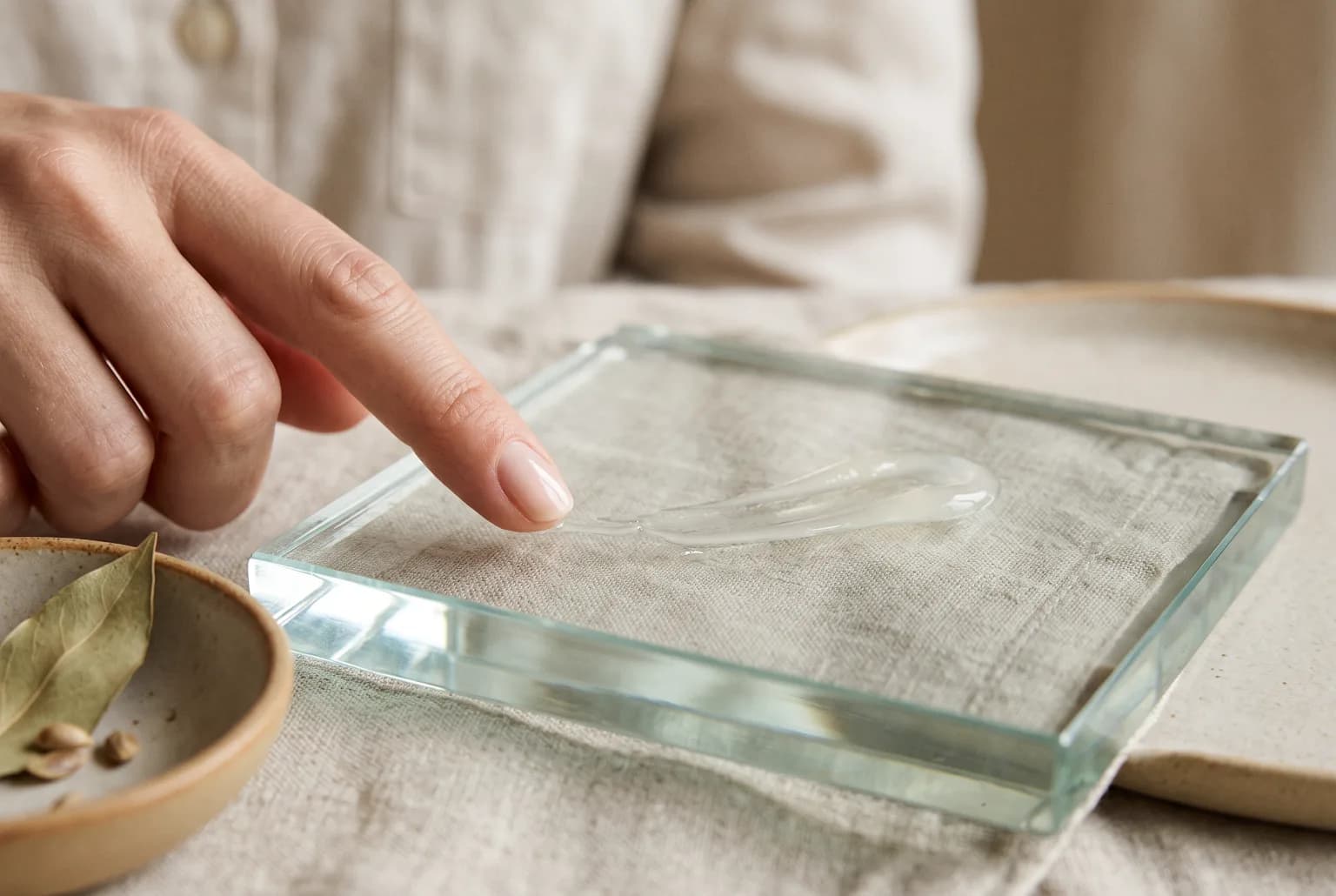
Azelaic acid is a naturally occurring dicarboxylic acid used in topical skin treatments. In rosacea research, 15% gel and 20% cream formulations have been studied for reducing erythema and inflammatory lesions—those red bumps and pustules that can accompany facial redness. A 2023 systematic review in the *Journal of Cosmetic Dermatology* found support for azelaic acid in rosacea treatment, while broader evidence reviews position it among established topical options.
Its appeal is its range of activity. Azelaic acid is described as anti-inflammatory and antimicrobial, and it inhibits tyrosinase, an enzyme involved in pigment production. That last mechanism is why the ingredient can be relevant when acne leaves behind lingering discoloration, including in deeper skin tones where post-inflammatory color change may be especially persistent.
What it may be well suited to:
- Persistent redness with rosacea-type papules and pustules.
- Acne that looks inflamed, red, and prone to leaving marks.
- A routine that needs one active with anti-inflammatory and tone-evening relevance.
- Sensitive-feeling skin that has found stronger exfoliating acids or retinoids difficult to use consistently.
What it is less likely to change on its own:
- Fixed, threadlike visible vessels, often called telangiectasia.
- A sudden rash, swelling, pain, or new severe irritation, which deserves medical evaluation rather than an at-home ingredient experiment.
- Flushing triggers that are individual and situational, although a clinician can help build a wider rosacea plan.
For visible vessels, procedural approaches such as laser or light-based treatment are often part of the discussion with a dermatologist. In other words: azelaic acid can be a valuable part of redness care, but it is not a universal “calm” button.
Why It Earns a Place in a Redness Routine
Redness-prone routines tend to fail through accumulation. A brightening serum, an exfoliating toner, a retinoid, a scrub, and a fragranced moisturizer can each seem reasonable in isolation; together, they may create a cycle of stinging and retreat. Azelaic acid earns its place because it can target several visible concerns without requiring an aggressively layered routine.
For rosacea with inflammatory lesions, prescription-style strengths have the clearest research footing. The evidence base includes comparisons with other established rosacea treatments, such as metronidazole and ivermectin, but treatment choice is not merely a contest between actives. Rosacea phenotype, lesion type, tolerability, access, cost, and a clinician’s judgment all shape the best option.
A useful expectation is gradual change. Trials commonly assess results around 12 weeks, not after a few applications. That makes this ingredient best for someone willing to use a thin layer consistently, then assess their skin in a steady light rather than chasing daily fluctuations.
| If your redness looks like... | Azelaic acid may be a sensible discussion point when... | Keep expectations grounded because... |
|---|---|---|
| Persistent central facial redness with bumps | You have rosacea-like papules or pustules alongside erythema | Flushing and background redness may improve gradually and unevenly |
| Inflamed acne | Breakouts are red, tender-looking, and leave lingering marks | It is not a spot-treatment substitute for every acne plan |
| Post-inflammatory redness or discoloration after acne | You want one active that also has a tone-evening mechanism | Marks fade on their own timeline and require daily sun protection |
| Prominent tiny red vessels | You also have inflammation or acne-like lesions | Vessels themselves usually need a different approach |
Choosing a Formula: Strength, Vehicle, and Access
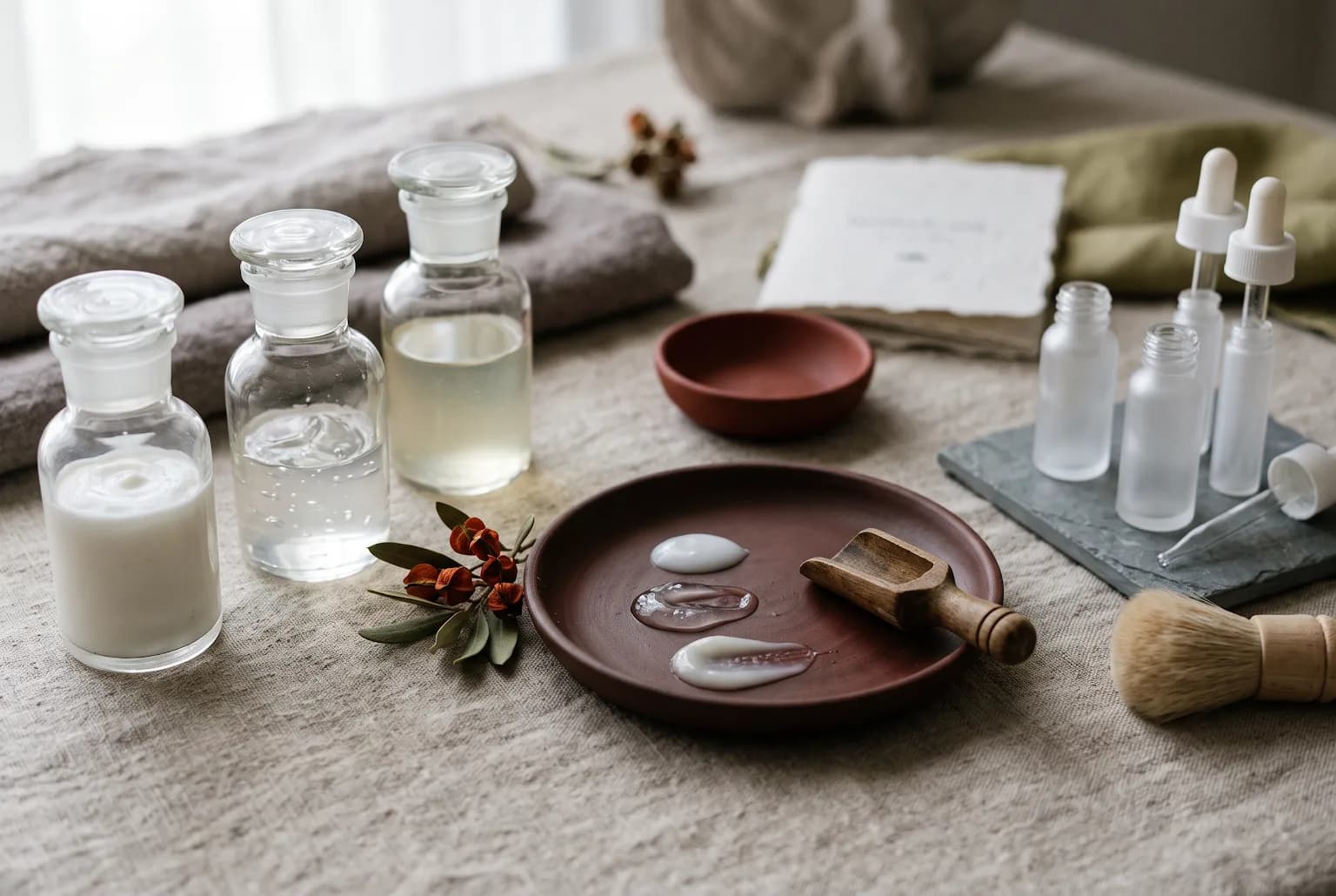
The percentage is important, but the base is not a footnote. A gel can feel weightless and quick-drying on oilier skin, while a cream may feel more comfortable for someone whose barrier feels dry or easily tight. The “best” option is the one you can apply in a thin, regular layer without persistent burning or peeling.
The clearest evidence for rosacea centers on 15% gel and 20% cream. Lower-strength over-the-counter serums may be reasonable for people seeking a maintenance-style product or testing their tolerance, but they should not be assumed to perform identically to the studied prescription formulations. Product labels also vary in vehicle, supporting ingredients, and instructions.
| Format | Who may prefer it | Texture and layering tradeoff | What to review before buying |
|---|---|---|---|
| 15% azelaic acid gel | Combination or oilier skin; people who prefer a lighter finish | Often feels light under moisturizer, but can feel drying on compromised skin | Prescription access, directions, and whether the finish pills under sunscreen |
| 20% azelaic acid cream | Normal to dry skin; people who prefer more cushion | More emollient feel can be comfortable, though it may feel richer in heat | Prescription access and compatibility with your daytime sunscreen |
| Lower-strength OTC serum | Beginners or maintenance-minded users | Usually designed for easy cosmetic layering, with formula-dependent slip | Actual percentage, fragrance, added exfoliants, and return policy |
When comparing formulas, use practical criteria rather than treating the most expensive serum as inherently more effective:
- Choose a vehicle that matches your skin’s current feel: light gel for shine-prone skin, creamier texture for dryness or tightness.
- Favor a short, straightforward routine during the first few weeks, especially if you already use a retinoid, benzoyl peroxide, or exfoliating acids.
- Check whether a product combines azelaic acid with other strong actives; a multitasker can be convenient, but it complicates troubleshooting.
- Consider prescription evaluation if rosacea symptoms are persistent, bothersome, or paired with eye irritation.
Build a Low-Drama Routine
Start with less frequency than your ambition suggests. Burning, tingling, dryness, and itching can occur, particularly at the beginning. A patch test is sensible for very reactive or eczema-prone skin, and a slower introduction makes it easier to tell whether the formula agrees with you.
How to use
- Cleanse with a mild cleanser and pat skin dry; avoid scrubbing or very hot water.
- Apply a thin, even layer of azelaic acid to the areas directed by the product label or your clinician, rather than repeatedly dotting extra product onto the reddest patches.
- Follow with a simple moisturizer if your skin feels dry, tight, or prickly.
- In the morning, finish with broad-spectrum sunscreen. Sun protection is useful for redness and for minimizing the contrast of lingering post-inflammatory marks.
Morning
If you prefer daytime application and the product directions allow it, keep the lineup spare:
- Gentle cleanser or a water rinse, depending on your skin.
- Azelaic acid in a thin layer.
- Moisturizer as needed.
- Broad-spectrum sunscreen as the final skincare step.
Evening
An evening routine can be easier if you dislike the feel of an active under sunscreen or makeup:
- Gentle cleanse.
- Azelaic acid, starting a few nights per week if you are sensitive.
- Moisturizer.
- On alternate nights, consider whether other prescribed or well-tolerated actives belong in the routine—but introduce only one change at a time.
The early goal is comfort and consistency, not intensity. If your skin is already using a retinoid, strong acid exfoliant, or benzoyl peroxide, avoid launching everything at once. Once you know azelaic acid is comfortable, a dermatologist can help determine whether a more complex plan is appropriate.
Skip if
Pause the experiment and seek personalized guidance if any of the following applies:
- You develop marked swelling, hives, blistering, or severe persistent burning.
- Your facial redness is new, rapidly changing, painful, or accompanied by eye symptoms.
- You are trying to manage multiple prescription products and cannot tell which one is irritating your skin.
- You have eczema-prone skin with an active flare or broken, raw areas where nearly any active is likely to sting.
When It Is Not the Right Tool
Azelaic acid is often framed as a sensitive-skin active, but “gentle” is not a guarantee of zero sensation. A brief tingle can happen; ongoing discomfort is a signal to reduce frequency, simplify the surrounding routine, or stop and consult a clinician. The goal is not to push through irritation in pursuit of a clearer complexion.
It may also be the wrong primary strategy when the issue is predominantly vascular. If redness appears as stable fine vessels, procedural treatments are typically more relevant than topical skincare. If the pattern is mostly trigger-based flushing, identifying patterns and discussing a phenotype-based rosacea plan with a dermatologist may be more productive than adding more products.
Finally, do not let a promising ingredient obscure the basics. Mild cleansing, moisturization that your skin tolerates, and sunscreen are not glamorous, but they reduce the noise around an active treatment. Azelaic acid works best as one composed element in that framework—not as a frantic addition to an already crowded shelf.
Related reading
- The Ordinary Serum for Dark Spots: Formula Guide
- Treatment for Dark Spots on Face: Step-by-Step
- Best Facial Exfoliator for Sensitive Skin
Frequently asked questions
How long does azelaic acid take to help facial redness?
Results are gradual. Rosacea studies commonly evaluate outcomes at about 12 weeks, so think in weeks rather than days. Tolerability and consistent use affect whether you can fairly judge it.
Is 10% azelaic acid enough for redness?
Lower-strength OTC formulas can be a practical entry point or maintenance option, but 15% gel and 20% cream are the formulations specifically highlighted in the rosacea evidence base. A lower percentage should not be considered interchangeable with a studied prescription formula.
Can I use azelaic acid with a retinoid or exfoliating acid?
Many people use multiple actives in a broader regimen, but combining strong products immediately can increase dryness and irritation. Introduce one product at a time, consider alternating nights, and ask a dermatologist for a plan if you are treating rosacea or persistent acne.
Does azelaic acid remove broken capillaries?
No topical should be expected to remove visible facial vessels. Azelaic acid may help inflammatory redness and bumps, while persistent vessels generally call for a discussion of procedural options with a qualified dermatologist.
Sources
- Journal of Cosmetic Dermatology — Systematic review of azelaic acid for rosacea (2023)
- PMC — Network meta-analysis of rosacea treatments
- PMC — Interventions for rosacea and a phenotype-based approach
Clear guidance, checked before publication.
Solvi articles are structured by our editorial team and reviewed for clarity, consistency, and responsible health language. We update pages when guidance or product information changes.

Iris Kim
Advanced Skincare Writer. Iris happily gets lost in retinoids, peptides, face oils, and emerging actives. Her goal is to make advanced skincare feel considered and understandable instead of intimidating.