Laser Treatment for Dark Spots: The Smart Way to Match the Laser to the Pigment



Laser treatment for dark spots can make sense when a qualified provider has identified what kind of pigment you have and selected a device accordingly. For discrete brown spots, pigment-selective Q-switched Nd:YAG or picosecond lasers are often considered; for mixed pigment and texture concerns, fractional approaches may enter the conversation.
The catch: “dark spots” is a shopping term, not a diagnosis. A sharply defined brown sun spot, post-inflammatory hyperpigmentation (PIH), and diffuse melasma can all look like variations on the same concern in a bathroom mirror, yet they do not share one low-risk laser plan. The premium move is to spend less time chasing a device name and more time asking for a pigment classification, a skin-tone-specific risk plan, and a realistic maintenance strategy.
The Five-Minute Laser Decision

Start with the pattern, not the platform. Lasers work through selective heating of pigment or through fractional resurfacing, and the relevant tradeoff is precision versus intensity: a targeted pigment laser may suit a discrete spot, while a resurfacing laser may address a broader mix of pigment and texture but brings more recovery considerations.
| What you see | Laser category commonly considered | Why it may be discussed | Central tradeoff |
|---|---|---|---|
| Individual, clearly bounded brown spots | Q-switched Nd:YAG (532/1064 nm) or a picosecond laser | These are pigment-selective options for focal epidermal spots | Sessions and settings need to match the spot and skin phototype |
| Uneven pigment with texture concerns | Non-ablative fractional 1550 nm laser | Fractional treatment may be considered for mixed or deeper pigment and texture | Results may require multiple sessions and ongoing pigment care |
| Resistant deeper lesions | Ablative CO2 or Er:YAG laser | These more intensive resurfacing options may be considered for refractory concerns | Greater downtime and a higher-risk recovery conversation |
| Diffuse, relapsing facial discoloration consistent with melasma | Low-fluence laser toning may be discussed in select plans | It is used for diffuse melasma in some settings | Recurrence risk is significant; laser is not generally first-line |
An in-person assessment should determine whether the pigment is epidermal, dermal, or mixed. That classification helps set expectations: it is more useful than choosing a laser because it is trending, or because a friend with a different skin tone had a good experience.
Best for
- A person with a provider-identified, discrete epidermal brown spot who wants a targeted in-office option.
- Someone with a combined concern—uneven tone plus texture—who accepts that a fractional treatment plan may be less of a one-and-done proposition.
- A patient prepared to use daily sunscreen and a clinician-approved pigment-maintenance routine before and after treatment.
Skip if
- You are seeking a guaranteed or permanent answer for melasma, which commonly recurs.
- The consultation does not include a discussion of your Fitzpatrick skin type and PIH risk.
- The provider cannot clearly explain what they are treating, which laser they plan to use, and what recovery will look like.
Match the Laser Category to the Job
Q-switched and picosecond lasers are the names most likely to surface when the concern is a specific brown mark. Q-switched Nd:YAG lasers are available at 532 nm and 1064 nm; picosecond devices are also pigment-selective options. In a commercial consultation, the meaningful question is not which name sounds more advanced—it is why that wavelength, pulse approach, and setting fit the pigment in front of the provider.
Non-ablative fractional 1550 nm treatment shifts the conversation from a single pigment target to a grid-like fractional approach that may be considered when pigment is mixed, deeper, or accompanied by texture. It is a different value proposition: less about erasing one tiny point of color and more about a broader treatment plan with repeat visits and careful aftercare.
Ablative CO2 and Er:YAG lasers are on the more intensive end. They may be considered for refractory deep lesions, but the potential for greater downtime should be treated as core cost—not an inconvenient footnote. If fast social recovery is non-negotiable, say so before a provider builds the treatment plan.
The questions that turn a device menu into a real plan
- Is my pigment thought to be epidermal, dermal, or mixed?
- Is this a focal spot issue, diffuse melasma, PIH, or a combination?
- Why is this laser category preferable to the other options for my skin phototype?
- What setting or fluence philosophy will be used to reduce PIH risk?
- How many sessions might be needed, and what maintenance is planned after the initial series?
- What downtime, visible healing, and pigment changes should I consent to before treatment?
The Skin Tone and PIH Conversation

Fitzpatrick skin type belongs at the center of laser selection, not at the bottom of an intake form. Darker skin types have a higher risk of post-inflammatory hyperpigmentation, meaning the very inflammation created by treatment can lead to additional discoloration. That does not automatically rule out laser treatment for dark spots; it makes conservative fluence, device selection, preparation, and an experienced operator especially important.
A provider should be candid about whether a proposed treatment targets pigment selectively or creates controlled fractional injury. Both descriptions matter because they affect the risk-and-recovery calculation. The right plan is not necessarily the most aggressive one; in higher-PIH-risk skin, restraint can be a feature of good technique.
What informed consent should cover
- Your individual likelihood of PIH based on skin phototype and the nature of the pigment.
- The possibility that pigment may temporarily look darker or that discoloration may recur.
- Whether conservative settings are planned and whether treatment will be staged over multiple sessions.
- The expected recovery window, including what you should avoid and how you will support the skin barrier.
- The topical regimen and sun-protection plan before and after the procedure.
Melasma Is Its Own Category
Melasma deserves a separate lane because it is diffuse, often recurrent, and particularly prone to disappointment when lasers are positioned as a simple removal service. Low-fluence “laser toning” is used for diffuse melasma, but recurrence is a key concern, and clinical reviews do not position lasers as first-line treatment for the condition.
That does not mean a laser conversation is off-limits. It means the conversation should be exacting: why use a laser now, what topical depigmenting support is planned, how will sun exposure be managed, and what happens if discoloration returns? A clinic selling a laser series without a maintenance plan is selling only part of the picture.
A practical way to compare quotes
- Ask whether the quote covers only procedures or also pre-treatment and maintenance topical care.
- Ask whether follow-up visits are included if the pigment response requires reassessment.
- Compare the provider's proposed plan for recurrence, not just the per-session price.
- Treat broad claims of “permanent removal” with caution, particularly for melasma.
The Maintenance Plan That Protects Your Investment
Topicals are not an optional accessory to an in-office laser plan. The available clinical guidance supports pairing laser treatment with depigmenting agents to help reduce recurrence, alongside diligent sunscreen use. In practice, this may mean a provider recommends hydroquinone or azelaic acid in a tailored routine, with sunscreen as the daily finish.
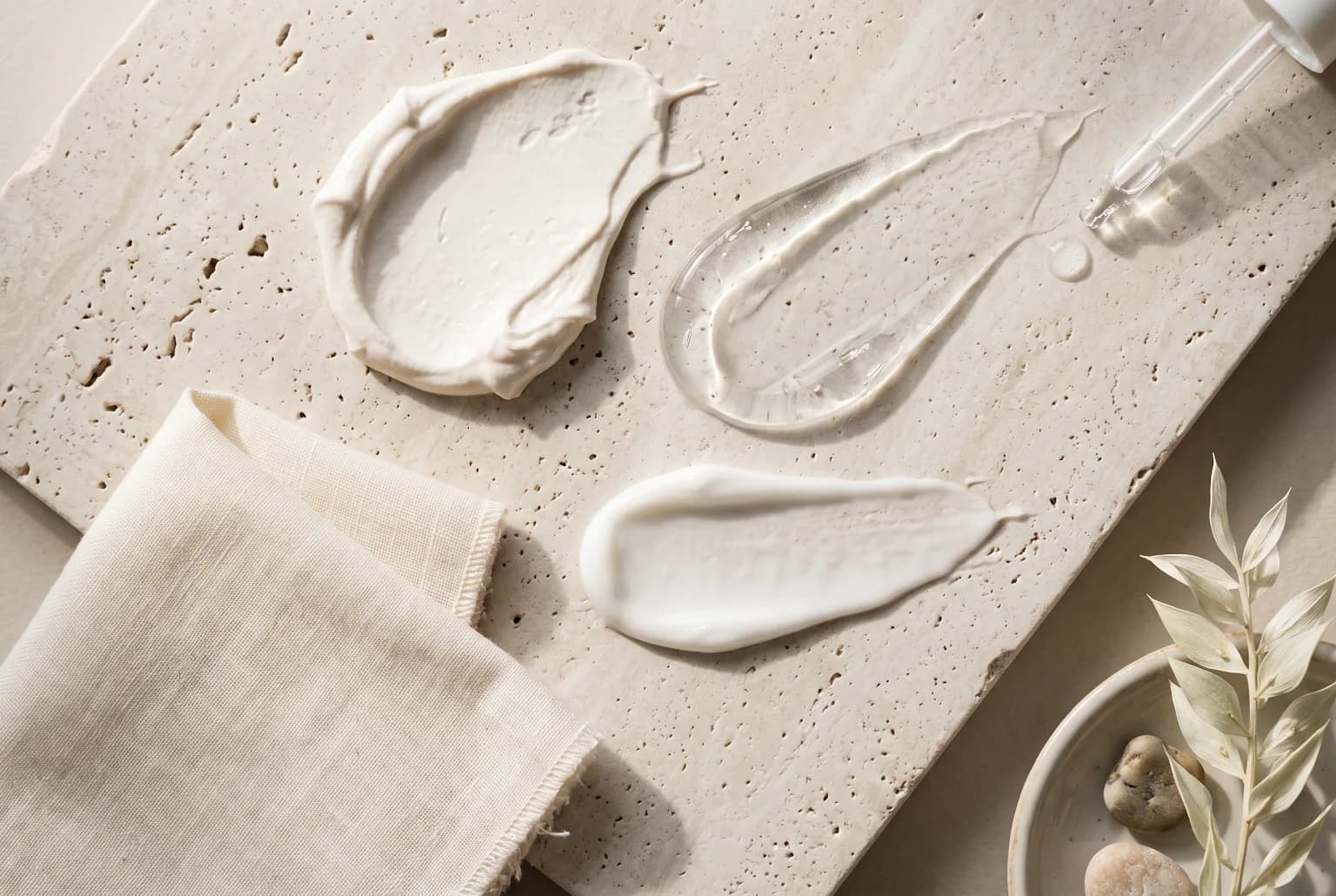
Texture matters because it determines whether the routine is livable. Azelaic acid is often found in cream or gel formats; a cream format can feel more cushioning, while a gel may feel lighter under daytime layers. Hydroquinone products vary by formula and should be used according to a clinician's direction, especially when paired with a procedure.
Morning
- Cleanse as gently as your provider recommends during the treatment window.
- Apply any clinician-directed pigment treatment in the instructed order and amount.
- Finish with sunscreen every day; this is essential before and after laser treatment for dark spots.
Evening
- Remove sunscreen and cleanse without adding friction to sensitized skin.
- Use the provider-directed depigmenting product only as instructed.
- Apply the recommended supportive moisturizer or barrier-focused layer if it is part of your plan.
What to review before buying a topical
- Active ingredient and concentration, rather than a vague “brightening” promise.
- Vehicle: cream for a richer feel, gel for a lighter feel, and whether it layers comfortably with sunscreen.
- Directions from the clinician performing the laser, since timing around treatment matters.
- The role of the formula in maintenance, not merely in the first few weeks after a procedure.
How to Choose a Laser Provider
For a procedure where settings can matter as much as the device, provider experience and specificity are decision criteria. Look for a consultation that makes room for uncertainty rather than forcing every concern into a preselected package. You are paying for judgment: the ability to distinguish focal spots from melasma, calibrate for skin tone, and change course when the response is not straightforward.
Bring this consultation checklist
- Clear photos showing the pigment over time, if you have them, plus a list of current topical products.
- Your top priority: spot treatment, all-over tone, texture, minimal downtime, or managing recurrence.
- Questions about the exact device category, expected session count, recovery, and topical preparation.
- A request for an explicit PIH-risk discussion if you have a darker skin tone or a history of dark marks after irritation.
The most compelling laser plan may be a modest one: targeted treatment for truly focal spots, a conservative approach for higher-risk skin, or a decision to prioritize topical management for diffuse melasma. The goal is not to find the strongest laser. It is to find a plan whose mechanism, recovery, and maintenance requirements match the pigment—and your real life.
Related reading
- Best Treatment for Facial Hyperpigmentation
- Treatment for Dark Spots on Face: Step-by-Step
- Best Sunscreen for Melasma: Why Tinted SPF Wins
Frequently asked questions
Which laser is best for dark spots on the face?
For discrete epidermal brown spots, Q-switched Nd:YAG or picosecond lasers are commonly considered. The best fit depends on pigment depth, the pattern of discoloration, and skin phototype.
Can laser treatment make dark spots worse?
It can carry a risk of post-inflammatory hyperpigmentation, especially in darker skin types. Conservative fluence, skilled treatment selection, sunscreen, and topical preparation are central risk-reduction steps.
Is laser treatment a permanent fix for melasma?
No laser plan should be framed as a permanent fix for melasma. Recurrence is common, and maintenance topical therapy plus sun protection remain important.
How many laser sessions will I need?
That depends on the lesion type, device, settings, response, and whether pigment is focal or mixed with deeper discoloration. Ask for a session estimate and a maintenance plan during consultation rather than assuming a single visit will be sufficient.
Sources
- European Society of Laser in Dermatology — Laser Treatment Position Statement
- Clinical Review: Melasma Treatments Including Lasers
- Delight Dermatology — Laser Options and Risk Information
Clear guidance, checked before publication.
Solvi articles are structured by our editorial team and reviewed for clarity, consistency, and responsible health language. We update pages when guidance or product information changes.

Iris Kim
Advanced Skincare Writer. Iris happily gets lost in retinoids, peptides, face oils, and emerging actives. Her goal is to make advanced skincare feel considered and understandable instead of intimidating.