How to choose the right hyperpigmentation cream for your skin


Topical creams for hyperpigmentation include prescription hydroquinone (potent but time-limited), over-the-counter or prescription azelaic acid, and adjunct brighteners such as kojic acid, tranexamic acid, niacinamide, and vitamin C. Use leave-on formulations rather than wash-offs, combine compatible actives when appropriate, and enforce daily broad-spectrum sunscreen to prevent recurrence. This guide helps you match a hyperpigmentation cream to the type of dark spot, skin tone, and lifestyle tradeoffs.
For long-term management or sensitive skin, azelaic acid, niacinamide, tranexamic acid, and well-formulated vitamin C creams are safer, lower-irritation choices.
Assess the type of hyperpigmentation
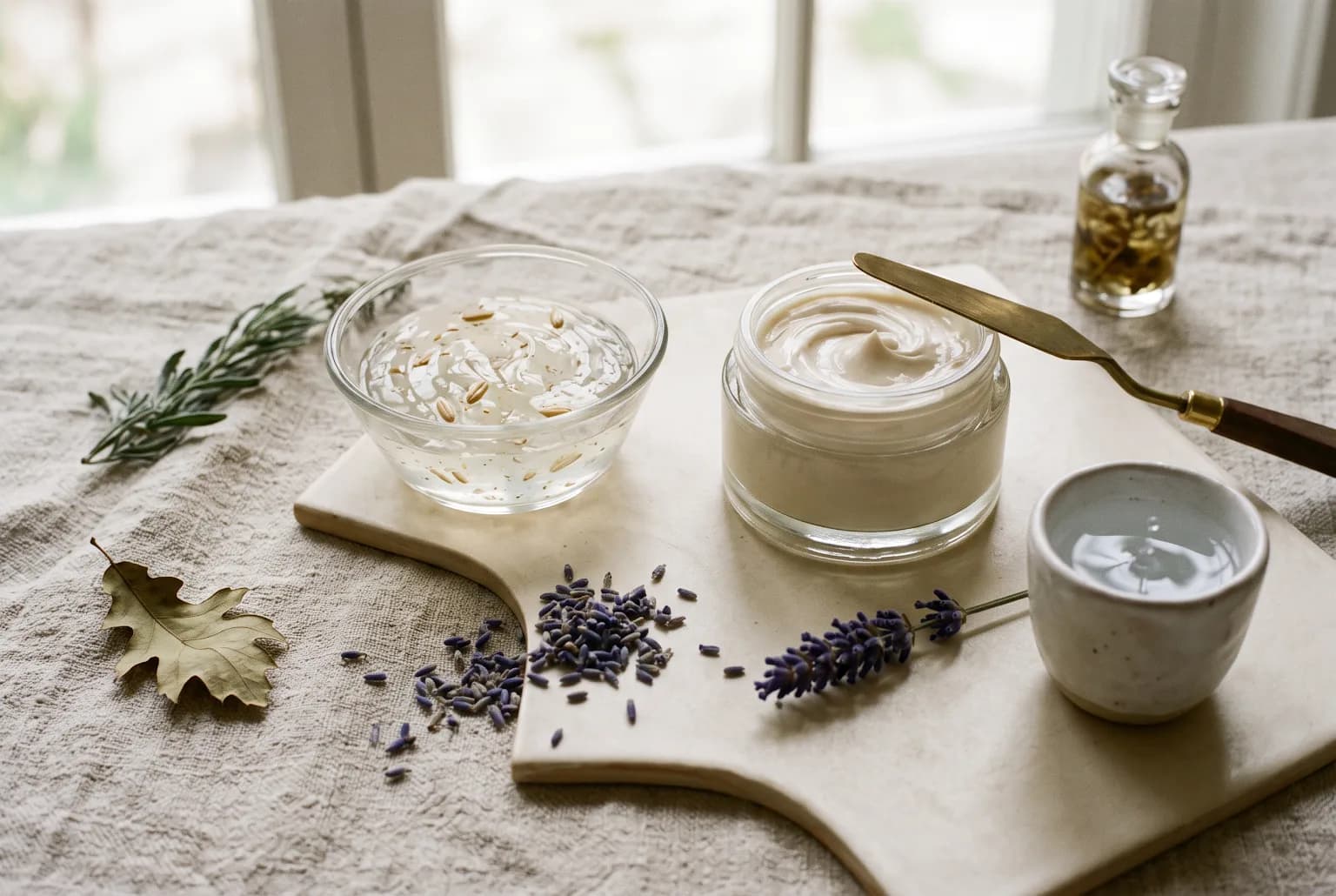
Solar lentigines (sun spots) are well-demarcated brown spots typically resistant to mild OTC brighteners and may benefit from in-office procedures if topical results stall.
Skin tone matters: deeper tones can develop darker, longer-lasting PIH and are also at slightly greater risk of post-treatment hyperpigmentation after aggressive procedures. That means safer, lower-irritation actives and slow escalation often win. Also consider trigger control: hormonal contributors, photosensitizing medications, and ongoing sun exposure all change the choice of a cream.
Match active ingredient to cause and skin tone
Kojic acid has tyrosinase-inhibiting activity but may be more irritating for some.
Prescription hydroquinone (commonly at 4% or combined in triple regimens) remains the most potent topical brightener for recalcitrant melasma and some PIH, but it's intended for limited courses because of risks like exogenous ochronosis with prolonged unsupervised use. Patient skin tone shifts the risk–benefit calculus: darker skin tones often respond well to non-hydroquinone pathways to avoid paradoxical darkening from irritation. For more on choosing a cream format for facial dark spots, see our buyer’s guide The smart buyer’s guide to creams for dark spots on the face.
Understand strengths, safety, and when to prescribe
Compare actives by potency and practical safety. Hydroquinone is effective but intended as a short-term prescription (4–8% preparations or part of triple-combination creams) and requires close supervision; prolonged unsupervised use raises ochronosis risk. Azelaic acid (10–20%) sits in a safer middle ground: effective, anti-inflammatory, and suited to long-term maintenance. Tranexamic acid is emerging as a tolerable option for melasma and stubborn patches. Kojic acid and vitamin C are useful adjuncts but can irritate sensitive skin.
Below is a concise comparator table to orient decisions by type, typical strengths, and tradeoffs. Use this as a quick triage before selecting a leave-on cream.
| Active | Typical topical strength | Best for | Main tradeoffs |
|---|---|---|---|
| Hydroquinone | Prescription 4–8% | Recalcitrant melasma, stubborn PIH | Most potent; time-limited, supervision needed |
| Azelaic acid | 10–20% | PIH, acne-related dark spots, melasma maintenance | Lower irritation; slower than hydroquinone |
| Tranexamic acid | 2–5% (topical) | Melasma, vascular-driven discoloration | Emerging evidence; good tolerability |
| Kojic acid / Vitamin C | Variable | Adjunct brightening, antioxidant benefits | Potential irritation; stability concerns (vitamin C) |
| Niacinamide | 2–5% | Maintenance, reduces pigment transfer | Gentle, slower acting |
For serious melasma, consider referral or shared care with a clinician who can prescribe hydroquinone or discuss procedural adjuncts. For nightly regimens intended for months or years of use, prioritize azelaic, niacinamide, or tranexamic-based creams for safety and tolerability. Our layered treatment plan explains how to start with conservative actives and step up when necessary in a controlled way: see The Best Treatment for Hyperpigmentation on the Face Is a Layered, Low-Irritation Plan.
Choose formulation and texture for layering
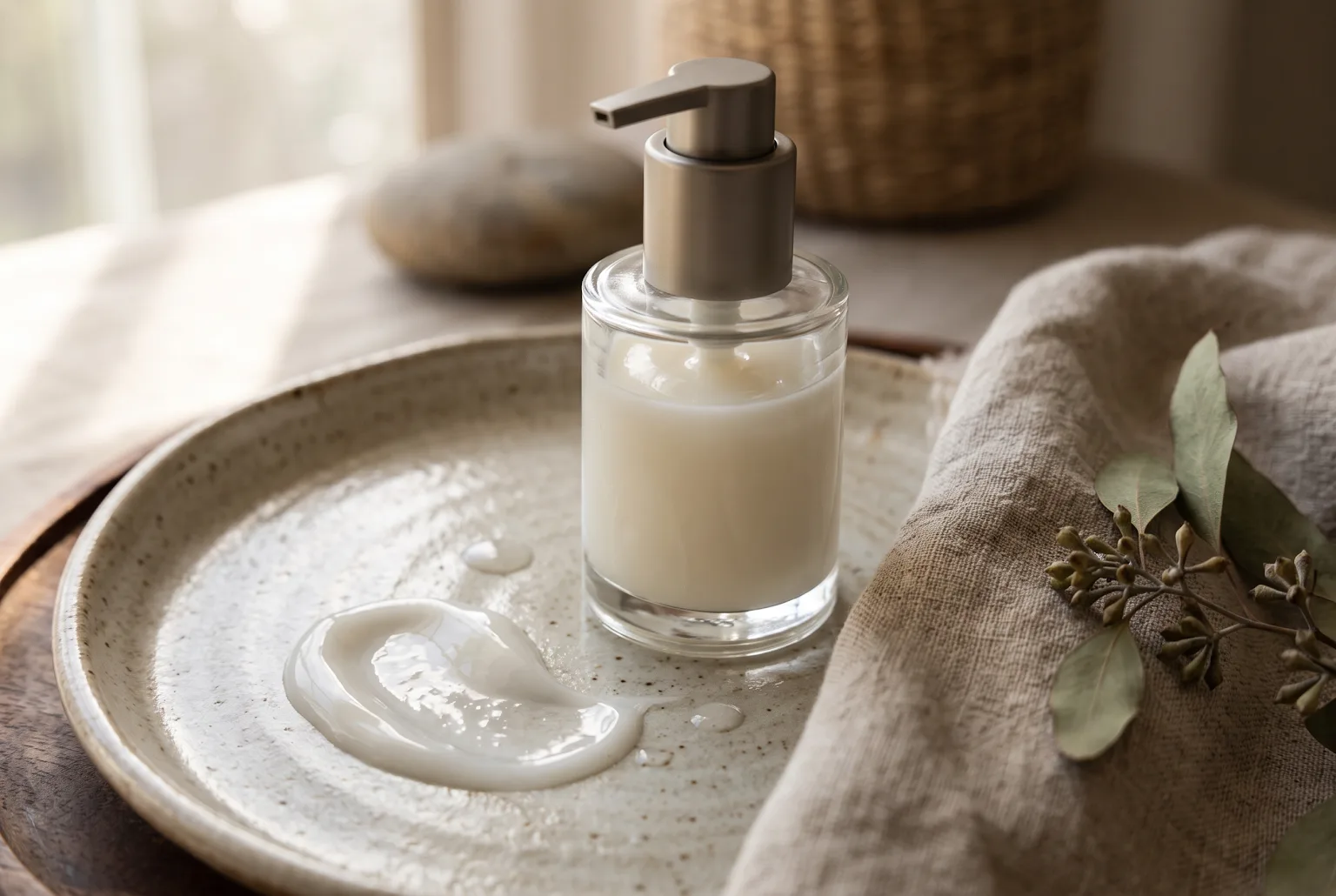
Texture and delivery change real-world adherence and outcomes. Creams and leave-on serums provide sustained skin contact and are preferred over wash-offs. Lightweight lotions and serums work better under sunscreen and makeup for oily or combination skin; richer creams suit dry skin and allow occlusion of actives that benefit from longer contact. Vehicle matters: hydroquinone is often in creams or gels that deliver a steady dose, while azelaic acid shows up in gels, creams, and foam formats—pick the texture that you'll use consistently.
Tradeoffs: thicker creams can improve penetration for some actives but may pill under multiple layers, while thin serums may layer cleanly but feel less hydrating. If irritation is the limiting factor, choose a cream with emollients and barrier-supporting ingredients (ceramides, glycerin) to reduce flaking and secondary PIH. Think about seasonal shifts: switch textures with humidity and sunscreen weight so your morning SPF applies and sits well over the brightening layer.
For more on matching textures to lifestyle and makeup, our piece on tretinoin layering addresses the real timeline for visible change: Tretinoin Cream Before and After Dark Spots.
Build a daily routine: layering, combinations, and SPF
A practical routine keeps actives effective and skin calm. Morning: gentle cleanser, antioxidant/brightening serum or cream (vitamin C or niacinamide), broad-spectrum SPF 30–50 every morning, and a lightweight moisturizer if needed. Evening: cleanse, apply targeted hyperpigmentation cream (azelaic, tranexamic, or prescribed hydroquinone protocol), then a reparative moisturizer. Introduce new actives one at a time with 2–3 nights between additions so you can identify irritants.
Combination rules: avoid stacking two strong exfoliants or sensitizers at night (for example, high-strength retinoids and high-concentration vitamin C simultaneously) without guidance; irritation is the fastest path to more pigment. If you use tretinoin for turnover, apply it on alternate nights initially; pair it with niacinamide or azelaic acid rather than more acidic brighteners to reduce stinging. Always reapply SPF midday if outdoors.
Practical buying checklist and decision examples

When shopping for a hyperpigmentation cream, evaluate these concrete criteria: active ingredient(s) and their concentrations, formulation type (leave-on cream/serum vs wash-off), supporting ingredients (anti-inflammatory emollients vs alcohol-drying bases), packaging (airless pump for unstable vitamin C), and whether the product is intended for long-term maintenance or short-course correction.
Here are three decision examples to make the choice explicit:
- If you have recent acne PIH on oily skin and low tolerance for irritation: choose a 10–15% azelaic acid gel or cream with niacinamide and lightweight emollients.
- If you have symmetric melasma that failed OTC brighteners: discuss a short supervised course of prescription hydroquinone or a clinician-delivered triple-combination, and pair with strict daily SPF and tranexamic acid maintenance afterward.
- If you want a low-risk long-term option with gentle brightening: pick a niacinamide-forward cream plus a stable vitamin C in the morning and azelaic acid at night as needed.
Shopping checklist:
- Confirm the active and concentration on the label
- Look for a leave-on vehicle and non-irritating base
- Check packaging stability (airless pumps for vitamin C)
- Plan to layer with SPF daily
When to step up: professional options and retreatment rules
If a thoughtful topical program—consistent use of a leave-on cream, layered routine, and strict photoprotection—fails after 3–4 months, consider stepping up. Escalation options include prescription hydroquinone protocols, in-office procedures (chemical peels, targeted laser), and supervised combination therapy. Remember that aggressive professional procedures carry reinjury risks, especially in darker skin tones, so choose centers experienced in treating a range of skin tones.
Retreatment rules: stop or pause irritants that cause flares; return to a gentle maintenance cream and reintroduce actives slowly. For melasma, maintenance therapy is often lifelong to keep recurrence at bay, and tranexamic or azelaic-based creams can reduce flare frequency. If you pursue lasers or peels, coordinate topical actives with the treating clinician—some actives should be paused before procedures to reduce complications.
Frequently asked questions
How long does it take a hyperpigmentation cream to show improvement?
Topical improvement typically appears between 8–12 weeks for milder PIH with consistent daily use and proper photoprotection. More stubborn melasma can take longer and may require escalation to prescription combinations or adjunct procedures; expect a realistic timeline of 3–6 months for visible shifts, and maintenance afterward to prevent recurrence.
Is hydroquinone the only effective option for dark spots?
No. Hydroquinone is among the most potent topical brighteners and useful for recalcitrant melasma, but azelaic acid, tranexamic acid, niacinamide, kojic acid, and vitamin C are effective alternatives or adjuncts. Choose based on the mark's cause, skin tone, and tolerance for potential irritation.
Can I layer vitamin C with azelaic acid or tretinoin?
Vitamin C can work in the morning as an antioxidant with azelaic acid or niacinamide in separate layers; tretinoin is typically used at night. Combining potent actives requires attention to irritation—avoid applying multiple strong exfoliants at once and introduce each new product gradually to monitor tolerance.
How important is sunscreen when using a hyperpigmentation cream?
Sunscreen is essential. Daily broad-spectrum SPF prevents UV-driven pigment production and reduces the risk of recurrence or paradoxical darkening after treatments. Reapply as needed during the day; without consistent photoprotection, even the best creams will have limited long-term efficacy.
Related Reading
- Dark spots serum: choose the right brightening formula
- The smart buyer’s guide to creams for dark spots on the face
- Tretinoin Cream Before and After Dark Spots: The Realistic 6-Month Guide
Sources
- Dr. Michele Green / dermatology resources on hyperpigmentation treatments
- Jane Yoo MD — dermatologist product picks for hyperpigmentation 2026
- Healthline — hyperpigmentation OTC and prescription options overview
Clear guidance, checked before publication.
Solvi articles are structured by our editorial team and reviewed for clarity, consistency, and responsible health language. We update pages when guidance or product information changes.

Amara Lewis
Sensitive Skin Writer. Amara is fascinated by calm, barrier-first skincare and the small details that make a routine easier to tolerate. She favors thoughtful formulas, slow introductions, and less guesswork.