Dark spots serum: choose the right brightening formula


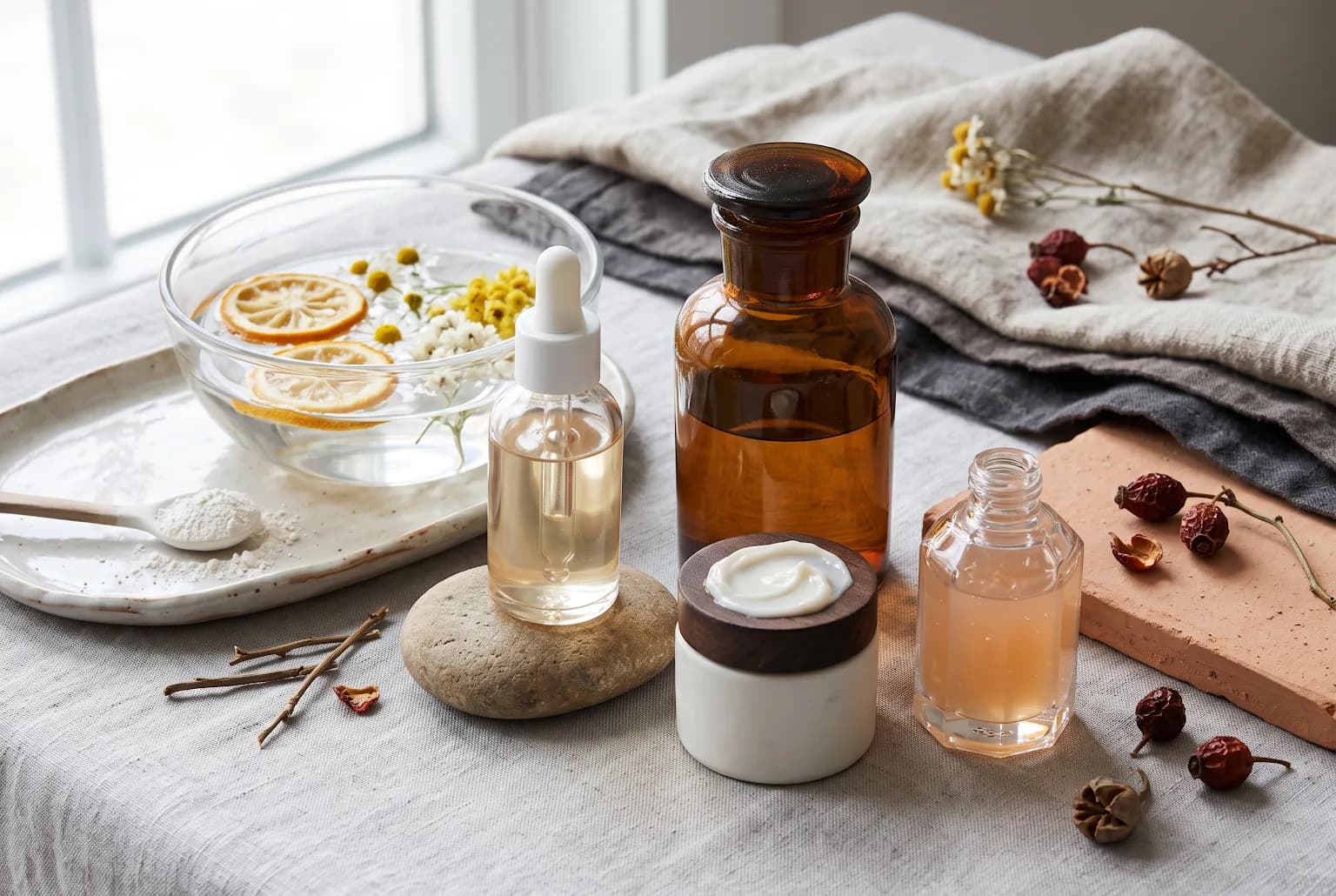
Yes — a dark spots serum works by combining tyrosinase inhibitors, pigment modulators, and antioxidants to reduce melanin production and prevent new marks. Expect to see meaningful improvement in 8–12 weeks with consistent nightly use and daily sunscreen; layer vitamin C in the morning under SPF and reserve tranexamic or azelaic acid for evenings if tolerated.
How brightening serums work
<!-- image:how-brightening-serums-work -->
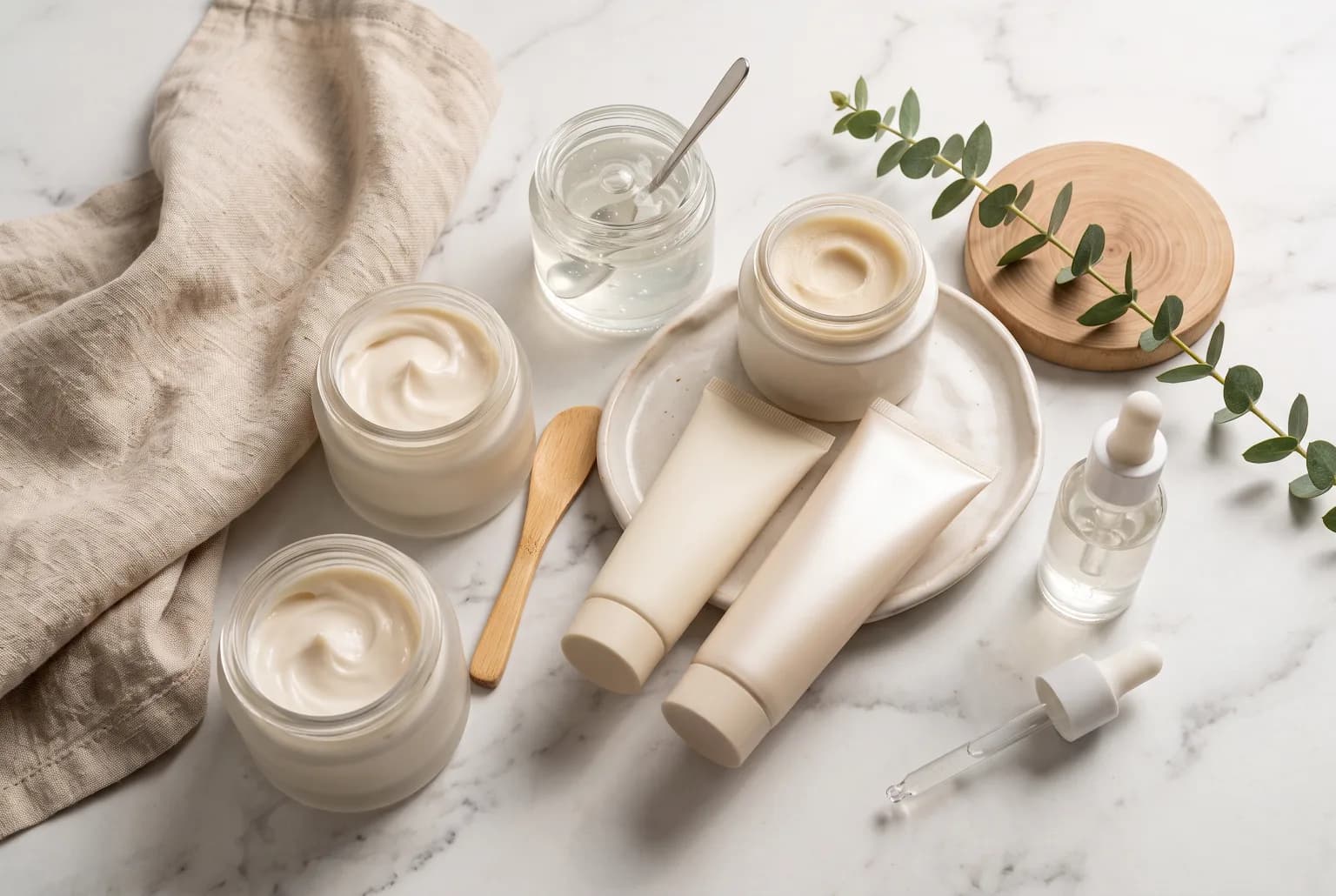
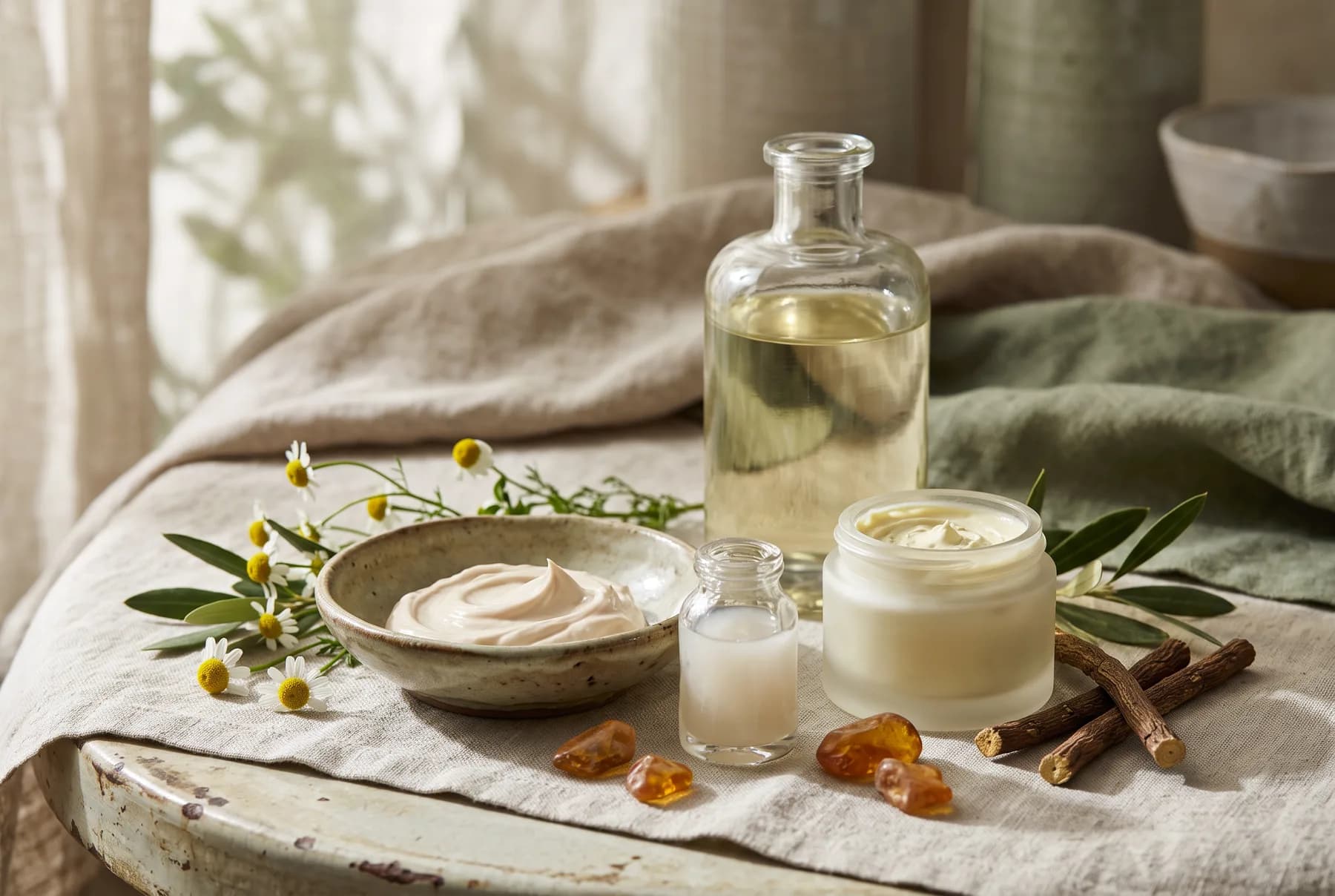
Most serums aimed at dark spots act on a few biological processes: they blunt UV-driven free-radical damage (antioxidants), inhibit the enzymes that make melanin (tyrosinase inhibitors), or interrupt pigment transfer to skin cells (pigment modulators). The usual suspects are stable vitamin C (L‐ascorbic acid or derivatives), niacinamide, tranexamic acid, alpha arbutin, kojic acid, and azelaic acid. These ingredients each address pigment formation slightly differently, which is why combination formulas are common.
Texture, pH, and packaging matter as much as the active itself. L‐ascorbic acid is most effective at low pH and in opaque, air‐tight packaging; it can oxidize and should be discarded if discolored. Tranexamic and azelaic acids are water‐soluble and stable in a wide pH range, so they appear in lightweight gels and serums. Alpha arbutin and niacinamide are gentle and compatible with most routines, making them good options for reactive skin.
Choose by active: vitamin C, tranexamic/azelaic, alpha arbutin and niacinamide
<!-- image:choose-by-active-vitamin-c-tranexamic-alpha-arbutin -->
The single best way to narrow choices is to pick the primary active you need and then evaluate formulation, texture, and price. Below is a quick-reference table you can use while shopping.
| Active | What it does | Typical texture & packaging | Tradeoffs and who it's best for |
|---|---|---|---|
| L‐ascorbic acid (stable vitamin C) | Antioxidant, reduces oxidative pigment, enhances photoprotection | Lightweight aqueous serum, dark glass/airless pump, low pH | Potent and fast for sun‐related spots; can sting reactive skin; avoid if formula is oxidized |
| Vitamin C derivatives (ascorbyl glucoside, MAP) | Gentler source of vitamin C with slower brightening | Hydrating serum, creams | Less immediate antioxidant punch; better for sensitive skin |
| Tranexamic acid | Direct pigment inhibitor, useful for recalcitrant melasma and PIH | Clear gel/serum, stable | Effective for stubborn pigment; may need weeks to months; good to use in PM |
| Azelaic acid | Anti‐inflammatory and tyrosinase inhibitor | Lightweight gel or cream | Great for acne‐linked PIH and rosacea‐prone skin; prescription strengths exist |
| Alpha arbutin | Gentle tyrosinase inhibitor | Water‐based serums or oils | Mild, low irritation; pairs well with niacinamide for daily use |
| Niacinamide | Inhibits pigment transfer, strengthens barrier | Lightweight serum or cream | Very low irritation; complements stronger actives; helps with texture |
| Kojic acid | Tyrosinase inhibition, often combined with others | Serums and creams | Can be sensitizing in higher concentrations; test patch first |
When to choose vitamin C
If your dark spots are primarily sun‐related or you want daytime antioxidant support under sunscreen, an L‐ascorbic acid serum in the morning is a strong option. Vitamin C also improves the efficacy of SPF by limiting free radical damage. Pay attention to concentration and packaging: higher percentages give faster results but increase irritation risk. For sensitive skin, choose a derivative (ascorbyl glucoside) or a lower concentration.
When to choose tranexamic or azelaic acid
Use tranexamic or azelaic acid when pigment is stubborn, uneven, or linked to inflammation (post‐inflammatory hyperpigmentation). These actives are targeted pigment modulators and often perform better than vitamin C alone for recalcitrant marks. If your spots don't budge after months of topical care, these are worthwhile additions before escalating to in‐office procedures.
When arbutin and niacinamide are the right fit
If your concern is mild discoloration or you have reactive skin, alpha arbutin plus niacinamide gives gentle brightening without aggressive exfoliation. This combo is sensible for daily layering and for people who need low‐irritation maintenance alongside more aggressive overnight treatments.
How to layer and avoid irritation
<!-- image:how-to-layer-and-avoid-irritation -->
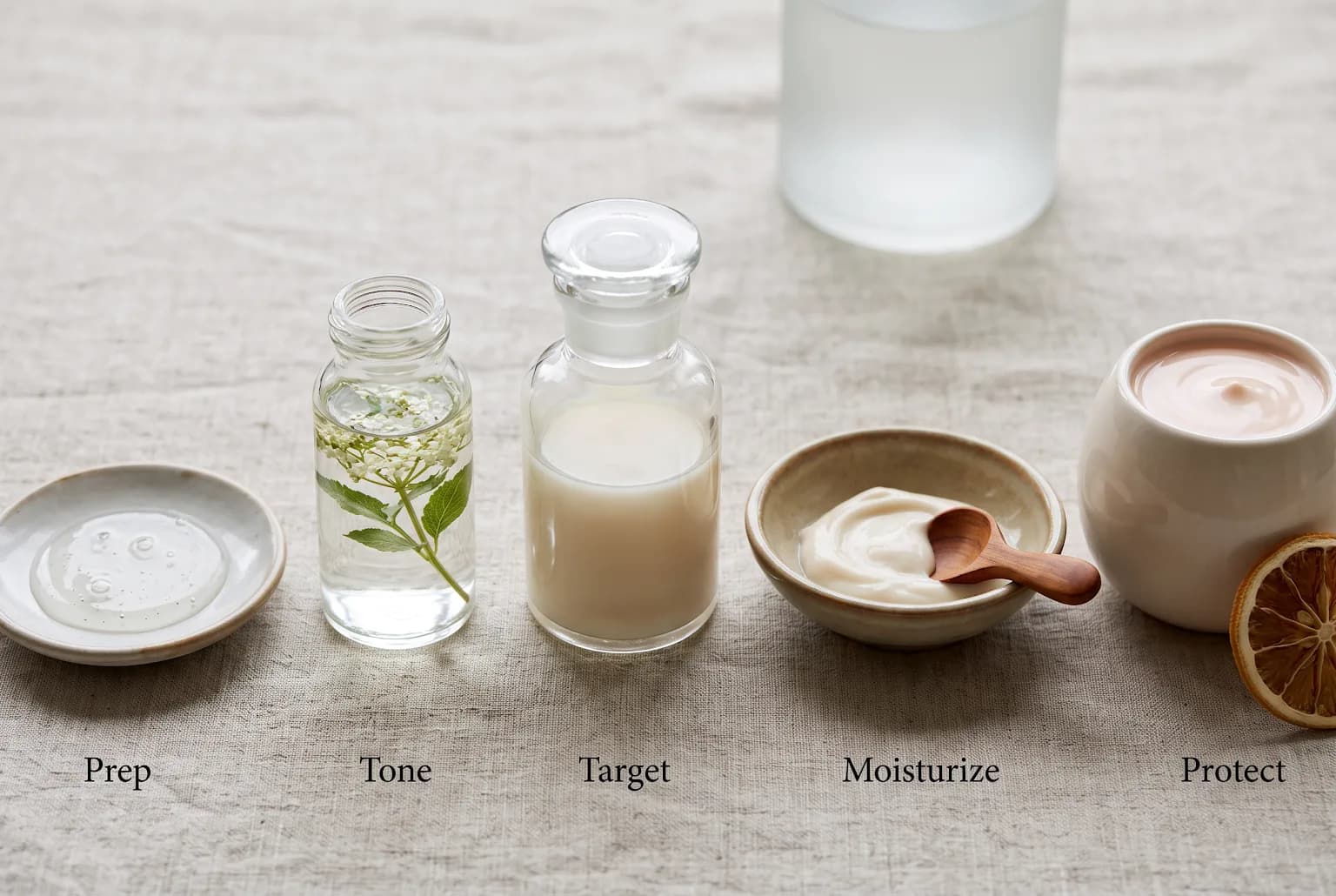
Layering is where good intentions become problem-free results. Strong actives can interact and cause inflammation, which paradoxically worsens post‐inflammatory hyperpigmentation (PIH). The decision criteria are simple: time of day, active compatibility, and skin tolerance.
A basic, low‐irritation plan you can adapt:
- AM: Cleanse → L‐ascorbic acid (if using vitamin C) → moisturizer → broad‐spectrum SPF.
- PM: Cleanse → targeted serum (tranexamic acid or azelaic acid if using) → retinoid or tretinoin on alternate nights if prescribed → moisturizer.
- Introduce one new active at a time and wait 2–4 weeks to assess irritation.
- Do not layer multiple strong actives at once (e.g., high‐strength vitamin C + strong AHA + benzoyl peroxide). Stagger them across AM/PM or alternate nights.
- If irritation appears, scale back frequency rather than concentration first: use every other night, or a pea‐sized amount.
Consistency is crucial: most serums need 8–12 weeks of regular use to show visible changes. Sunscreen is not optional—topicals can only improve existing pigment; daily SPF prevents new spots from forming and reduces recurrence. For a practical SPF primer and stepwise plan, see our detailed routine guide:
How to shop and what to review on the label
Shop like a chemist: scan the ingredient deck, confirm packaging, and judge the texture that matches your routine. Think about tradeoffs: a potent, low‐pH vitamin C in a thin serum will feel different from a hydrating, derivative‐based cream; both can brighten over time but suit different skin types and budgets.
What to review before buying:
- Active ingredient and concentration (if listed). Lower concentrations of sensitive actives are kinder to reactive skin.
- pH and delivery system (vitamin C needs acidic pH; tranexamic and azelaic acids are flexible).
- Packaging: airless pumps or dark bottles prolong stability, especially for L‐ascorbic acid.
- Texture: watery serums sink in quickly; thicker gels or creams offer more hydration for dry skin.
- Co‐ingredients: look for barrier supporters (glycerin, ceramides) if you use retinoids or exfoliants.
A short shopping checklist:
- Is the active named on the front label?
- Is the product in a dark, airless container if it’s vitamin C?
- Does the brand list recommended layering (AM vs PM) or caution about mixing?
If you want a brand‐specific comparison or are thinking about a cost‐effective option, our breakdown of a popular budget brand's dark‐spot serums explains which formula fits different marks:
Practical texture and value tradeoffs
Serums come in three common texture families: watery/fast‐absorbing, gel, and silicone‐textured. Watery serums layer unobtrusively under makeup and suit oily to combination skin. Gels offer a balance of hydration and lightweight feel, often favored for PM routines. Silicone or emollient‐rich serums provide slip and long wear under makeup and are kinder to dry skin.
Value is not only price: a well‐formulated low‐concentration actives + barrier support can outlast a high‐percent product that irritates and is abandoned. Consider how the serum fits into your full routine: if you already use an active retinoid, choose gentler brighteners for daytime or alternate nights to minimize overlap.
Frequently asked questions
How long until a dark spots serum shows results?
Most topical serums require 8–12 weeks of consistent use to show visible improvement. Patience matters: pigment is formed in layers and takes time for skin turnover and melanin reduction to become visible at the surface.
Can I use vitamin C and tranexamic acid together?
Yes, they can be used in the same routine for complementary effects, but be mindful of formulation and skin tolerance. A common approach is vitamin C in the AM (under SPF) and tranexamic acid in the PM, or use them together if both formulas are gentle and your skin handles multiple actives.
Will brightening serums work on post‐inflammatory hyperpigmentation (PIH)?
Many of the listed actives—azelaic acid, tranexamic acid, niacinamide, and alpha arbutin—are effective for PIH. Choose anti‐inflammatory options (azelaic acid) if the pigment followed acne or inflammation, and be careful to avoid irritation that could worsen PIH.
Are natural brighteners like licorice or lemon juice effective?
Some botanical extracts can support brightening, but they are generally milder and less predictable than targeted actives. Avoid at‐home lemon juice applications—these can irritate and trigger PIH. Use evidence‐backed actives in stable formulations instead.
Related Reading
- The smart buyer’s guide to creams for dark spots on the face
- Laser Treatment for Dark Spots: The Smart Way to Match the Laser to the Pigment
- The Ordinary Serum for Dark Spots: Which Formula Fits Your Marks?
Sources
- Healthline — review of dark‐spot treatments and serum actives
- Dermatology review on popular brightening ingredients
- Allure/NBC roundups referencing brightening active efficacy
Clear guidance, checked before publication.
Solvi articles are structured by our editorial team and reviewed for clarity, consistency, and responsible health language. We update pages when guidance or product information changes.

Iris Kim
Advanced Skincare Writer. Iris happily gets lost in retinoids, peptides, face oils, and emerging actives. Her goal is to make advanced skincare feel considered and understandable instead of intimidating.