The best retinol for dark spots: a clinical-first guide


Retinoids—especially clinical prescription forms like tretinoin or topical adapalene—offer the strongest evidence for fading hyperpigmentation. Over‐the‐counter retinols can help too, but they generally work more slowly and depend heavily on formulation, stability, and compatible brighteners. Whatever you choose, strict daily SPF and a measured build‐up of exposure are nonnegotiable.
What works best for dark spots?
Topical retinoids speed epidermal turnover and normalize melanin distribution; clinical agents (tretinoin, adapalene) have the clearest evidence for improving post‐inflammatory and sunspots. OTC retinol esters require conversion in the skin and therefore act more slowly, but a well‐formulated serum—stabilized vehicle, appropriate concentration, and complementary brighteners—can still improve marks over months. The research brief’s bottom line: prioritize clinical retinoids when speed and predictable outcomes matter, but don’t dismiss OTC options if you need gentler tolerance or over‐the‐counter access.
Decision tradeoffs are concrete. If you have stubborn, long‐standing solar lentigines or deep PIH, a prescription-strength retinoid combined with in‐office modalities or a brightening agent will typically clear pigment more reliably. For maintenance, or if your skin is reactive, an OTC retinol alongside niacinamide or vitamin C gives a lower‐risk route. Always pair with daily sunscreen to prevent recurrence and guard against photosensitivity.
How to choose by concentration and formulation
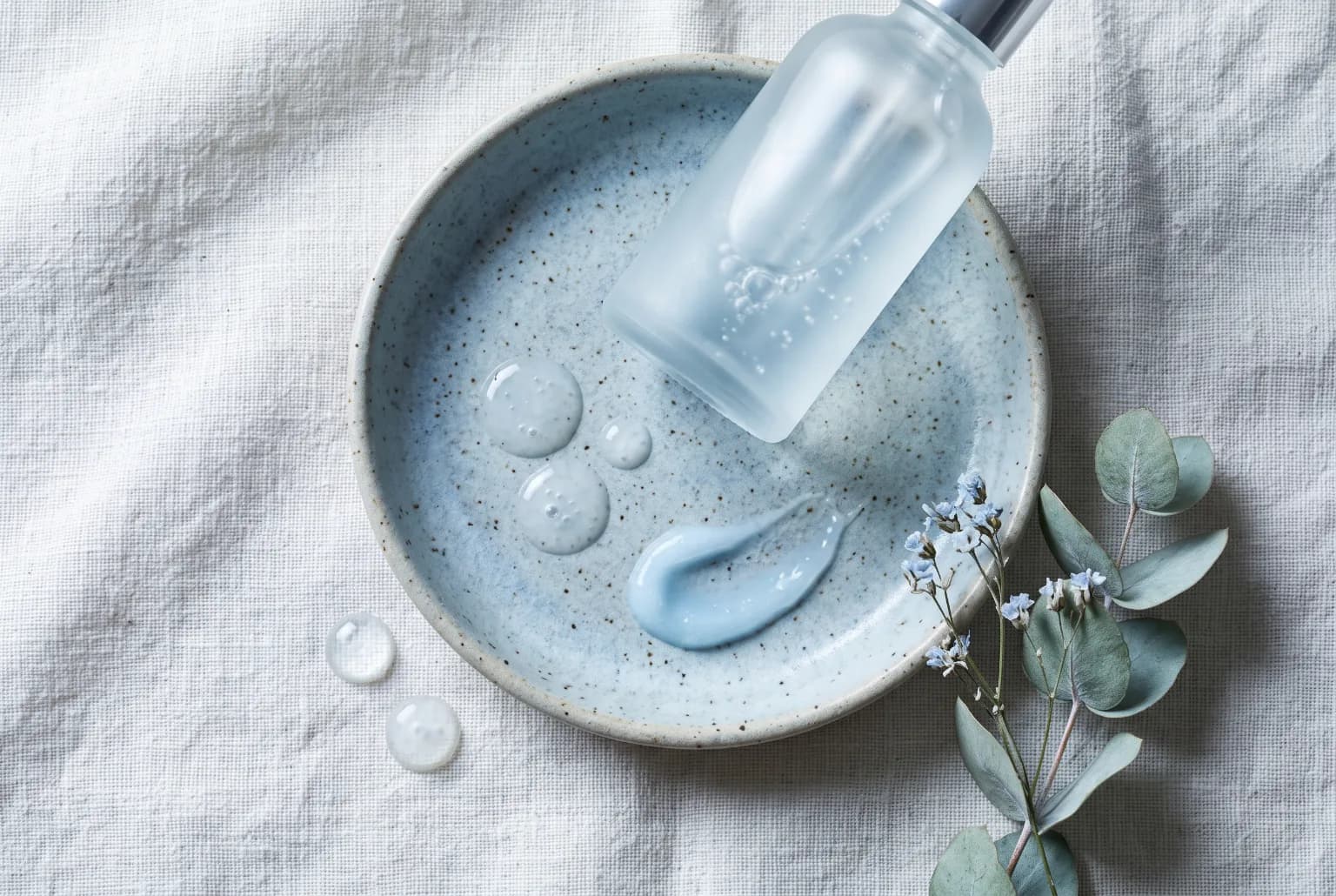
First decide whether you want a clinical retinoid (prescription) or an OTC retinol (cosmetic). For OTC products, concentration matters but so does the vehicle. A 0.3% retinol in a lightweight serum can feel very different from 0.3% in an anhydrous oil or encapsulated system; the former releases faster and can be more irritating, the latter can be kinder on sensitive skin but slower to act. Encapsulation, glycerin‐rich serums, and cream bases improve tolerance by moderating release and adding hydration.
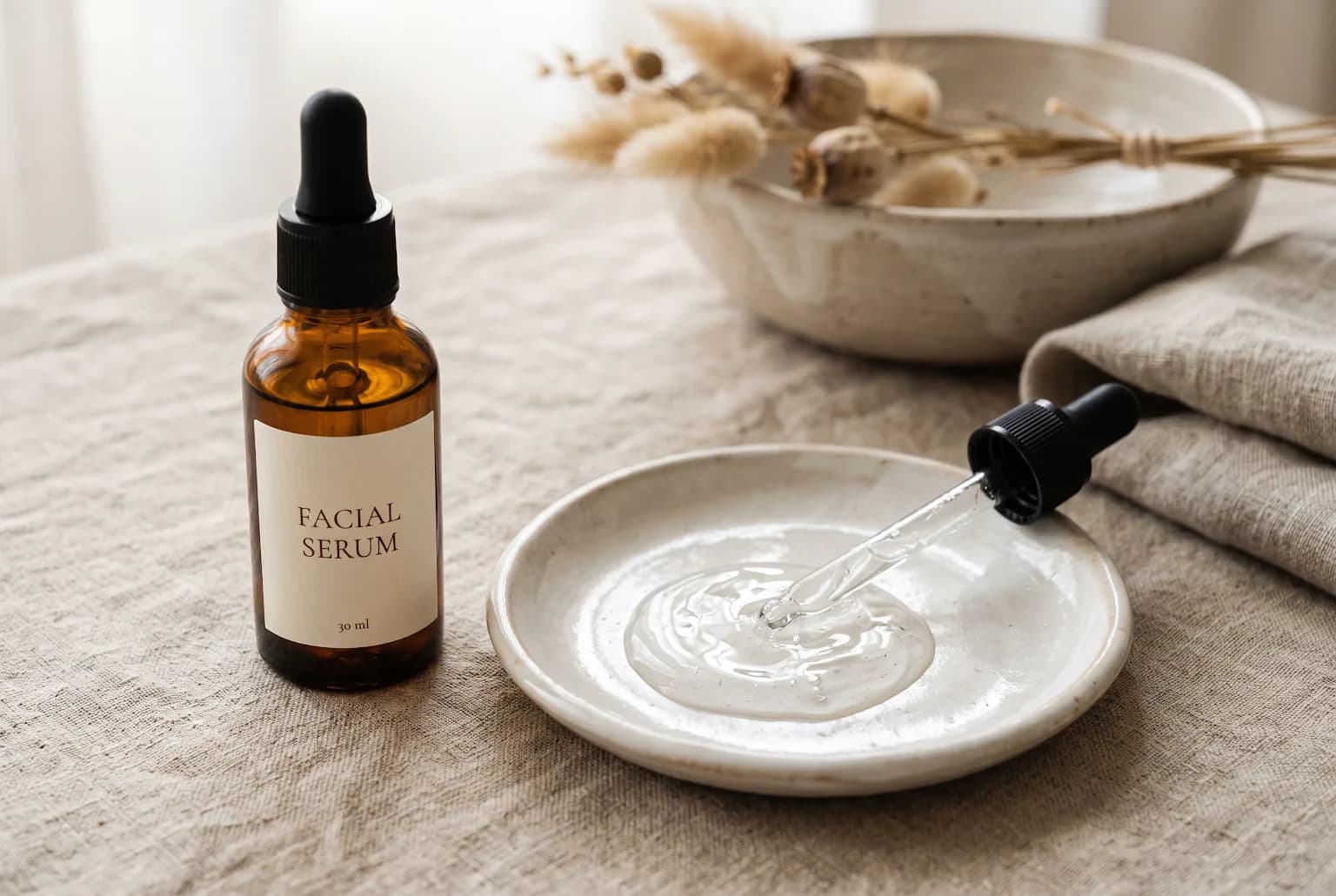
Stability is a practical filter: retinol oxidizes with exposure to light and air. Look for opaque or amber packaging, sealed droppers, and short ingredient lists that minimize solvents prone to instability. If you’re considering a product with combined actives, check whether the formula claims stabilized vitamin C (eg, derivative or encapsulation) or a buffered AHAs pairing—mixing strong acids with retinoids without professional guidance raises irritation risk.
Ingredients to pair with retinol
Retinol is a scaffold for improvement, but brighteners and anti‐inflammatory adjuncts accelerate and stabilize results. Niacinamide reduces melanosome transfer and calms irritation; it’s a low‐risk pairing and a top choice for skin of all tones. Vitamin C (stabilized forms or derivatives) targets melanin synthesis upstream and offers antioxidant protection. Azelaic acid and tranexamic acid work through separate pathways and can be layered or alternated to address stubborn marks.
Practical pairings: nightly retinoid plus a morning vitamin C serum and daily sunscreen is a straightforward, evidence‐forward stack. If irritation appears, pause other actives and prioritize hydration and barrier repair—glycerin, ceramides, and humectants give your skin the capacity to tolerate stronger regimens. For deeper pigment or recalcitrant PIH, professional combos (eg, tranexamic acid under dermatologic supervision) may be warranted.
Tolerance and safety for skin of color

Skin of color can respond very well to retinoids—but it also has a heightened risk of irritation‐triggered PIH if the regimen is too aggressive. The prudent path: start with a lower concentration or less frequent application (every third night), add a gentle hydrating base, and progress only when the skin is tolerating the routine. Avoid simultaneous heavy exfoliants (high‐concentration AHAs/BHAs) and strong benzoyl peroxide without guidance; they amplify irritation.
Observe for early signs of irritation—dryness, stinging, or visible increased pigmentation—and reduce frequency rather than frequency only; switching to a cream vehicle or an encapsulated retinol often helps. For patients with moderate to severe PIH, consider discussing prescription adapalene or tretinoin with a clinician who can supervise combination therapy (eg, topical tranexamic acid or procedural options), as some of the most aggressive regimens require monitoring.
Prescription versus OTC — which to choose?
If clear, measurable improvement in the shortest reasonable time frame is your priority, prescription tretinoin or topical adapalene typically outperform OTC retinol. Prescriptions have stronger clinical data for hyperpigmentation and a higher predictable effect size. The tradeoff is higher irritation potential and the need for a clinician’s oversight. OTC retinols are attractive when you need access without a visit, want gentler tolerance, or are building a maintenance plan after an in‐office treatment.
Choose prescription when marks are deep, long‐standing, or when previous OTC attempts failed. Choose OTC retinol if you have sensitive skin, prefer gradual results, or intend to combine with daily brighteners and strict sun protection. Remember: either route demands consistent application and sunscreen; the best product is the one you can use reliably.
Texture, layering, and routine (how to use retinol for dark spots)
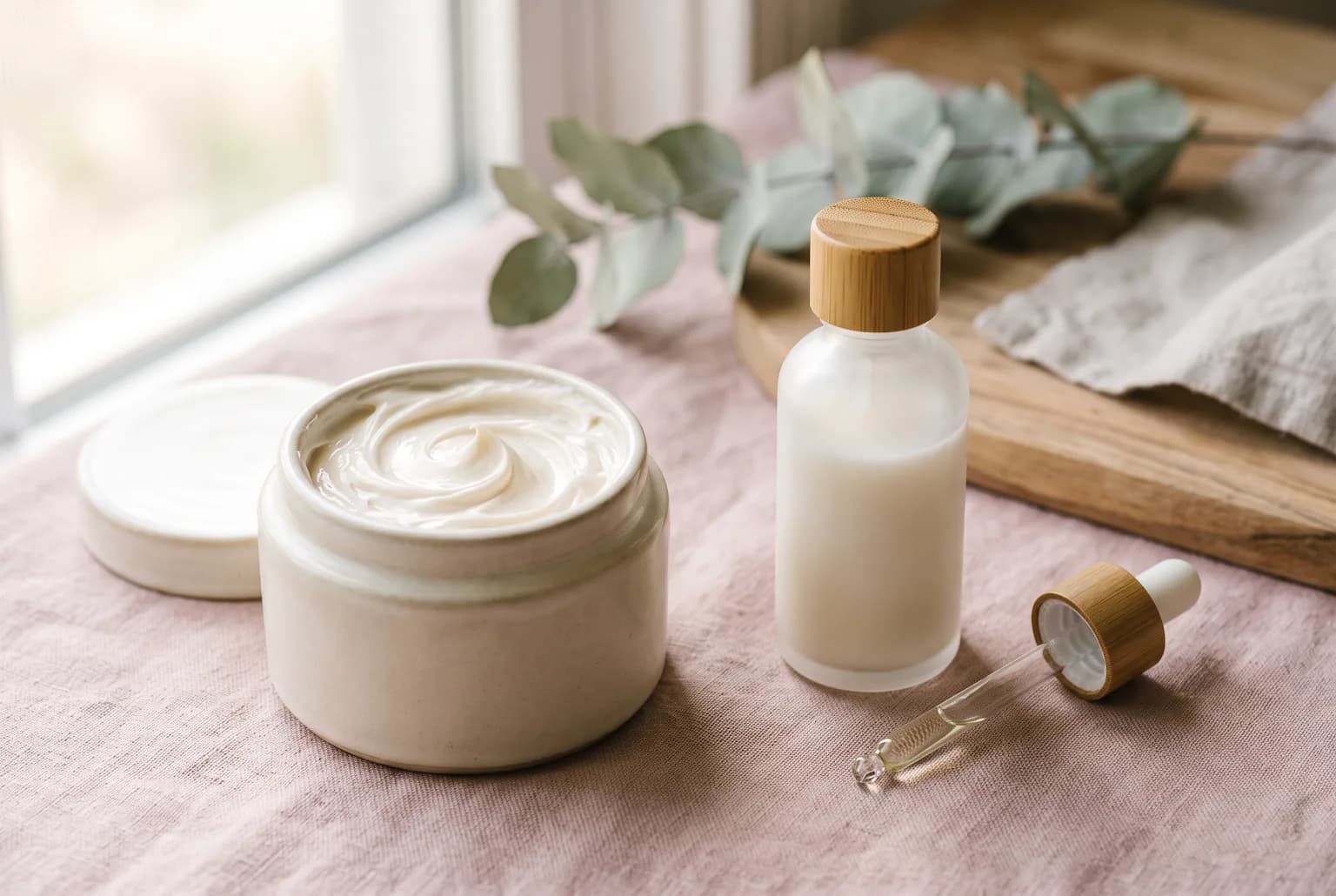
Texture affects both experience and tolerance. Lightweight serums spread easily and layer under richer night creams; creams provide occlusion and reduce transepidermal water loss, which can temper retinoid irritation. If your skin leans dry, pair retinol with a hydrating moisturizer either immediately over it or applied 10–15 minutes after to buffer contact.
A sample progression: begin with application every third night for two weeks, then increase to every other night, then nightly as tolerated. Morning: antioxidant serum (vitamin C), broad‐spectrum SPF 30–50 applied generously and re‐applied. Night: cleanse, apply a pea‐sized amount of retinoid, wait a few minutes, then apply a moisturizer. If irritation emerges, reduce frequency or switch to a buffered formulation. When layering brighteners like azelaic acid or tranexamic acid, rotate nights or consult a clinician for concurrent use.
Shopping checklist and value decisions
When shopping, read labels with three concrete checks: active identity and concentration, vehicle (serum vs cream vs encapsulated system), and packaging (opaque/airless preferred). Prioritize formulas that declare accompanying brighteners like niacinamide or stabilized vitamin C if your goal is pigmentation. If cost is a factor, compare active concentration per dollar and the product’s stability cues—poor packaging or long ingredient lists can mean you’re paying for marketing, not efficacy.
Here’s a quick comparison table to guide value choices:
| Product type | Evidence strength for dark spots | Typical onset | Tolerance profile | Best for |
|---|---|---|---|---|
| Tretinoin/adapalene (Rx) | High | 8–24 weeks | Moderate to high irritation risk | Stubborn/longstanding spots |
| OTC retinol (well‐formulated) | Moderate | 12–24+ weeks | Lower if encapsulated/cream | Maintenance, gradual improvement |
| Retinoid + brightener combo | Moderate to high | Varied; often 8–16 weeks | Variable; depends on pairings | Accelerated pigment control |
Shopping list: look for amber/airless packaging, presence of complementary brighteners (niacinamide, vitamin C), and a hydrating base if your skin is dry. If uncertain, choose a lower concentration in a cream or encapsulated serum and use it consistently for at least three months before switching.
Frequently asked questions
Should I use tretinoin or retinol for dark spots?
Prescription tretinoin or topical adapalene generally has stronger evidence and acts faster on hyperpigmentation than OTC retinol. Retinol is a viable, gentler alternative if you need lower irritation risk or over‐the‐counter access. Your choice should weigh the urgency of results, tolerance, and whether a clinician can supervise a prescription plan.
Can I use vitamin C and retinol together to treat hyperpigmentation?
Yes—many effective routines pair a morning vitamin C serum with a nightly retinoid. Vitamin C targets melanin synthesis and provides daytime antioxidant protection; retinoids improve cell turnover at night. If irritation occurs, separate them by time (C in AM, retinoid in PM) and simplify until skin tolerates the combination.
How soon will I see dark spot improvement with retinol?
Expect measurable improvement over months rather than weeks. Prescription retinoids often show visible changes in 8–24 weeks; well‐formulated OTC retinols typically take longer, often 12–24 weeks or more. Consistency, correct formulation, and daily sunscreen are key determinants of speed and durability.
Is retinol safe for darker skin tones worried about PIH?
Retinol can be safe and effective for darker skin tones when introduced conservatively: start with lower frequency, choose buffered vehicles, and prioritize barrier repair and SPF. Overly aggressive regimens risk irritation‐driven PIH, so increase strength or frequency only with demonstrated tolerance or under professional guidance.
Related Reading
- The best serum for dark spots: a clinical-first guide
- The smart buyer’s guide to creams for dark spots on the face
- Dark spots serum: choose the right brightening formula
Sources
- American Academy of Dermatology — retinoids overview for acne/aging (https://www.aad.org)
- Glamour — retinoids for pigmentation and expert picks (https://www.glamour.com)
- Derm‐specialist articles on retinoids and hyperpigmentation (https://www.janeyoomd.com/best-products-for-hyperpigmentation-2026/)
Internal links:
- For help choosing a complementary daytime step, see our guide on dark spots serum: choose the right brightening formula.
- If you want a clinical-first look at serums across actives, read the best serum for dark spots: a clinical-first guide.
- Curious how The Ordinary fits into a targeted plan? Check The Ordinary Serum for Dark Spots: Which Formula Fits Your Marks?.
- For maintenance and wrinkle crossover, our best serum for wrinkles and fine lines: choose by your skin’s real priority explores compatible textures and layering.
Clear guidance, checked before publication.
Solvi articles are structured by our editorial team and reviewed for clarity, consistency, and responsible health language. We update pages when guidance or product information changes.

Amara Lewis
Sensitive Skin Writer. Amara is fascinated by calm, barrier-first skincare and the small details that make a routine easier to tolerate. She favors thoughtful formulas, slow introductions, and less guesswork.