How to Choose a Hyaluronic Acid Serum for Sensitive Skin



A hyaluronic acid serum for sensitive skin is usually best when it is fragrance-free, streamlined, and paired with barrier-minded ingredients such as glycerin, panthenol, or ceramides. Look for a comfortable, water-binding formula—not an aggressively active treatment—and apply it before moisturizer so the hydration does not feel fleeting.
The most useful way to shop is not to chase the highest-sounding hyaluronic acid claim. Instead, treat HA as the cushioning layer in a quiet routine: choose the texture your skin will actually tolerate, scan the full formula for common extras that have bothered you before, and keep your moisturizer in the plan. That approach works whether your skin leans dry and mature, oily and dehydrated, or reactive after using too many actives.
What to look for in a hyaluronic acid serum for sensitive skin
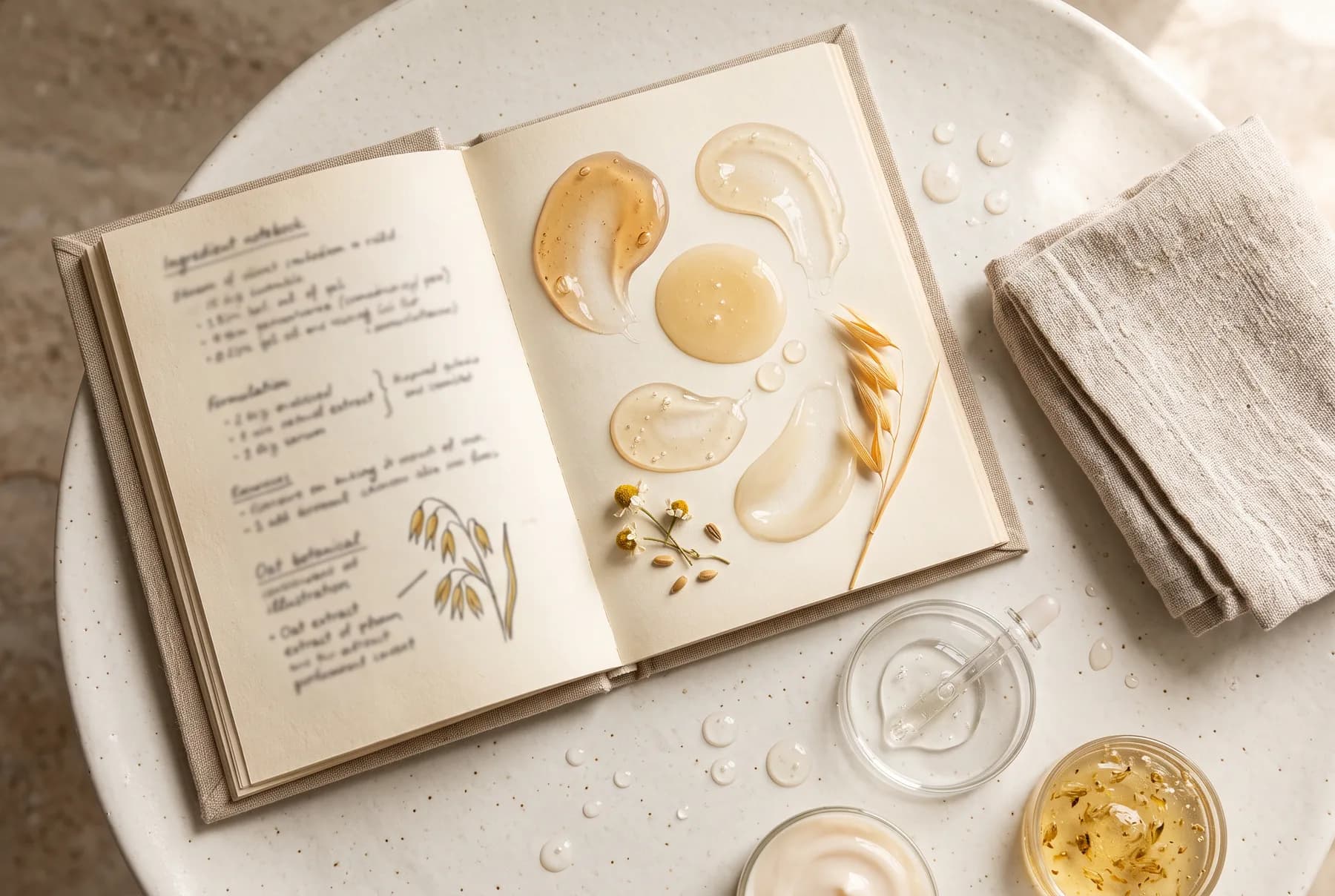
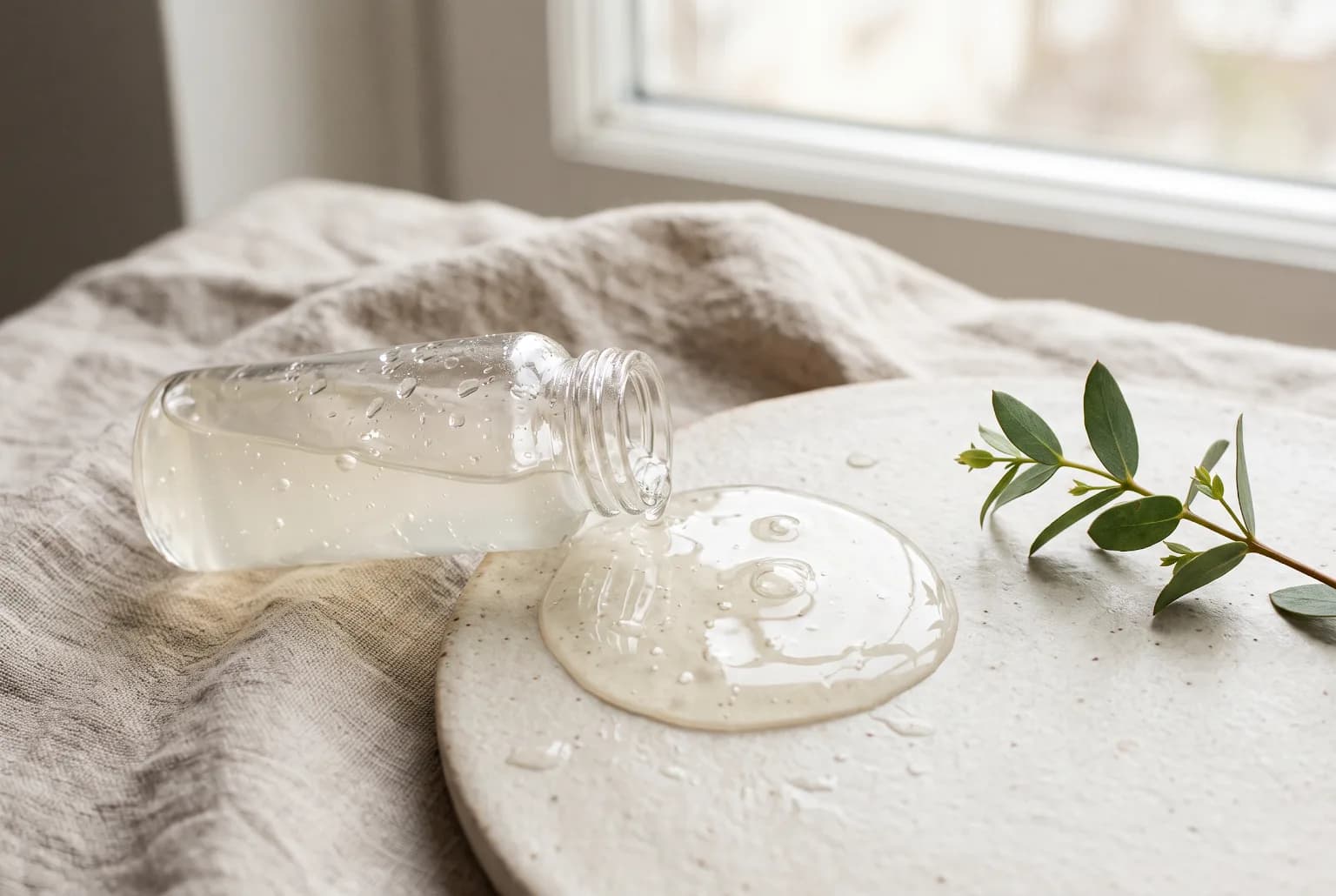
Hyaluronic acid is a humectant, meaning it helps attract and hold water at the skin’s surface. In a sensitive-skin serum, its job is not to tingle, peel, or transform texture overnight. It is there to make skin feel more cushioned and flexible while supporting a routine centered on moisture and barrier comfort.
A multi-molecular formula can be a thoughtful format to consider. Hyaluronic acid comes in different molecular weights, and formulas with more than one weight are designed to offer hydration across the skin’s surface while avoiding an overly tacky finish. It is a formulation detail, not a guarantee of compatibility; the entire ingredient list and your own history still matter more.
Your quick ingredient-screening checklist
Keep the label read simple, especially when your skin is in a reactive phase. Favor a formula that makes hydration its main event rather than one trying to serve as a brightening, exfoliating, and anti-aging serum all at once.
- Choose a minimal formula without fragrance or essential oils if those are known triggers for you.
- Look for supporting humectants or comfort ingredients, including glycerin and panthenol.
- Consider ceramides if your routine needs more barrier support; they are particularly welcome in a serum-moisturizer pairing.
- Seek multi-molecular or multi-weight hyaluronic acid if you want hydration with a less one-note texture.
- Set aside combination products with strong exfoliating acids or high-strength vitamin C when your skin is very reactive.
“Gentle” does not always mean a formula has the fewest ingredients, and a long list is not automatically a problem. The better question is whether the extras make sense for your skin. A simple hydrating base with glycerin, panthenol, or ceramides has a clear purpose; a long list of fragrant botanicals may be less appealing if your sensitivity is unpredictable.
What to leave for another routine
If you are shopping specifically to calm dehydration, do not make this serum carry every skincare goal. Save potent exfoliating treatments and strong antioxidant formulas for a separate step or for a time when your skin feels reliably stable. The less you stack in one new product, the easier it is to tell what agrees with you.
| What you see on the label | Why it can suit sensitive skin | The tradeoff to consider |
|---|---|---|
| Hyaluronic acid plus glycerin | Straightforward humectant-focused hydration | Usually needs moisturizer on top to feel lasting |
| Hyaluronic acid plus panthenol | A soothing-leaning, lightweight hydration approach | Check the rest of the formula if you react to complex blends |
| Hyaluronic acid plus ceramides | Helpful for a routine focused on moisture-barrier support | May feel richer, depending on the vehicle |
| Multiple HA molecular weights | Designed for layered-feeling hydration and potentially less stickiness | Not inherently better than a simple formula you tolerate |
| HA plus exfoliants or high-strength vitamin C | Can consolidate steps for resilient skin | Less ideal as a first choice for very reactive skin |
The formulas worth comparing
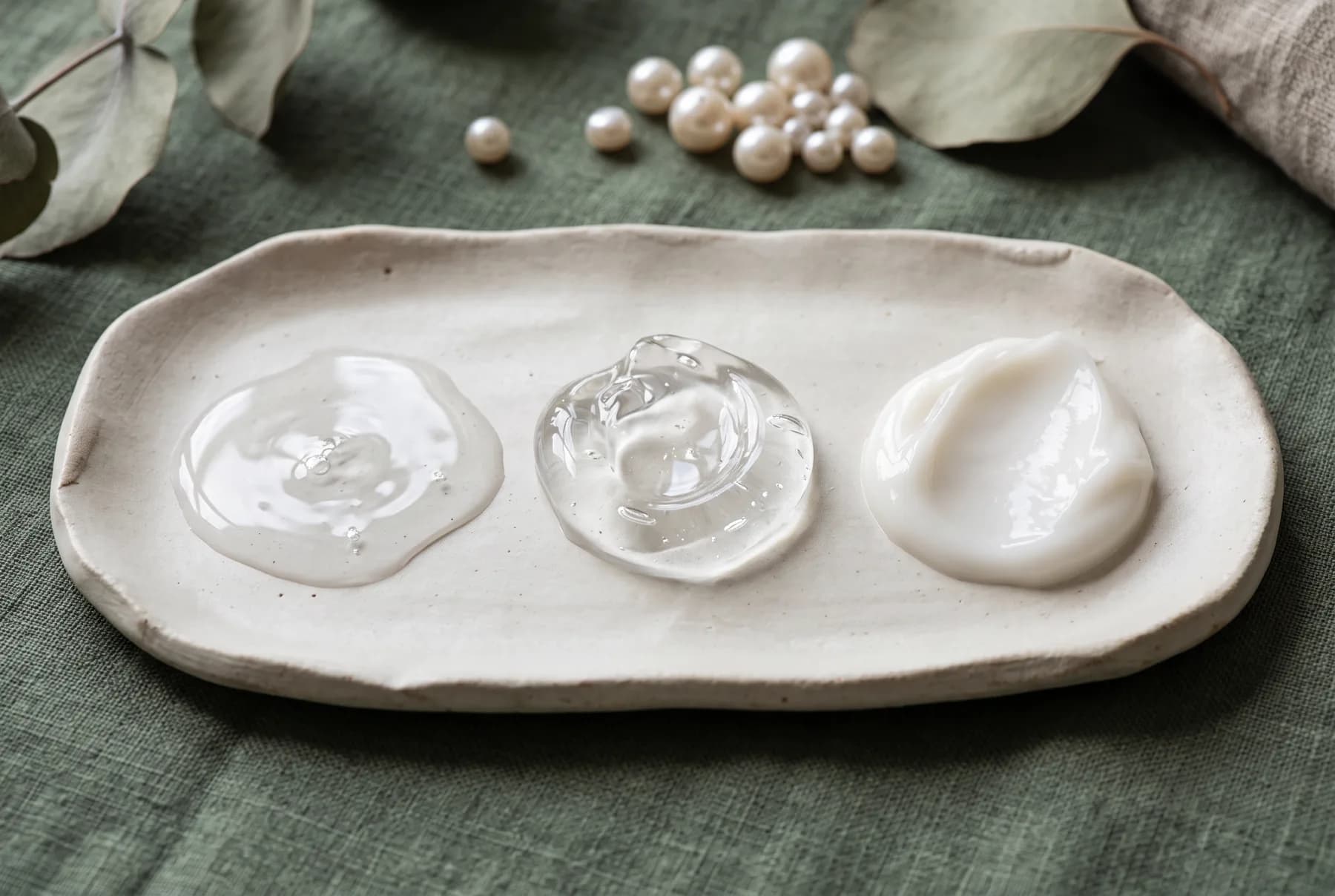
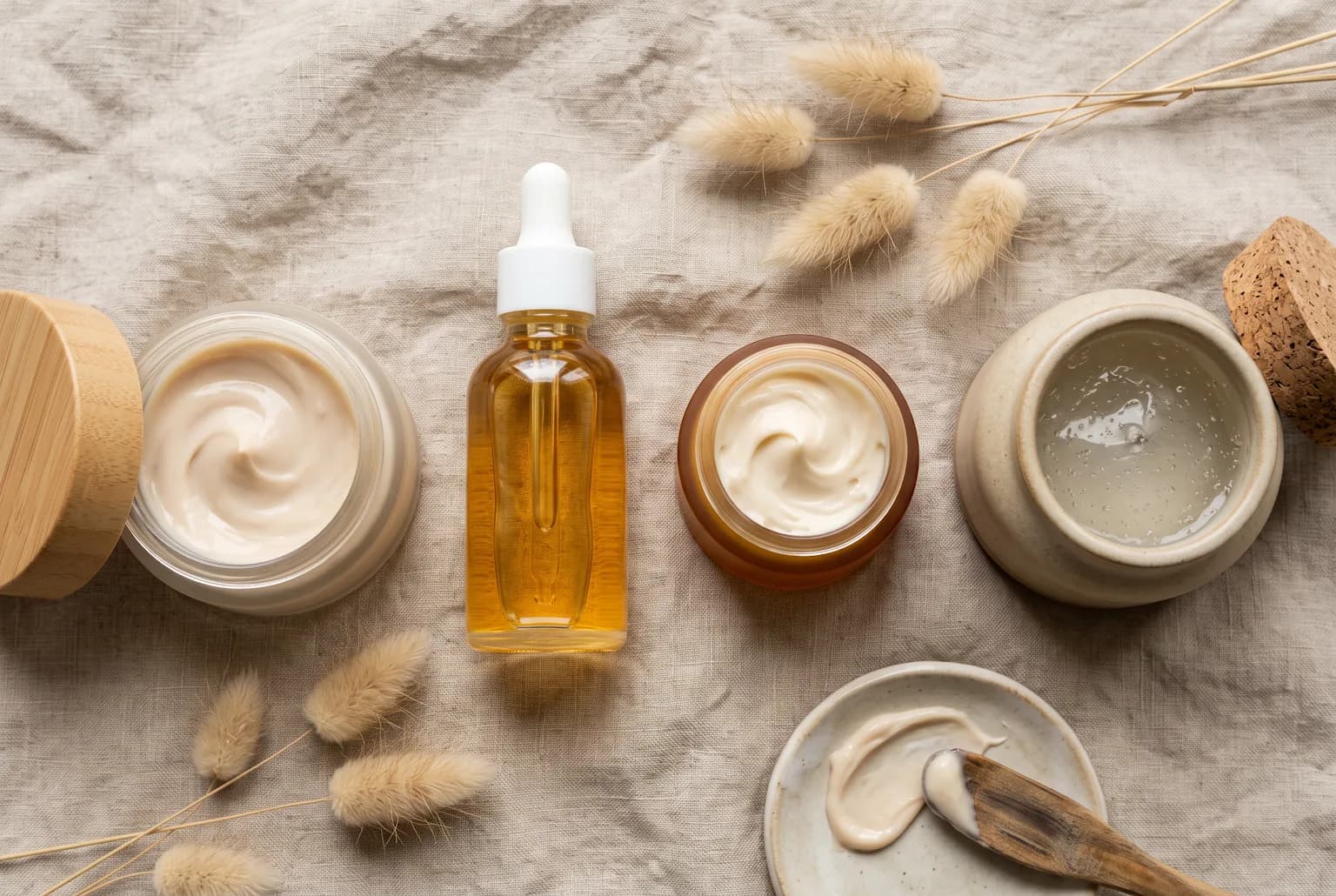
For commercial shopping, compare formats before comparing marketing language. A thin water serum, a bouncy gel, and a milky gel-serum can all contain hyaluronic acid, yet each asks something different of the rest of your routine. The right pick is the one that layers cleanly under the moisturizer and sunscreen you already use—not the one with the busiest front label.
The lightweight water serum
This is the familiar, fast-spreading format: nearly clear, fluid, and easy to press over slightly damp skin. It makes sense for oily skin, humid weather, or anyone who dislikes a coated finish. Its limitation is that it may feel too insubstantial on dry or mature skin unless followed promptly with a more nourishing moisturizer.
The bouncy gel serum
A gel texture has a little more glide and cushion, often with a fresh, slip-on finish. It can be a strong middle ground for combination or dehydrated skin because it feels more substantial than water without necessarily being heavy. If your skin is prone to pilling, use a modest amount and let it settle before sunscreen or makeup.
The milky, barrier-forward serum
This format is worth considering when sensitivity and tightness arrive together. A serum that combines HA with ceramides, panthenol, or both can feel more cocooning, especially in dry indoor air or colder months. The tradeoff is that a richer vehicle may not be every oily skin type’s preferred daytime layer.
Two familiar starting points to research
The following are useful examples of the simple hydration categories to compare, rather than universal picks. Formulas can change, and individual sensitivities differ, so read the current carton or brand ingredient list before buying.
- Neutrogena Hydro Boost Hydrating Serum: The brand positions this as a hydrating serum with hyaluronic acid and glycerin. It is a relevant option to compare if you want a familiar, humectant-led formula and a lightweight serum format.
- La Roche-Posay Hyalu B5 Serum: This serum pairs hyaluronic acid with vitamin B5, also called panthenol. It is worth evaluating for a sensitive-skin routine when you want HA alongside a barrier-comforting support ingredient.
- A fragrance-free, ceramide-containing HA serum: This is the category to investigate if dehydration shows up as persistent tightness and you prefer a more supportive layer beneath moisturizer.
Build your routine around your skin type
Sensitive skin is not one texture or one climate. Mature skin may want more cushion around the HA step, while oily skin may want an almost weightless serum and a gel-cream on top. In both cases, sensitivity is the filter: avoid adding intense actives merely because the formula promises more than hydration.
For sensitive, mature, or dry-feeling skin
Prioritize comfort over speed-to-absorb. A gel-serum or milky serum with glycerin, panthenol, or ceramides can make more sense than a bare-bones watery liquid, particularly if your skin feels papery after cleansing. Follow with a moisturizer that feels adequate for your environment.
- Choose a serum with a cushioned gel or milky-gel texture.
- Favor glycerin, panthenol, and ceramides as sensible supporting ingredients.
- Apply to lightly damp skin, then use a moisturizer without waiting for the serum to become completely dry.
- Keep exfoliating acids separate from this hydration-focused step when your skin feels fragile.
For sensitive, oily, or congestion-prone skin
Oily skin can be dehydrated, and a stripped, tight feeling is not necessarily a sign that you need a heavier serum. Start with a thin, non-greasy HA fluid or a fresh gel; then use a light moisturizer to seal it in. The finish should feel hydrated and calm, not slick or suffocating.
- Look for a fluid or clear gel texture that spreads in a thin layer.
- Choose a simple, fragrance-free formula rather than a serum crowded with exfoliating extras.
- Use less product than you think you need; one even layer is more useful than repeated coats.
- Pair it with a lightweight moisturizer instead of skipping moisturizer altogether.
For sensitized, easily reactive skin
When your skin is stinging, flushed, or newly unpredictable, simplify. This is not the moment to introduce several hydrating serums at once or experiment with an acid-HA hybrid. A familiar moisturizer may be the more comfortable choice until you are ready to patch test one straightforward serum.
How to apply hyaluronic acid without upsetting sensitive skin

Hyaluronic acid works best as part of a layered moisture routine. The practical rule is simple: apply it to skin that is lightly damp, then seal it with moisturizer. This helps prevent the common experience of a serum that initially feels plump but leaves skin wanting more soon afterward.
Morning
In the morning, keep the routine quiet enough that sunscreen remains the priority. A very light HA serum can sit well under moisturizer and SPF, but piling on too much gel can increase pilling under makeup.
- Cleanse gently, or rinse if that is what your skin prefers.
- Leave skin lightly damp rather than towel-dry.
- Press on a thin layer of HA serum; do not scrub it in.
- Apply moisturizer while skin still feels comfortably hydrated.
- Finish with sunscreen.
Evening
Evening is the easier place to use a more cushioning HA formula, particularly if dry indoor air makes skin feel tight by bedtime. If you use a prescription or active treatment, follow its own directions and avoid assuming every hydrating serum can be layered with it without issue.
- Remove sunscreen and cleanse with a gentle method.
- Apply your HA serum to lightly damp skin.
- Use a moisturizer suited to your skin’s current dryness level.
- Keep additional exfoliants out of the routine if your skin feels reactive.
- Evaluate the next morning for comfort, not just temporary surface glow.
When to pause
Stop using a product that causes discomfort and return to products you already know your skin tolerates. Seek advice from a qualified healthcare professional for persistent or concerning skin symptoms. A hydrating serum is a supportive cosmetic step, not a substitute for individualized medical care.
Related reading
- Best Night Moisturizer for Sensitive Skin
- Signs of a Damaged Skin Barrier: Clear Checklist
- Can You Use Niacinamide With Vitamin C?
Frequently asked questions
Is hyaluronic acid good for sensitive skin?
It can be, particularly in a fragrance-free, uncomplicated formula with supportive ingredients such as glycerin, panthenol, or ceramides. Sensitivity is individual, so patch testing remains sensible when you are trying a new product.
Should I use hyaluronic acid on wet or dry skin?
Apply it to lightly damp skin, then follow with moisturizer. This layering method is a practical way to help the serum feel more comfortable and to lock in hydration.
What should I avoid in a hyaluronic acid serum for very reactive skin?
Consider avoiding fragrance, essential oils, and formulas that combine HA with strong exfoliating acids or high-strength vitamin C when your skin is currently reactive. A minimal, hydration-led formula is easier to introduce.
Is a hyaluronic acid serum enough moisturizer for oily skin?
Usually, no. Even oily skin benefits from a light moisturizer after HA, because the moisturizer helps seal in hydration. Choose a thin gel-cream or lotion if richer creams feel uncomfortable.
Sources
- Paula’s Choice – Hyaluronic Acid guidance
- La Roche-Posay – Hyalu B5 product information
- Neutrogena – Hydro Boost product information
Clear guidance, checked before publication.
Solvi articles are structured by our editorial team and reviewed for clarity, consistency, and responsible health language. We update pages when guidance or product information changes.

Iris Kim
Advanced Skincare Writer. Iris happily gets lost in retinoids, peptides, face oils, and emerging actives. Her goal is to make advanced skincare feel considered and understandable instead of intimidating.