The best wrinkle cream for mature skin: an ingredient-first guide


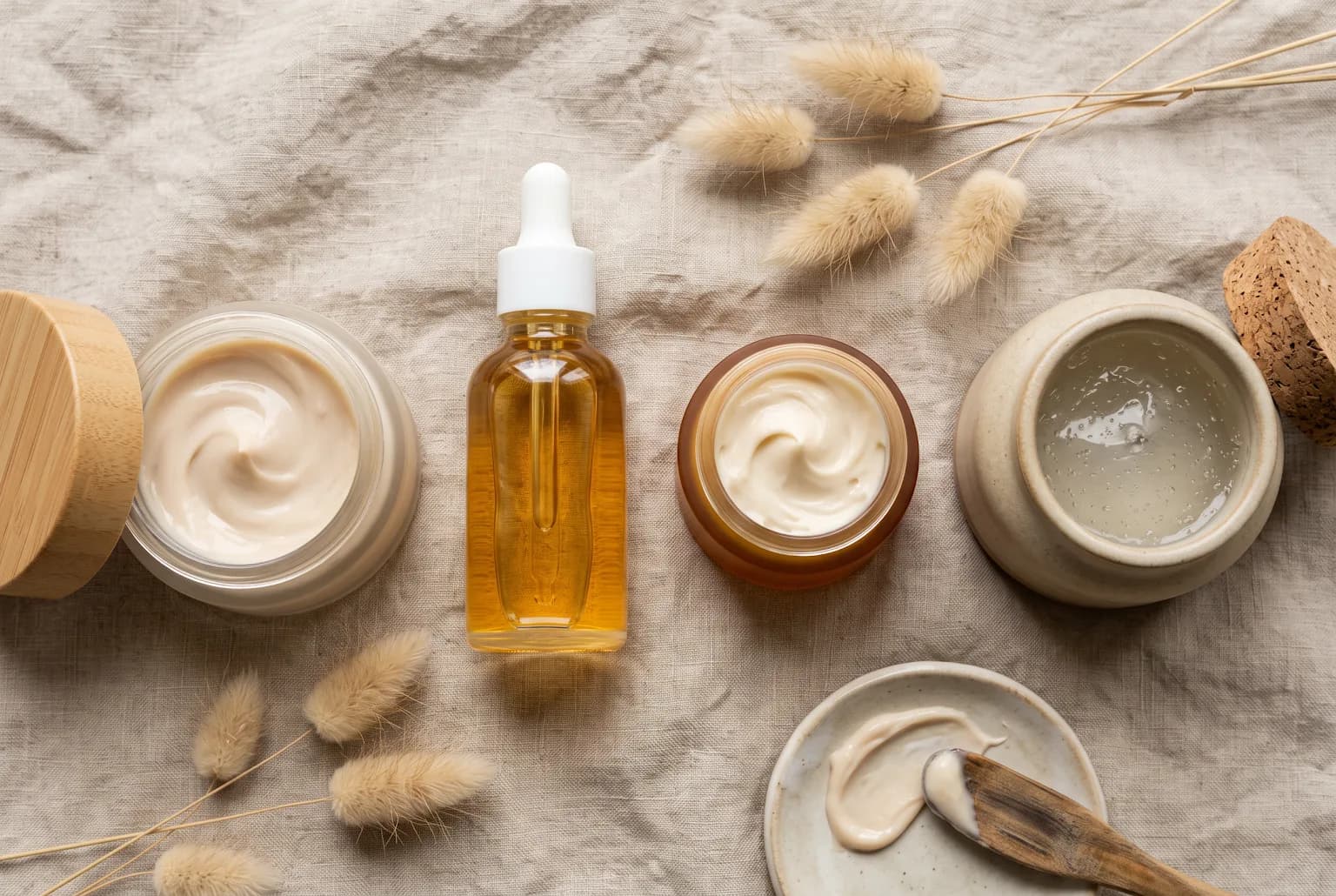
For the best wrinkle cream for mature skin, prioritize proven actives—retinoids for wrinkle reduction, peptides and antioxidants for collagen support—and occlusive plus humectant ingredients (ceramides, glycerin, hyaluronic acid) to repair the barrier. Choose fragrance‐free, pH‐friendly textures you can tolerate, and always pair stronger actives with daily SPF.
What to prioritize in a wrinkle cream for mature skin
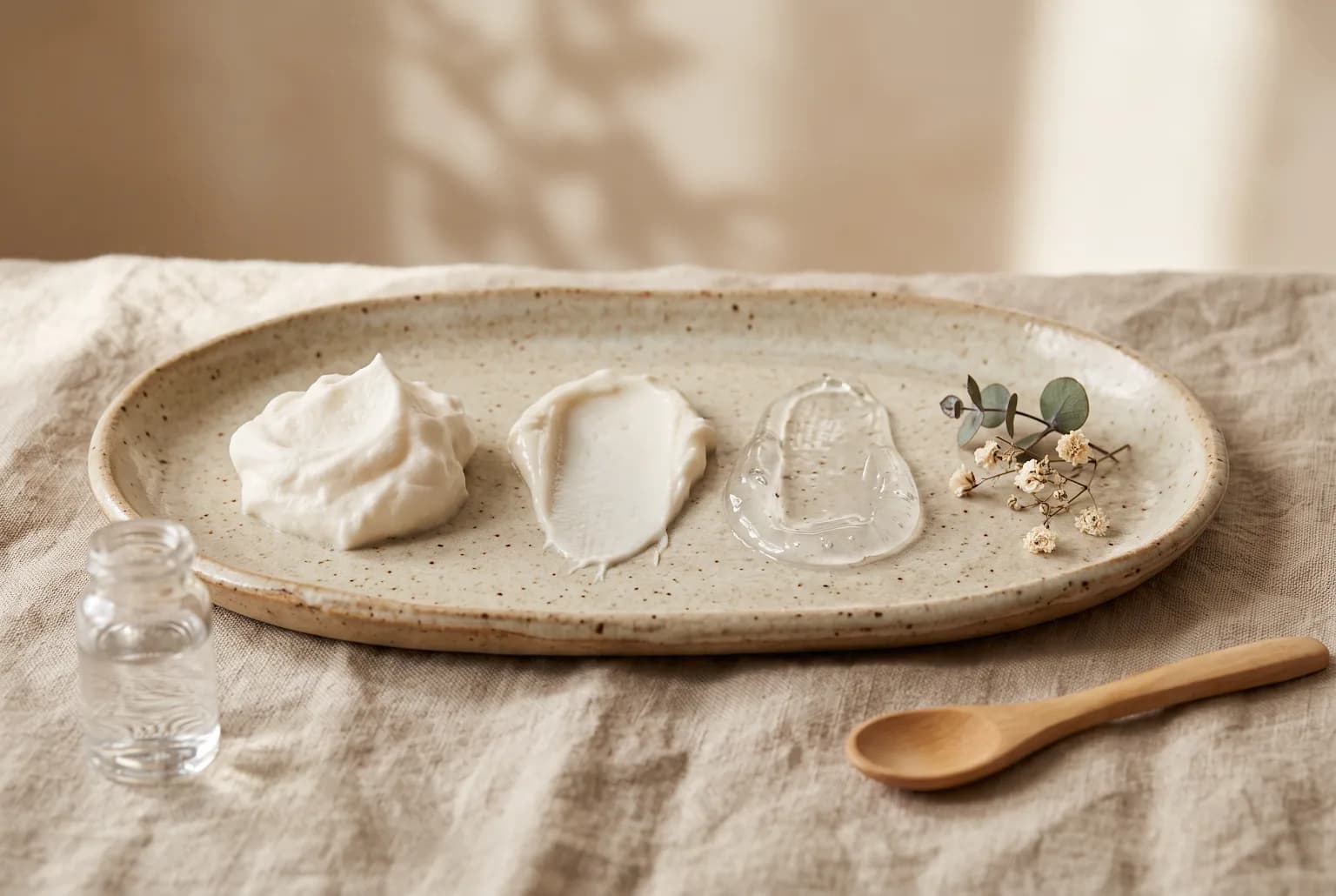
Start with three pillars: active remodeling, hydration, and barrier reinforcement. Remodeling actives are retinoids (over-the-counter retinol or prescription retinoids); supporting actives include peptides and antioxidants (vitamin C derivatives, niacinamide). Hydrators—hyaluronic acid, glycerin—and barrier lipids like ceramides and cholesterol reduce flakiness and help serums penetrate more comfortably.
Clinical support and derm endorsement matter when reliability is a buying criterion. Products with published trials or dermatology R&D behind them (for example, industry examples like Skinbetter Science AlphaRet) are often formulated for mature skin’s needs and tolerability profile. For everyday tolerability, look for formulas labeled fragrance‐free and with minimal essential oils or alcohol that can be drying.
Why retinoids matter?
Retinoids remain the most consistently studied topical for visible wrinkle improvement; concentrations vary (OTC retinol typically 0.3–1% is suggested in examples). For mature skin that can tolerate them, they encourage cell turnover and can reduce fine lines over months of consistent use. The tradeoff is initial irritation: redness, peeling, and photosensitivity are common without careful introduction.
Where peptides and antioxidants fit
Peptides (palmitoyl tripeptide and other short chains) support skin signaling pathways linked to collagen production. Antioxidants protect existing collagen from oxidative stress. These ingredients are gentler than retinoids and can be combined with them to boost results while limiting irritation.
How to choose by texture and tolerance
Texture shapes compliance. Dense, occlusive creams (rich ceramide creams) are excellent for very dry mature skin and help trap moisture and actives overnight; they can feel heavy on oilier mature skin. Lightweight lotions or gel-cream hybrids with glycerin and low‐molecular‐weight hyaluronic acid suit those who want hydration without heaviness.
Consider absorption speed and layering: a fast-absorbing retinol cream will layer better under an emollient barrier cream at night, whereas a rich peptide cream can replace a separate moisturizer if you prefer fewer products. If you have sensitive mature skin, prioritize low-fragrance, low-alcohol formulations and introduce one new active at a time.
| Texture | Best for | Typical ingredients | Tradeoff |
|---|---|---|---|
| Lightweight gel-cream | combination to oily mature skin | low-viscosity HA, glycerin, niacinamide | may need reapplication in very dry climates |
| Medium emulsion | normal to mixed mature skin | peptides, moderate emollients | best balance of actives and comfort |
| Rich cream/ointment | very dry, barrier‐compromised skin | ceramides, cholesterol, occlusives | can pill under makeup, heavier feel |
What to avoid if your skin is reactive
Avoid high concentrations of fragrance, denatured alcohol, or multiple strong actives stacked at once (eg, glycolic acid + high-strength retinol). Patch-test products containing new peptides or retinoids and introduce them gradually—every third night moving to nightly if tolerated.
Product tiers — drugstore, derm-recommended, prescription
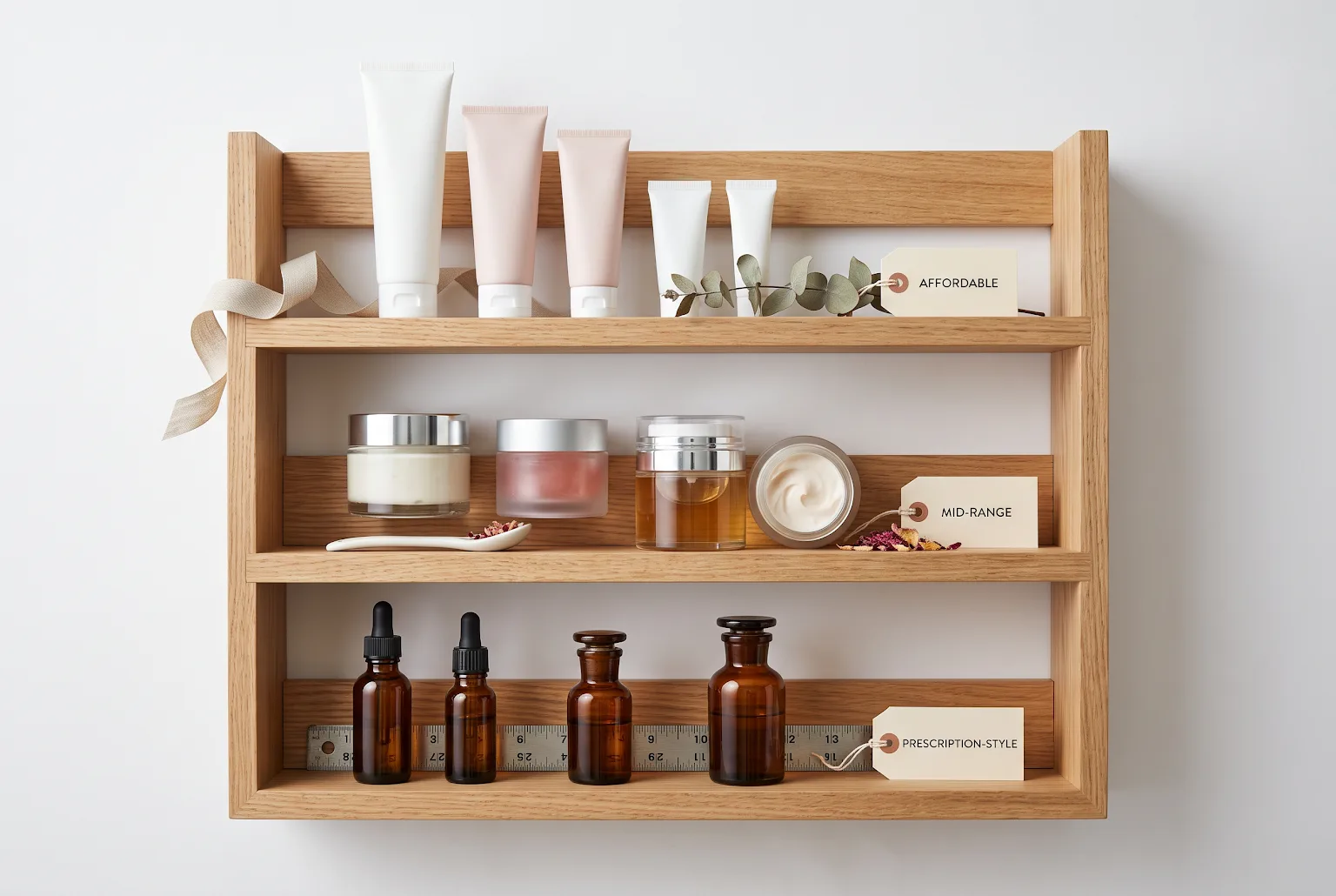
You don’t need to overspend to get results, but price often reflects ingredient concentration, delivery technology, and clinical evidence. Drugstore options typically excel at hydration and barrier repair (think ceramide-rich moisturizers like CeraVe Moisturizing Cream), while mid‐to‐high price-point brands invest in stability and delivery systems for actives (Skinbetter Science AlphaRet is an example of a formulation-focused offering). Prescription retinoids are the strongest option for clinically meaningful remodeling when other measures plateau.
Think of tiers as a vertical of tolerability and potency rather than quality alone: a well-formulated drugstore cream can be better for a barrier-compromised mature person than a potent retinoid that causes prolonged irritation.
When to consider prescription
If you’ve used OTC retinol steadily and tolerate it with minimal irritation but want faster or stronger results, discuss prescription tretinoin or tazarotene with a dermatologist. Prescription retinoids have more predictable efficacy, but they require a careful ramp-up and diligent sun protection.
The value tradeoff
Higher cost can buy better vehicle technology (liposomal delivery, stabilized vitamin C), clinical trials, and active concentrations that work faster. Lower-cost creams often win on simple barrier rebuilding—ceramides, glycerin, and hyaluronic acid—makes them essential first-step buys for many mature skin routines.
How to layer creams and actives for mature sensitive skin
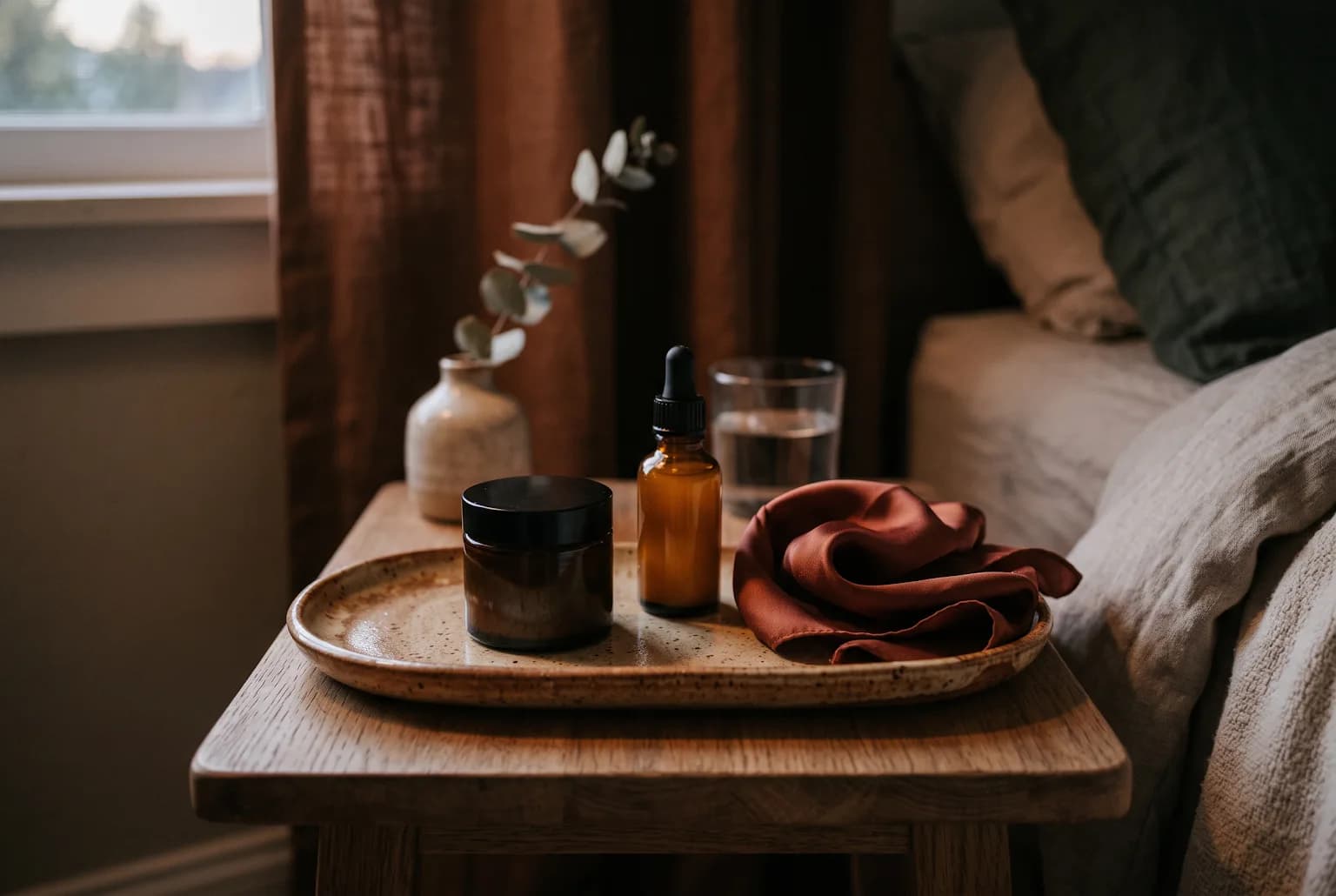
Layering for mature and sensitive skin focuses on minimizing irritation while maximizing efficacy. The basic order is: cleanse → antioxidant serum in the morning (if used) → moisturizer or cream → SPF. At night: cleanse → retinoid or peptide serum/cream → occlusive or richer cream on top as needed.
If you’re using both a retinoid and a peptide cream, apply the retinoid first at night, allow 5–10 minutes to absorb, then seal with a peptide-rich moisturizer to reduce transepidermal water loss. For very reactive skin, you can mix a pea-sized amount of retinoid with your moisturizer (the buffering technique) until tolerance improves.
Combining exfoliants and retinoids safely
Avoid combining strong AHAs/BHAs with retinoids on the same night. If you want both, alternate nights or use exfoliants in the morning (paired with SPF) and retinoids at night. Over-exfoliation will thin the stratum corneum and increase photosensitivity and irritation.
Simple night and day routines
Below are conservative routines tailored to common mature skin priorities: barrier repair, wrinkle targeting, and combination skin.
Morning routine (barrier-focused)
- Gentle cream cleanser or micellar water.
- Lightweight antioxidant serum (niacinamide or stabilized vitamin C) if tolerated.
- Ceramide- and glycerin-rich moisturizer.
- Broad-spectrum SPF 30+ every morning.
Evening routine (wrinkle-targeted)
- Gentle cleanser to remove SPF and makeup.
- Retinoid (OTC retinol or prescription) applied on dry skin; wait to absorb.
- Peptide-rich or ceramide-rich cream as the final layer.
- Occasional use of a richer occlusive on drier areas.
For a step-by-step regimen aimed at very reactive mature skin, reduce active frequency and rely more on peptides plus barrier work until you can tolerate retinoids regularly.
Frequently Asked Questions
How soon can I expect to see results from a wrinkle cream?
Topical retinoids typically require consistent use for 8–12 weeks before you may notice changes in texture and 3–6 months for visible wrinkle improvement. Supportive ingredients like peptides, hyaluronic acid, and ceramides can improve hydration and the appearance of fine lines more quickly, often within a few weeks, but they do not remodel collagen as retinoids can.
Can I use a retinol with sensitive mature skin?
Yes—many people with sensitive mature skin can use retinol if introduced gradually. Start with a lower concentration, apply every third night, and pair with a barrier-repairing moisturizer. If irritation persists, consult a dermatologist about alternative actives or prescription retinoids with different delivery systems.
Should I avoid vitamin C if I use retinoids?
No. Vitamin C and retinoids target different mechanisms (antioxidant protection vs. cell turnover) and can be used in the same routine; many people apply vitamin C in the morning and retinoids at night to minimize interaction and maximize photoprotection.
What ingredients help with sagging skin?
Peptides, niacinamide, and consistent retinoid use may improve skin firmness over time by supporting collagen pathways. However, topical creams have limits with significant laxity—procedural options are available for substantial lifting but are separate conversations with a dermatologist.
Related Reading
- The best face cream for mature skin: an ingredient-first buyers’ guide
- Best Facial Toner for Mature Skin: A Barrier-First Buyer’s Guide
- Best Night Moisturizer for Sensitive Skin: A Barrier-First Guide for Mature, Dry, and Combination Skin
Sources
- American Academy of Dermatology - skin care tips for mature skin
- NBC News Select – Best moisturizers for mature skin (derm input)
- Skinbetter Science / product references (industry roundup)
- Glamour – Best wrinkle creams, dermatologist-reviewed
Additional internal reading:
- See our buyer’s guide to the best cream for fine lines: A Smart Buyer’s Guide to Day, Night, and Sensitive-Skin Formulas for texture comparisons.
- If you want a serum-first approach, try Best Serum for Wrinkles and Fine Lines: Choose by Your Skin’s Real Priority.
- For mature skin face cream fundamentals see The best face cream for mature skin: an ingredient-first buyers’ guide.
Clear guidance, checked before publication.
Solvi articles are structured by our editorial team and reviewed for clarity, consistency, and responsible health language. We update pages when guidance or product information changes.

Iris Kim
Advanced Skincare Writer. Iris happily gets lost in retinoids, peptides, face oils, and emerging actives. Her goal is to make advanced skincare feel considered and understandable instead of intimidating.