Should You Exfoliate in the Morning or at Night?
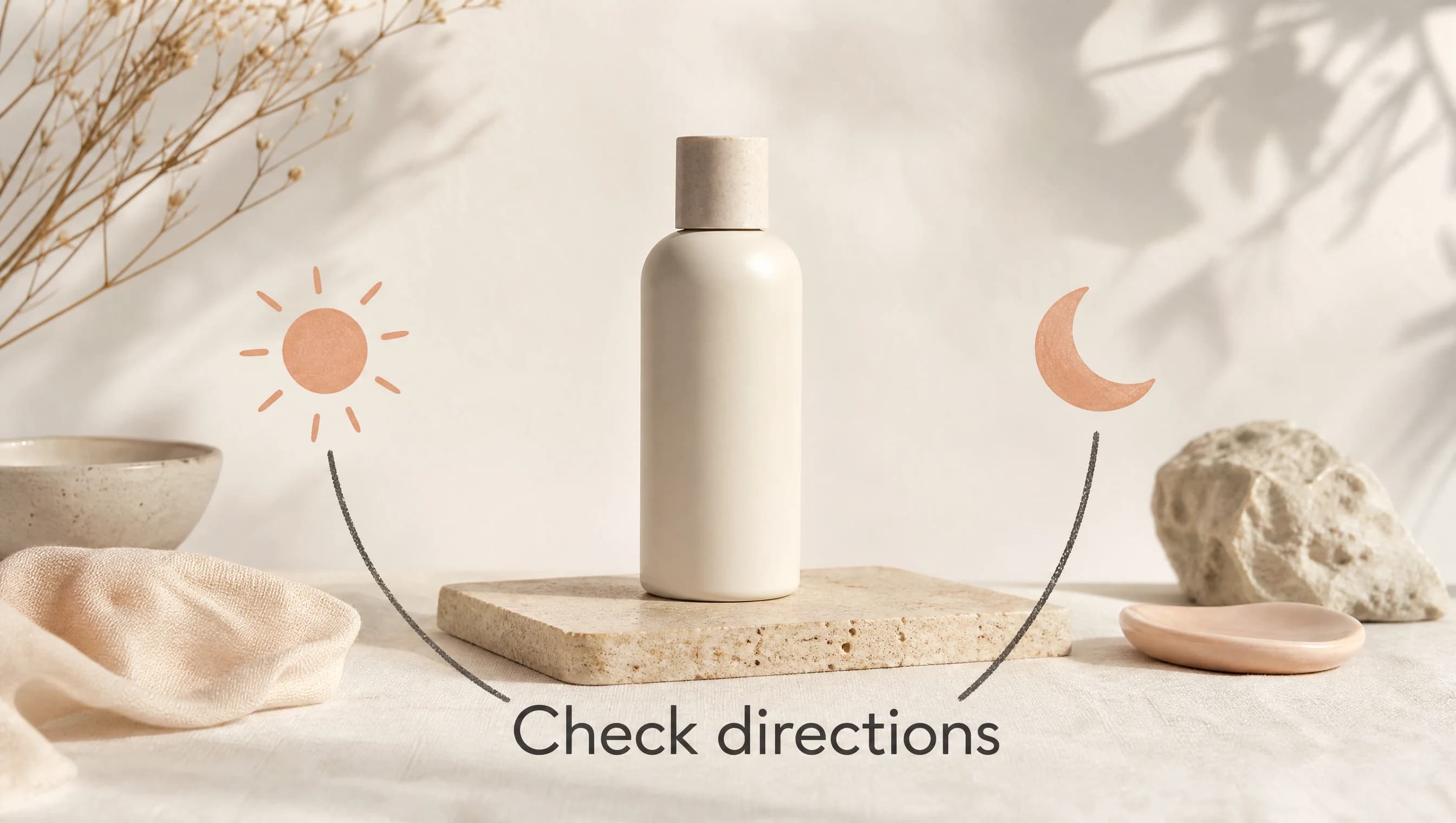
Exfoliate at the time allowed by your product's instructions. Evening is a practical option for many leave-on exfoliants, but it is not a universal requirement, and nighttime use does not remove an AHA's sun-sensitivity warning. When a label allows morning or evening, choose one slot that fits the rest of your routine rather than using both.
The important distinction is between a product-specific direction and a general preference. “I like using this at night” is useful experience; “all exfoliants must be used at night” is a claim that needs more support.
Let the exact formula set the starting point
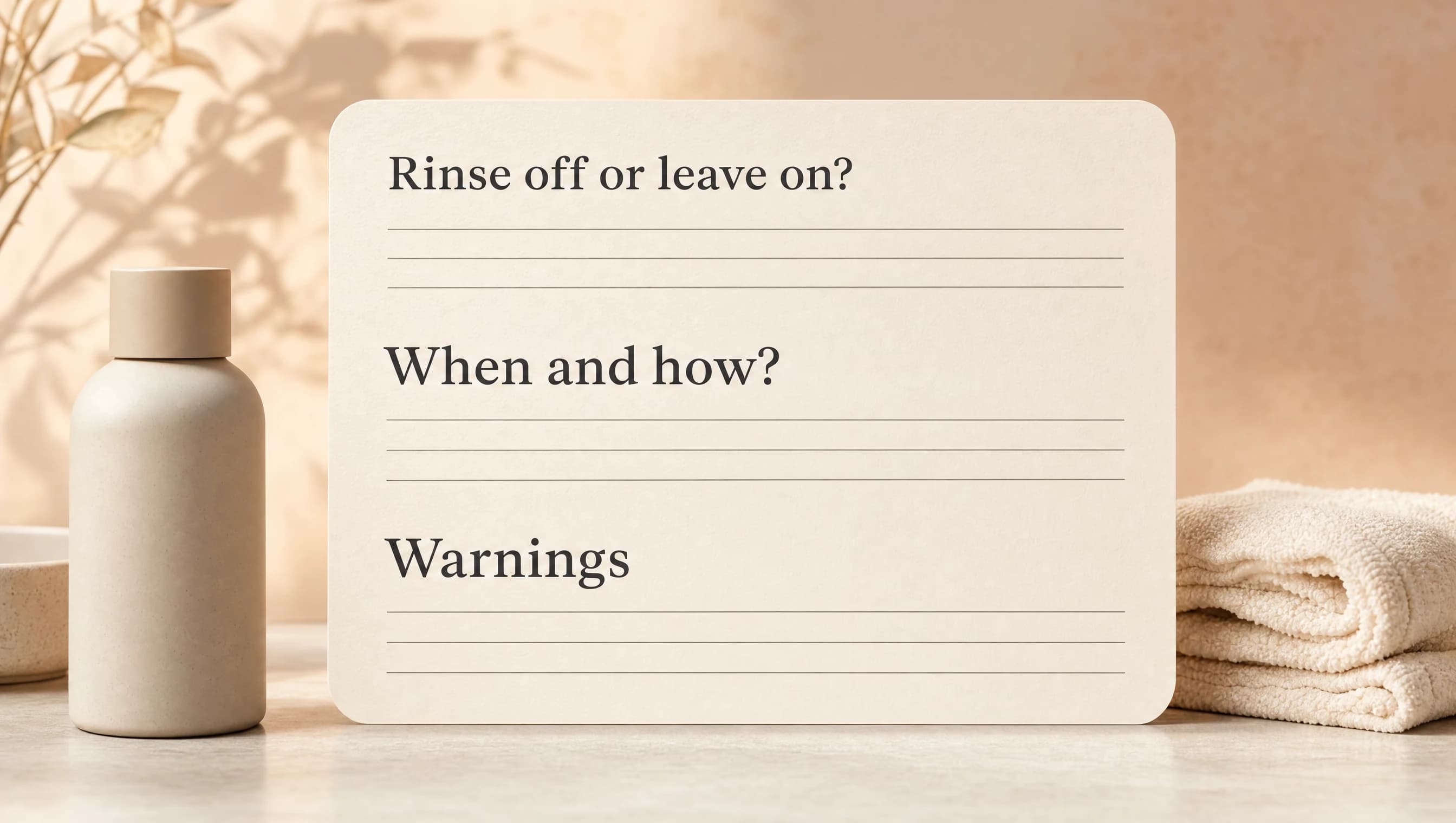
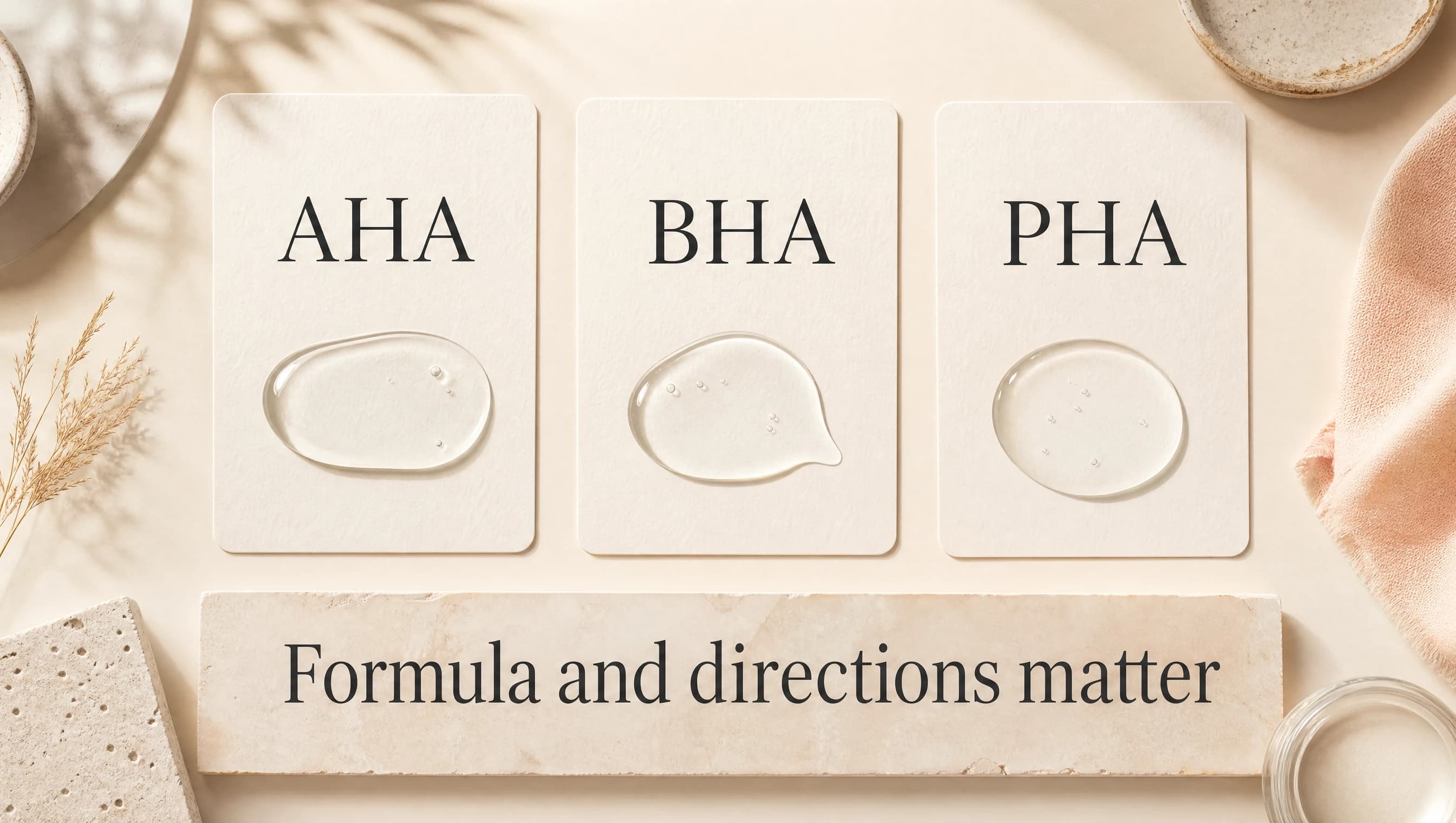
Two current labels show why a universal schedule is unhelpful. The Ordinary Glycolic Acid 7% Exfoliating Toner says ideally evening. The INKEY List PHA Toner permits morning or evening. Neither example establishes the correct timing for a different peel, scrub or acne medication.
| Situation | Practical choice | What to avoid |
|---|---|---|
| Label specifies evening | Use the evening slot as directed | Replacing the direction with a social-media routine |
| Label allows either | Choose the less crowded routine | Treating “AM or PM” as “AM and PM” |
| Morning products already feel overloaded | Consider an allowed evening slot | Skipping sunscreen to fit an exfoliant |
| Evening includes a treatment with restrictions | Resolve the conflict first | Assuming separating by a few minutes solves everything |
| You cannot find clear instructions | Obtain them before use | Guessing from another product's percentage |
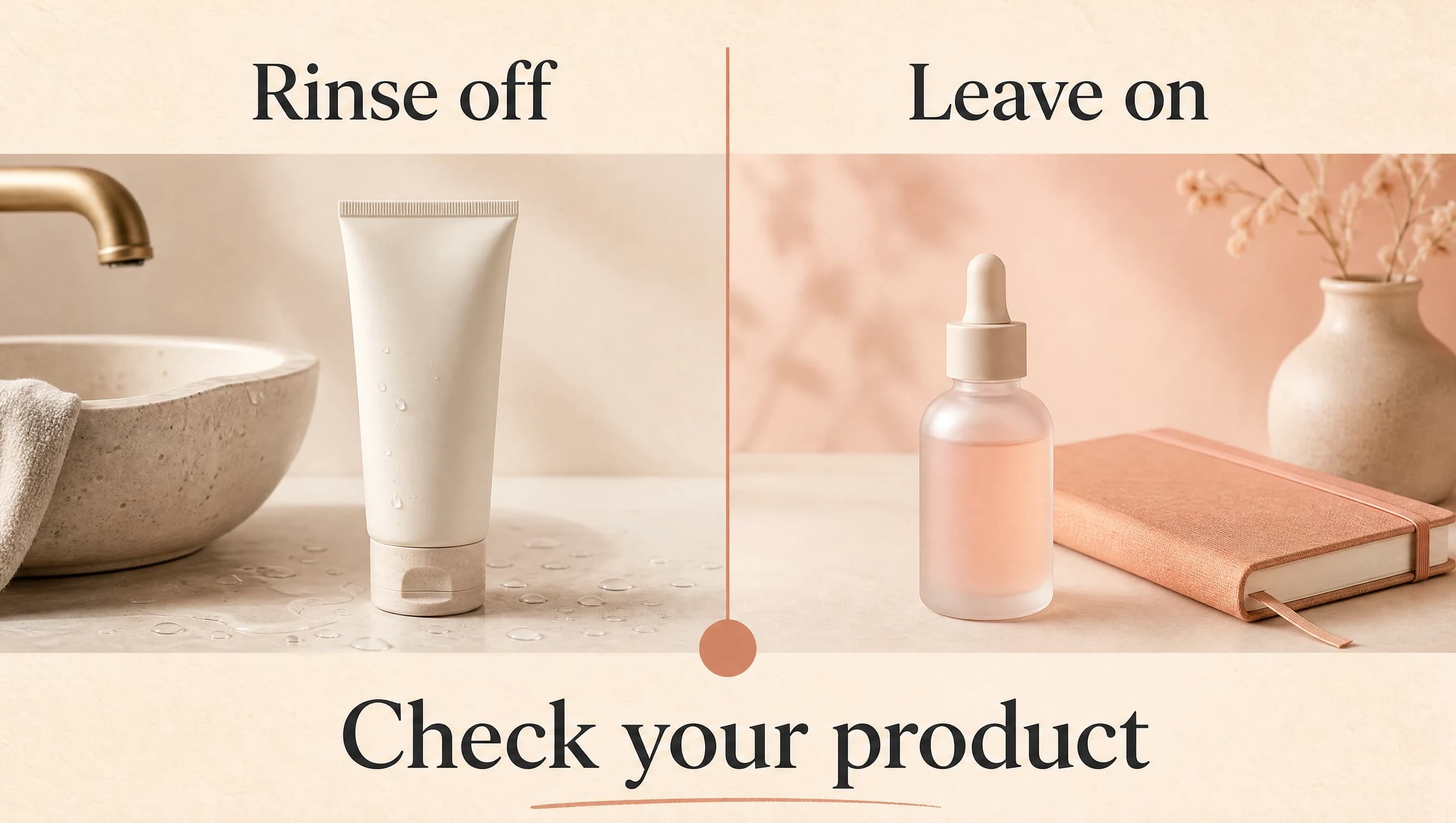
The table is a planning aid. The instructions on the package remain the source for how much, how often and whether to rinse.
Use the quieter routine, not the more complicated one
Compare your actual mornings and evenings. If mornings involve a rushed shower, sunscreen and makeup, adding another step may make the whole routine less reliable. If evenings already contain a prescription treatment, they may not be the simplest place either.
Choose a slot by removing conflicts rather than adding a schedule. For example, a person with a straightforward evening cleanse and moisturizer may find an evening-only product easier to remember. Another person considering an AM-or-PM product may decide not to buy it because both routines already work well.
A planning note for the named glycolic example could read: “The label prefers evening; I will check what already occupies that evening step; the package controls frequency and warnings.” For a formula that allows either morning or evening, select the slot that fits its instructions and your existing products. A time-of-day choice does not require two daily uses.
Nighttime does not cancel the daylight precautions
FDA guidance warns that AHAs can increase sun sensitivity. Sun protection is advised during use and for a week after stopping. That advice is not limited to the hours immediately after application.
If your motivation for evening use is avoiding a product conflict, follow the relevant brand or clinician guidance. A label's advice about combining products is specific to the formula; it is not permission to invent a universal spacing interval for all acids and retinoids.
For a trip involving substantial outdoor time, review the product's warnings while planning the trip, not after you pack. Changing the clock alone is not a substitute for following those precautions.
Build a routine you can repeat without escalation
Use these checks before settling on a time:
- Confirm the exact product and region on the label.
- Read its use time, frequency and rinse-off instructions separately.
- Identify restrictions involving products you already use.
- Choose one allowed slot and keep the surrounding steps familiar.
- Reassess if the product feels uncomfortable rather than forcing the timetable.
The INKEY List's directions also warn against layering its PHA Toner with several other active categories. Its permission to use the product in the morning does not erase those separate restrictions.
There is no need to achieve a perfect calendar. A clear, manageable routine is more useful than moving products around until every bottle has a slot.
Frequently asked questions
Does using an acid at night make it work better?
Not automatically. Follow any formula-specific evening direction, but do not infer superior results from the clock alone.
Can I exfoliate before makeup?
Only when the product's instructions allow that use and your skin tolerates it. There is no need to add exfoliation as a mandatory makeup-preparation step.
Can I switch an evening product to the morning?
Do not override a clear direction just to fit your schedule. Choose an appropriate product or leave the optional step out; ask the manufacturer if the instructions are unclear.
Related decisions
- Best Facial Exfoliator for Sensitive Skin: A Smarter Way to Choose
- Best face wash for blackheads: a practical salicylic guide
- Skin Cycling Routine for Beginners: A Calm, Customizable Four-Night Plan
- How often should you exfoliate your face — Choose frequency separately from the morning-versus-evening timing question.
- How long before going outside should you apply sunscreen — Plan daytime sunscreen timing while following the exfoliant label.
Sources
The Ordinary US: Glycolic Acid 7% Exfoliating Toner (theordinary.com) — https://theordinary.com/en-us/glycolic-acid-7-exfoliating-toner-100418.html
The INKEY List US: PHA Toner (theinkeylist.com) — https://www.theinkeylist.com/products/pha-toner
FDA: Alpha hydroxy acids (fda.gov) — https://www.fda.gov/cosmetics/cosmetic-ingredients/alpha-hydroxy-acids
Clear guidance, checked before publication.
Solvi articles are structured by our editorial team and reviewed for clarity, consistency, and responsible health language. We update pages when guidance or product information changes.