Retinol on Wet or Dry Skin: Follow Product Directions

For a cosmetic-retinol routine, let skin dry after cleansing unless your exact product or clinician gives different instructions. Do not apply retinol to wet skin simply to make it work harder. Product-specific directions remain the main reference, and there is no universal waiting time that fits every retinol formula or prescribed retinoid.
The AAD's guidance for skin care in your 20s describes allowing a drying interval before retinoid application. Some manufacturer labels simply say to apply after cleansing or in the evening. Those differences are a reason to read the actual instructions, not invent one compulsory stopwatch rule.
Distinguish dry skin from a fixed number of minutes
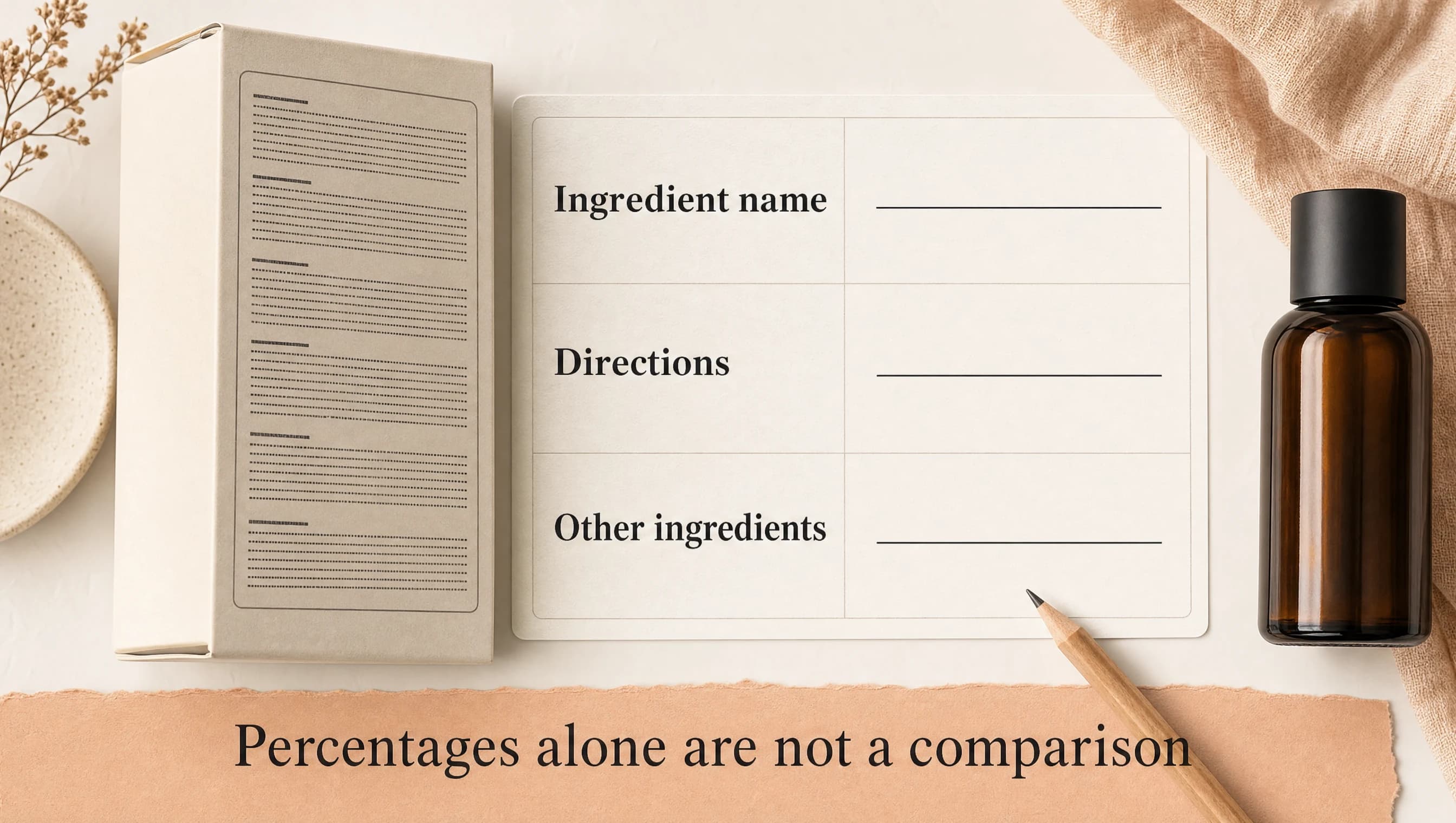
The practical question is whether the directions call for dry skin and how the product fits into the rest of the routine. A specified interval in one source should not automatically become a requirement for every formula.
| Situation | Reference to use | Decision |
|---|---|---|
| Cosmetic label specifies dry skin | That product's instructions | Preserve the dry-skin requirement |
| Label gives an exact waiting interval | The complete directions | Follow the stated interval |
| Label only says after cleansing | Manufacturer guidance and your routine | Do not add wet application as an intensity trick |
| Prescribed topical medicine | Prescriber and medicine leaflet | Keep its instructions separate from cosmetic advice |
The AAD's routine guidance offers a cautious framework, while the package identifies the requirements of the product you actually use.
Compare two current product instructions
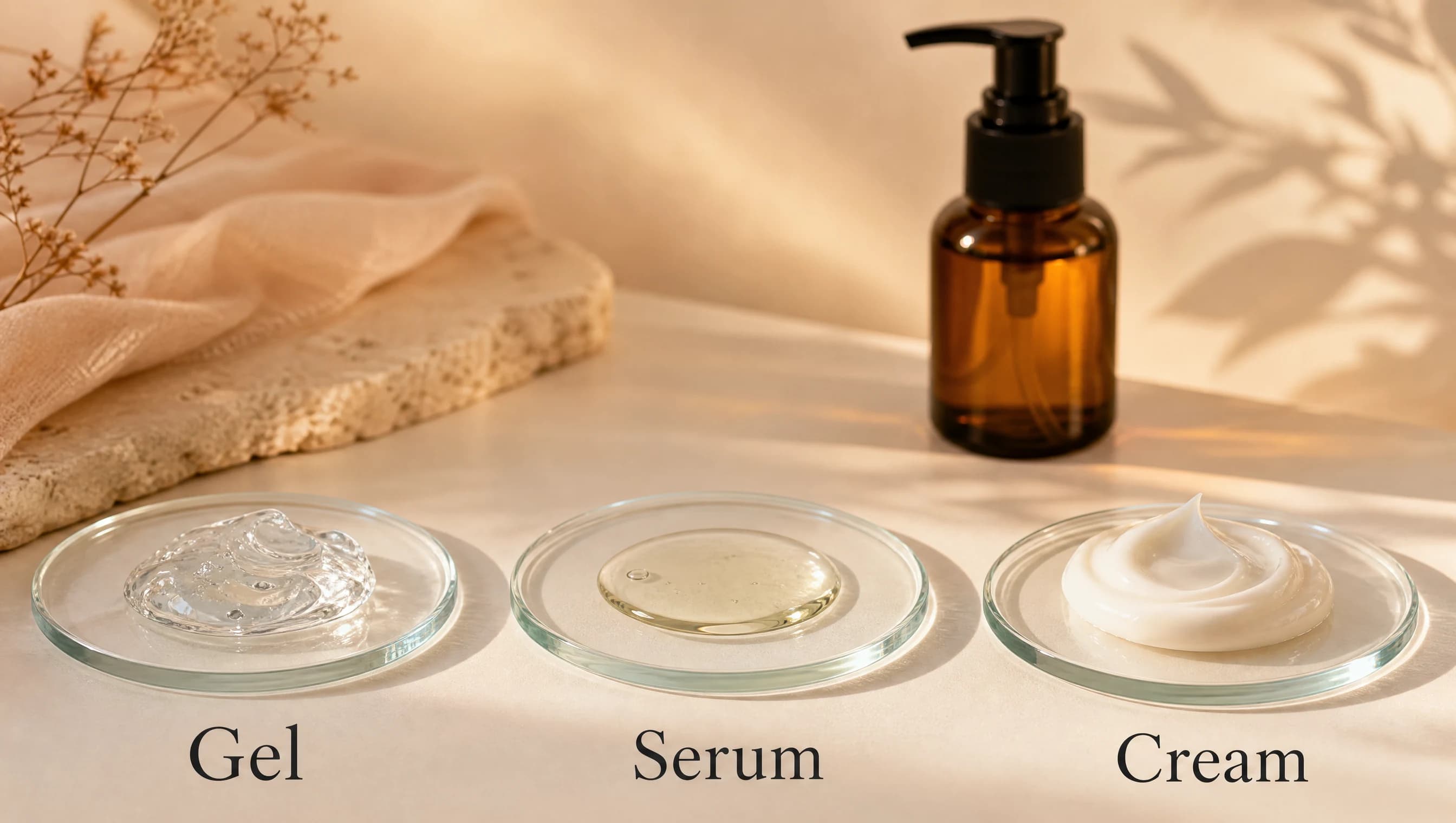
CeraVe Skin Renewing Retinol Serum directs use after cleansing in the evening and describes gradual introduction. The Ordinary Retinol 0.2% in Squalane specifies a few drops in the evening, alongside its own warnings and storage instruction.
Neither of those usage sections provides a universal minute count for all retinol products. Their instructions also do not support applying extra product to compensate for having allowed the face to dry.
Record the exact bottle name when comparing guidance. A water-based serum, an anhydrous formula and a retinol cream may have different directions. Our retinol serum versus cream guide helps separate those format questions.
Fit moisturizer around the relevant instructions

Moisturizer placement can be part of a retinoid routine, but changing it should not override a medicine's directions. The AAD discusses moisturizer as an option when a retinoid is drying; the appropriate arrangement still depends on the product and the person's situation.
Our retinol sandwich-method guide explores that approach in more detail. Use it as background, not as proof that any irritating product becomes suitable when placed between cream layers.
If you have a prescribed regimen, ask the prescriber or pharmacist how to handle washing, drying and moisturizer. Bring the names of the other products you use so the answer addresses the actual routine rather than an abstract ingredient list.
Avoid changing several variables at once
A brief method note is enough: “Exact product: __. After cleansing: follow its stated drying requirement. Amount and moisturizer order: copy the label or prescribed instructions.” Record what you actually did beside those directions. If the two differ, resolve that mismatch before experimenting with a waiting time.
Do not intentionally keep skin wet, add more retinol or increase frequency to chase a faster result. If irritation appears, follow the stop-use directions. Burning and persistent discomfort are not useful targets to pursue.
Our guide to introducing a new skincare product offers a way to organize changes.
Recognize when suitability comes first
Retinoids should be avoided during pregnancy according to the AAD. Discuss options with a clinician when planning pregnancy or managing a skin condition. The choice between wet and dry application does not remove those considerations.
For broader context, read our retinol guide for mature skin and retinol for dark-spot concerns. A cosmetic application guide cannot establish whether retinol is the right treatment for a persistent or unexplained skin problem.
Frequently asked questions
Must I wait exactly 20 or 30 minutes every time?
Not as a universal rule for every product. Follow an exact interval when your label or clinician specifies it; otherwise check the relevant product guidance.
Should I use wet skin to intensify retinol?
No. Do not use wet application as a way to increase intensity. Follow the product directions and prioritize comfort and suitability.
Can I use this advice for prescription tretinoin?
Use the medicine's leaflet and prescriber's directions. Cosmetic-retinol guidance should not replace a prescribed treatment plan.
Sources
American Academy of Dermatology: Skin care in your 20s (aad.org) — https://www.aad.org/public/everyday-care/skin-care-basics/care/skin-care-in-your-20s
CeraVe US: Skin Renewing Retinol Serum (cerave.com) — https://www.cerave.com/skincare/facial-serums/skin-renewing-retinol-serum
The Ordinary: Retinol 0.2% in Squalane (theordinary.com) — https://theordinary.com/en-us/retinol-02-in-squalane-serum-100439.html
American Academy of Dermatology: Pregnancy skin care (aad.org) — https://www.aad.org/public/everyday-care/skin-care-secrets/routine/pregnancy-skin-care
Clear guidance, checked before publication.
Solvi articles are structured by our editorial team and reviewed for clarity, consistency, and responsible health language. We update pages when guidance or product information changes.