The best retinol for mature skin: a barrier-first guide


Answer up front: for mature skin, the best retinol balances measurable potency with hydration and barrier support — aim for encapsulated or gradual-release retinol in the 0.25–1.0% range, in a vehicle that includes humectants (hyaluronic acid, glycerin) and barrier lipids (ceramides, squalane). Start with a lower concentration, build over 8–12 weeks, pair nightly retinol with a rich moisturizer and daily SPF, and consider prescription tretinoin only if tolerance and clinical need justify it.
This guide explains what to look for by texture, delivery technology, and ingredient pairing so you can choose a long-term routine that actually improves lines and texture without chronically compromising the skin barrier. The editorial approach here prioritizes tolerability and sustained use — the most important factors when skin is older and drier.
What mature skin needs from retinol
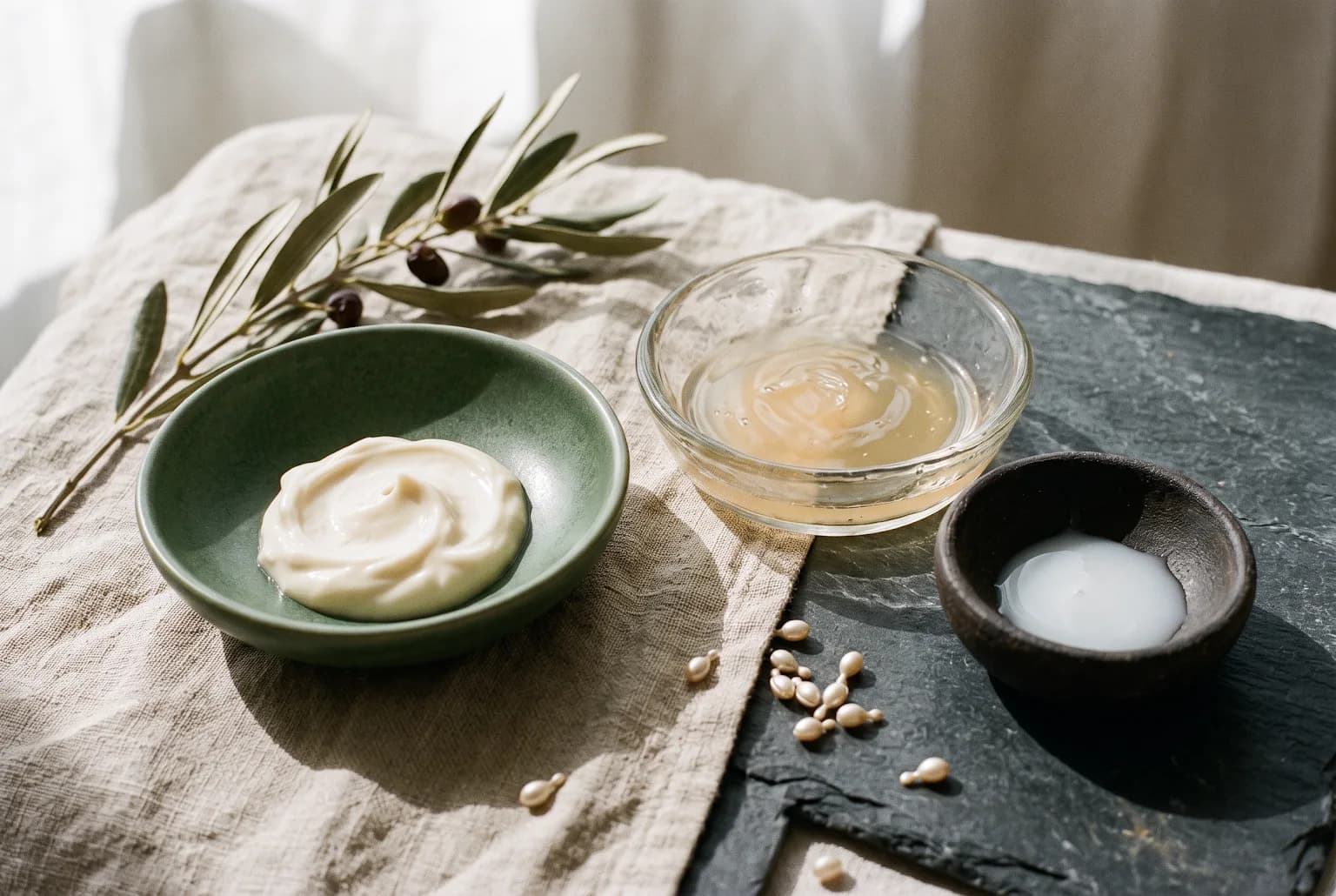
Mature skin tends to be drier, thinner, and slower to recover; that makes potency less important than predictable tolerability. Prioritize formulations that reduce peak irritation: encapsulated retinol or slow‐release delivery systems release active over time, which lowers the immediate irritation signal and helps you stay consistent. Look for products with explicit concentration ranges (0.25–1.0% retinol) so you can choose a starting point and step up.
Humectants and barrier lipids are not optional extras for older skin — they are core co‐ingredients. Hyaluronic acid, glycerin and polyglutamic acid pull and hold water; ceramides, cholesterol derivatives and squalane restore barrier integrity. When retinol and these supporters are combined in the same formula, you reduce transepidermal water loss and redness while preserving results from the active.
How to pick concentration and vehicle
Decide first on your tolerance profile. If your skin is reactive or chronically dry, start with 0.25–0.3% retinol in a richer cream vehicle. If you tolerate actives well, 0.5–1.0% in an encapsulated serum can be more efficient at improving fine lines. Creams typically contain more emollients and lipids; serums often sit lighter and deliver retinol in oil or microencapsulation carriers that can increase penetration.
Vehicle affects both feel and safety. A retinol in a water‐rich serum with glycerin and hyaluronic acid will feel light and layer easily under daytime SPF, but you may need an additional night cream. A retinol cream that lists ceramides, fatty acids or squalane on the ingredient deck will protect barrier function and reduce purge‐like reactions.
| Decision factor | What to check on the label | Who it suits |
|---|---|---|
| Concentration | 0.25%, 0.3%, 0.5%, 1.0% | Reactive/dry (low), tolerant (mid–high) |
| Vehicle | Cream vs serum vs encapsulated oil | Dry/mature (cream), combination (serum) |
| Delivery tech | Encapsulation, slow-release | Anyone who needs gentler onset |
| Supporting actives | Hyaluronic acid, ceramides, squalane | Barrier-needy mature skin |
Why encapsulated and slow‐release formulas matter
Encapsulation is a delivery technology that traps retinol in a carrier — often a lipid capsule or polymer matrix — and releases it gradually. For mature skin, this reduces the instant spike of irritation that causes flaking and redness, so you can maintain use without repeatedly stripping the barrier. Encapsulated options are frequently recommended when you want measurable efficacy but need to avoid chronic inflammation.
Not every encapsulated product is equal: the capsule material and vehicle dictate feel and release curve. A cream with encapsulated retinol plus ceramides is a different tolerance profile from a lightweight encapsulated serum in a mostly oil base. If you respond poorly to tretinoin but want similar long‐term benefits, start with a well‐formulated encapsulated retinol and give it 8–12 weeks before judging efficacy.
Balancing potency with hydration and barrier lipids
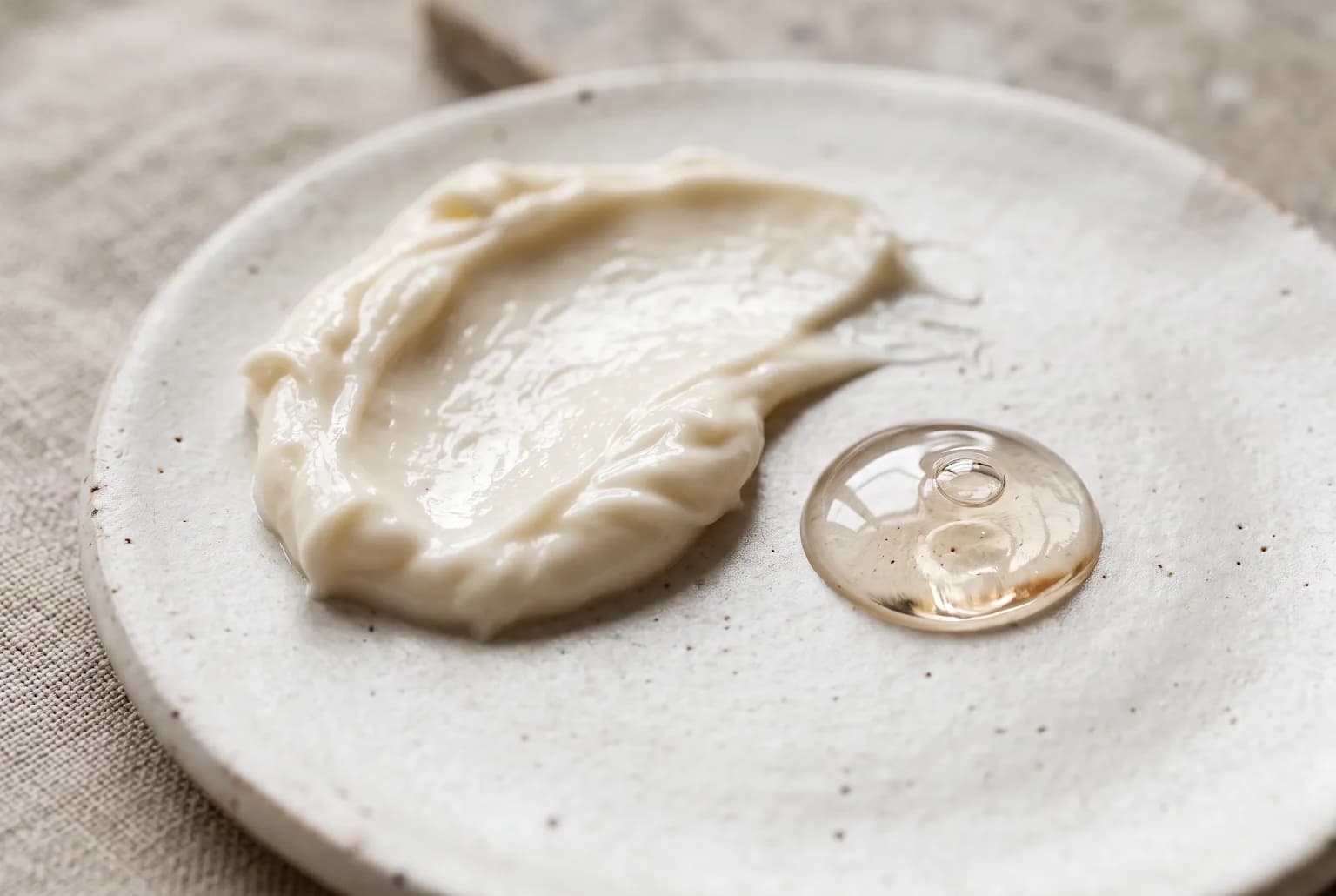
A potent retinol without hydrators is a short path to chronic dryness and rebound sensitivity. Mature skin benefits when formula design pairs the active with at least two layers of support: humectants (to attract and hold water) and occlusive/emollient lipids (to seal and rebuild the barrier). Examples of good supporters are hyaluronic acid and glycerin paired with ceramides, cholesterol esters, and squalane.
Texture matters here as much as ingredients. A thicker, richer cream will deliver more lipids per application and is often the safer choice for night use on dry mature skin. If you love the feel of a lightweight serum, plan to follow it with a moisturizing night cream that lists ceramides or fatty acids. That layering approach preserves the active’s access to the skin while minimizing barrier compromise.
Morning and evening layering for tolerance and results
Retinol should be a night staple: it increases photosensitivity and degrades in sunlight. Evening layering should be simple: gentle cleanser, retinol product (serum or cream), then a richer night moisturizer if the retinol is in a light vehicle. For very dry mature skin, you can apply a thin layer of moisturizer first to buffer the retinol (the so‐called sandwich method), then apply a second moisturizing layer on top.
Morning must include a broad‐spectrum SPF applied as the final step. If you use additional actives like AHAs or benzoyl peroxide for pigmentation or acne scarring, separate them from retinol by several nights or consult a clinician; combining strong exfoliants and retinoids can produce irritation. If you need a product primer for the eye area, consult our guide to the best eye cream for dry skin and wrinkles to choose a non‐irritating pairing.
When to step up to prescription retinoids
Prescription tretinoin and similar retinoids offer stronger, faster results for deep lines and significant photoaging, but they also carry higher irritation risk. Consider escalation only if you’ve tolerated an over‐the‐counter retinol for several months, used supportive moisturizers consistently, and still need more clinical strength. If recurring inflammation or barrier breakdown occurs, pause escalation and prioritize barrier repair.
A practical decision example: if you began with 0.3% encapsulated retinol and after 3–6 months see limited textural change but excellent tolerance, a clinician may recommend switching to a prescription concentration or formulation. If you experienced persistent redness and flaking during that same period, focus on ceramide‐rich night creams and lower‐dose retinol rather than jumping to tretinoin.
Value and texture tradeoffs: creams, serums, drugstore options
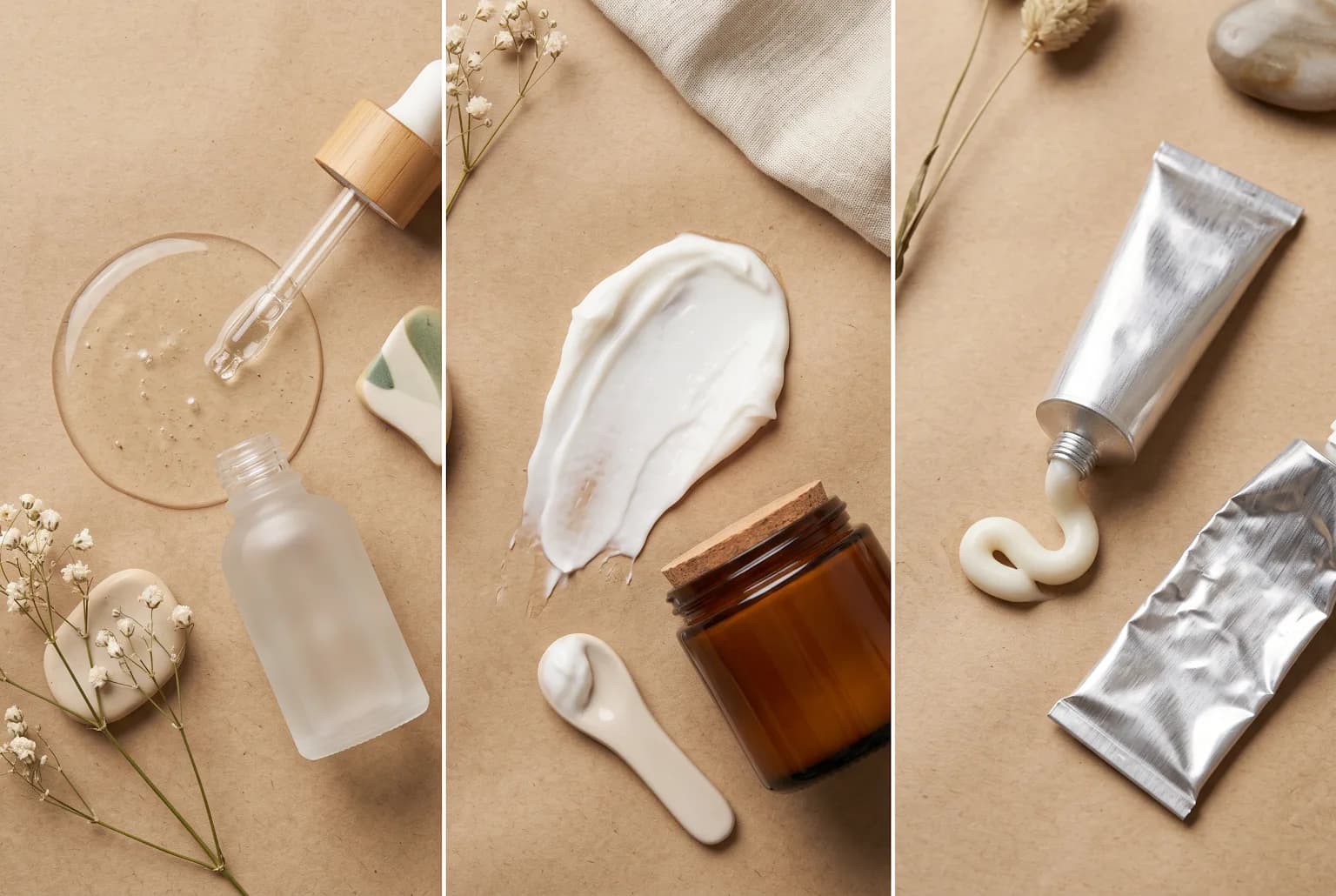
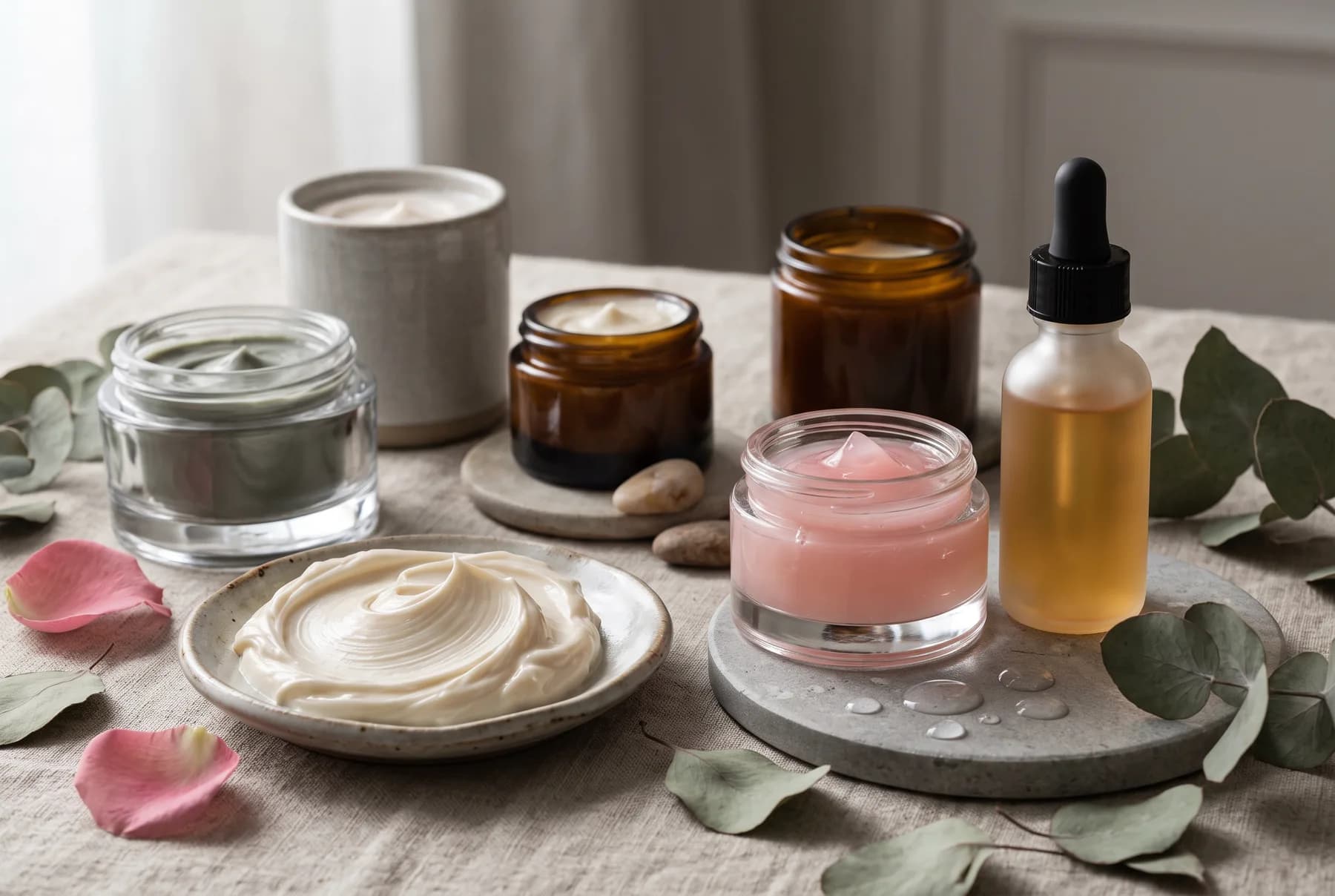
Creams: richer, slower‐release, and usually better for very dry mature skin. They often include ceramides and emollients, making them a convenient single‐product night routine. Tradeoff: heavier feel and sometimes higher price per ounce.
Serums: lighter, faster absorption, often encapsulated or oil‐based for deeper delivery. Tradeoff: they may need a follow‐up moisturizer and can feel less protective overnight.
Drugstore retinols: accessible and often formulated with hyaluronic acid (for example, variants like Neutrogena Rapid Wrinkle Repair combine retinol with hyaluronic acid). These are great value entry points; expect lower concentrations and simpler delivery tech. Conversely, clinic or prescription retinol+ceramide creams aim for maximum barrier support but typically require clinician access and higher cost.
Shopping checklist (quick list):
- Choose a starting concentration (0.25–0.3%) if reactive; 0.5% if tolerant.
- Prefer encapsulated or slow‐release delivery for mature skin.
- Ensure the formula includes at least one humectant and at least one barrier lipid.
- Plan a moisturizer layering strategy and daily SPF.
- Reassess after 8–12 weeks before increasing strength.
Frequently asked questions
How quickly will retinol improve lines and dark spots?
Expect gradual improvement. Over‐the‐counter retinols typically show early changes in skin texture within 8–12 weeks, with more visible reduction in fine lines and pigmentation after 3–6 months of consistent use. Mature skin can take longer to remodel, and results depend on concentration, delivery technology, and how well you protect the skin barrier and use daily SPF.
Can I use retinol if my skin is very dry and sensitive?
Yes, with caution. Choose a low concentration (0.25–0.3%), pick an encapsulated or cream vehicle with ceramides and humectants, and introduce the product on alternate nights. Use buffering techniques like a thin pre‐moisturizer layer if needed. If sensitivity persists, consult a clinician before increasing frequency or strength.
Should I combine retinol with other actives for dark spots or acne scars?
Combining retinol with gentler brightening agents (niacinamide, low‐strength azelaic acid) can help, but avoid stacking strong AHAs, benzoyl peroxide, or high‐strength acids on the same nights without professional guidance. For acne scars, pair consistent retinoid use with targeted serums designed for hyperpigmentation, and follow our guide to choosing a serum for acne scars to match mark type and tolerance.
Is a cream or serum better for forehead wrinkles specifically?
Both can work; choose by skin type and tolerance. Forehead lines often respond well to consistent retinoid exposure. If your forehead is dry, a cream with ceramides and squalane will sustain the barrier and reduce irritation. For lighter texture and faster absorption, an encapsulated serum can be effective if you follow with a moisturizing night cream.
Related Reading
- The best face cream for mature skin: an ingredient-first buyers’ guide
- Best Cream for Fine Lines: A Smart Buyer’s Guide to Day, Night, and Sensitive-Skin Formulas
- Best Serum for Wrinkles and Fine Lines: Choose by Your Skin’s Real Priority
Sources
- Vogue — Best retinols for mature skin (expert roundup, 2025–2026)
- Sarah Skin MD — Retinoids for skin over 40 (derm review, 2026)
- Today — Best retinol products for your 60s (dermatologist tips, 2026)
Internal links referenced:
- For eye area pairing suggestions, see our guide on Best Eye Cream for Dry Skin and Wrinkles: The Formula-First Guide.
- If your skin is sensitive at night, our Best Night Moisturizer for Sensitive Skin: A Barrier-First Guide for Mature, Dry, and Combination Skin explains layering strategies.
- When targeting marks alongside retinol, read Best Serum for Acne Scars: Choose by Mark Type, Not Hype.
- For creams that target fine lines without harsh textures, consider Best Cream for Fine Lines: A Smart Buyer’s Guide to Day, Night, and Sensitive-Skin Formulas.
Clear guidance, checked before publication.
Solvi articles are structured by our editorial team and reviewed for clarity, consistency, and responsible health language. We update pages when guidance or product information changes.

Naomi Chen
Skincare Ingredients Writer. Naomi reads ingredient lists for fun and loves translating formulation language into advice that makes sense at the bathroom mirror. Hydration, barrier care, and sensitive-skin formulas are her favorite rabbit holes.