How to Remove Water-Resistant Sunscreen Without Overwashing
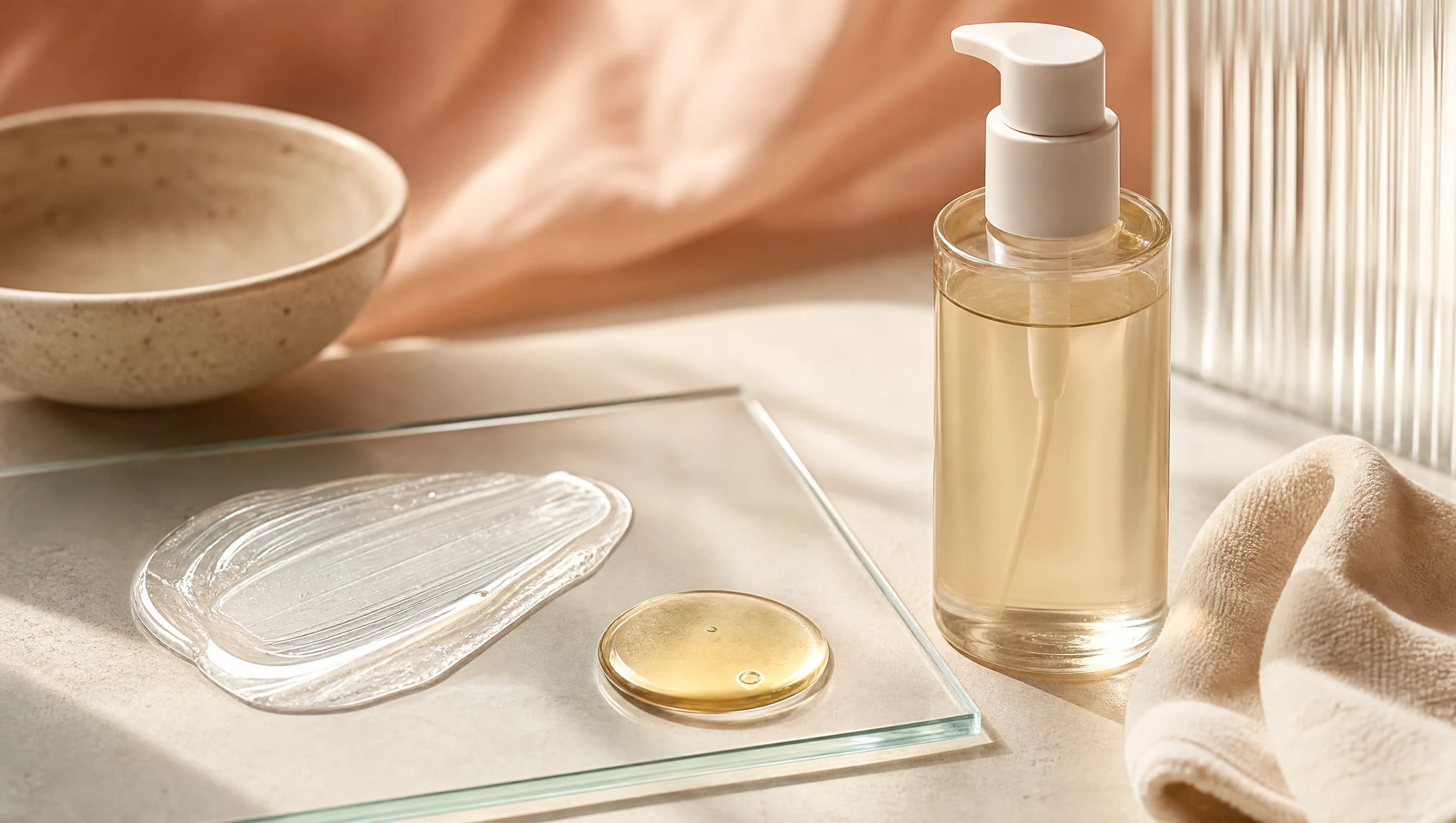
Remove water-resistant sunscreen with a cleanser used according to its directions. If the formula is difficult to remove, consider a makeup-removing cleanser or balm intended for that task rather than washing harder. A second cleansing step is an option to evaluate, not a requirement created by the words “water resistant.”
The sunscreen’s water-resistance time describes protection during water exposure. It is not a timer for evening cleansing, and it does not mean the sunscreen is permanently attached to your skin.
Read the protection label separately from removal

The 40- or 80-minute water-resistance statement concerns sunscreen use in water and reapplication. It does not specify a cleansing time or require a particular removal ingredient. Start the evening decision with the cleanser’s directions and the cosmetics you actually need to remove.
Keep two questions separate: how to use the sunscreen during the day, and how to remove the finished formula later. The ingredients providing UV protection do not, by themselves, specify the complete product’s removal method.
Start with a normal gentle cleanse

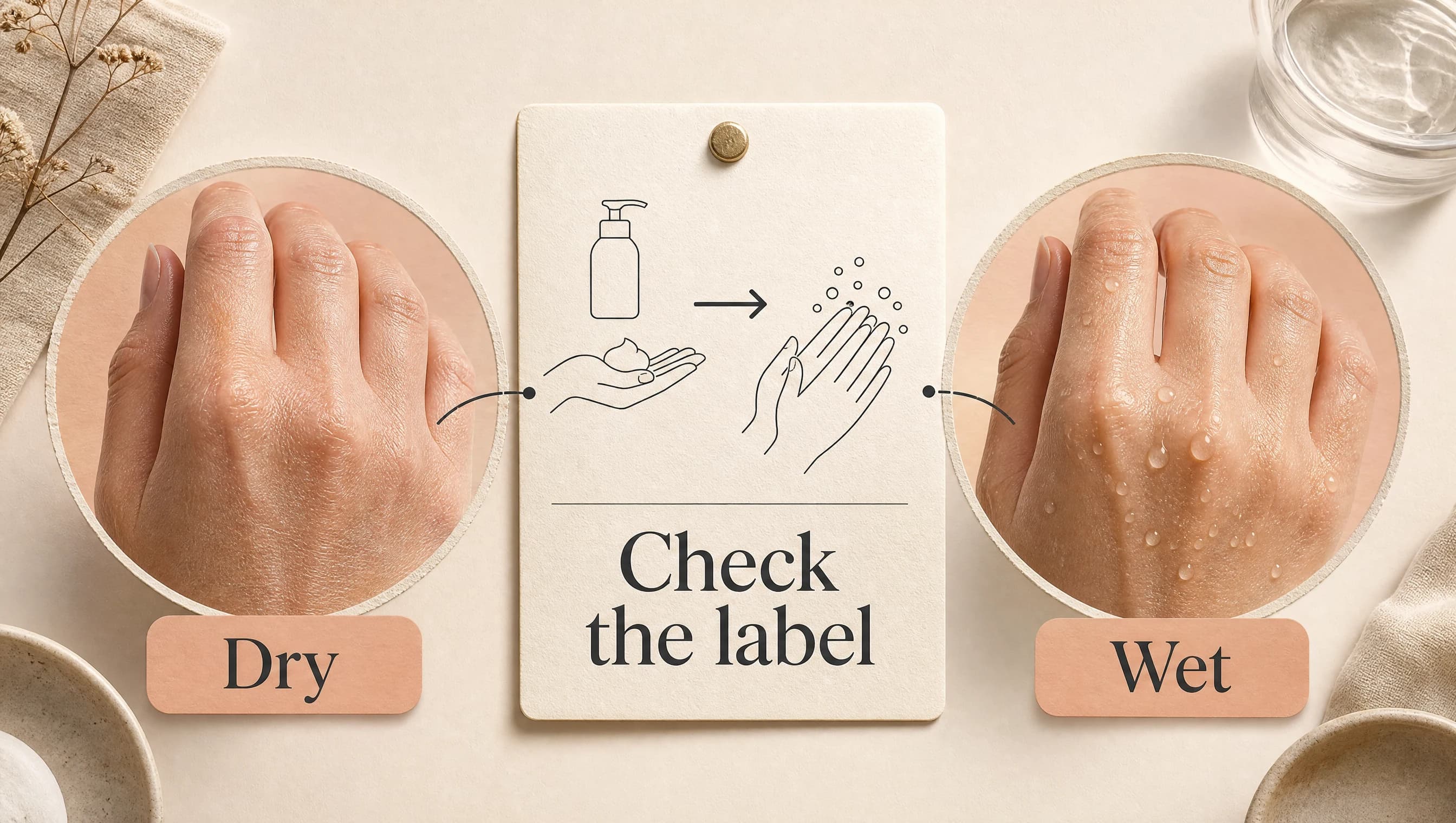
Use the directions for the cleanser you already have. Do not change a wet-applied wash into a dry-applied one or leave it on much longer because the sunscreen has a water-resistance claim.
If the product comes off comfortably, the removal problem is solved. There is no need to add an oil, balm or brush solely to complete a routine template.
If removal is difficult, change the method deliberately

| What you notice | What to check next |
|---|---|
| A visible tinted layer remains | Confirm the sunscreen and cleanser directions |
| You keep rubbing the same area | Reconsider the removal format instead of increasing friction |
| You want a separate first step | Compare a remover that explicitly fits the task |
| Your face feels tight after repeated washes | Stop treating tightness as evidence of successful removal |
CeraVe’s cleansing-balm guidance identifies sunscreen removal as one intended use and gives dry-skin application followed by rinsing. That is a concrete option to compare, not proof that every sunscreen requires a balm or that every oil cleanser has the same instructions.
Our cleansing oil versus balm guide compares those formats. If you prefer a wipe-on product, micellar water versus face wash explains the different method.
Add a second step only for a clear reason
The useful reason for another product is an unresolved removal task. It is not a need to make skin feel completely stripped of slip or softness.
Our double-cleansing guide for sensitive skin considers that decision in more detail. For specific formats, compare the sensitive-skin makeup-remover guide or micellar-water shortlist.
The AAD’s general face-washing advice favors a gentle technique. Repeated scrubbing is not a reliable way to establish complete sunscreen removal, and this guide does not provide a home test that measures invisible residue.
Frequently asked questions
Does water-resistant sunscreen always need an oil cleanser?
The water-resistance claim alone does not establish that. Start with the product directions and the actual removal problem.
Does an 80-minute label mean cleansing takes longer?
No. That number concerns tested water resistance during wear, not a cleansing duration.
Should I use a brush to remove the last traces?
A brush is not required by the water-resistance label. Reassess the cleanser’s intended task before adding friction or another device.
Sources
American Academy of Dermatology: understanding sunscreen labels (aad.org) — https://www.aad.org/public/everyday-care/sun-protection/shade-clothing-sunscreen/understand-sunscreen-labels
CeraVe: cleansing balms and double cleansing (cerave.com) — https://www.cerave.com/skin-smarts/skincare-tips-advice/what-is-double-cleansing
American Academy of Dermatology: Face washing 101 (aad.org) — https://www.aad.org/public/everyday-care/skin-care-basics/care/face-washing-101
Clear guidance, checked before publication.
Solvi articles are structured by our editorial team and reviewed for clarity, consistency, and responsible health language. We update pages when guidance or product information changes.