Best Micellar Water for Combination Skin: How to Choose Between Bioderma and Garnier


Combination skin usually does best with a micellar water that clears makeup and surface oil without making the drier perimeter of the face feel stripped. Bioderma Sebium H2O is the direct match when oiliness is a major concern, while Bioderma Sensibio H2O is the gentler direction for combination skin that is also reactive; Garnier SkinActive Micellar Cleansing Water offers a widely available targeted alternative.
The smarter shopping question is not simply which bottle removes the most. It is whether the formula, pad technique, and follow-up cleanse suit the makeup, sunscreen, and shifting oil levels you actually have that day.
The short answer
For a visibly oilier T-zone with otherwise normal cheeks, start by considering Bioderma Sebium H2O. Its positioning is specifically for combination to oily skin, making it the most intuitive pick in this comparison when midday shine and a makeup-removal step need to coexist.
If your forehead and nose get shiny but your cheeks sting, flush, or feel easily unsettled, Bioderma Sensibio H2O may be the more sensible lane. It is positioned for sensitive skin, and that sensitivity piece can matter more than the oil-control label when friction itself is part of the problem.
Garnier SkinActive Micellar Cleansing Water in a combination-skin variant is worth considering for shoppers who prioritize easy access and want to compare package sizes and cost per mL. Treat the final choice as a formula-and-routine decision, rather than assuming a micellar water must perform every cleansing job alone.
Combination skin needs a two-speed cleanse
Combination skin is not a fixed skin type with one universal finish. It can look oily through the central face while the cheeks remain comfortable, feel dry after cleansing, or become reactive when a cotton pad is repeatedly dragged over the same spots. Seasonal weather, makeup coverage, and sunscreen wear can all change what a good cleansing night looks like.
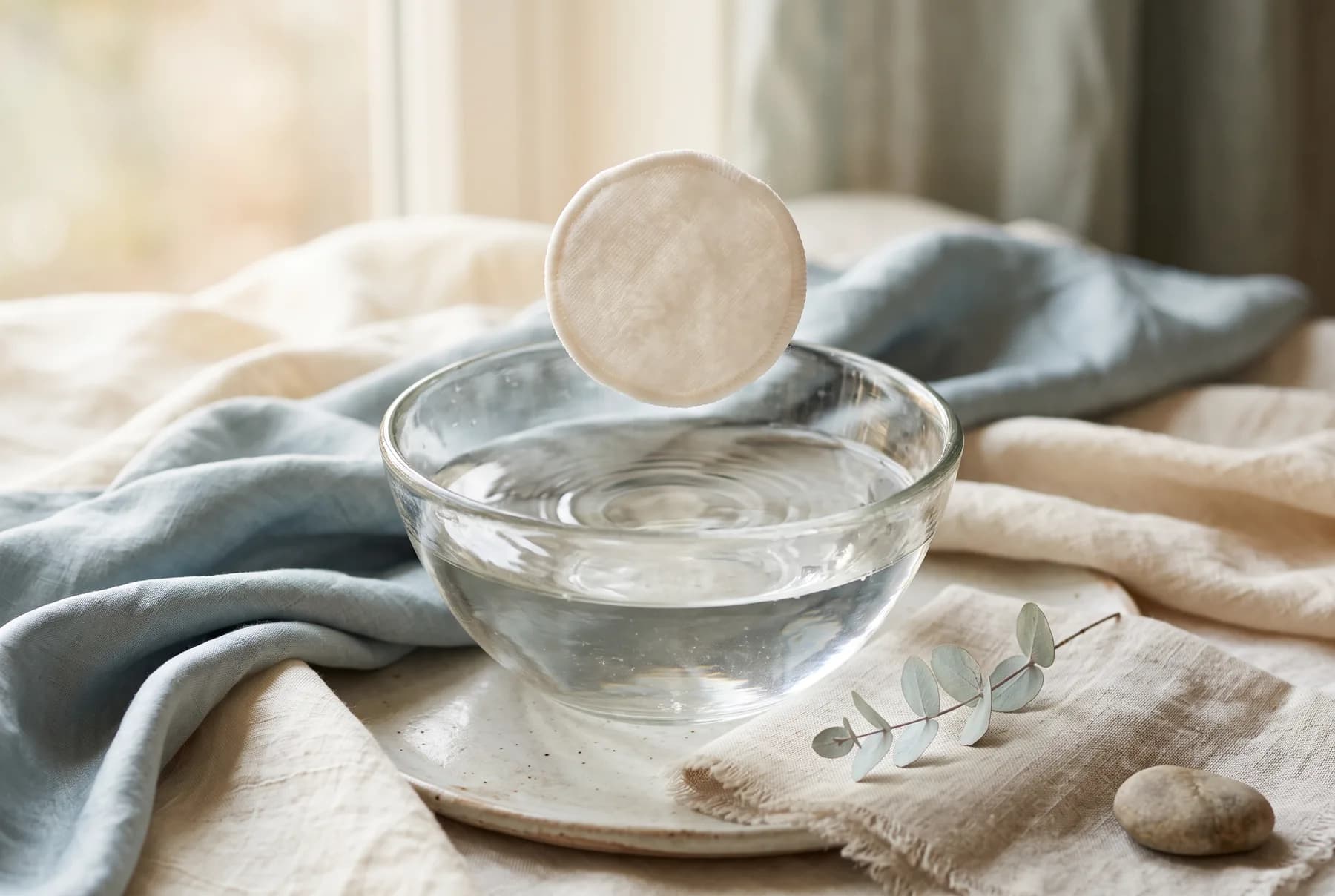
Micellar water is especially useful because its liquid format is light, quick, and easy to direct. Saturate a soft cotton pad, pause it over makeup for a moment, then sweep with minimal pressure. The goal is a gentle lift—not polishing the skin until the pad is perfectly white.
What to prioritize
- Match the variant to the concern that is most limiting: combination/oily positioning for persistent shine, or sensitive-skin positioning for a reactive complexion.
- Look closely at the ingredient list if your skin is easily bothered; fragrance-free and alcohol-free formulas are generally preferable criteria for a lower-irritation routine.
- Consider the makeup and sunscreen you wear most often, not just your bare-skin cleanse on a quiet morning.
- Compare bottle size, retailer availability, and cost per mL instead of assuming the lowest shelf price is the best value.
- Choose soft, clean cotton pads that do not require aggressive rubbing to stay in one piece.
A pad cleanse also offers a small practical advantage: you can use a fresh side for the eye area and another for the rest of the face, rather than redistributing makeup. That said, more passes are not inherently better. Reactive cheeks often benefit from fewer, more deliberate passes.
Bioderma vs. Garnier: which micellar water fits your skin?
Bioderma and Garnier both make micellar-water options relevant to this category, but the useful distinction is the skin concern each variant is designed to address. Bioderma offers a more explicit fork between Sebium H2O for combination/oily skin and Sensibio H2O for sensitive skin. Garnier’s combination-skin option belongs in the comparison when accessibility and a targeted everyday format are central to your purchase.
No one product is automatically “best” without context. A combination complexion that tolerates most products and produces substantial surface oil may gravitate toward Sebium H2O, while one that becomes uncomfortable with friction or frequent cleansing may put tolerance first with Sensibio H2O.
| Option | Brand positioning | Best decision lens | Main tradeoff to consider |
|---|---|---|---|
| Bioderma Sebium H2O | Combination to oily skin | Your T-zone is consistently shiny and you want a variant aligned with oilier areas | Check that the rest of your routine does not leave cheeks feeling over-cleansed |
| Bioderma Sensibio H2O | Sensitive skin | Combination skin is also reactive, easily uncomfortable, or prone to irritation from rubbing | It may be a better tolerance choice than an oil-focused choice |
| Garnier SkinActive Micellar Cleansing Water, combination variant | Targeted combination-skin option | You want to compare accessible formats, availability, and cost per mL | Confirm the exact variant and ingredient list at the retailer before buying |
Bioderma Sebium H2O
Sebium H2O is the straightforward contender for the person searching “best micellar water for oily skin” but whose cheeks are not uniformly oily. Its combination/oily positioning gives it the clearest fit when shine is the lead concern and you want a lightweight first cleanse before a water-based cleanser at night.
Use that positioning as a starting point, not a reason to ignore feel. If the drier areas of your face begin to feel taut after regular use, reassess the number of pad passes, the cleanser that follows, and whether a sensitive-skin alternative better suits your current routine.
Bioderma Sensibio H2O
Sensibio H2O makes sense for the combination-skinned person whose primary issue is sensitivity rather than excess oil alone. This could be the shopper who has an oily nose but finds makeup-removal friction, frequent cleansing, or strongly scented formulas more difficult to live with.
It is also a useful reminder that your “best” micellar water can change. During a period when your barrier feels less comfortable, a sensitive-skin-focused option may be the more elegant choice even if the T-zone remains shiny.
Garnier SkinActive Micellar Cleansing Water
Garnier’s combination-skin option is a practical comparison point, particularly if you shop at mass retailers and want to weigh size against cost per mL. Confirm the front-label skin designation and current ingredient list, because similar-looking micellar products can be made for different needs.
Rather than deciding by brand loyalty, compare the exact bottle in hand with the criteria above. The right value is a formula you can use gently and consistently—not simply the largest bottle or the strongest-feeling cleanse.
How to shop the label without overthinking it
A well-chosen micellar water should make the first part of cleansing easier. It should not force you into a daily tug-of-war between removing makeup and preserving comfort on the less-oily parts of your face.
Your three buying questions
- Is my biggest concern visible oil, sensitivity, or equal parts of both?
- Do I normally wear light makeup and everyday sunscreen, or long-wear base makeup and more tenacious sunscreen?
- Am I willing to follow with a water-based cleanser at night when my removal load is heavier?
If your answers are “oil,” “light coverage,” and “yes,” a combination/oily-targeted micellar water such as Sebium H2O is a logical category to explore. If your answers center on sensitivity or discomfort, Sensibio H2O offers the more relevant positioning. If accessibility, size choices, and cost comparison top the list, add Garnier’s combination option to your side-by-side review.
What not to expect from one bottle
- A no-rinse micellar step may be convenient, but convenience is not the same as a complete cleanse after heavy makeup or durable sunscreen.
- An oil-focused variant cannot compensate for harsh pad pressure or a drying cleanser used afterward.
- A sensitive-skin variant does not mean you should skip patch-testing a new formula if you know your skin reacts easily.
- A larger bottle is only better value if you will use it before the product’s recommended period after opening and can store it cleanly.
When micellar water needs a second cleanse
Think of micellar water as a flexible first cleanse, not a rule that every night must be identical. On a low-makeup day, it can be a fast way to freshen up. On a night involving long-wear complexion products, water-resistant eye makeup, or a substantial layer of sunscreen, following with a gentle water-based cleanser is the more thorough route.
That second step is not punishment for combination skin. It is a way to avoid repeatedly scrubbing with cotton pads in an attempt to make one format do all the work.
Evening routine for makeup or heavy SPF
- Saturate a cotton pad with micellar water; do not use a barely damp pad that creates drag.
- Press over eyes, lips, and areas with base makeup for a brief moment, then wipe gently outward.
- Repeat with fresh pads as needed, using light pressure rather than vigorous back-and-forth rubbing.
- Cleanse with a mild water-based face wash and lukewarm water.
- Continue with your usual leave-on products, selecting textures that feel appropriate for both the T-zone and cheeks.
Quick cleanse for bare skin or minimal coverage
- Saturate one soft cotton pad with micellar water.
- Sweep lightly across the face, avoiding repeated friction on dry or reactive areas.
- Assess your skin: if there is makeup, heavy sunscreen, or a remaining film, follow with a water-based cleanser.
- Finish with the rest of your routine if needed.
If you prefer to rinse after micellar water, that is a reasonable personal-routine choice. Follow the directions on your specific product, especially around the eye area, and let comfort guide how often you use pads.
A better way to judge value
Value is not merely the price stamped on a bottle. For a daily cleanser-adjacent product, the real calculation includes how much you use per cleanse, whether the packaging dispenses cleanly, how readily you can replace it, and whether the formula fits enough of your routine to earn a spot on the shelf.
Compare these details at the store
- Divide the price by the number of milliliters to compare cost per mL across bottle sizes.
- Check whether you are looking at Sebium H2O, Sensibio H2O, or a Garnier combination-skin variant rather than a neighboring product with a similar name.
- Read the current ingredient list, particularly if you are trying to avoid fragrance or alcohol.
- Consider how many cotton pads your usual makeup routine will require; pad use is part of the ongoing cost.
- Favor a size you can finish comfortably, especially if you alternate micellar water with another first-cleanse format.
The most polished routine is often the least dramatic: a targeted micellar water, enough liquid on the pad to avoid drag, and a second cleanse when the day calls for it. Combination skin does not need to be forced into an all-or-nothing choice between oil removal and comfort.
Related reading
- Double Cleansing for Sensitive Skin: Gentle Guide
- Best Face Wash for Sensitive Skin: Gentle Guide
- Products for Combination Skin: Shopping Guide
Frequently asked questions
Is micellar water good for combination skin?
Yes. It can be a useful low-effort option for lifting surface oil and makeup, provided you choose a variant aligned with your main concern and avoid over-rubbing. Combination/oily and sensitive-skin variants offer different starting points.
Is Bioderma Sebium H2O or Sensibio H2O better for combination skin?
Sebium H2O is the more direct match when combination skin leans oily. Sensibio H2O may be the stronger fit when the same complexion is also easily irritated or uncomfortable with cleansing friction.
Can I use micellar water instead of cleanser?
For a quick, low-coverage cleanse, it may be enough for some routines. If you wear heavy sunscreen, long-wear makeup, or water-resistant makeup, use micellar water first and follow with a water-based cleanser.
Why does micellar water irritate my cheeks?
The formula may not suit your skin, but the pad technique can also be the issue. Use a fully saturated soft pad, press before wiping, limit repeat passes, and consider a sensitive-skin-focused option if your skin is reactive.
Sources
- Bioderma – combination skin guidance
- Garnier – micellar selection guidance
- Ulta Beauty – micellar water overview
Clear guidance, checked before publication.
Solvi articles are structured by our editorial team and reviewed for clarity, consistency, and responsible health language. We update pages when guidance or product information changes.

Maya Bennett
Senior Beauty Editor. Maya is the skincare obsessive who turns big beauty questions into clear, grounded guidance. She is especially interested in routines that respect real skin, real schedules, and realistic budgets.