The best makeup remover for sensitive skin: a format-first guide


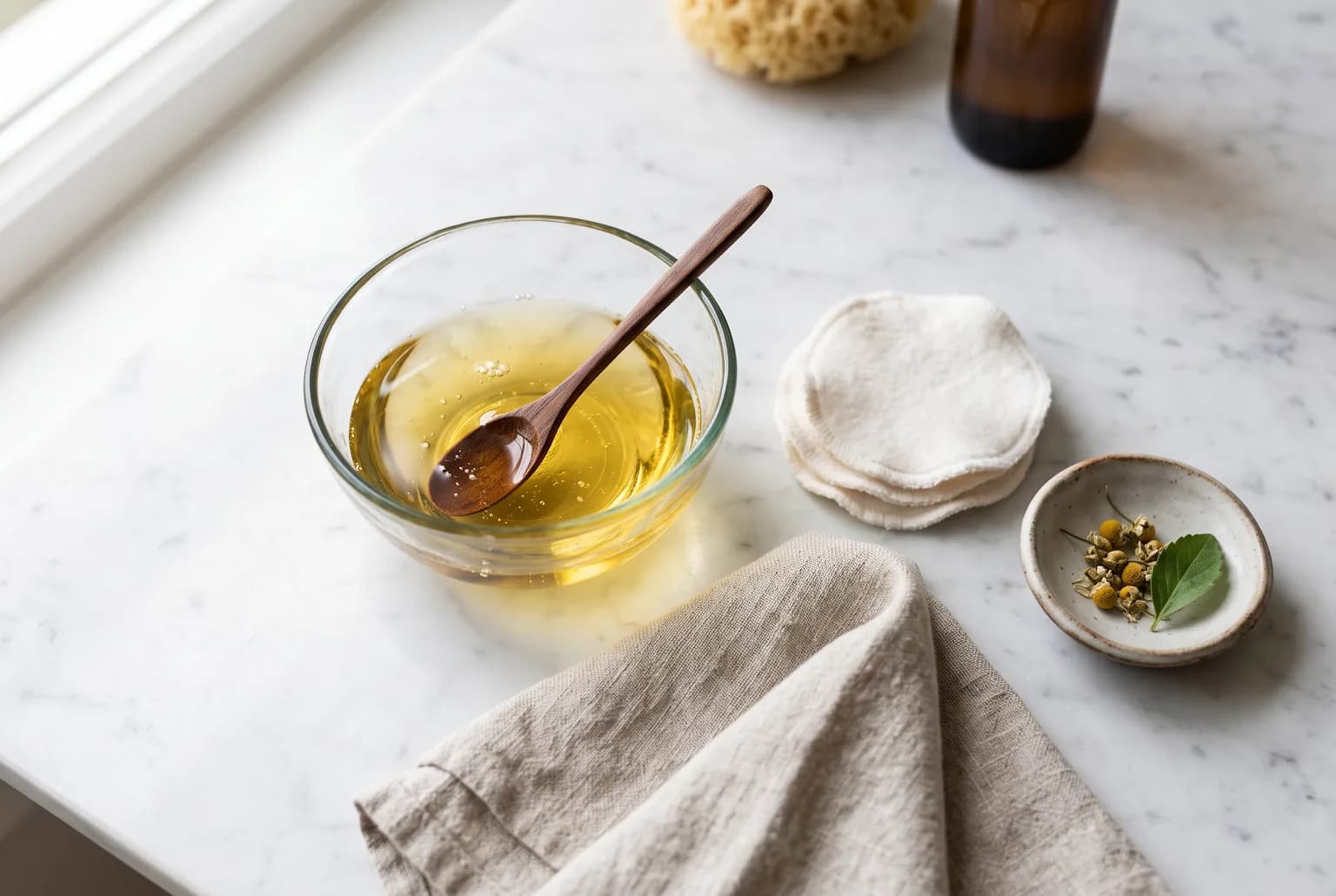
Use a fragrance‐free cleansing balm or oil to dissolve heavy or waterproof makeup, then follow with a gentle cleanser (double cleanse); for light makeup, a fragrance‐free micellar water can remove makeup without over‐stripping. For the eye area, choose an ophthalmologist‐tested, oil‐free sensitive formula or a gentle bi‐phasic remover and avoid alcohol and strong fragrances.
How to choose the right format for makeup removal
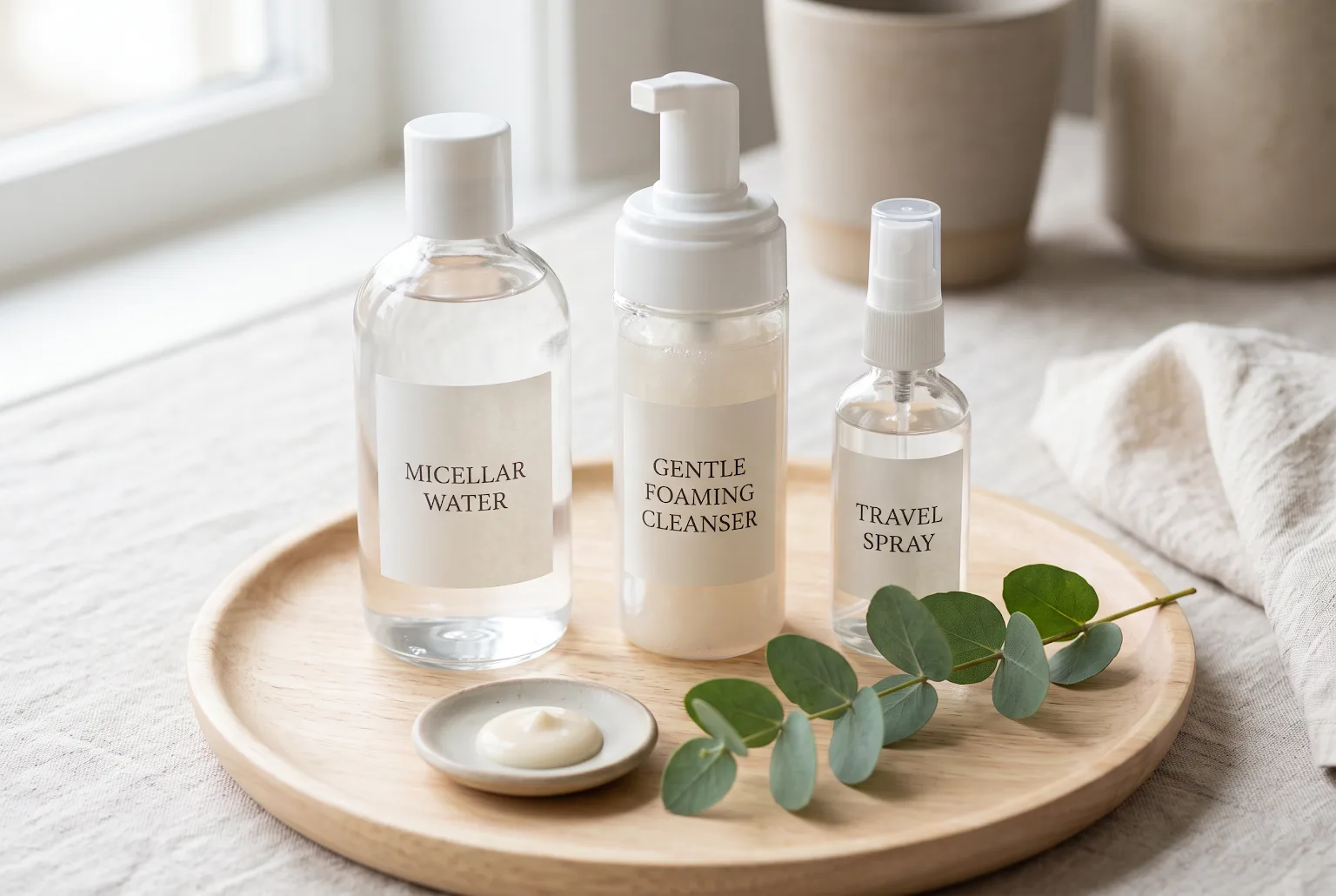
Start by pairing remover texture with the makeup you wear: micellar water is best for lightweight foundation, tinted moisturizers, and everyday mascara. Oils and balms dissolve long‐wear foundation, waterproof eyeliner, and stubborn lipstick more efficiently. If you have combination skin, you can alternate formats—micellar on low‐makeup days, balm on heavy‐makeup days—to avoid daily oil loads that can leave residue.
Consider these tradeoffs: micellar water rinses easily and feels light but may require several passes to remove heavy eye makeup; oils and balms melt pigment quickly but need careful rinsing to avoid milia or a milky film. Look for fragrance‐free labels and minimal irritants when shopping.
<!-- image: how-to-choose-the-right-format-for-makeup-removal -->
Why double cleanse matters for sensitive skin
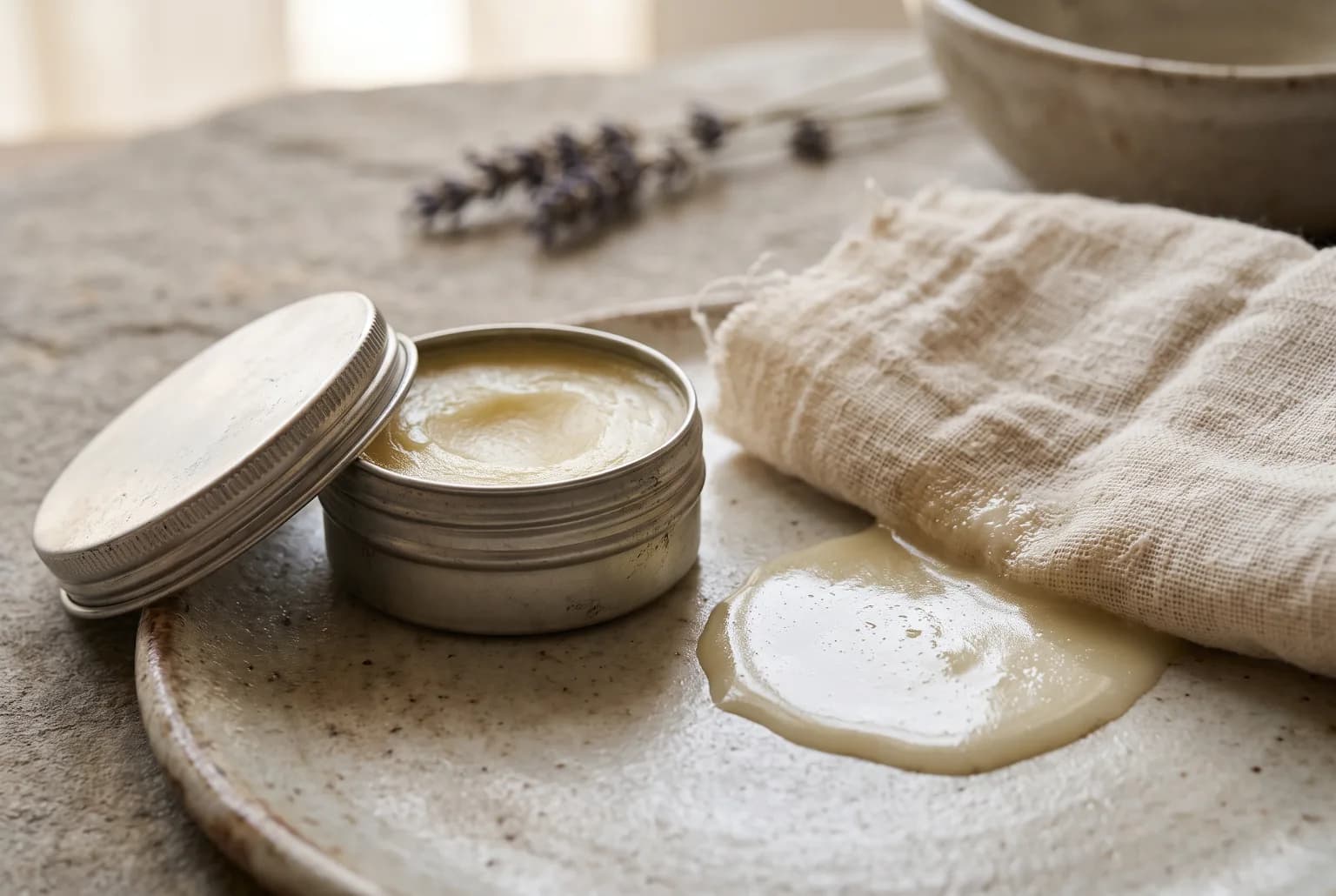
Double cleansing means an initial solvent step—oil or balm—to lift makeup and sunscreen, followed by a gentle water‐based cleanser to clear residue and restore skin surface balance. For sensitive skin this reduces mechanical rubbing: the dissolved makeup comes away without aggressive scrubbing. It also lowers the chance that leftover pigment will trap oil and clog pores on combination skin.
The tradeoff is time: double cleansing adds a step, but it prevents repeated rubbing and lets active skincare that follows penetrate a clean surface. If your skin responds poorly to oils, use a lightweight, fragrance‐free micellar water first and then a gentle foam or cream cleanser.
<!-- image: why-double-cleanse-matters-for-sensitive-skin -->
Case for fragrance‐free micellar water
Micellar water is a mix of micelles—tiny cleansing molecules suspended in water—that capture surface oils and makeup. For sensitive skin, a fragrance‐free micellar formulation minimizes irritation risk and feels non‐stripping. Choose a low‐alcohol formula and sweep gently with soft cotton pads, holding for a few seconds on stubborn mascara rather than dragging.
Micellar is fast, travel‐friendly, and ideal on no‐makeup or light‐makeup days. The main compromises are efficacy on waterproof products and potential residue; rinse if you notice a film. For combination skin, micellar water can be used as a morning refresh to remove oil and sweat without upsetting the barrier.
If you wear heavy eye makeup often, prioritize an ophthalmologist‐tested option for the eye area or reserve micellar for face and use a gentle bi‐phasic remover for eyes.
When to pick a cleansing balm or oil
Cleansing balms and oils are first‐choice for waterproof mascara, long‐wear foundation, and transfer‐resistant lipstick. Texture matters: balms start solid and emulsify with water into a milky rinse; oils remain slick until rinsed or emulsified with a second cleanser. Balms can feel richer—great for dry areas—and oils are faster to apply for a quick dissolve.
Tradeoffs include potential residue and milia risk if not rinsed thoroughly, especially around the eye sockets. For sensitive eyes, select a fragrance‐free, noncomedogenic oil and follow with a gentle low‐foam cleanser. If you’re prone to milky residue, emulsify the balm in damp hands for longer before wiping and always finish with a water‐based wash.
<!-- image: when-to-pick-a-cleansing-balm-or-oil -->
What to look for in eye makeup removers
The eye area needs low‐irritant, ophthalmologist‐tested options when available. General guidance: avoid alcohol and strong fragrance; prefer oil‐free or mild bi‐phasic formulas for contact‐lens wearers. Bi‐phasic removers (oil + water layer) are effective for waterproof products but should be shaken to mix and used sparingly on lash roots.
Texture and packaging matter: pump or dropper dispensers reduce contamination risk compared with jars. For sensitive eyelids, use soft cotton rounds and press gently—no tugging. If you experience stinging or redness, stop use immediately and switch to a fragrance‐free micellar or a specifically labeled sensitive‐eye remover.
For more on caring for the delicate eye area, see our guide on How to choose an eye cream for sensitive skin.
How to remove makeup without irritating your skin
Technique is as important as formula. Use these steps to minimize friction and irritation:
- Melt: apply balm or oil with fingertips over dry skin for 20–30 seconds to dissolve makeup.
- Emulsify: add a little water to transform balm into a milky emulsion that lifts pigment.
- Wipe: use soft, single‐layer cotton or a muslin cloth; press then swipe instead of scrubbing.
- Rinse/second cleanse: finish with a gentle water‐based cleanser to remove residue.
If you prefer micellar water, press a soaked pad over the lashes for 10 seconds before sweeping down. Avoid repeated rubbing on the same patch of skin. For combination skin, adjust frequency—heavier cleansers a few times a week, micellar daily.
Decision checklist and product review template
When you evaluate a remover, cross‐check these criteria: format matched to makeup, fragrance‐free ingredients, ophthalmologist testing for eye products, minimal residue and clean rinse. Use the short review template below to compare candidates quickly.
| Format | Best for | Pros | Cons | Rinse required? |
|---|---|---|---|---|
| Micellar water | Light makeup, daily refresh | Lightweight, no rinse often | Not ideal for waterproof | Sometimes |
| Cleansing oil | Waterproof makeup, fast dissolve | Efficient, gentle on barrier | Can leave residue if not rinsed | Yes |
| Cleansing balm | Heavy makeup, dry skin | Emollient, melts long‐wear | Requires emulsify + rinse | Yes |
| Bi‐phasic eye remover | Waterproof mascara/liner | Effective on lashes, quick | Contains oil layer; careful with lenses | Wipe off |
Use this checklist when shopping: ingredient list (avoid fragrance, high alcohol), jar vs pump, label claims (sensitive, ophthalmologist‐tested), and rinse behavior. For a deeper read on the why and how of double cleansing, visit our Double Cleansing for Sensitive Skin.
Editor’s note: Keep one lightweight micellar bottle for travel and one balm/oil at home for full‐makeup days.
Frequently asked questions
Can micellar water replace a full cleanse?
Micellar water can replace a full cleanse on low‐makeup or no‐makeup days because it lifts surface oils and light makeup. However, for heavy, waterproof, or sunscreen‐heavy days, micellar alone often leaves residue or requires multiple passes. Sensitive skin benefits from a second, gentle water‐based cleanse after heavy makeup days to remove traces and reduce friction.
Is oil cleansing safe for oily or combination sensitive skin?
Oil cleansing can be safe for oily and combination sensitive skin when you choose noncomedogenic, fragrance‐free oils and follow with a gentle second cleanser. Oils dissolve sebum and makeup efficiently, reducing the need to scrub. If you notice milia or a persistent film, reduce frequency or switch to a lighter emulsifying balm and ensure thorough rinsing.
How should I remove waterproof mascara without rubbing?
Use an ophthalmologist‐tested bi‐phasic or gentle oil remover and a soft cotton round. Soak the pad, hold it over closed lashes for 10–15 seconds to let the formula dissolve the product, then sweep gently downwards. Avoid back‐and‐forth scrubbing; repeat with a fresh pad if needed to prevent friction on the eyelids.
Which ingredients should people with sensitive skin avoid in removers?
Avoid strong fragrances, high percentages of denatured alcohol, and harsh sulfates in makeup removers, especially around the eyes. Instead, prioritize formulas with simple surfactants, humectants like glycerin, and gentle emulsifiers. If irritation occurs, discontinue use and switch to a minimal‐ingredient micellar or balm designed for sensitive skin.
Related Reading
- The best foundation for acne scars: cover without caking
- The best shave cream for sensitive skin: a barrier-first guide
- How to choose an eye cream for sensitive skin: a barrier-first guide
Sources
- Marie Claire — gentle cleansing balms and dermatologist quotes
- Health.com — dermatologist comparisons of makeup removers (editorial)
- YouTube/editorial removers roundup (2026)
Clear guidance, checked before publication.
Solvi articles are structured by our editorial team and reviewed for clarity, consistency, and responsible health language. We update pages when guidance or product information changes.

Jade Morgan
Makeup and Beauty Contributor. Jade loves the overlap between healthy-looking skin and makeup that works with it. She covers complexion products, prep, finish, and the techniques that make beauty routines feel more intuitive.