CeraVe Cream-to-Foam vs Hydrating Foaming Oil Cleanser

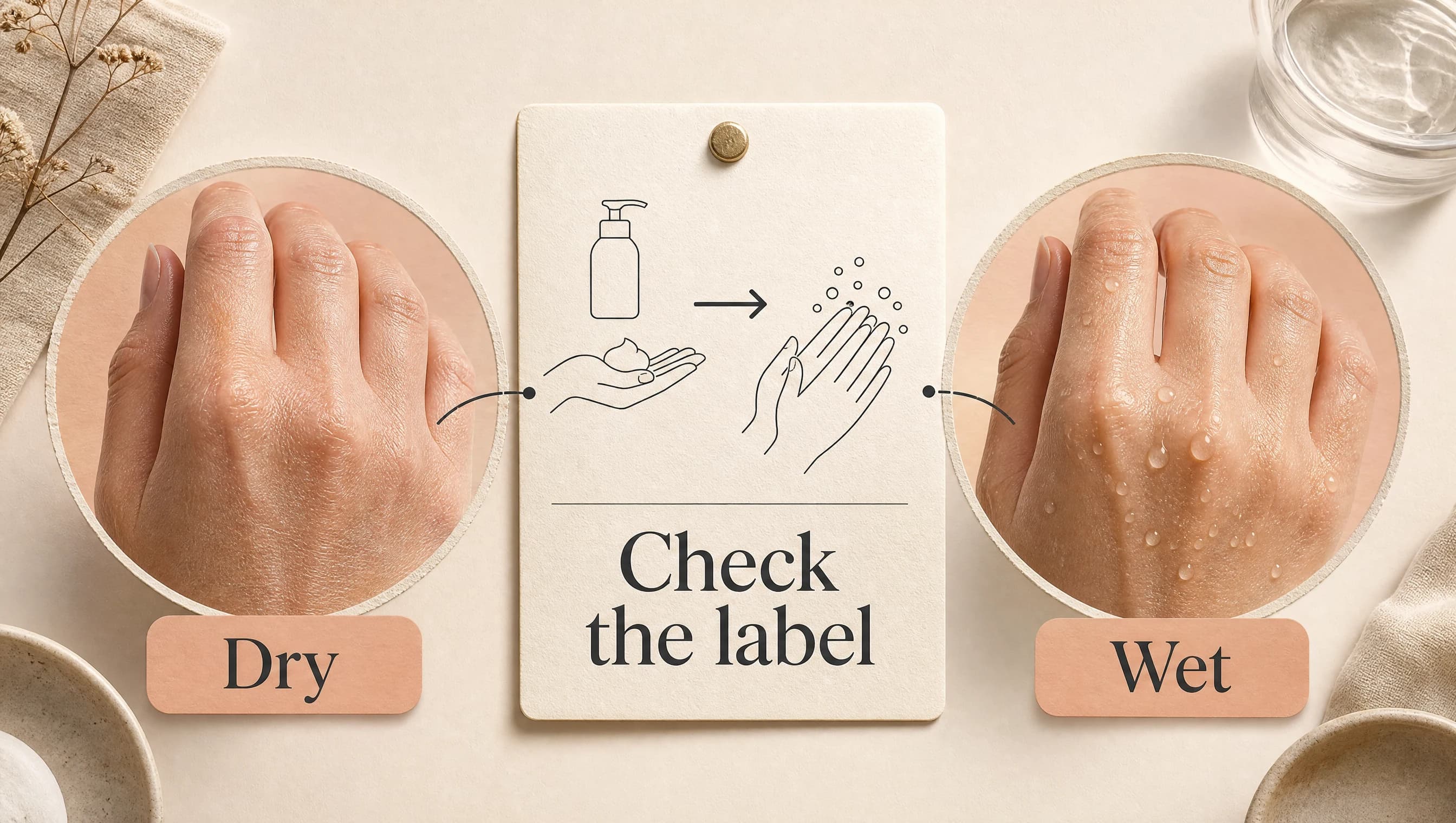
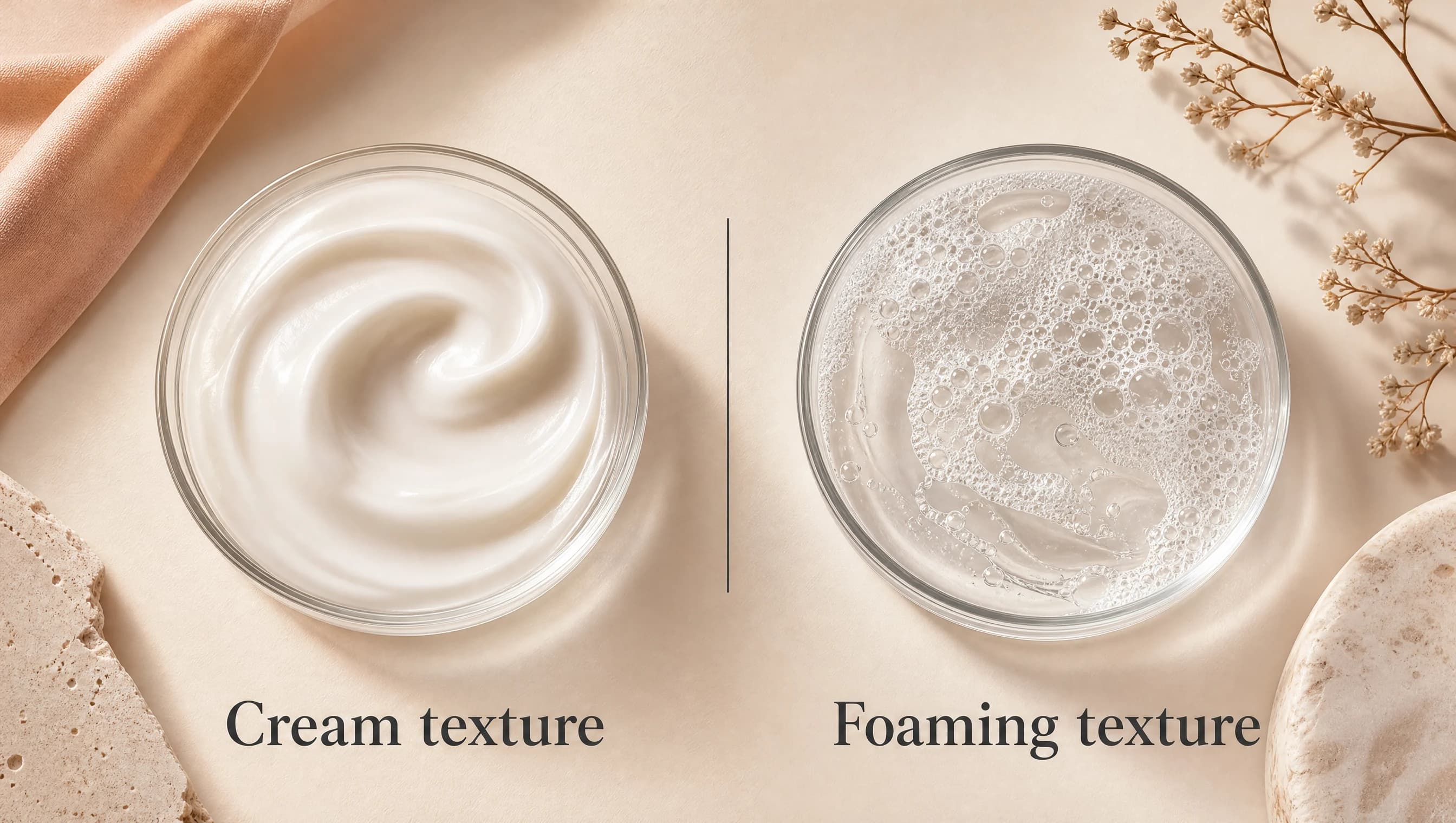
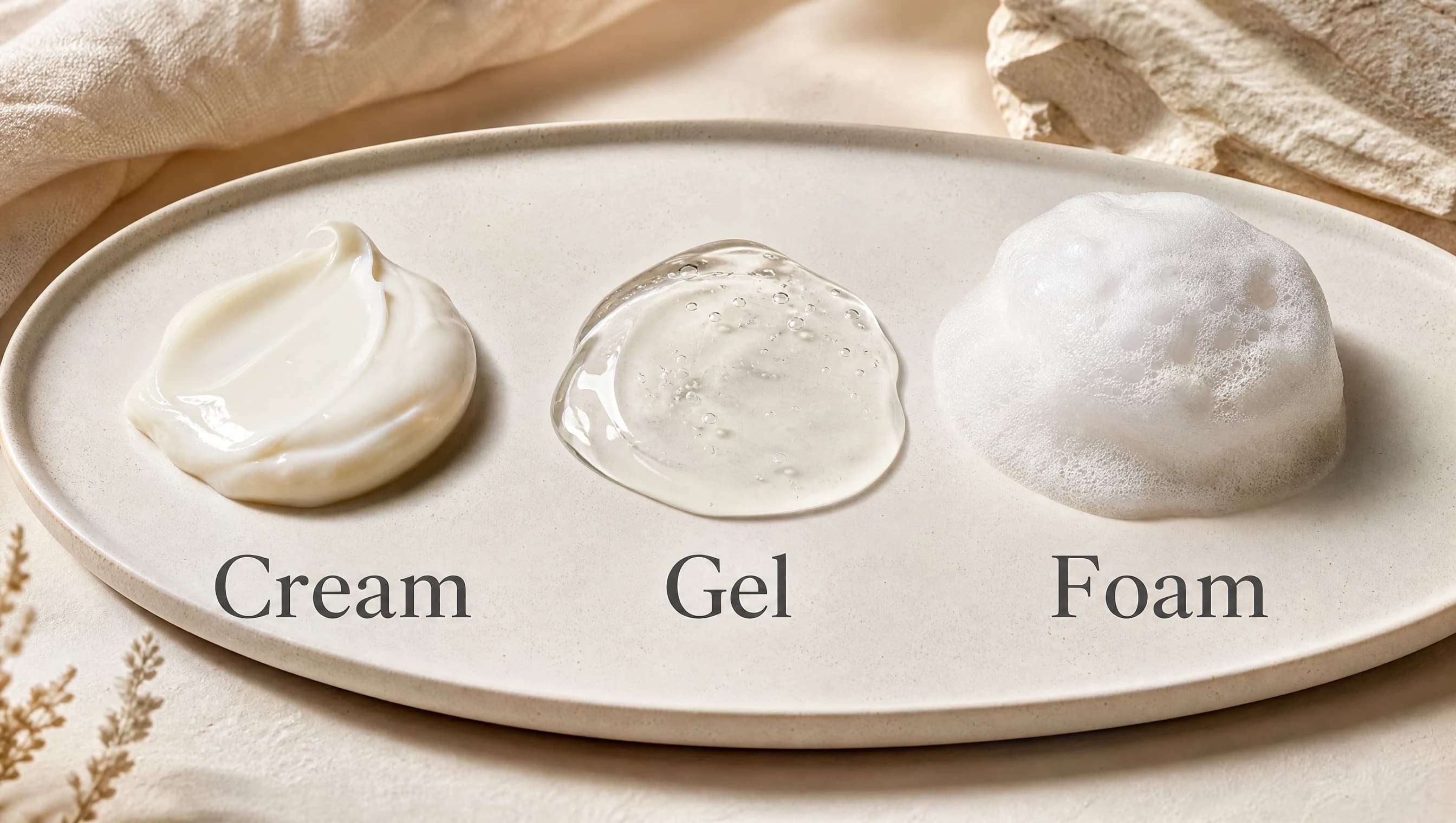
CeraVe Hydrating Cream-to-Foam Cleanser starts as a cream and foams during washing. Hydrating Foaming Oil Cleanser has an oil-to-foam format and lists face and body use. Both are applied to wet skin and rinsed; the word “oil” does not make the second product a dry-applied first step by default.
Choose Cream-to-Foam as the first candidate if you want that cream-to-lather format and its explicit long-wear facial makeup-removal description. Consider Foaming Oil if you want the oil-to-foam format, face-and-body use, and its dry-to-very-dry positioning.
Keep the two full names in view
| Detail | Hydrating Cream-to-Foam | Hydrating Foaming Oil |
|---|---|---|
| Current US positioning | Normal to dry, including sensitive skin | Dry to very dry, including sensitive skin |
| Texture transition | Cream to foam | Oil to foam |
| Labeled areas | Face | Face and body |
| Starting method | Wet skin | Wet skin |
| Highlighted ingredients | Ceramides, amino acids and hyaluronic acid | Ceramides, squalane and hyaluronic acid |
| Useful reason to compare it | Cream-format facial wash with a makeup-removal role | Oil-to-foam format with face-and-body labeling |
Neither is the original Hydrating Facial Cleanser or Foaming Facial Cleanser. If those are the bottles you meant, use our Hydrating versus Foaming comparison.
The word oil does not settle the routine order
Some makeup-removing balms start on a dry face. This particular Foaming Oil Cleanser does not: CeraVe’s directions explicitly start with wet skin and finish with rinsing.
The manufacturer describes a formula combining oil-related ingredients with cleansing agents. That is different from assuming the product is a pure facial oil or that it must be followed by another cleanser because “oil cleansing” appears in a routine video.
Cream-to-Foam also starts with wet skin. Both products therefore fit a rinse-off washing step, although their textures and labeling differ.
Makeup removal needs a narrower claim
Cream-to-Foam’s page specifically describes removal of long-wear facial makeup. Foaming Oil’s main description emphasizes cleansing and excess-oil removal; its page also contains makeup-removal language in a testimonial. Those descriptions are not a comparative trial.
It would be inaccurate to turn them into “Foaming Oil cannot remove makeup” or “Cream-to-Foam removes every waterproof formula.” Neither conclusion follows from the material reviewed.
Think instead about the exact cosmetic that needs removing. Follow its removal directions and assess whether your cleanser performs that job comfortably. Our water-resistant sunscreen removal guide separates that task from the sunscreen’s daytime water-resistance claim.
If you are considering two cleansing steps, the double-cleansing guide for sensitive skin helps you decide whether another product solves a real problem.
Choose for the part of your routine that matters

You want a facial cream cleanser that becomes a lather: Cream-to-Foam matches that stated format. It does not require choosing between “cream” and “foam” as if those were mutually exclusive categories.
You want one labeled cleanser for face and body: Foaming Oil includes both areas. Decide whether that practical role matters before comparing individual highlighted ingredients.
Your face has mixed needs: the combination-skin cleanser guide offers other options. Buying both products is not the automatic answer to dry cheeks and an oily T-zone.
You have specific ingredient exclusions: compare the current full package lists. The shared ceramide wording does not make the formulas identical, and a sensitive-skin description is not a personal tolerance guarantee. Our sensitive-skin cleanser guide can broaden the shortlist if needed.
Keep the application simple
Follow the selected bottle’s wet-skin directions, use a gentle washing motion and rinse. Both pages warn against eye contact. Do not apply either cleanser directly into the eyes because a makeup-removal claim appears elsewhere on the page.
The American Academy of Dermatology recommends fingertip cleansing without scrubbing. A tight or uncomfortable finish is not a performance target, and a longer wash cannot establish that every trace of a cosmetic has been removed.
A useful purchase note could read: “I want one rinse-off product for face and body, and I prefer its described format.” That points to the Foaming Oil product’s labeled multi-area role. A different note—“I want a facial cream that becomes foam”—points to Cream-to-Foam. In either case, keep the documented wet-skin method attached to the full product name.
Frequently asked questions
Is Foaming Oil Cleanser applied to dry skin?
The reviewed US directions specify wet skin. Do not transfer a different cleansing oil’s instructions to this product.
Are both products for the face?
Yes. Foaming Oil also lists body use, while Cream-to-Foam’s stated area is the face.
Which one is better for everyone with dry skin?
The labels do not establish that. Their dry-skin positioning overlaps, while texture, use case and individual comfort remain useful deciding factors.
Sources
CeraVe Hydrating Cream-to-Foam Cleanser: description and directions (cerave.com) — https://www.cerave.com/skincare/cleansers/hydrating-cream-to-foam-cleanser
CeraVe Hydrating Foaming Oil Cleanser: current US description and directions (cerave.com) — https://www.cerave.com/skincare/cleansers/facial-cleansers/hydrating-foaming-oil-cleanser
American Academy of Dermatology: Face washing 101 (aad.org) — https://www.aad.org/public/everyday-care/skin-care-basics/care/face-washing-101
Clear guidance, checked before publication.
Solvi articles are structured by our editorial team and reviewed for clarity, consistency, and responsible health language. We update pages when guidance or product information changes.