The Best Sensitive Skin Face Wash Starts With a Quieter Cleanse


The best sensitive skin face wash is usually a fragrance-free, soap-free cleanser with little to no foam: think a creamy lotion, a milky fluid, or a low-foaming gel rather than a squeaky-clean wash. Look for a pH-balanced syndet formula and choose a texture that can remove your usual sunscreen or makeup without repeated rubbing.
For most dry or easily reactive complexions, Cetaphil Gentle Skin Cleanser, CeraVe Hydrating Cleanser, and La Roche-Posay Toleriane Hydrating Gentle Cleanser are useful starting points because they fit the gentle-cleanser brief. The right pick is less about the most dramatic lather and more about how comfortably your skin gets from rinse to moisturizer.
The sensitive-skin cleanser shortlist
A good cleanser for sensitive skin is deliberately uneventful. It should carry away sweat, daily grime, and skin-care residue while leaving the skin feeling comfortable—not tight, hot, or insistently thirsty five minutes later.
The three examples below represent the creamy, low-stripping end of the cleanser spectrum. They are not interchangeable, though: texture, preferred rinse, and barrier-focused ingredients can make one a better fit for your sink than another.
| Cleanser | Formula cue | Texture and rinse | Consider it if | Keep in mind |
|---|---|---|---|---|
| Cetaphil Gentle Skin Cleanser | Classic syndet cleanser | Gentle, lotion-like cleanse | You want a straightforward, non-foaming baseline | It may feel lighter on makeup-removal power than a dedicated first cleanse |
| CeraVe Hydrating Cleanser | Ceramides and glycerin | Creamy, cushiony feel | Dry-sensitive skin likes a more emollient cleanse | The soft finish may not appeal to someone who prefers a very fresh rinse |
| La Roche-Posay Toleriane Hydrating Gentle Cleanser | Hydrating gentle cleanser | Creamy cleanser format | You want a mild, rinse-off option in a simple routine | Match it to the rest of your routine rather than adding multiple new products at once |
None of these needs to produce a cloud of foam to do its job. A low-lather or non-lathering wash can be particularly logical when your skin already feels compromised by cold weather, overuse of actives, or too-frequent cleansing.
A fast way to narrow the field
Use these questions before selecting a formula:
- Does your face feel tight after most cleansers? Start with a cream or lotion cleanser.
- Do you wear water-resistant sunscreen or complexion makeup? Consider a gentle first-removal step, then follow with a mild rinse-off cleanser only if needed.
- Do you dislike rich textures but react to traditional foaming washes? Look for a low-foaming gel.
- Does cleanser travel close to your lash line? An ophthalmologist-tested option may be worth prioritizing.
- Are you trying a new routine during a flare-prone period? Change one product at a time so the formula is easier to assess.
Choose a cleanser format by the feel your skin needs
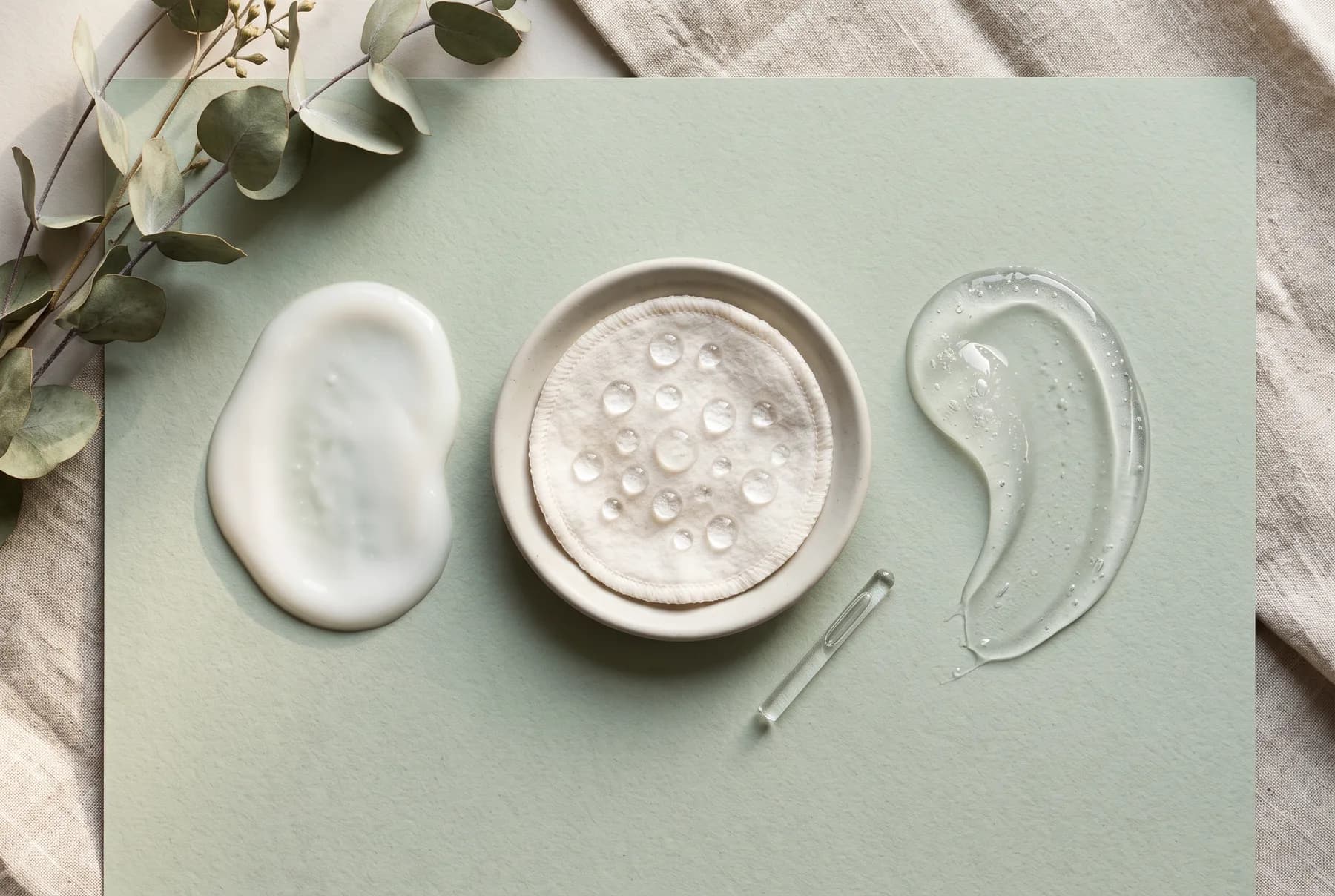
Sensitive skin does not require one universal texture. Instead, choose the format that meets your cleansing load with the least friction: how much sunscreen or makeup you wear, how dry you feel, and whether you prefer water rinse or a wipe-away step all matter.
A cream cleanser is the softest place to start for many dry-sensitive routines. It spreads with more slip than a sharp gel, typically has little foam, and feels especially intuitive when skin is already navigating a retinoid, dry indoor air, or a pared-back barrier routine.
Cream or lotion cleanser
This is the comfort-first category. A creamy cleanser is often a smart everyday option when your priority is preserving a supple post-wash feel, not chasing an ultra-clean finish.
- Best for: dry, tight-feeling, or easily over-cleansed skin.
- Texture: milky, lotion-like, or cream-gel; usually minimal lather.
- Pairing: follow with moisturizer while skin is still lightly damp.
- Tradeoff: may require an initial makeup-removal step on full-coverage or water-resistant days.
CeraVe Hydrating Cleanser and La Roche-Posay Toleriane Hydrating Gentle Cleanser fit this direction. CeraVe’s formula highlights ceramides and glycerin, two useful cues for shoppers who want cleansing alongside barrier-supportive and humectant ingredients.
Micellar water
Micellar water is a practical low-water option for a light cleanse or makeup lift. Saturate a soft pad generously so it glides; rubbing a barely damp cotton round back and forth defeats the point of choosing a gentle format.
- Best for: a minimal morning cleanse, travel, or light makeup removal.
- Texture: water-light and nearly weightless.
- Pairing: use as a first step before a gentle rinse-off cleanser when you need more complete removal.
- Tradeoff: repeated swiping can be irritating, especially around the eyes and nose.
If you leave micellar water on, pay close attention to how your skin responds. If it feels uncomfortable, a quick water rinse can make the routine feel simpler and more predictable.
Low-foaming gel cleanser
A low-foaming gel offers a fresher, cleaner-rinsing experience without automatically stepping into the territory of a more assertive foam. It can suit combination-sensitive skin or anyone who dislikes the coated feel of richer cleanser bases.
- Best for: combination skin that still reacts to stronger surfactants.
- Texture: clear to lightly milky gel with a modest lather.
- Pairing: keep the rest of the routine hydrating and uncomplicated.
- Tradeoff: “gel” does not automatically mean gentle; check that the formula is soap-free, fragrance-free, and made for sensitive skin.
The low-friction way to wash sensitive skin

Technique can turn even a thoughtfully chosen cleanser into a less comfortable experience. Hot water, long cleanse times, washcloth friction, and an enthusiastic second cleanse all increase the chance that a gentle formula feels like too much.
Evening routine
Use this sequence on days when you have worn sunscreen, makeup, or both:
- If needed, remove makeup or water-resistant sunscreen with a gentle first-removal product, using minimal pressure.
- Wet your face with lukewarm—not hot—water.
- Apply a small amount of your gentle cleanser with fingertips and use light, brief movements rather than prolonged massage.
- Rinse thoroughly with lukewarm water; leftover cleanser can be just as uncomfortable as over-cleansing.
- Pat dry with a clean, soft towel. Do not drag the towel over the skin.
- Apply your moisturizer promptly, before skin feels fully dry and tight.
For a no-makeup, minimal-sunscreen day, one gentle cleanse is often enough. The goal is proportionality: cleanse for what is actually on your skin, not for an imagined deeper level of purity.
Morning routine
Your morning routine can be even quieter. If your skin is dry or reactive, consider whether a water rinse or a small amount of a very gentle cleanser feels more comfortable than a full, foamy wash.
- Rinse with lukewarm water or cleanse lightly according to your skin’s comfort.
- Pat—not scrub—until skin is no longer dripping.
- Apply your usual hydrating layers and moisturizer.
- Finish with sunscreen appropriate for daytime wear.
What to look for and what to leave on the shelf

The front label can be helpful, but it is not the entire evaluation. Sensitive-skin shopping works best when you prioritize the surfactant system, fragrance choice, texture, and how the cleanser fits with your current active products.
Your practical label checklist
Look for these decision cues:
- Soap-free or syndet: Synthetic detergent, or syndet, cleansers are a useful category to seek out when you want a less traditional soap-like approach.
- pH-balanced: This is a relevant signal for a cleanser designed with skin comfort in mind.
- Fragrance-free: A particularly useful filter for skin that is prone to stinging or reactivity.
- Glycerin or ceramides: These ingredients can support a hydration- and barrier-minded cleansing choice.
- Minimal extras: A shorter, purpose-driven formula may make it easier to identify what your skin tolerates.
- Ophthalmologist tested: Consider this when product regularly reaches the eye area.
Skip or reconsider if
Not every popular cleanser belongs in a sensitive routine. Be cautious with these features, particularly when your barrier feels unsettled:
- High-foam washes that leave a squeaky or taut finish.
- Added fragrance when you already know fragranced products bother your skin.
- Physical scrubs, rough cleansing tools, or abrasive exfoliating particles.
- High-percentage acids in a cleanser unless a dermatologist has advised that approach.
- A twice-daily double-cleanse habit that continues even when skin feels dry or irritated.
Over-cleansing can exacerbate sensitivity, so an oilier T-zone does not automatically mean you need a stronger whole-face wash. You may get farther with a gentle cleanser, modest cleansing time, and targeted treatment choices elsewhere in the routine.
Build a value-minded cleanser wardrobe
You do not need a crowded cleanser shelf. A single dependable daily formula is often the best value because it is the product you can use consistently without setting off a cycle of tightness followed by more compensating layers.
If your cleansing needs vary, build around one daily cleanser and add only one situational option. This approach keeps decisions clear and limits the number of variables when your skin is feeling unpredictable.
- The one-cleanser approach: Choose a creamy, fragrance-free syndet or hydrating cleanser for morning and evening, adjusting the amount used rather than constantly switching formulas.
- The sunscreen-and-makeup approach: Keep your gentle daily cleanser, plus a soft first-removal option for heavier makeup days.
- The combination-sensitive approach: Choose a low-foam gel for the all-over cleanse, and avoid trying to correct shine with harsh scrubs or aggressive foam.
- The eye-area-conscious approach: Prioritize gentle application and consider ophthalmologist-tested options if you routinely cleanse near the lashes.
The best sensitive skin face wash earns its place by being easy to repeat. It should sit quietly between your day and your moisturizer—efficient enough to remove what needs removing, gentle enough that the next step feels like care rather than recovery.
Related reading
- Double Cleansing for Sensitive Skin: Gentle Guide
- Moisturizer for Dry, Sensitive, Acne-Prone Skin
- Best Facial Exfoliator for Sensitive Skin
Frequently asked questions
Is foaming face wash always bad for sensitive skin?
No. A low-foaming formula can work well, especially if you prefer a fresher rinse. The concern is a harsh or over-cleansing experience, not foam as an isolated feature.
Is CeraVe Hydrating Cleanser good for sensitive, dry skin?
It is a relevant option to consider because it is a hydrating cleanser that includes ceramides and glycerin. As with any cleanser, comfort after rinsing and compatibility with your full routine are the deciding factors.
Should I wash sensitive skin twice a day?
It depends on your skin and what you need to remove. If twice-daily cleansing leaves you tight or uncomfortable, a gentler morning approach may make more sense than increasing cleanser strength.
Can I use a face scrub if I have sensitive skin?
Physical scrubs are best approached cautiously because their friction can aggravate sensitivity. Avoid them when skin feels reactive, and seek professional guidance before using higher-strength exfoliating products.
Sources
- Cetaphil product info
- CeraVe cleanser guidance
- La Roche-Posay cleanser guidance
Clear guidance, checked before publication.
Solvi articles are structured by our editorial team and reviewed for clarity, consistency, and responsible health language. We update pages when guidance or product information changes.

Zoe Mitchell
Beauty Trends Editor. Zoe keeps a close eye on viral routines, new launches, and the skincare conversations moving fastest online. She asks which trends are useful, which need context, and which can be skipped.