Moisturizer for oily acne skin: a practical texture-first guide


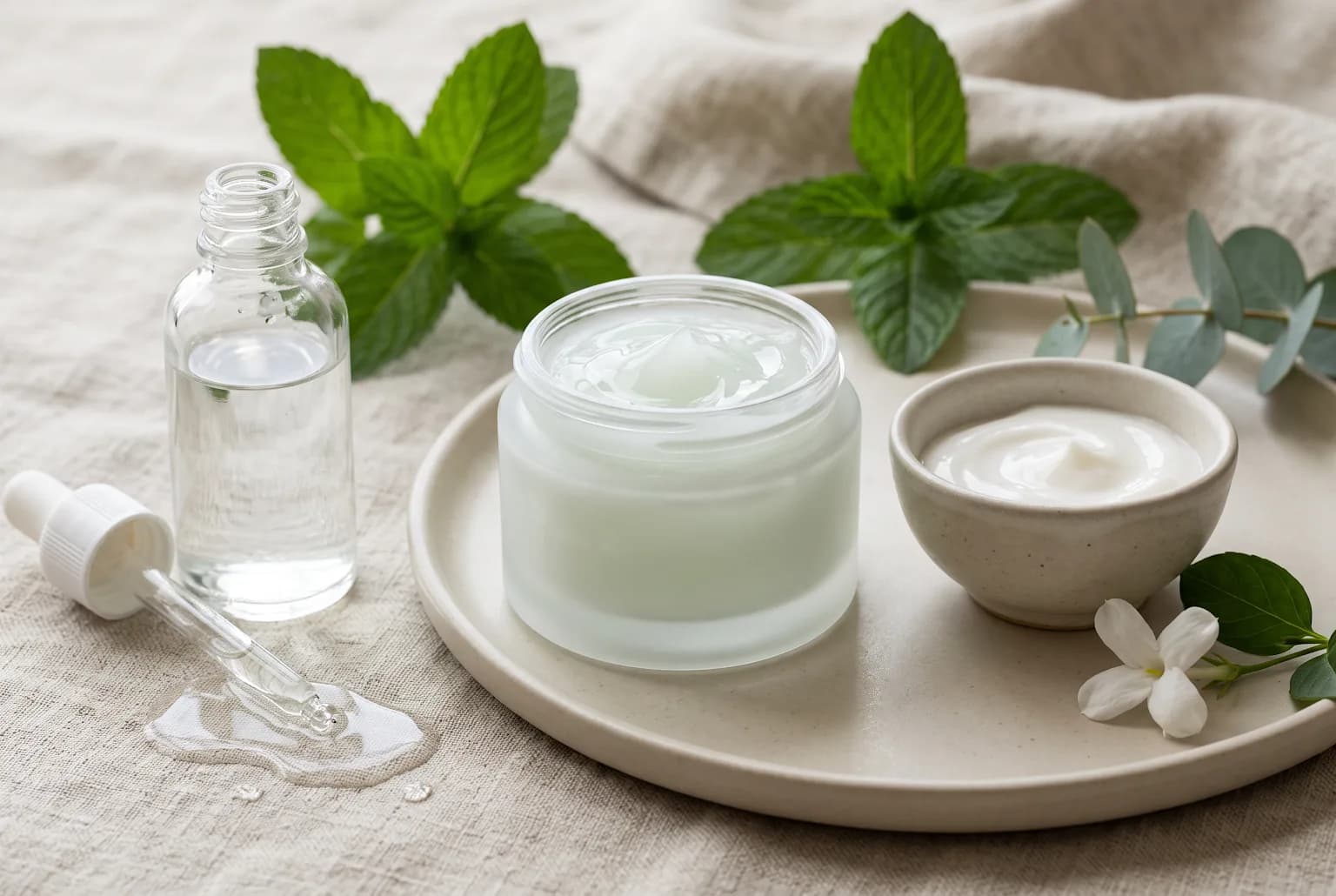
Oily, acne-prone skin still needs hydration—choose an oil-free, non-comedogenic gel or gel-cream that pairs humectants like hyaluronic acid with lightweight barrier helpers such as ceramides or dimethicone. These formulas restore moisture without heavy occlusion, reduce trans-epidermal water loss (TEWL), and are generally compatible with common acne treatments when used thoughtfully.
What makes a moisturizer suitable for oily acne skin
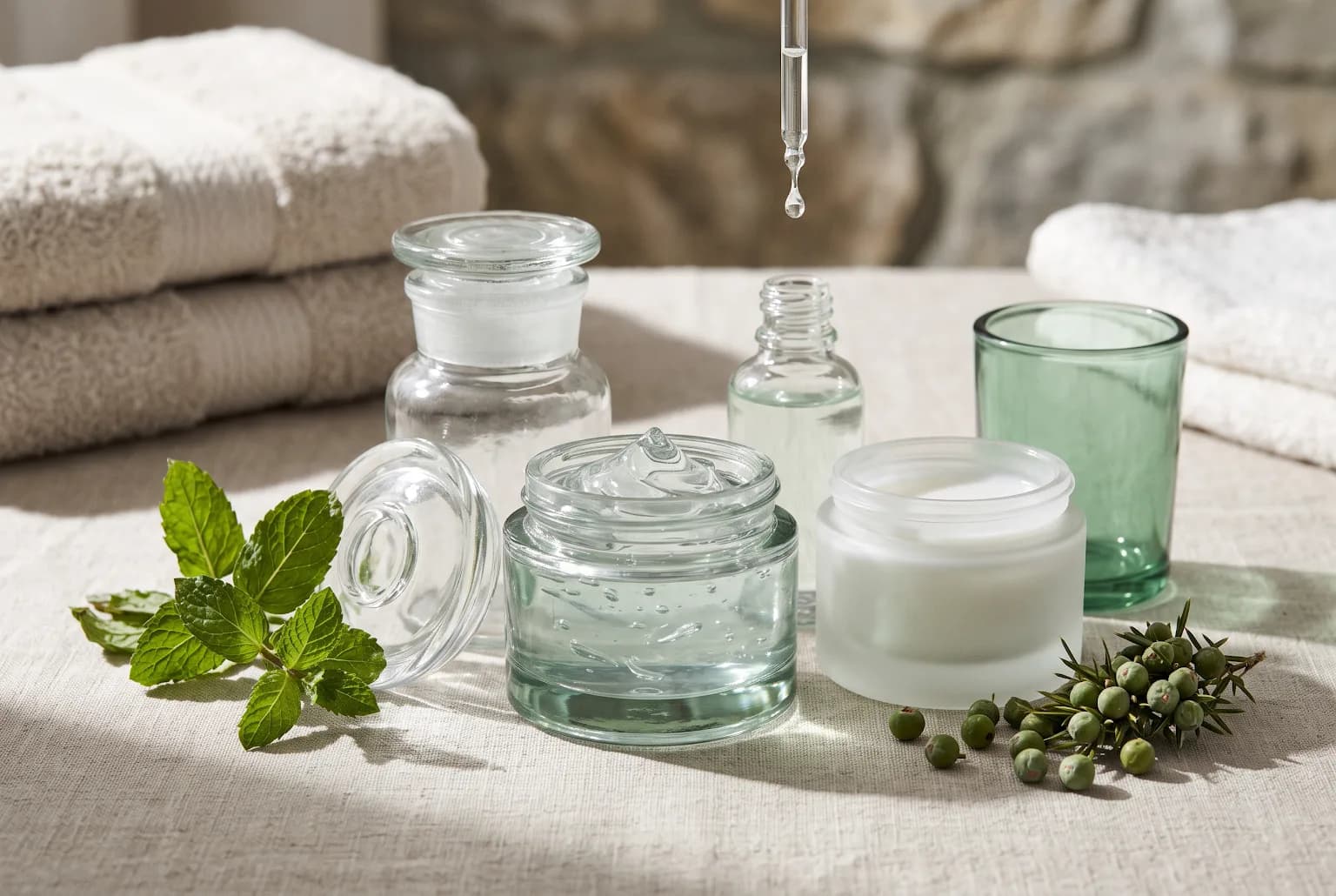
The short answer: texture and ingredient set. For oily, acne-prone skin the primary goals are to hydrate, support the skin barrier, and avoid pore-clogging ingredients. That means favoring oil-free, non-comedogenic labels and formats that sit light on the skin—gels, gel-creams, and fast-absorbing lotions—over thick creams or heavy oils.
Look for humectants (hyaluronic acid, glycerin) and barrier lipids (ceramides) in short ingredient lists. Niacinamide is a versatile, lightweight addition that can help regulate shine and support barrier function. Dimethicone or other lightweight silicones act as breathable, non-greasy occlusives to prevent water loss without the heavy film of oils.
Texture matters as much as components. A gel-silicone hybrid can feel weightless while still locking in hydration; a gel-cream gives slightly more cushion and may suit someone who uses drying acne treatments. Two readily cited examples of this approach are oil-free gel-creams such as the Neutrogena Hydro Boost Gel-Cream (oil-free) and lightweight lotions like CeraVe PM Facial Moisturizing Lotion—both embody the humectant-plus-light-occlusive philosophy that works well for oily acne-prone skin.
Texture decisions and who each format suits
Texture is a practical decision: it dictates how a moisturizer layers, its finish, and how it interacts with active acne medications. Below is a quick texture breakdown to match formats to common needs.
| Format | Feel and finish | Who it's best for | Typical active-supporting ingredients |
|---|---|---|---|
| Gel / gel-cream | Very lightweight, fast-absorbing, matte or semi-matte | Oily to combination skin; daytime wear under sunscreen/makeup | Hyaluronic acid, glycerin, niacinamide, dimethicone |
| Lightweight lotion | Thin lotion, slightly more emollient than gel | Those using retinoids or benzoyl peroxide who need modest extra hydration | Ceramides, glycerin, lightweight esters |
| Cream (light) | More emollient, richer feel | Dry patches or skin irritated by harsh acne meds | Ceramides, fatty acids, cholesterol (use cautiously on oily skin) |
Tradeoffs are straightforward. Gels give the best oil-control and sit invisibly under makeup but can feel too light if you have barrier damage. Light creams provide more nourishment but raise the risk of congestion if they contain heavy oils. The decision criteria to use when evaluating any product are: non-comedogenic formulation, lightweight texture, humectant presence, barrier lipids, and compatibility with acne treatments.
How to layer moisturizer with acne treatments
Compatibility with treatments is often the sticking point for people with oily acne-prone skin. The good news: a properly chosen lightweight moisturizer can improve tolerability of drying agents by mitigating flaking and irritation without interfering with treatment efficacy when used correctly.
Practical layering rules:
- Apply water-based treatments (salicylic acid serums, benzoyl peroxide gels) to clean, dry skin and wait a minute for absorption before moisturizing.
- If using a topical retinoid, apply the retinoid to dry skin; wait 20–30 minutes if you experience irritation, then follow with a non-comedogenic moisturizer. For many people, the "sandwich" method—moisturizer, retinoid, moisturizer—reduces irritation, though check with your clinician.
- Use sunscreen every morning; lightweight moisturizers with a matte finish layer well under chemical or mineral sunscreens.
These are layering strategies rather than clinical protocols; combining prescription treatments should always be coordinated with your dermatologist. The Cleveland Clinic and dermatological consensus emphasize that using a moisturizer does not negate acne medication effects and often improves adherence by reducing side effects.
Decision checklist — how to choose and what to review on the label
When you’re standing in front of a product or browsing online, use this checklist to judge whether a moisturizer is a smart fit for oily, acne-prone skin:
- Non-comedogenic claim and short ingredient list
- Lightweight format: gel, gel-cream, or thin lotion
- Includes at least one humectant (hyaluronic acid or glycerin)
- Includes barrier-supporting lipids (ceramides, cholesterol) or dimethicone as a breathable occlusive
- No heavy plant oils high on the list (e.g., coconut oil or cocoa butter)
Below is a condensed quick-compare table to help you scan labels fast:
| What to favor | Why it helps |
|---|---|
| Hyaluronic acid/glycerin | Pulls and holds moisture without oiliness |
| Ceramides / cholesterol | Rebuild barrier, reduce TEWL |
| Niacinamide | Regulates sebum appearance and supports barrier |
| Dimethicone | Breathable occlusion, smooths texture |
Practical routine examples for oily acne-prone skin
These short AM/PM templates show how to choose and layer a moisturizer depending on your main concern.
Morning (oily acne-prone, daytime):
- Gentle water-based cleanser.
- Optional lightweight serum (niacinamide or water-based antioxidant).
- Oil-free, non-comedogenic gel or gel-cream moisturizer (hyaluronic acid + dimethicone/ceramides).
- Broad-spectrum sunscreen.
Evening (using topical treatment):
- Gentle cleanser.
- Apply acne treatment per instructions (benzoyl peroxide, topical retinoid, or salicylic acid), allow to absorb.
- Follow with a thin layer of lightweight moisturizer; if irritation is present, consider applying moisturizer before the treatment or using the sandwich method after discussing with your clinician.
If you prefer routines with more barrier focus, the Solvi guide on best moisturizer for dry, sensitive, acne-prone skin explains when to choose slightly richer barrier-repair products. For midday shine control, a compact powder can help set a matte finish; we cover non-comedogenic setting options in best face powder for oily, acne-prone skin.
Shopping and label language—what to trust and what to test
Brand language can be noisy. "Non-comedogenic" and "oil-free" are useful filters but not guarantees—skin chemistry is individual. Instead of relying on marketing, read the ingredient list: if the top five ingredients are water, glycerin, dimethicone, niacinamide, and a polymer, that's a good sign. Conversely, if the list begins with heavy natural oils, butters, or esters, proceed with caution.
If you want a structured approach, run a quick cross-check: does the product meet at least four of the five decision criteria listed earlier? If it does, it’s a reasonable candidate to trial.
For more context about balancing oil control with an effective daily routine, see our primer on the best skin care routine for oily skin and the short habit-focused plan in create a skincare routine you’ll actually follow.
Frequently asked questions
Should oily, acne-prone skin skip moisturizer?
No. Even oily, acne-prone skin needs hydration. Skipping moisturizer can increase skin irritation and trigger compensatory oil production. Choose an oil-free, non-comedogenic formula with humectants and lightweight barrier support to keep skin balanced.
Can a moisturizer cause acne if it’s labeled non-comedogenic?
A non-comedogenic label reduces the likelihood but does not eliminate the risk. Individual sensitivity and formulation nuances matter; always patch-test new products and monitor for breakouts over several weeks.
Which ingredients should I avoid if I frequently break out?
Heavy occlusive oils (like coconut oil) and rich butters can increase the risk of clogged pores for some people. Look for lightweight emollients and breathable occlusives like dimethicone instead of dense natural oils.
How do I make a moisturizer work with a retinoid or benzoyl peroxide?
Apply treatments per product directions, then follow with a lightweight moisturizer to reduce dryness. If irritation occurs, consider spacing application times or using a barrier-restoring moisturizer as directed by your dermatologist.
Related Reading
- Best moisturizer for dry flaky skin: a practical guide
- Best Moisturizer for Dry, Sensitive, Acne-Prone Skin: A Barrier-First Guide
- The best daytime moisturizer for mature skin: smart picks and how to choose
Sources
- L'Oréal / CeraVe dermatologist consensus on moisturizers for acne-prone skin
- MDedge – moisturizers for oily/acne-prone skin discussion
- Cleveland Clinic – acne and moisturizers guidance
Clear guidance, checked before publication.
Solvi articles are structured by our editorial team and reviewed for clarity, consistency, and responsible health language. We update pages when guidance or product information changes.

Zoe Mitchell
Beauty Trends Editor. Zoe keeps a close eye on viral routines, new launches, and the skincare conversations moving fastest online. She asks which trends are useful, which need context, and which can be skipped.


