The best tinted moisturizers for combination skin: zone-friendly picks and how to use them


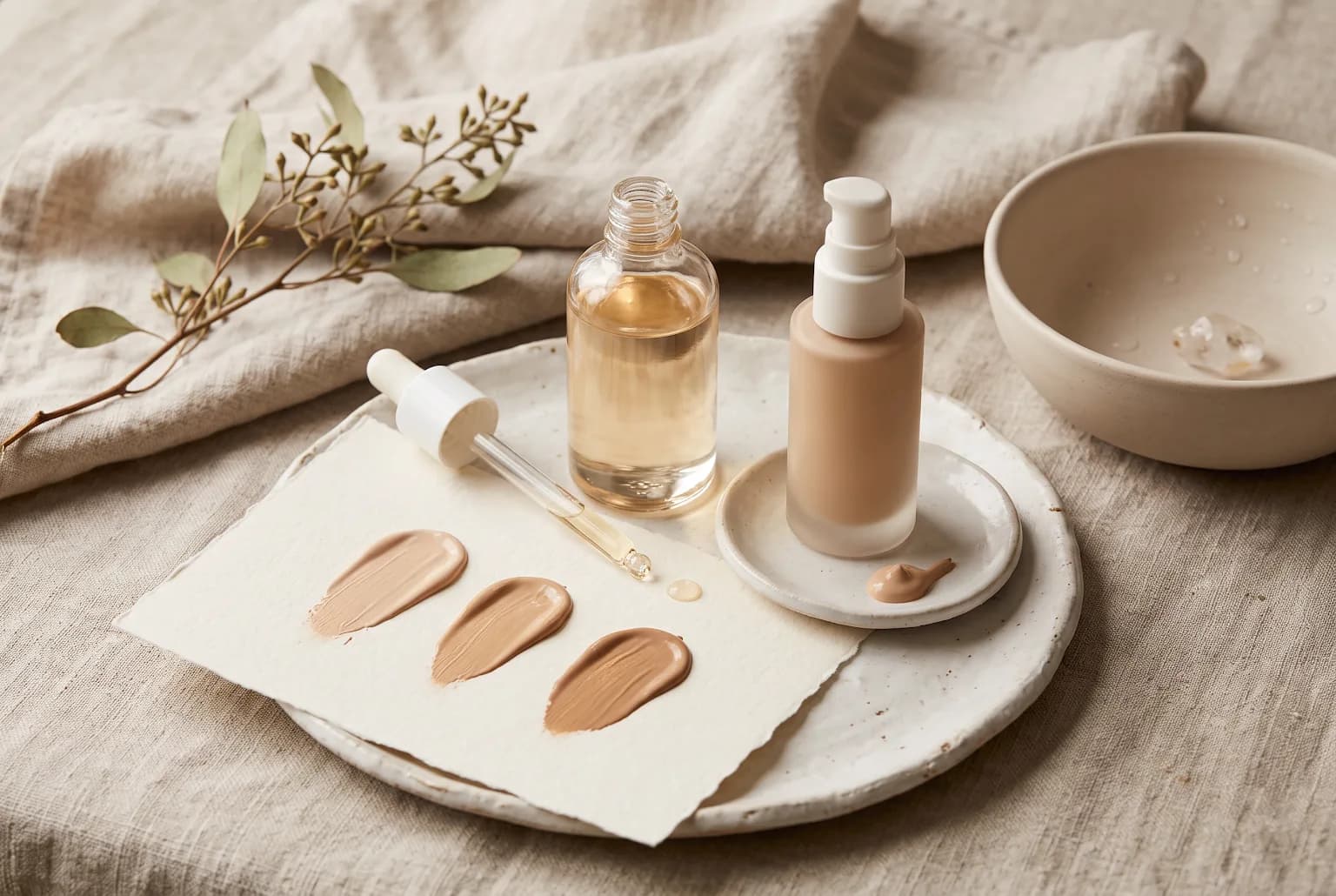
Choose a lightweight, oil-balanced tint with SPF and plan to mattify your T-zone during the day. For combination skin, the priority is even, light coverage without adding excess oil to already shiny areas; reapply or layer sunscreen as needed. Below is a zone-first approach to finding the best tinted moisturizers for combination skin, plus texture tradeoffs, shopping criteria, and a practical application routine.
How to pick a tint for combination skin
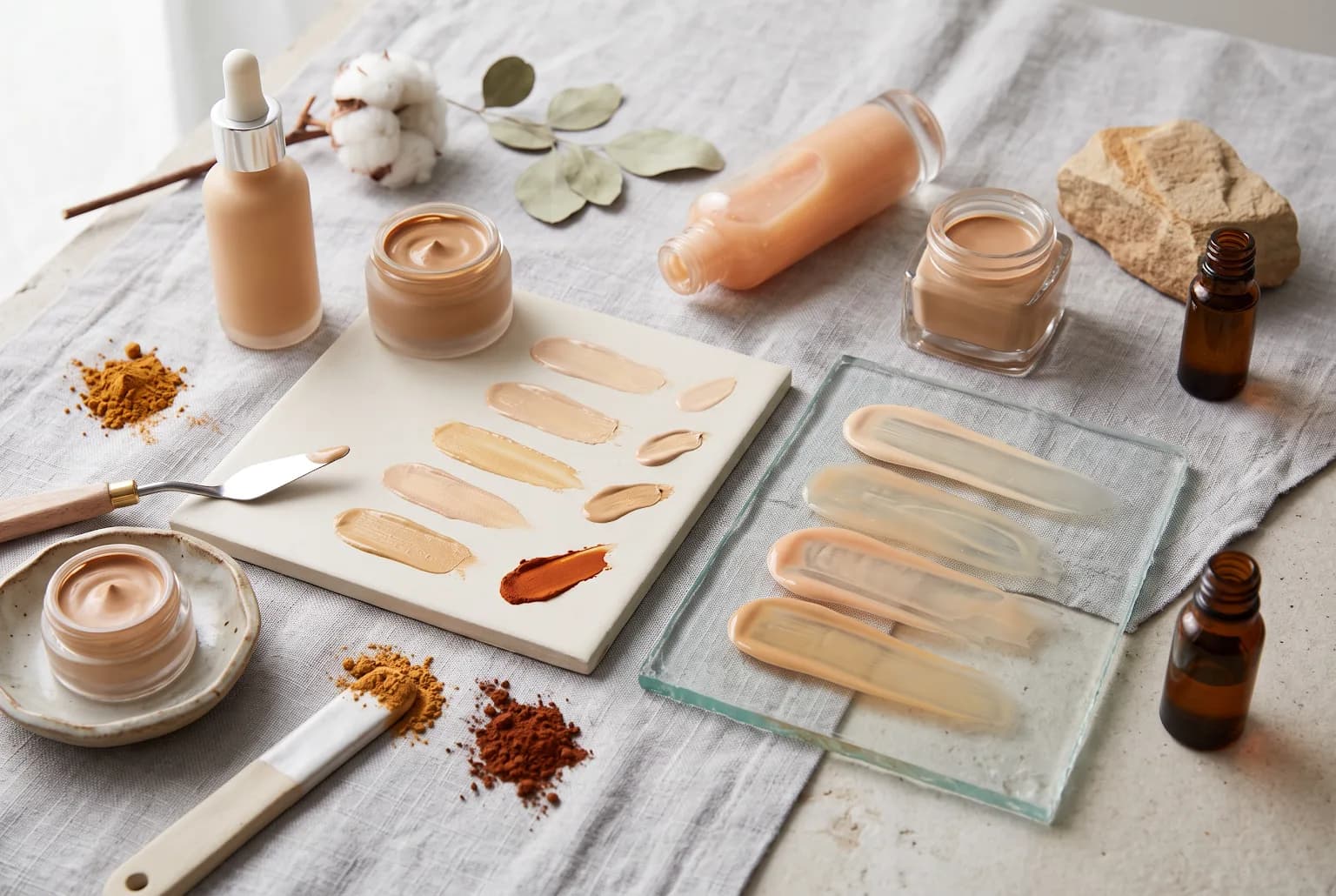
Start by locking in five decision criteria: SPF protection and broad-spectrum coverage, finish (natural vs dewy) and oil control, non-comedogenic labeling, shade range and blendability, and hydration without excess oil. Those five points will help you filter the many formulas labeled “tinted moisturizer” or “skin tint.” A formula that sits too dewy will amplify shine in the T-zone, while something too matte can cling to dry patches.
Aim for a light-to-medium pigment—enough to blur redness and even tone but not so heavy it looks mask-like. Tints with SPF 20–30 are useful for daily wear; note the research brief examples such as Laura Mercier Tinted Moisturizer and NARS Pure Radiant Tinted Moisturizer, and check any formula’s compatibility with combination skin before buying.
What blendability tells you about finish?
Blendability reveals whether a product will settle into pores or flake across dry patches. A stretchy, skin-like tint typically has silicone or emollient binders that help the tint move with skin. A thinner lotion or gel will shear more easily across oily zones but may require a touch of coverage for redness.
Textures and tradeoffs: oil-free vs emollient-light
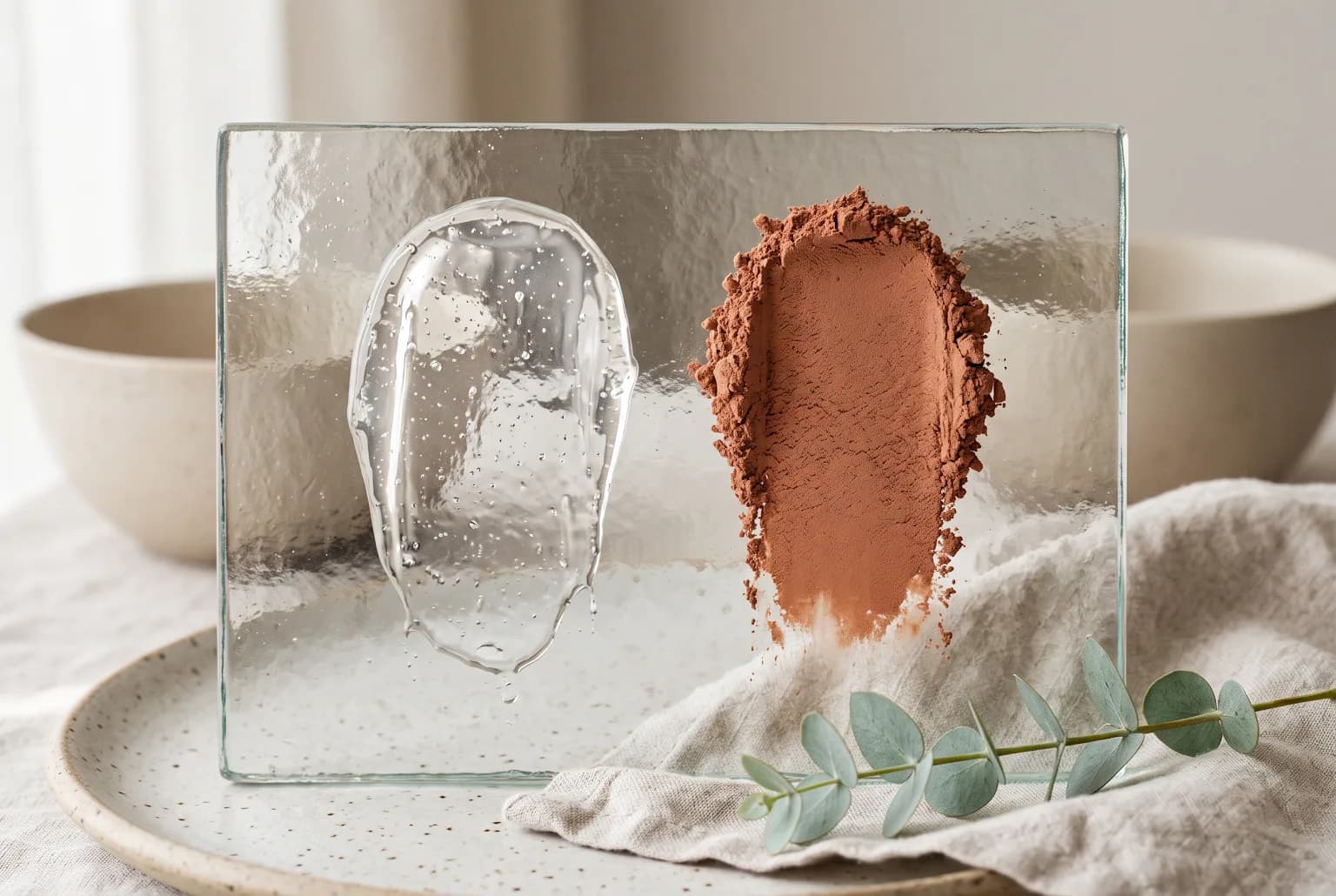
Texture is the single biggest tradeoff for combo skin. Oil-free cream-gel textures are often lighter and less likely to add shine, while emollient-light tints provide comfort to dry areas. Choose based on which zone is most problematic: if your T-zone is oily enough to require midday blotting, lean toward oil-free or gel-cream. If cheeks show flaky patches or you’re mature and need slip for fine lines, an emollient-light tint will sit more gracefully.
Compare textures in practical terms: a gel-cream will typically feel weightless, absorb quickly, and play nicely under powder. An emollient-light formula offers skin-smoothing finish and better glide for mature or textured skin but may need a mattifying step in the T-zone.
| Texture type | Typical finish | Best for | Tradeoff |
|---|---|---|---|
| Oil-free cream-gel | Natural to semi-matte | Oily T-zone, acne-prone combo | Can be less forgiving on dry patches |
| Emollient-light cream | Natural to dewy | Dry cheeks, mature combo skin | May increase midday shine on T-zone |
| Lightweight lotion/serum tint | Sheer, skin-like | Minimalists, normal-combo | Low coverage for discoloration |
Should you prioritize SPF in the tint?
Yes—built-in SPF simplifies mornings and encourages sun protection, but remember reapplication rules. A tinted moisturizer with SPF 20–30 is a good daily compromise; for extended sun exposure, layer with a dedicated broad-spectrum sunscreen or a tinted SPF designed for reapplication.
Layering and zone strategy for shine control
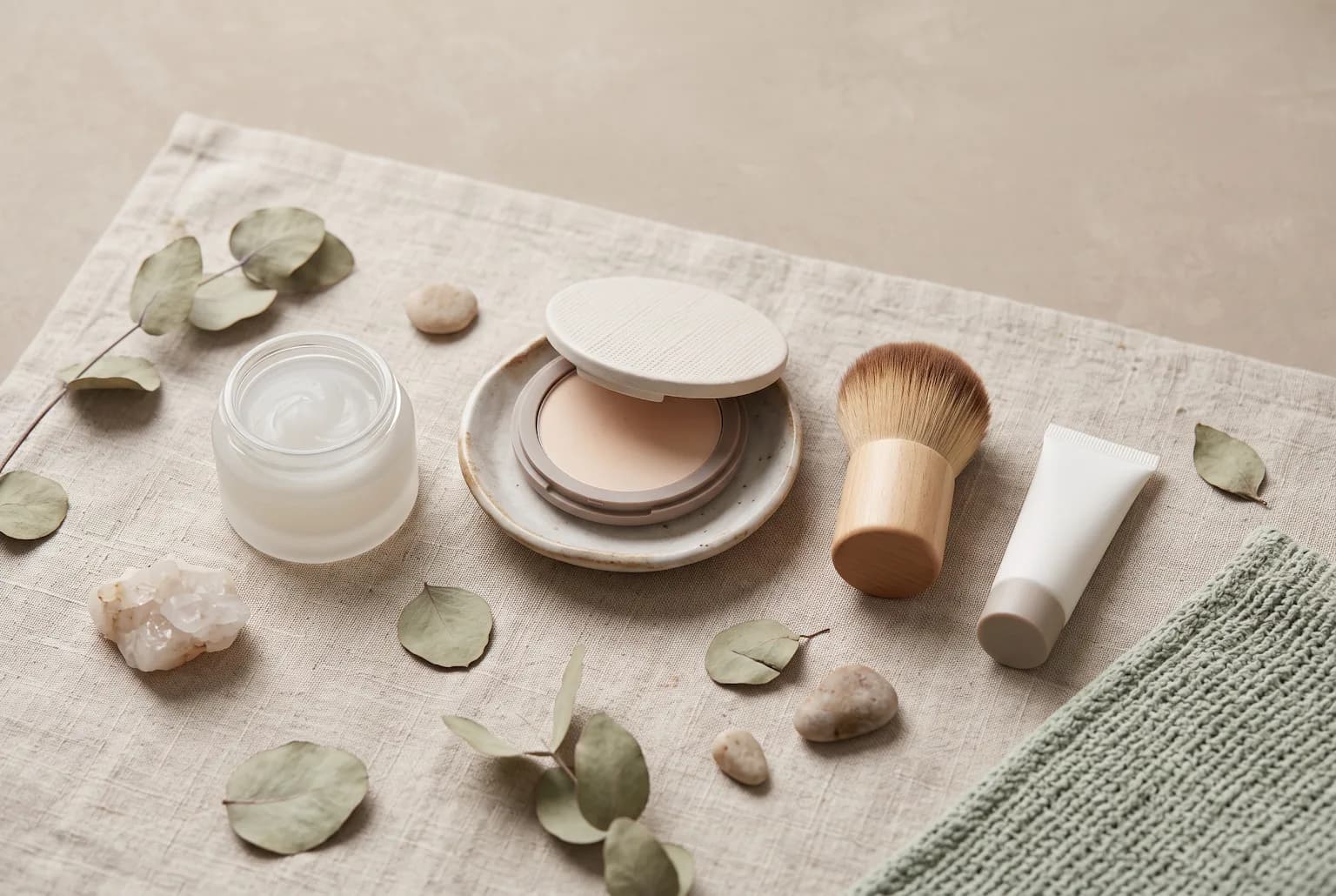
A zone-first routine treats oily and dry areas differently rather than forcing a single texture to do everything. Start with hydrating the dry zones and controlling the oily zones before you apply the tint.
Basic zone-first routine (simple, travel-friendly):
- Hydrate dry cheeks with a light gel-cream moisturizer (or a targeted spot-apply emollient). Keep it thin to avoid pilling.
- Apply a lightweight, oil-control primer on the T-zone only, focusing on the forehead, nose, and chin.
- Dispense the tint sparingly—use a pea-sized amount for the center of the face and a slightly smaller drop for each cheek.
- Blend with fingers or a damp sponge, pressing more on the cheeks and stippling across the T-zone.
- Set the T-zone with a very light dusting of translucent powder; leave the cheeks soft.
- Finish with a setting spray if you like a more skin-like finish.
What tools work best for zone application?
A damp sponge disperses pigment and helps thin coverage where you need it; a dense brush presses product into pores for more coverage on cheeks. Use fingers for warmth and a natural melt on thinner tints. For powdering the T-zone, a small, fluffy brush with a light hand avoids cakiness.
How to read labels and avoid midday shine or breakouts
Non-comedogenic labeling is a helpful signal, but ingredient lists matter. Heavy botanical oils or rich esters are more likely to contribute to shine and potentially exacerbate breakouts in oily zones. Conversely, hydrating humectants and antioxidants are welcome on drier cheeks.
A quick label checklist when shopping:
- SPF level and whether the formula is broad-spectrum.
- Texture indicators: “oil-free,” “gel-cream,” “serum tint.”
- Non-comedogenic or non-acnegenic claims.
- Presence of known pore-clogging oils (isopropyl myristate, coconut oil derivatives) if you are breakout-prone.
- Shade range—can the brand match your undertone with 3–6 shades at minimum?
When is a separate concealer or foundation useful?
If you need spot coverage for persistent hyperpigmentation or broken capillaries, a tinted moisturizer plus a targeted concealer is a lighter, more breathable option than a full foundation. Use a concealer only where needed and blend edges well to maintain the skin-tint effect.
Practical shopping guide: formats, who they suit, and tradeoffs
This short shopping guide clarifies which formats typically suit different combo-skin needs.
- Gel-cream or oil-free tints: Best for combo skin with oily T-zone and occasional breakouts. Tradeoff: may need powder for dry patches.
- Emollient-light tints: Best for combo skin leaning dry or mature. Tradeoff: monitor T-zone shine, set with powder.
- Serum or lotion tints: Best for minimalists and those wanting a skincare-first finish. Tradeoff: low coverage.
- Tinted sunscreens: Best when you want simplified protection and color; check for reapply-friendly formats. Tradeoff: some are thicker and may pill under makeup.
Useful internal reading on texture and moisturizing choices: consider pairing a tint with a complementary daytime moisturizer—our guide to the Best face moisturizer for combination skin: The Smart Gel-Cream Guide explains textures that coexist well with tints, and the Best Sunscreen for Combination Skin article helps pick a finish that suits every zone. For mature-combination concerns, see our Best daytime moisturizer for mature skin guide.
- Best face moisturizer for combination skin: The Smart Gel-Cream Guide:
- Best sunscreen for melasma: Why tinted SPF Is the Smartest Daily Buy:
- The best daytime moisturizer for mature skin:
How to evaluate value beyond price?
Value combines wear, finish, shade match, and whether the tint doubles as sun protection. A mid-range tint that stays in place with a single light powder application can be better value than a cheaper product that needs multiple touch-ups or pills over moisturizer.
Frequently asked questions
Can a tinted moisturizer replace my sunscreen?
A tinted moisturizer with SPF offers a convenient baseline of protection, but it only replaces sunscreen if it provides adequate SPF and is reapplied throughout the day when you’re exposed to UV. For extended outdoor time, layer with a dedicated broad-spectrum sunscreen.
Will tinted moisturizers clog my pores if I have oily spots?
Not necessarily. Many tints are labeled non-comedogenic and use lighter, oil-free textures. Still, test new formulas on a small area and watch midday breakouts. If you’re breakout-prone, prefer gel-cream or oil-free options and keep a light powder handy.
How do I prevent my tinted moisturizer from looking patchy on dry areas?
Prep dry zones with a thin hydrating layer—hyaluronic acid serum followed by a lightweight gel-cream works well. Allow products to absorb before applying the tint and blend with a damp sponge to avoid tugging.
Should mature-combination skin choose matte or dewy tints?
Choose a finish that balances both concerns: a natural or skin-like finish that leans slightly satin is often best. Emollient-light tints can soften fine lines while a careful, light powder on the T-zone controls shine.
Related Reading
- Best Sunscreen for Combination Skin: Find the Finish That Works on Every Zone
- Products for Combination Skin: A Zone-First Shopping Guide That Keeps Routine Simple
- Best Face Moisturizer for Combination Skin: The Smart Gel-Cream Guide
Sources
- Allure – best tinted moisturizers and skin tints roundups
- American Academy of Dermatology (AAD) – dermatologist guidance on SPF and makeup
- Laura Mercier brand pages
Clear guidance, checked before publication.
Solvi articles are structured by our editorial team and reviewed for clarity, consistency, and responsible health language. We update pages when guidance or product information changes.

Naomi Chen
Skincare Ingredients Writer. Naomi reads ingredient lists for fun and loves translating formulation language into advice that makes sense at the bathroom mirror. Hydration, barrier care, and sensitive-skin formulas are her favorite rabbit holes.