Best moisturizer with SPF for combination skin: three useful options

For combination skin that gets shiny through the forehead and nose, start by comparing CeraVe Ultra-Light Moisturizing Lotion SPF 30 with La Roche-Posay Toleriane Double Repair Matte Face Moisturizer SPF 30. If dry cheeks and a luminous finish matter more, Supergoop! Dewscreen Hydrating Primer SPF 50 is another option. None is a universal winner: the useful question is which finish you can wear comfortably at the amount its label requires.
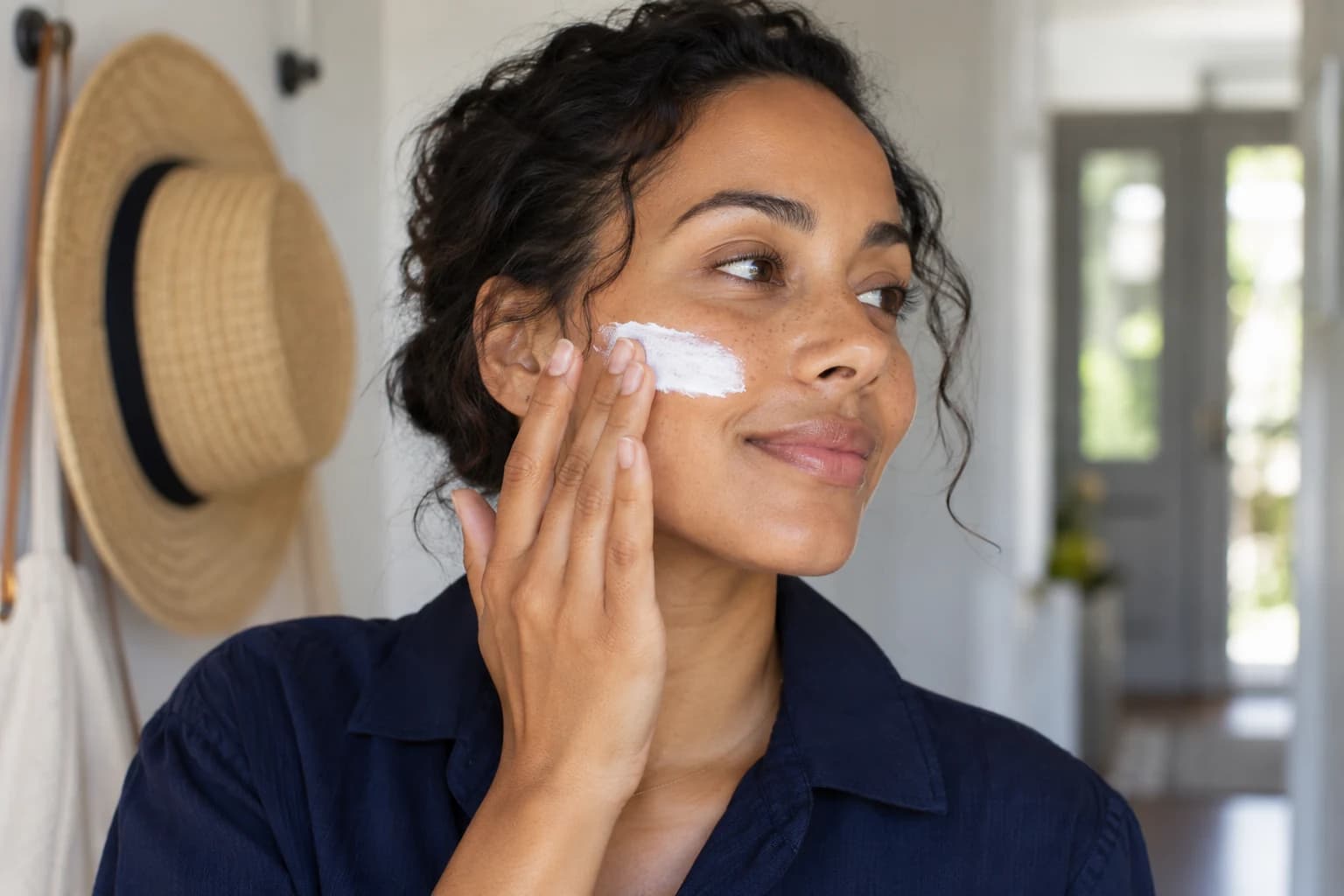
An SPF moisturizer can provide your morning hydration and sun protection together. You do not automatically need a separate sunscreen over it. You do need adequate coverage, appropriate reapplication, and a water-resistant product when swimming or sweating.
Three SPF moisturizers compared
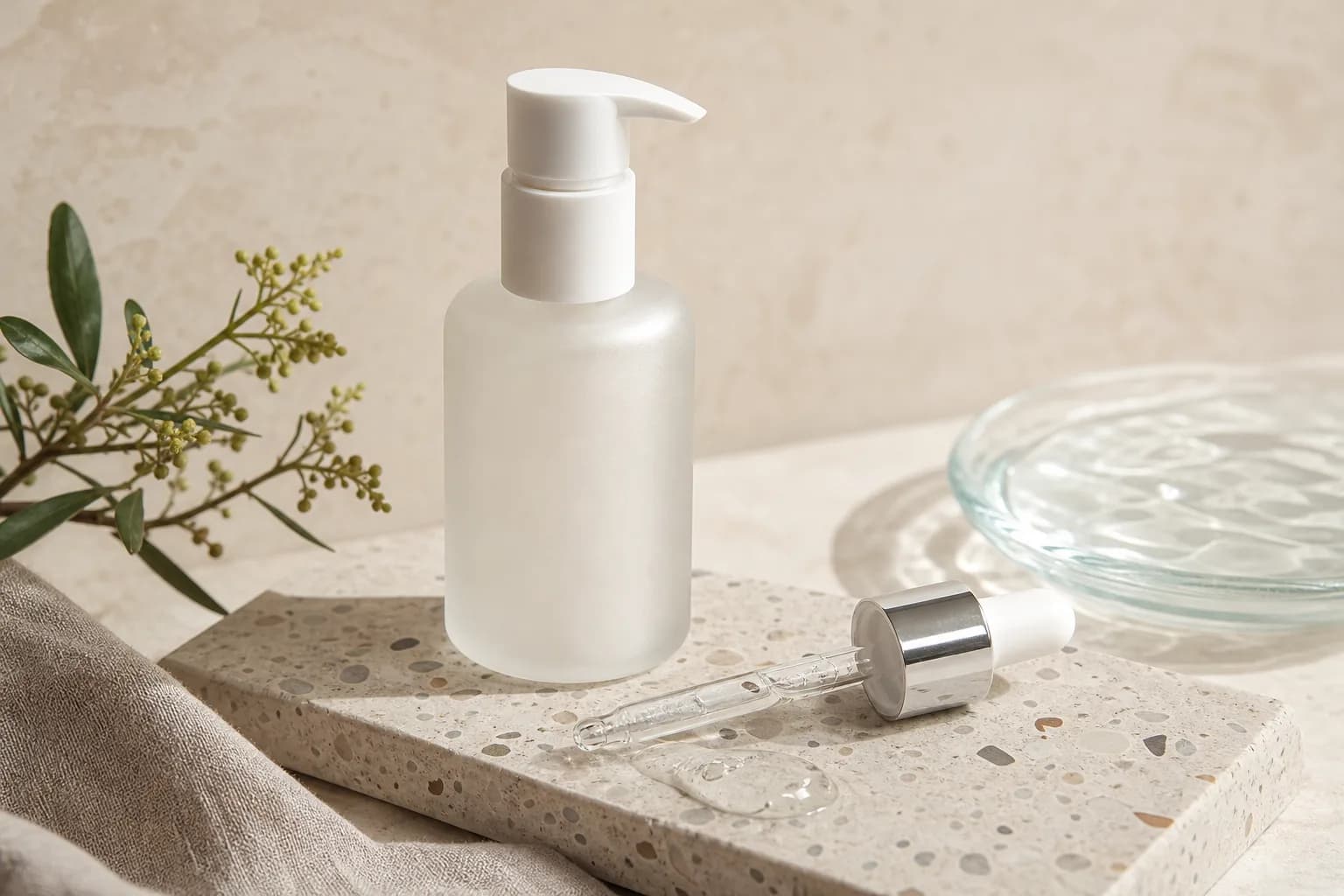
These are editorial selections based on current manufacturer information, not a wear test. The comparison uses US versions; check the product sold in your country because names and formulas can differ.
| Product | Label details | Consider it when | Main tradeoff |
|---|---|---|---|
| CeraVe Ultra-Light Moisturizing Lotion SPF 30 | Broad-spectrum SPF 30; lightweight, matte finish; ceramides and hyaluronic acid | You want a straightforward morning lotion and dislike a shiny finish | Extra hydration may still be useful on dry cheeks |
| La Roche-Posay Toleriane Double Repair Matte Face Moisturizer SPF 30 | Broad-spectrum SPF 30; matte finish; ceramide, niacinamide, glycerin | The T-zone is your main concern and you want a moisturizer marketed for oily skin | Check the ingredient list if you already know niacinamide does not suit you |
| Supergoop! Dewscreen Hydrating Primer SPF 50 | SPF 50; untinted, ultralight lotion with a dewy finish | You prefer a luminous makeup base and your cheeks tend to feel dry | The dewy finish may be more shine than you want on the nose |
The manufacturer pages confirm CeraVe's Ultra-Light formulation, La Roche-Posay's matte SPF 30 product, and Dewscreen's untinted, dewy finish. CeraVe AM Facial Moisturizing Lotion is a separate product; “AM Ultra-Light” combines two different names.
Choose by the problem you notice first
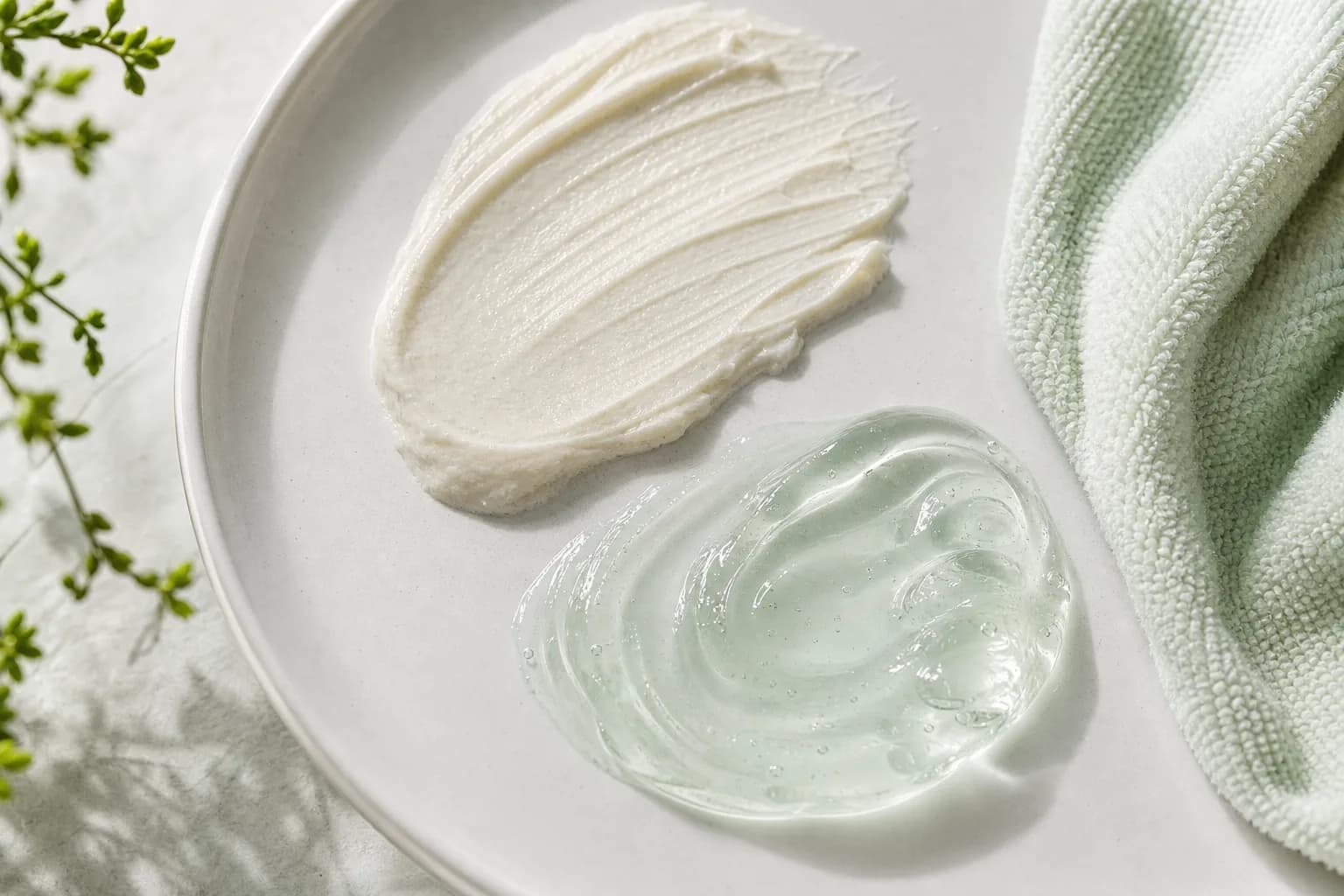
If your forehead looks shiny while your cheeks feel comfortable, try the matte category first. If your cheeks feel tight and makeup catches on dry areas, try the more moisturizing finish or add your existing plain moisturizer only where needed before SPF.
Do not buy a second SPF solely because you have two facial zones. Begin with one formula over all exposed areas. Assess whether a small amount of extra non-SPF moisturizer underneath on the cheeks solves the comfort problem. Keep sunscreen coverage consistent across the whole face.
If neither matte nor dewy options feels right, separate the jobs: use a plain moisturizer for combination skin where needed, then a sunscreen whose finish you prefer. That adds a step, but gives you more control over hydration without changing the sunscreen amount.
Keep the protection amount separate from the finish
A pleasant pea-sized dab of moisturizer is not a reliable sunscreen dose. Follow the sunscreen directions and apply enough to cover exposed skin evenly, including the ears and neck when they are uncovered. Avoid “use less SPF” as the solution to greasiness or pilling.
The American Academy of Dermatology recommends broad-spectrum SPF 30 or higher, water resistance, and reapplication about every two hours outdoors and after swimming or sweating. A higher number does not remove the need to reapply. AAD sunscreen guidance
For a commute followed by a desk day, choose the finish you can apply consistently. For a sweaty walk or beach visit, check the water-resistance statement and its time limit. “Moisturizer,” “primer,” and “sunscreen” on the front label do not replace those practical checks.
Make makeup layers easier to manage
Test a new SPF with your usual foundation before an important day. Keep the rest of the routine familiar so you can tell whether the combination works. A useful first trial is moisturizer only on dry areas, SPF across exposed skin, then makeup after the sunscreen has settled according to its directions.
If the layers roll into little flakes, remove an optional serum or primer from the next trial. Try pressing makeup on instead of repeatedly rubbing the same area. If the SPF still pills at an appropriate amount, choose another formula rather than rationing protection.
Avoid mixing sunscreen into foundation or moisturizer in your hand. You cannot assume the resulting mixture retains its labeled protection. The same applies when trying to turn an untinted SPF into a tinted one with drops of makeup.
Decide whether you want tint or glow
Dewscreen is untinted. Its glow is a finish, not coverage. If your aim is to soften the appearance of uneven tone, compare actual tinted formulas and check whether the shade works on your skin at the quantity needed for sun protection.
A tinted moisturizer that looks flattering as a tiny dab may be impractical as your only sunscreen. You can instead wear a comfortable sunscreen underneath a separate makeup layer. Our tinted moisturizer comparison helps separate coverage preferences from skin feel.
Check color in daylight around the jaw and neck. If the tint looks gray, orange, or much lighter than your skin, that particular shade is a poor match; it does not mean tinted SPF as a category is unsuitable for you.
A simple buying and trial plan
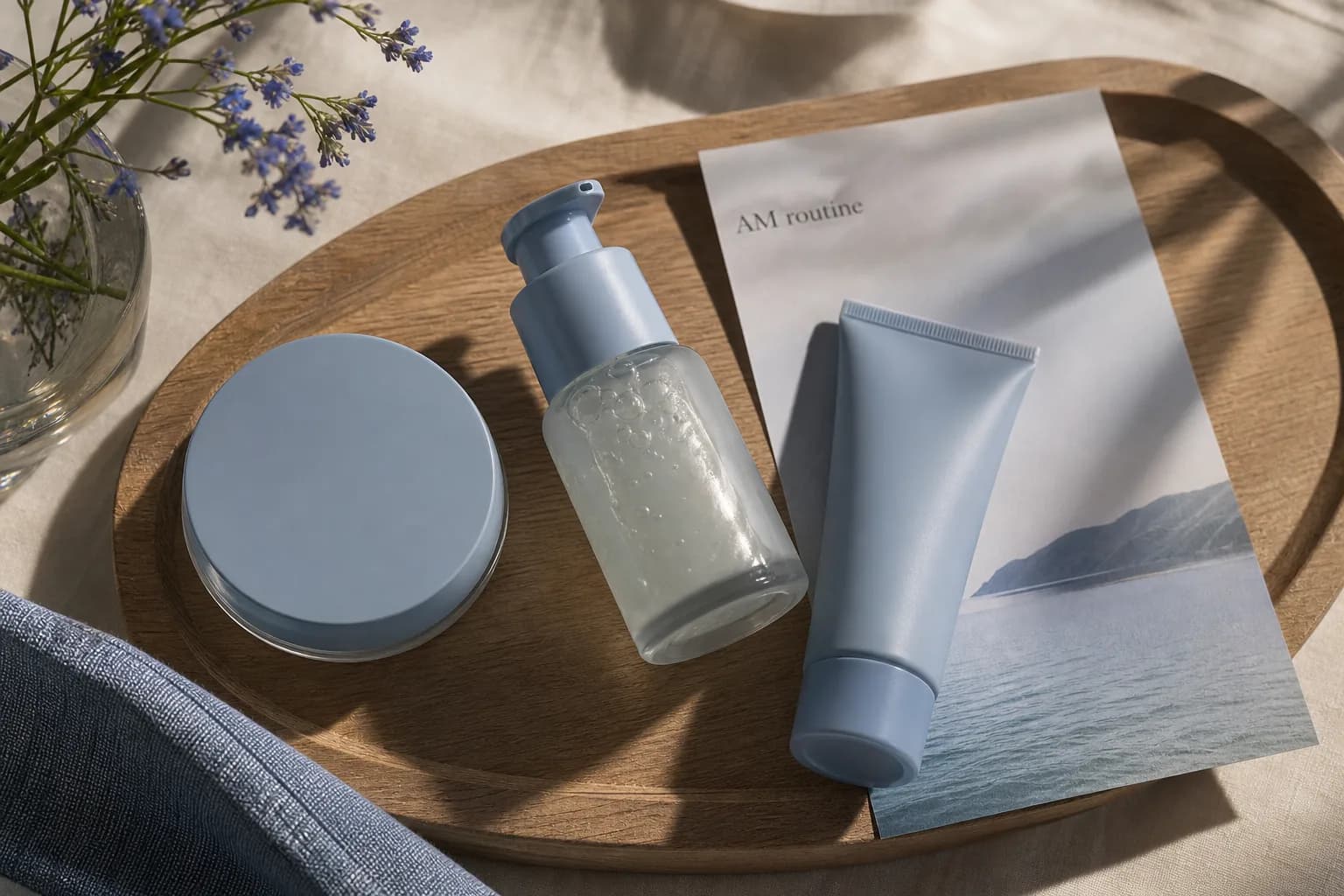
First, decide between matte and dewy. Second, compare the current ingredient list with products you already tolerate. Third, check the water-resistance label against your activities. Buy one product before replacing the whole morning routine.
During the first few wears, record four things: comfort after application, cheek dryness, shine later in the day, and whether the full routine pills. These observations are more useful than judging the first minute alone. Stop using a product that causes a reaction instead of treating discomfort as evidence that it is working.
Keep evening skincare independent of the daytime finish. Dry cheeks may need a richer night moisturizer even when your morning SPF is lightweight.
Frequently asked questions
Can SPF moisturizer replace sunscreen?
Yes, if it has appropriate broad-spectrum protection and you apply and reapply it according to its label. The problem is often insufficient application, not the word “moisturizer.” Outdoor activity may call for a different water-resistant formula.
Does SPF 30 plus SPF 50 equal SPF 80?
No. Layering two products does not add their SPF numbers together. Choose a sunscreen you can apply properly instead of calculating a combined number.
Should I put less sunscreen on my oily nose?
No. Keep protection even and manage shine by choosing a different finish or simplifying products underneath. You can use different amounts of plain moisturizer on different zones without reducing sunscreen coverage.
Clear guidance, checked before publication.
Solvi articles are structured by our editorial team and reviewed for clarity, consistency, and responsible health language. We update pages when guidance or product information changes.

Maya Bennett
Senior Beauty Editor. Maya is the skincare obsessive who turns big beauty questions into clear, grounded guidance. She is especially interested in routines that respect real skin, real schedules, and realistic budgets.