CC cream for combination skin: three options for shine, dryness and redness

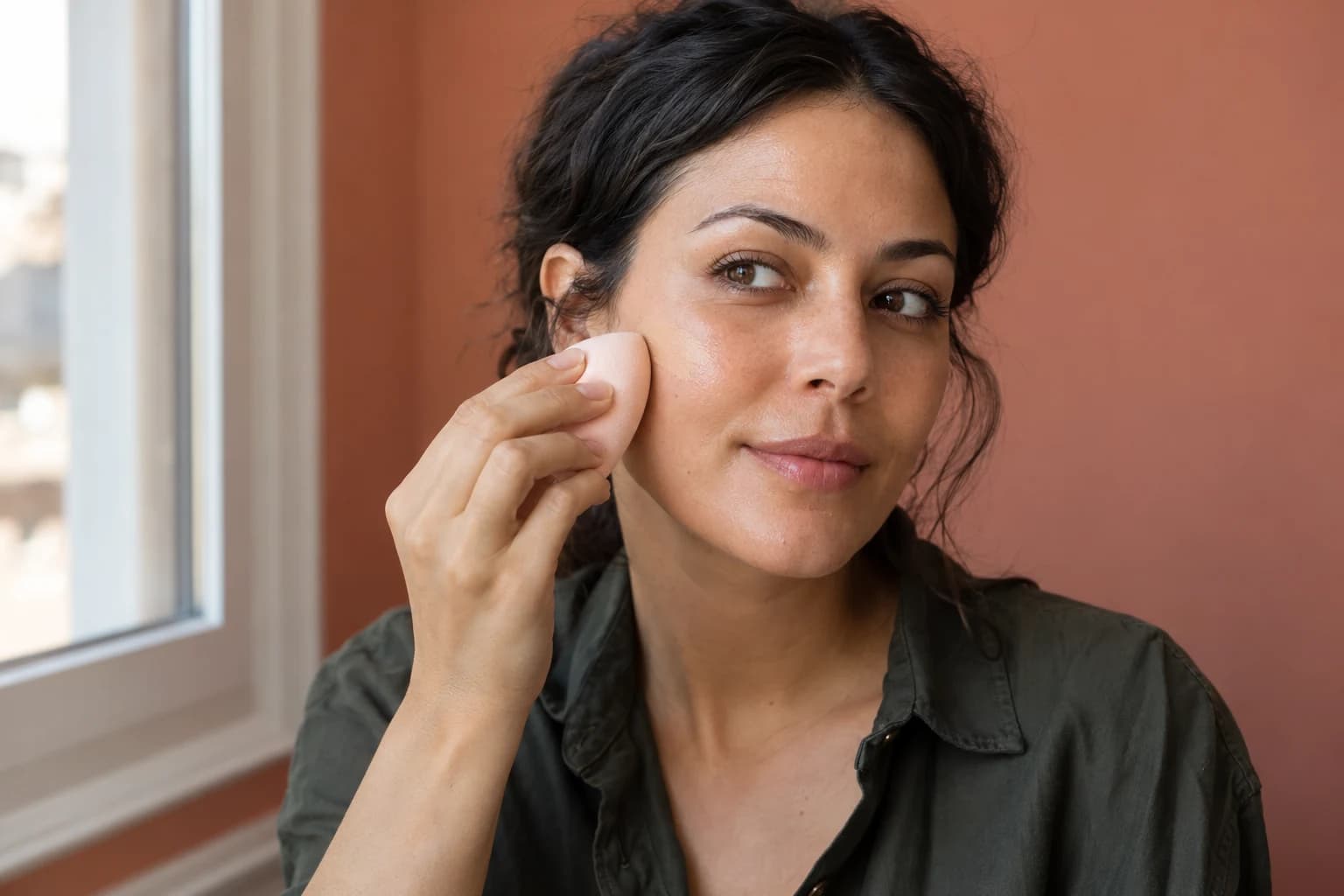
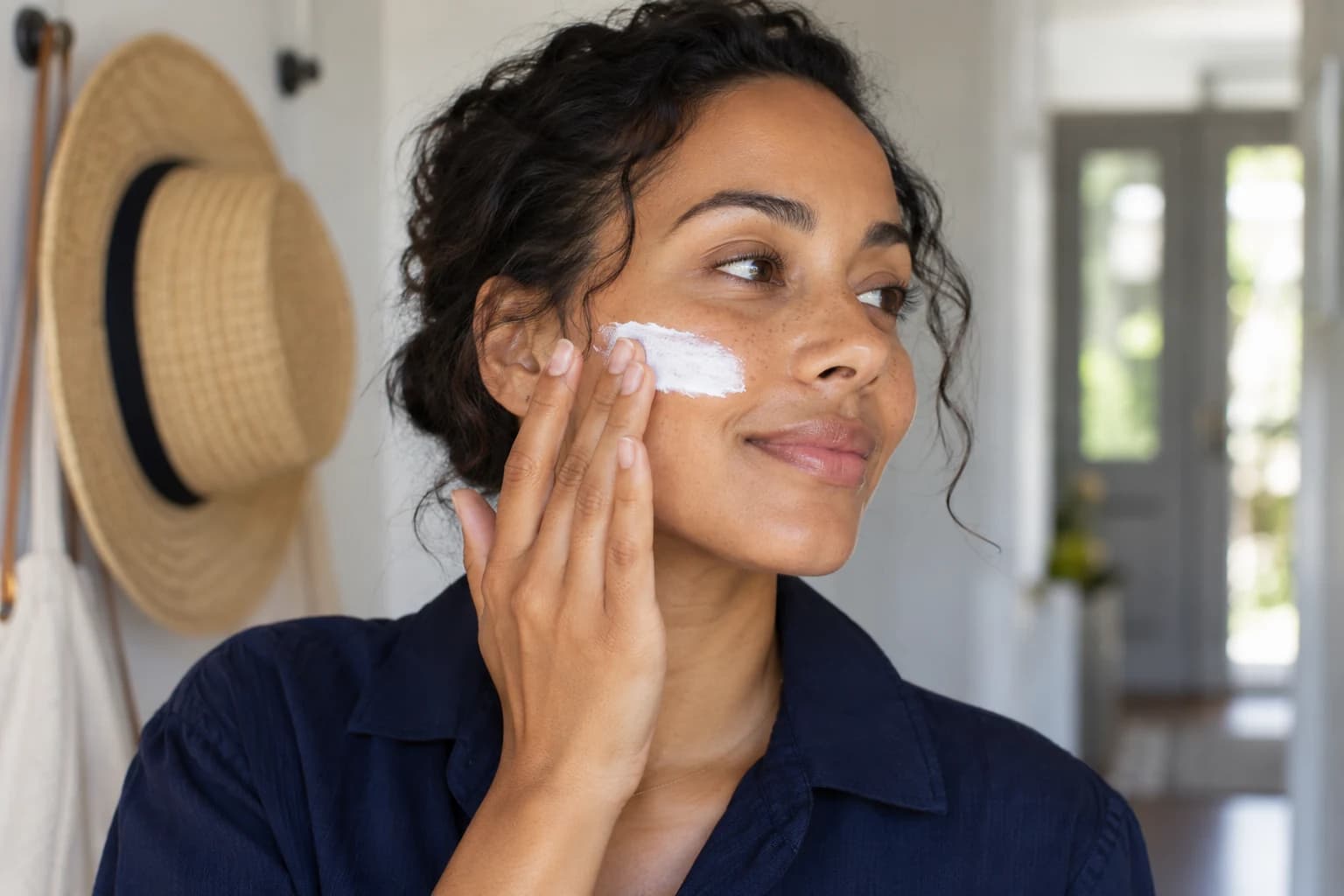
For combination skin, start with the finish you want to control: IT Cosmetics CC+ Natural Matte for an oily-looking center, CC+ Nude Glow for a more luminous result, or Erborian CC Red Correct when visible redness is the main coverage concern. You do not need separate CC creams for your forehead and cheeks by default.
A good match should look acceptable on both areas with your ordinary preparation. Start with one formula, moisturize dry patches as needed, and use powder selectively if you like it. Buying two bases before testing one can turn a straightforward decision into an expensive blending exercise.
Compare these three CC formulas
The product facts below come from official US listings checked in October 2026. Recommendations reflect the stated finish and formula; they are not results from a Solvi wear test. Regional formulas and SPF labeling can differ, so compare the version on your own package.
| Product | Useful distinction | Consider it when | Reason to choose differently |
|---|---|---|---|
| IT Cosmetics CC+ Cream Natural Matte SPF 40 | Matte coverage; formula includes silica, glycerin and niacinamide | Shine is more frustrating than dryness | A matte effect may not be the finish you want on flaky cheeks |
| IT Cosmetics CC+ Nude Glow SPF 40 | Luminous finish; contains 2% niacinamide | You want glow and lighter-looking coverage | Contains fragrance and listed fragrance components |
| Erborian CC Red Correct SPF 25 | Green tint that blends into coverage for visible redness | Redness correction matters more than full coverage | Contains fragrance; the resulting tint still needs a skin-tone match |
The SPF numbers describe labeled products used as directed. A thin cosmetic layer cannot automatically be assumed to provide the tested protection. The coverage amount you like and the sunscreen amount you need may be different.
Natural Matte for an oily-looking center
IT Cosmetics positions CC+ Natural Matte for oily and combination skin. Its official list contains silica alongside moisturizing ingredients, which makes it a more relevant starting point for a matte preference than choosing by the word “CC” alone.
Before committing, check a cheek that tends to become dry as well as your forehead. If coverage makes a flaky area more obvious, first consider whether that area needs gentler preparation or less pigment. You may still enjoy the formula through the center of the face without applying the same amount everywhere.
Do not judge the result immediately after powdering. Look again before your usual touch-up time. If you normally powder twice a day, a new base is useful only if the result or maintenance suits you better. A claim about shine control is a reason to investigate, not a promise about your particular workday.
Nude Glow for a luminous finish
CC+ Nude Glow is the option to consider when an all-over matte base looks flat to you. The brand lists niacinamide, hyaluronic acid and green tea extract, and the formula contains fragrance. That last detail matters if fragrance is a known trigger.
A glow preference and combination skin can coexist. You can leave the cheeks luminous and apply a small amount of powder only where you personally dislike shine. You do not have to select the driest-looking base simply because your nose gets oily.
However, avoid buying this hoping that skincare ingredients will replace a treatment for persistent pigmentation or acne. The useful comparison here is coverage, finish and tolerance. Decide whether you like the makeup before assigning extra value to its skincare story.
Red Correct for visible redness
Erborian CC Red Correct is a green-tinted color corrector with buildable coverage and labeled SPF 25. The official ingredient list includes fragrance and several fragrance components. “For redness” does not mean that it treats the cause of redness or suits every person with sensitive skin.
Test how the green changes as you blend and whether the final color matches your face and neck. A color-changing description does not guarantee a match across all skin tones. If it looks gray, pale or otherwise mismatched in daylight, more blending may not solve the underlying shade problem.
If redness is painful, persistent or accompanied by scaling, treat that as a skin concern to investigate. A corrector can cover color, but buying progressively stronger coverage is not a reliable way to address an ongoing reaction.
Get the shade and wear check right
Take your usual sunscreen into account when testing. A base worn on bare skin in a store may behave differently over the products you use every morning.
Check three things separately:
- Color: compare the blended result with the face and neck in daylight.
- Surface: examine dry cheeks and the sides of the nose without a magnifying mirror.
- Wear: return to the same lighting later to look for separation, uneven shine or a changed color.
If the first shade seems wrong, try a neighboring shade or undertone before blaming your skincare. If the color is right but the makeup gathers around dry patches, adding more pigment is unlikely to be helpful. If you like the coverage everywhere except the forehead, a targeted finishing step may be enough.
Keep sunscreen separate from mixing experiments
Use sunscreen according to its label, then apply makeup once the sunscreen has settled. Do not mix SPF-containing CC creams with moisturizer or another base and assume the original SPF still applies. The mixture is not the formula that was tested.
The AAD advises broad-spectrum, water-resistant SPF 30 or higher for sun protection. Erborian's SPF 25 therefore does not meet that SPF 30 threshold on its own. Makeup also does not remove the need to reapply sunscreen during outdoor exposure.
There is no sound reason to reject iron oxides because you are concerned about sun sensitivity. The AAD recommends iron-oxide-containing tinted sunscreens for visible-light protection when dark spots are a concern. That does not mean every CC cream provides identical visible-light protection; it does mean “avoid iron oxides” is poor shopping advice.
Spend on the problem you actually have
Use a simple decision before checkout. If a current foundation looks good but needs a lunchtime blot, a new CC cream may not improve much. If the current coverage is too heavy, look for a finish and coverage change. If the current shade is wrong, prioritize shade availability over ingredient trends.
Keep the first trial uncomplicated: one new base with the rest of your routine familiar. A useful note is “comfortable cheeks, shiny nose after lunch, easy touch-up.” That gives you a clear next decision. “Bad for combination skin” hides the detail that could help you find a match.
Frequently asked questions
Can I wear one CC cream across my whole face?
Yes. Different zones do not automatically require different products. Start with one formula and adjust preparation or coverage where necessary. Reconsider only if the compromise remains uncomfortable or visually unsatisfactory.
Does non-comedogenic mean I cannot break out?
No label guarantees an individual's response. It is one shopping clue, not a promise. If a new product seems linked to breakouts or irritation, stop introducing other changes and reassess the routine.
Should I choose CC cream instead of foundation?
Choose by the result you want. CC products range from light correction to substantial coverage. The letters on the tube tell you less than the actual shade range, finish, coverage and how it wears on your face.
Related reading
- Best Face Moisturizer for Combination Skin: The Smart Gel-Cream Guide
- The best face wash for combination skin: a practical guide
- Best Night Moisturizer for Sensitive Skin: A Barrier-First Guide for Mature, Dry, and Combination Skin
Sources
- IT Cosmetics: CC+ Natural Matte SPF 40
- IT Cosmetics: CC+ Nude Glow SPF 40
- Erborian US: CC Red Correct SPF 25
- American Academy of Dermatology: Sunscreen FAQs
- American Academy of Dermatology: Melasma self-care
Clear guidance, checked before publication.
Solvi articles are structured by our editorial team and reviewed for clarity, consistency, and responsible health language. We update pages when guidance or product information changes.

Amara Lewis
Sensitive Skin Writer. Amara is fascinated by calm, barrier-first skincare and the small details that make a routine easier to tolerate. She favors thoughtful formulas, slow introductions, and less guesswork.