Best face wash for sensitive oily skin: three gentle starting points


For sensitive oily skin, start with a gentle everyday cleanser rather than the strongest oil-removing wash. CeraVe Foaming Facial Cleanser, La Roche-Posay Toleriane Purifying Foaming Face Wash, and Paula's Choice CALM Ultra-Gentle Cleanser are three current options to compare. The right choice removes the day's residue without leaving a tight, sore, or persistently uncomfortable face.
You do not need an acne treatment in every skincare step. If your leave-on treatment already does that job, a straightforward cleanser can make the rest of the routine easier to tolerate.
Compare three current cleansers

These selections use manufacturer information and intended use, not a comparative clinical trial. Read the current formula in your country before purchasing, particularly if you have a known ingredient allergy.
| Cleanser | What the manufacturer describes | Consider it when | Main check |
|---|---|---|---|
| CeraVe Foaming Facial Cleanser | Gel-based foaming cleanser for normal-to-oily skin; ceramides, hyaluronic acid, niacinamide | You want a straightforward foaming wash without a dedicated acne active | Assess cheek comfort after rinsing, not only how clean the nose feels |
| La Roche-Posay Toleriane Purifying Foaming Face Wash | Fragrance-free foaming wash for normal-to-oily skin | You like a foaming texture and want a clearly identified daily cleanser | Make sure you are buying Purifying, not another similarly named Toleriane wash |
| Paula's Choice CALM Ultra-Gentle Cleanser | A mild cleanser with a softening lather, marketed for all skin types | You want to compare a different cleansing feel when a familiar wash is uncomfortable | Check the current CALM product name and regional ingredient list |
Product references: CeraVe Foaming Facial Cleanser, Toleriane Purifying Foaming Face Wash, and CALM Ultra-Gentle Cleanser. The CALM page linked here is the Australian site, so match its information to your local packaging.
Define what sensitive means for you
“Sensitive” can describe several experiences: immediate stinging, a delayed rash, tightness after washing, or skin made uncomfortable by treatment. Those experiences do not necessarily have the same cause.
Before shopping, note when the problem happens. If your face feels fine until you apply a particular serum, changing the cleanser may not solve it. If discomfort begins immediately after every wash, review the cleanser, water temperature, and washing technique first.
Persistent redness, burning, or rash may need medical assessment. A product marketed for sensitive skin does not diagnose or treat every cause of sensitivity. If dryness is the dominant issue, our dry sensitive skin cleanser guide may provide a more relevant comparison than an oily-skin shortlist.
Choose a washing method you can repeat comfortably
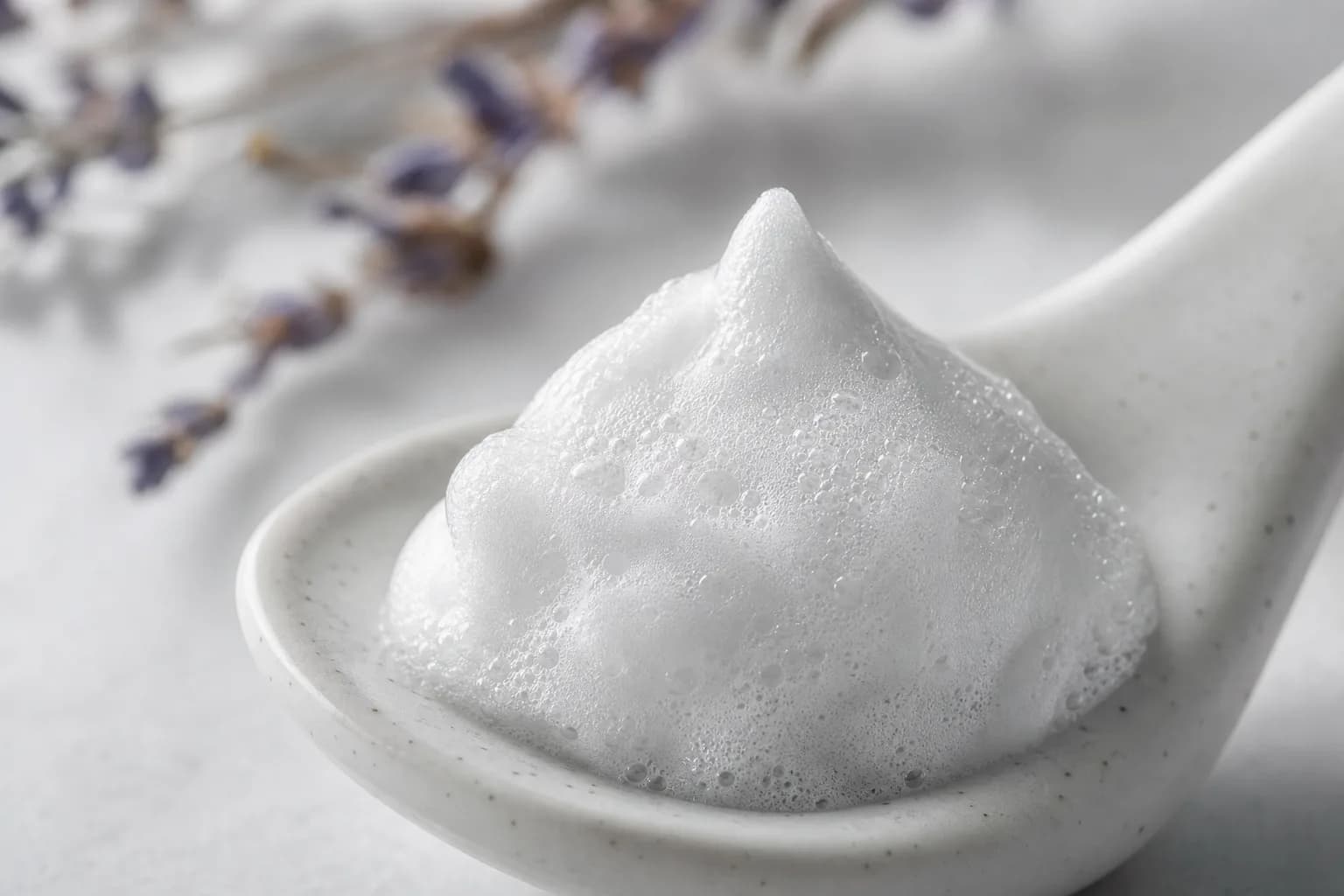
Use lukewarm water and your fingertips, then rinse and pat dry. Avoid trying to polish away oil with a scrub, brush, or rough cloth. The AAD's face-washing guidance recommends gentle washing, generally up to twice daily and after sweating.
Follow the cleanser directions rather than timing an extended massage because a video promises deeper cleaning. A rinse-off cleanser is not a mask unless the product specifically says otherwise.
If you exercise between your usual washes, consider that extra cleansing when evaluating how your skin feels. Adding a third vigorous wash, an exfoliating toner, and an acne treatment on the same day can make it difficult to identify what is causing discomfort.
Separate everyday cleansing from acne treatment

A salicylic acid cleanser can be a deliberate treatment choice, but oiliness alone does not mean you need one. If you want to treat breakouts, look at the entire routine and the directions on the exact acne product.
Do not add a salicylic cleanser automatically when you already use a leave-on acid, retinoid, or benzoyl peroxide. Ask a pharmacist or clinician about overlap if you are uncertain, especially when your skin is already reacting.
The AAD's oily-skin advice supports gentle cleansing and notes that some active ingredients can be too harsh for an individual. A plain cleanser is still a valid choice for oily skin; it does not mean you are failing to treat it.
The cleansers in the comparison are everyday options. Choosing one does not require adding another treatment, and none should be presented as a substitute for medical care when acne is painful, persistent, or scarring.
Decide whether makeup needs a separate remover
Double cleansing is optional. If one gentle cleanser removes your usual products adequately, another full wash may add effort without improving the result. If stubborn eye makeup or a water-resistant product remains, use an appropriate remover according to its directions instead of scrubbing harder.
Check the eye-area instructions; a facial cleanser is not necessarily designed to remove every type of mascara. Remove residue gently and assess whether the overall process leaves the skin comfortable.
For example, someone wearing only a light daytime routine may need one wash. Someone wearing long-wear foundation and waterproof mascara may benefit from targeted removal first. The difference is what needs removing, not whether one person is taking skincare more seriously.
Evaluate the whole formula, not a single slogan
Foam is a texture, not a reliable measure of harshness. “Sulfate-free,” “soap-free,” and “pH-balanced” can describe a formula, but none independently guarantees tolerance. Your known triggers and the product's actual behavior matter more than collecting label claims.
Similarly, a short ingredient list is not automatically superior to a longer one. A single ingredient you react to is enough to make a short formula unsuitable. Keep a note of past reactions rather than trying to classify every unfamiliar ingredient as good or bad.
If you want a wider range of textures, our sensitive-skin cleanser comparison gives you other formats to consider without assuming that all oily skin needs the same wash.
Run a useful one-product trial
Keep the moisturizer and other products familiar while changing the cleanser. Record whether makeup comes off, whether your cheeks feel tight, and whether stinging occurs when the next product goes on. Those observations help you decide what to change next.
If the cleanser is comfortable but your nose becomes shiny later, do not automatically conclude it failed. Cleansing removes surface residue; it does not promise an oil-free face for the whole day. A comfortable moisturizer for sensitive skin still belongs in many oily-skin routines.
Frequently asked questions
Is a foaming cleanser too harsh for sensitive skin?
Not necessarily. Compare the actual formula and your response. A gentle foaming wash can suit oily skin, while another formula with the same texture may not suit you.
Should I wash every time my face looks shiny?
No. Repeated washing can become irritating. Keep a sensible cleansing routine and consider gentle blotting for occasional surface shine instead of another full wash.
Do I need a toner after cleansing?
No. If your cleanser and moisturizer leave your skin comfortable, toner is optional. Adding an astringent to remove the last trace of oil can work against your aim of a comfortable routine.
Clear guidance, checked before publication.
Solvi articles are structured by our editorial team and reviewed for clarity, consistency, and responsible health language. We update pages when guidance or product information changes.

Amara Lewis
Sensitive Skin Writer. Amara is fascinated by calm, barrier-first skincare and the small details that make a routine easier to tolerate. She favors thoughtful formulas, slow introductions, and less guesswork.