The best face cleansers for sensitive skin: a barrier-first guide


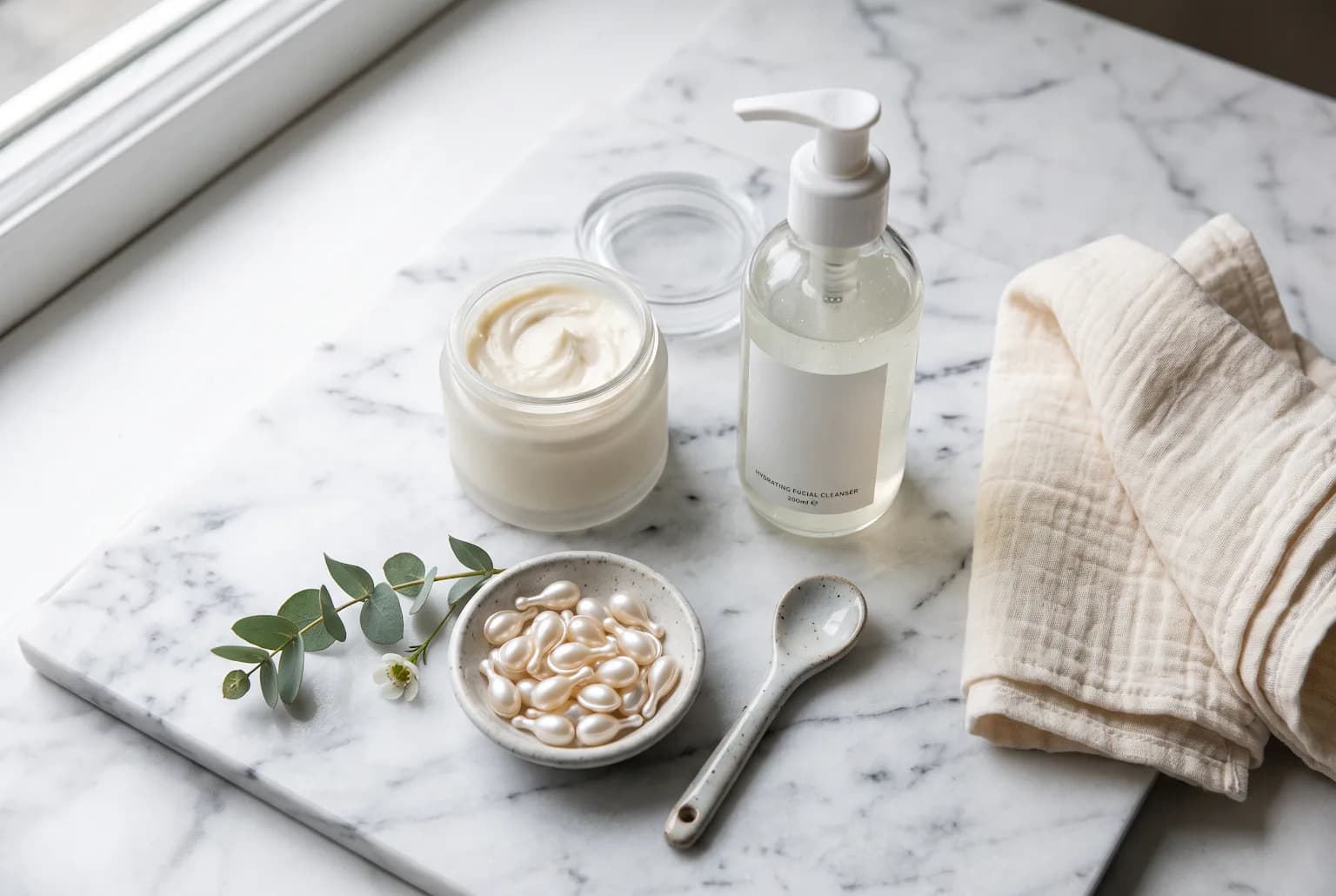
Choose a cleanser that removes dirt and makeup without stripping or provoking reactive skin. For the best face cleansers for sensitive skin, prioritize fragrance‐free, low‐surfactant gel or cream formulas that include humectants like glycerin and barrier lipids such as ceramides or squalane. Avoid essential oils, strong foaming surfactants and denaturing alcohols, and always patch‐test before making a new product part of your daily routine.
What to look for in a gentle cleanser
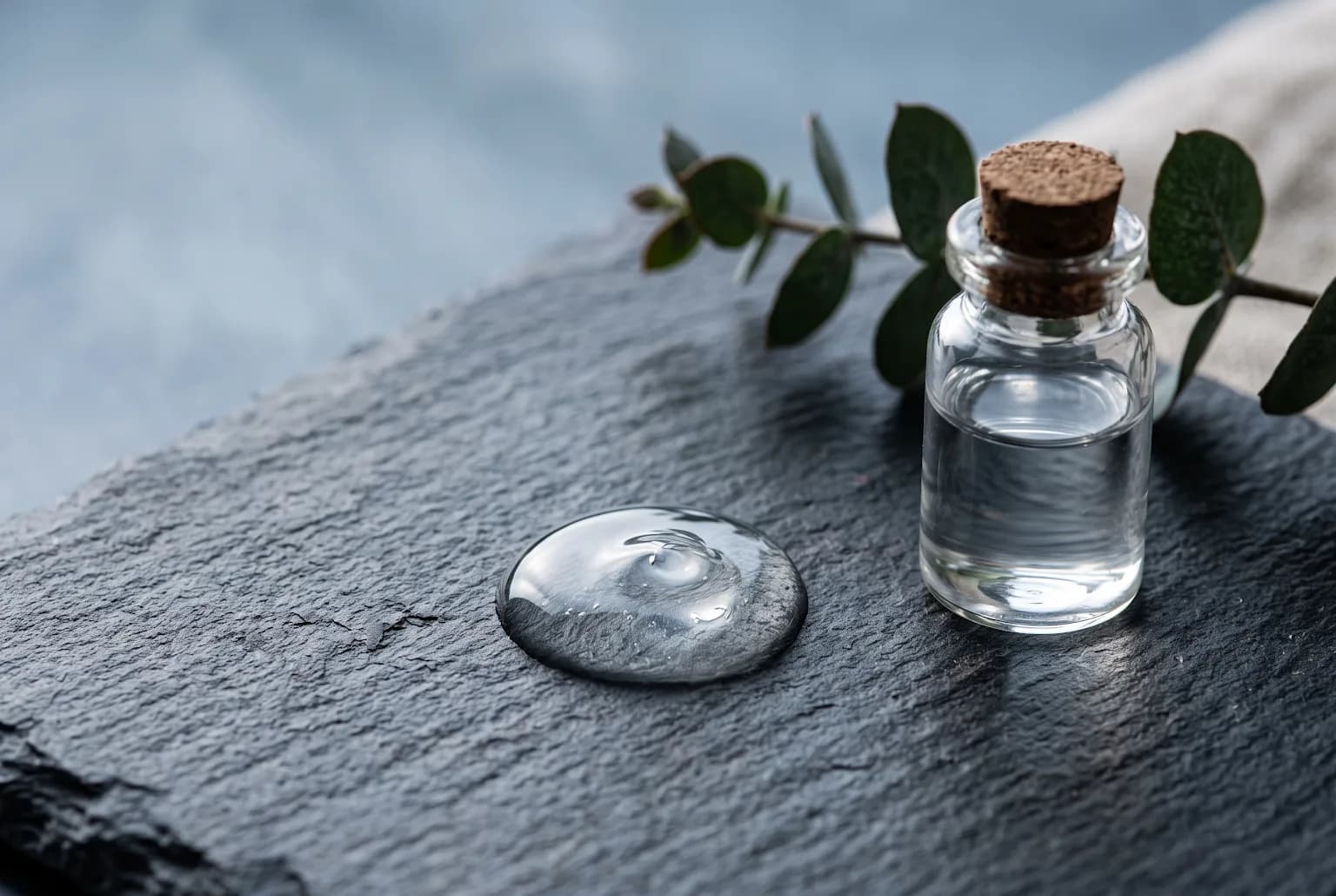
Start by scanning labels for three decision criteria: minimal irritants, barrier‐supporting ingredients, and pH‐friendly surfactants. Minimal irritants means fragrance‐free, dye‐free, and no essential oils. Barrier‐supporting ingredients include humectants (glycerin, hyaluronic acid) and lipids (ceramides, squalane). pH‐friendly surfactants are often described as "gentle," "non‐stripping," or lower‐foaming; many cream or cream‐gel cleansers use mild amphoteric surfactants rather than high‐foaming SLS/SLES.
Dermatologists commonly recommend options such as CeraVe Hydrating Cleanser, Vanicream Gentle Facial Cleanser, and La Roche‐Posay Toleriane Hydrating Gentle Cleanser as starting points for reactive skin types because they pair humectants with barrier lipids and avoid fragrance. Those examples represent the formula types you should prioritize, not one-size-fits-all endorsements. If you rely on labels, look for terms like "fragrance‐free," "hypoallergenic," or "for sensitive skin," but always cross‐check the ingredient list.
Texture tradeoffs: gel, cream, balm
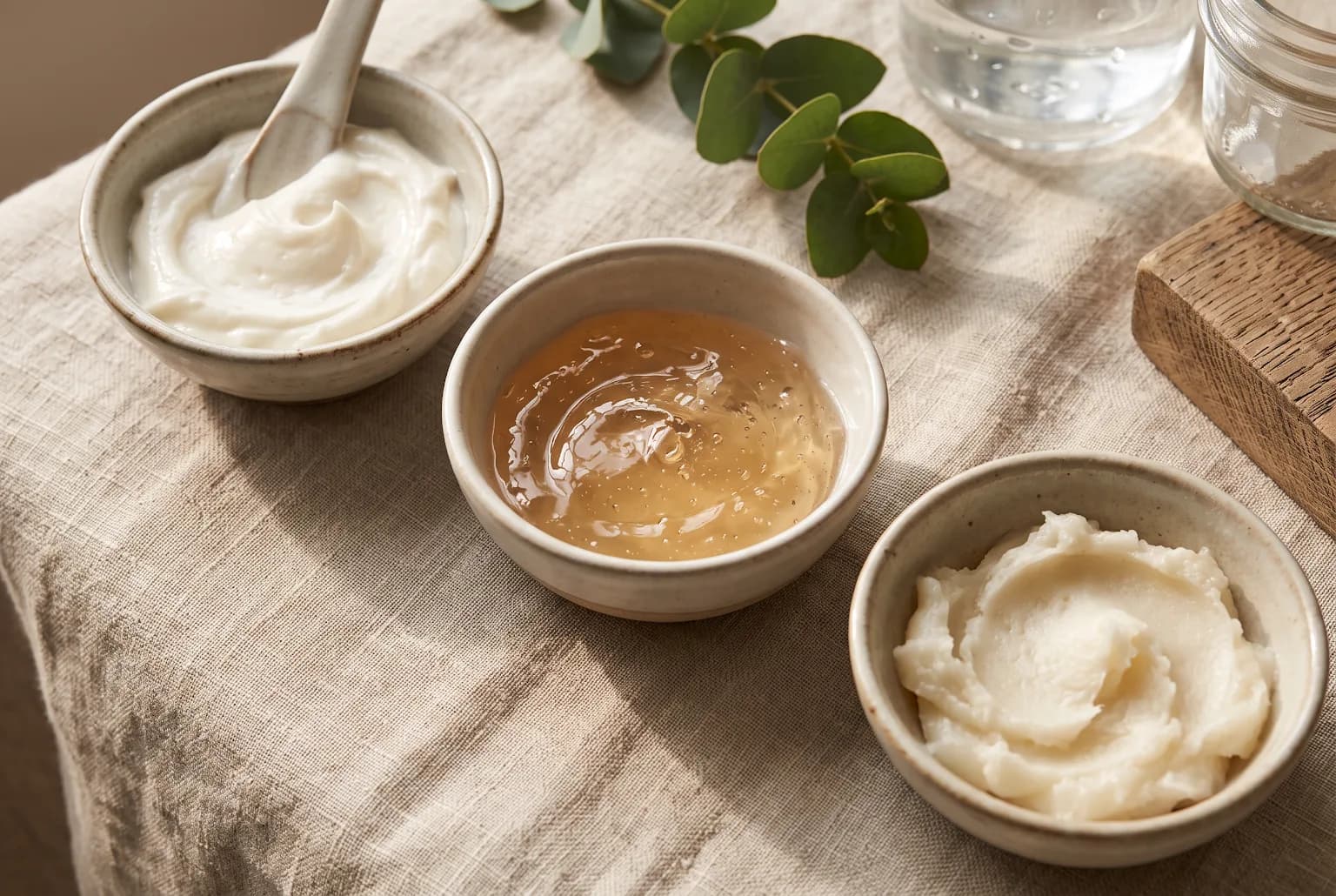
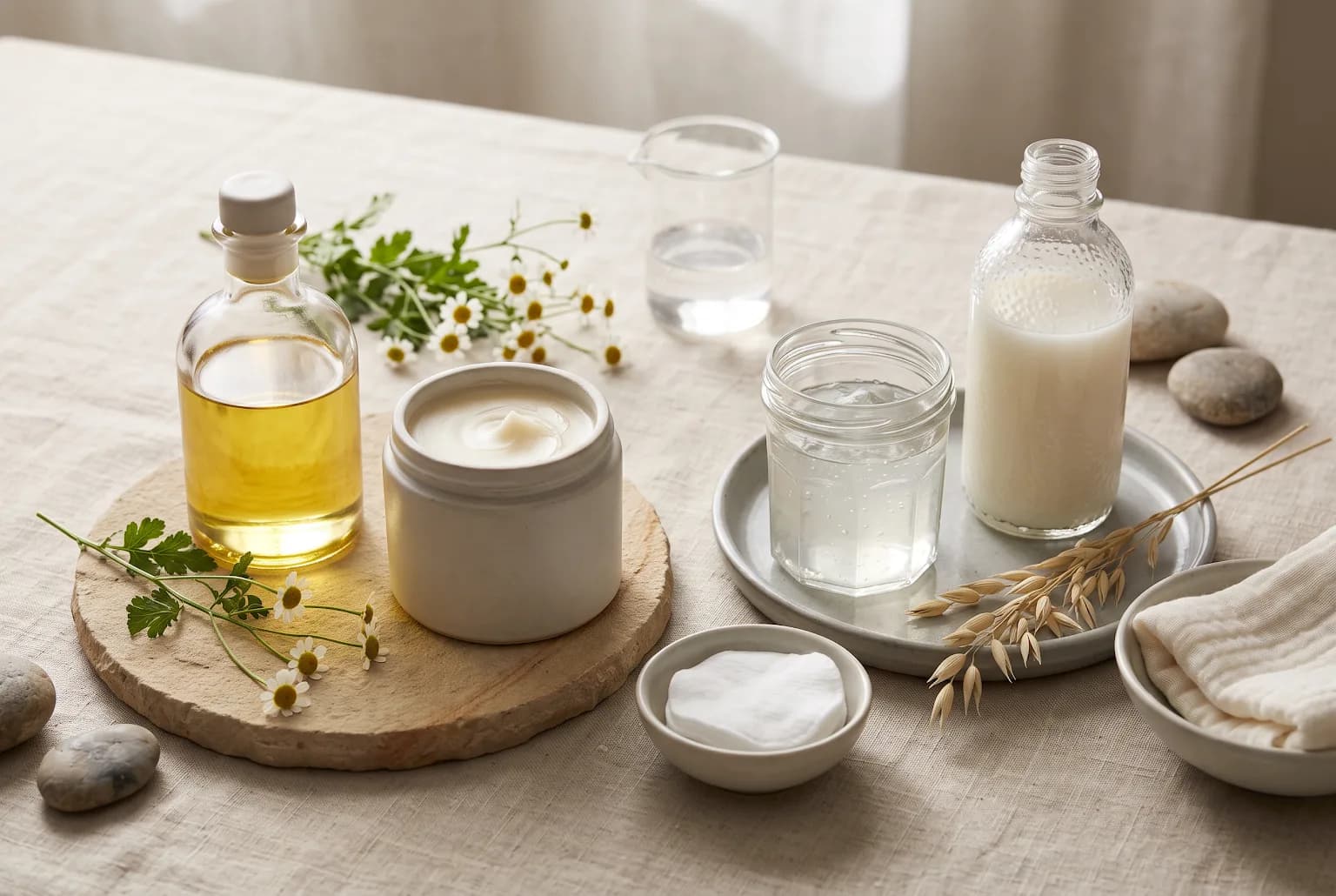
Texture matters as much as ingredients because it affects how much rubbing and rinsing the skin receives. Cream and cream‐gel cleansers are often the calmest for compromised barriers: they emulsify oil and debris without vigorous foaming and typically contain higher concentrations of humectants and lipids. Gel cleansers can work when they rely on low‐irritant surfactants and include glycerin or hyaluronic acid; they’re lighter, rinse quickly, and suit combination skin that still errs on the sensitive side.
Balms and cleansing oils are the most emollient of the three: they dissolve makeup and sunscreen efficiently with minimal mechanical friction, but they can feel heavy and require careful emulsification to rinse fully. If you wear heavy makeup regularly, a balm followed by a gentle rinse‐off cleanser can be a low‐friction double‐cleanse approach. The tradeoff is extra time and, occasionally, a residual feel some people dislike.
| Texture | Best for | Typical ingredient focus | Tradeoffs |
|---|---|---|---|
| Cream / cream‐gel | Dry, eczema‐prone, rosacea‐prone | Ceramides, glycerin, squalane | Least foaming, gentle; can feel heavy for oily skin |
| Gel (low‐suds) | Combination, reactive acne-prone | Mild amphoterics, glycerin, hyaluronic acid | Lightweight; watch for stripping foaming formulas |
| Balm / cleansing oil | Heavy makeup, sunscreen removal | Emollients, esters, minimal surfactant | Effective at makeup removal; needs emulsification and rinsing |
How to read ingredient lists without the guesswork
Make a quick scan: is the product fragrance‐free? If not, skip it for sensitive skin. Next, find humectants and lipids—glycerin, hyaluronic acid, ceramides, and squalane are wins. Avoid denaturing alcohols (often labeled SD alcohol, denatured alcohol) and essential oils like tea tree, eucalyptus, or citrus extracts, which can be irritating even at low concentrations.
Low‐irritant surfactants are typically listed with gentler names (cocamidopropyl betaine, sodium cocoyl isethionate, decyl glucoside) and are often paired in cream formulas with higher oil/water ratios to reduce stripping. If a cleanser lists SLS or SLES high in the ingredient order and also promises a "deep clean" with lots of foam, treat it as potentially drying for reactive skin.
Who each format suits—concrete decision examples
Choose based on common, concrete scenarios rather than vague promises.
- If you have persistent redness and flares after washing: switch to a cream or cream‐gel with ceramides and glycerin and eliminate fragrance immediately. Consider Vanicream Gentle Facial Cleanser as a model of a minimal formula.
- If you wear SPF and light makeup daily but break out from heavy oils: use a balm once or twice a week for makeup removal, followed by a low‐suds gel with humectants to finish. A two‐step that avoids aggressive scrubbing reduces irritation.
- If you have combination skin with sensitivity: try a lightweight, glycerin‐rich gel and reduce frequency of active exfoliation; texture choice balances oil control and gentleness.
These are decision‐focused tradeoffs. Price and availability matter—each format has accessible pharmacy options (CeraVe, La Roche‐Posay) and lower‐cost generics, so prioritize ingredient fit over prestige packaging.
When to patch-test and introduce new cleansers
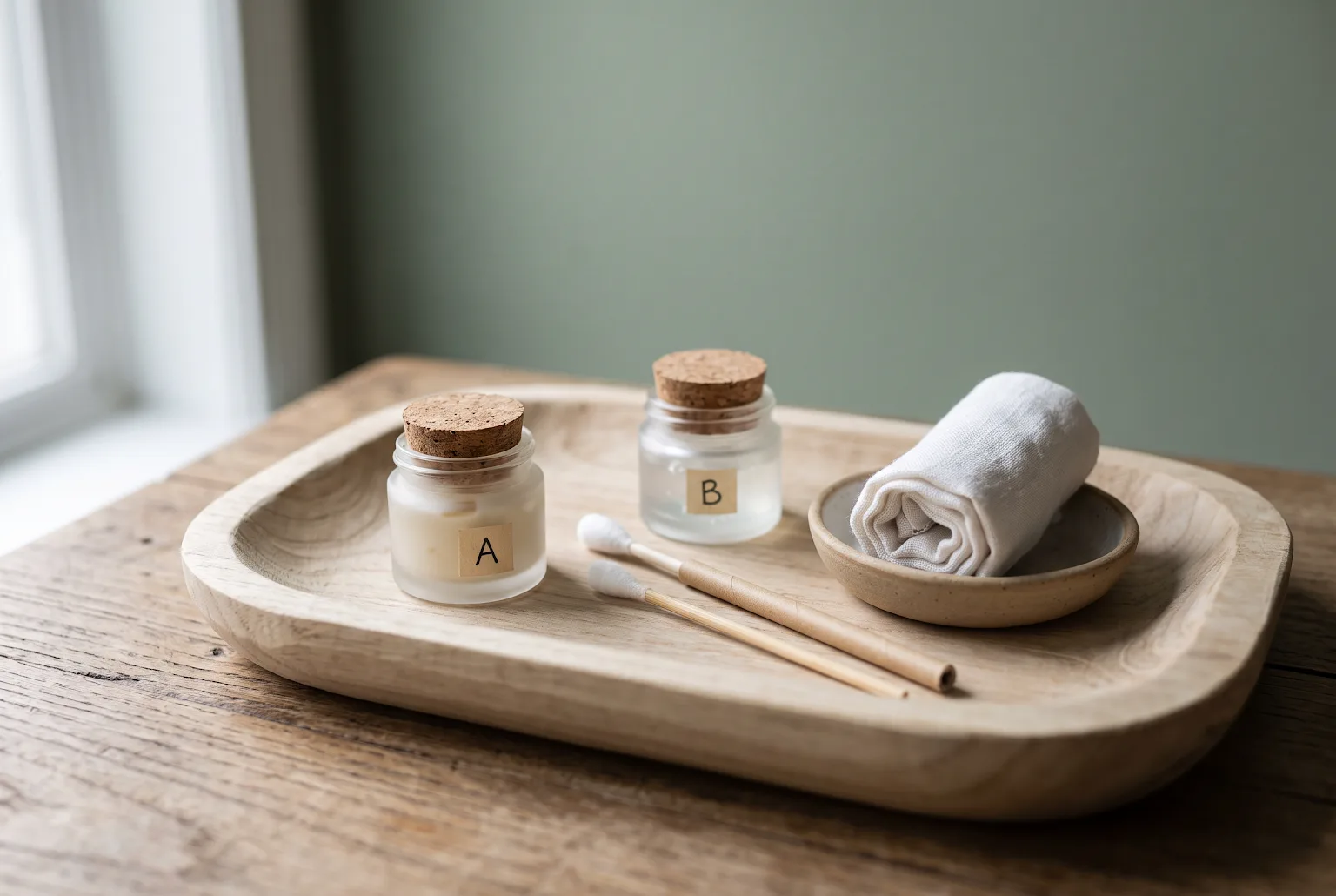
Always patch‐test a new cleanser: apply a small pea‐size amount to an inner forearm or behind the ear and wait 24–48 hours, watching for stinging, new redness, or itch. If any of those appear, discontinue. For face introduction, adopt a stepwise schedule—use the new product every third day for the first two weeks, then increase frequency if no reaction occurs.
If you’re already treating your skin with actives (retinoids, AHAs/BHAs), introduce a gentler cleanser first and delay switching other products until your skin stabilizes. For heavier makeup or sunscreen days, consider a targeted balm or oil as a first step and a gentle rinse‐off cleanser second. Document reactions: note date, product, and symptoms so you can identify patterns across experiments.
Practical routine examples and layering advice
Below are three practical routines that use the decision criteria above. Each routine emphasizes minimal friction and barrier support.
- Minimal daily routine for dry, sensitive skin
- Cleanse once nightly with a cream cleanser containing ceramides and glycerin. Rinse with lukewarm water and pat dry. Apply a ceramide‐containing moisturizer.
- Makeup‐wearing routine for reactive skin
- Step 1 (evening): Balm or cleansing oil to dissolve makeup. Emulsify and remove with lukewarm water.
- Step 2: Low‐suds gel or cream cleanser to clear residual residue. Follow with a humectant‐rich serum and moisturizer.
- Morning gentle refresh for combination sensitive skin
- Use a splash of water and a light cream‐gel if needed; avoid repeated washes that can dry the barrier. Apply sunscreen and protective moisturizer.
These routines map texture to need and show when a second cleanse adds value versus when it’s unnecessary.
How to balance price, availability, and labeling
Price influences consistency: if a cleanser is prohibitively expensive, daily use becomes less likely. Pharmacy brands like CeraVe and La Roche‐Posay offer broad availability and formulations that meet barrier‐friendly criteria without luxury pricing. Vanicream is valued for its minimal ingredient lists and accessibility in many markets.
Labels such as "hypoallergenic" or "for sensitive skin" are useful but not definitive—always check the ingredient list. For most people, prioritizing fragrance‐free formulas with glycerin and ceramides, avoiding essential oils and denaturing alcohols, and choosing a texture that reduces rubbing will yield the best daily results. If budget is a constraint, aim for the ingredient profile first: glycerin + ceramides > trendy additives.
Frequently asked questions
What ingredients should I avoid in cleansers for sensitive skin?
Avoid fragrances, essential oils, denaturing alcohols, and highly foaming surfactants (look out for SLS/SLES high on the ingredient list). These are common culprits for stinging, dryness, and barrier compromise. Instead, prioritize fragrance‐free formulas with humectants and barrier lipids.
Are gel cleansers safe for sensitive skin?
Yes—gel cleansers can be safe if they use low‐irritant surfactants and include humectants like glycerin. Choose cream‐gels or low‐suds gels rather than high‐foam gels; the latter often contain harsher surfactants that strip lipids. Match texture to your skin’s oiliness and tolerance.
How often should I double cleanse if I have sensitive skin?
Double cleansing can be appropriate on days you wear sunscreen and makeup: start with a balm or cleansing oil to dissolve products, then follow with a gentle cream or gel cleanser. Avoid daily double‐cleansing if your skin flares easily—limit it to heavy makeup days and monitor irritation.
Will a fragrance‐free label guarantee no reaction?
No—fragrance‐free reduces a major source of irritation but doesn’t guarantee no reaction. Other ingredients, occlusive emollients, or even preservatives can cause sensitivity. Patch‐test new formulas and introduce them gradually.
Related Reading
- Double Cleansing for Sensitive Skin: The Low-Friction Guide
- The best cleanser for mature skin: a barrier-first guide
- The best makeup remover for sensitive skin: a format-first guide
Sources
- American Academy of Dermatology — how to choose a cleanser (https://www.aad.org)
- Glamour — dermatologist‐approved cleansers for aging/sensitive skin (https://www.glamour.com/story/best-facial-cleansers-for-aging-skin)
- Self — best cleansers for mature/sensitive skin (https://www.self.com/story/best-cleansers-for-mature-skin)
Internal links used in this guide:
- - - -
Clear guidance, checked before publication.
Solvi articles are structured by our editorial team and reviewed for clarity, consistency, and responsible health language. We update pages when guidance or product information changes.

Sofia Marin
Skincare Routine Editor. Sofia is always refining the order, timing, and purpose of a skincare routine. She likes practical systems that are easy to repeat and quick to adjust when skin changes.