The best face wash for dry sensitive skin: a barrier-first guide


Intro
Short answer: pick a fragrance-free cream or gentle gel cleanser that lists ceramides or glycerin near the top of the ingredient list, avoids strong sulfates, and feels non-foaming or low-foam at application. Limit cleansing to twice daily and favor pH-closer formulas to protect the natural barrier.
This guide walks through textures, ingredient tradeoffs, label red flags, and real-use decision examples so you can choose the best face wash for dry sensitive skin with confidence. We focus on barrier-supporting actives—ceramides, humectants, and soothing emollients—rather than cleansers that prioritize foam or deep oil control. You’ll also find shopping checklists and a few product examples to evaluate against the decision criteria.
How to choose a low-irritant face wash
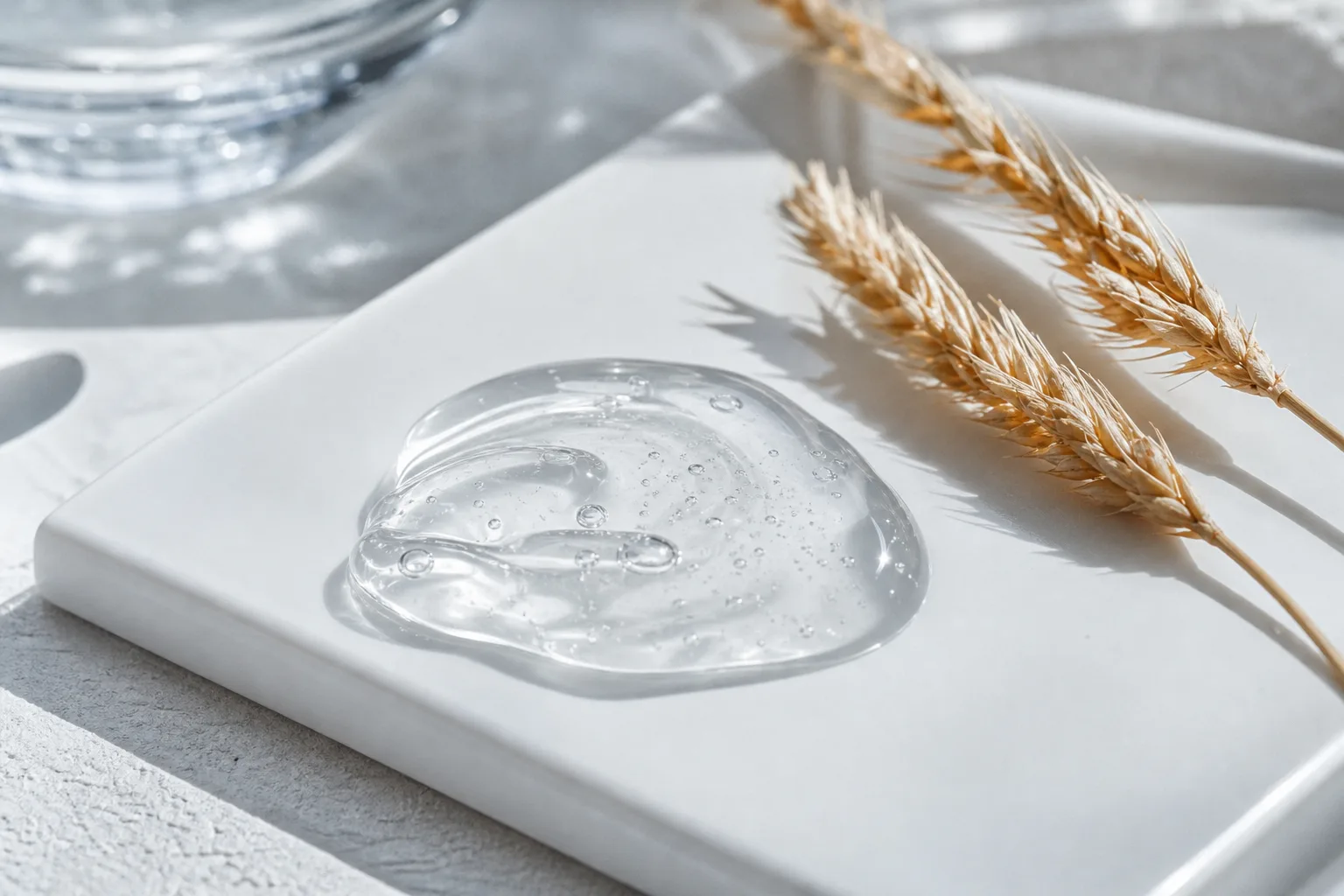
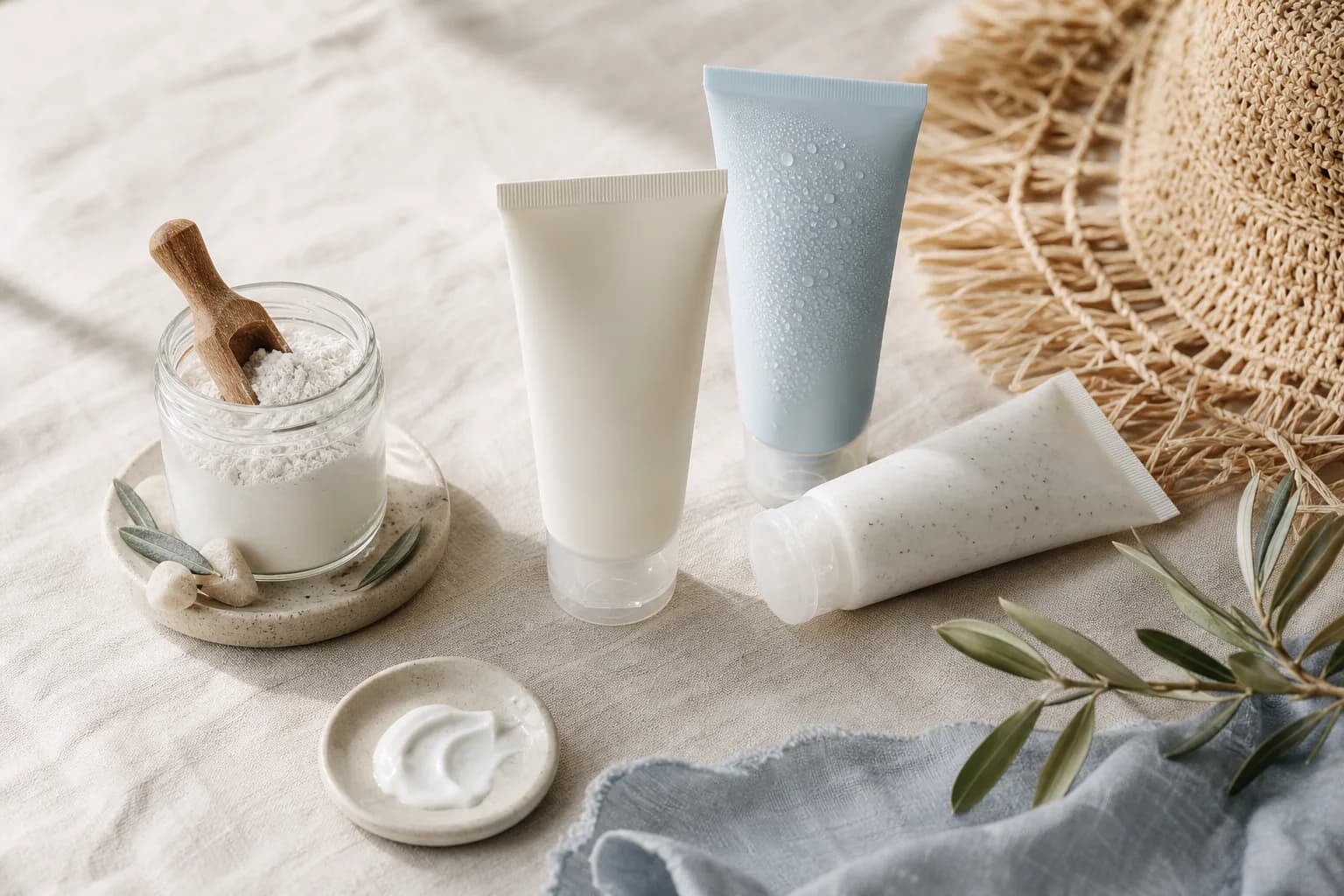
Start with four concrete filters: fragrance-free, sulfate-free, contains humectants (glycerin, hyaluronic acid) or ceramides, and a non-foaming or light-foam texture. For many with dry, reactive skin the softest route is a cream cleanser or gentler gel that rinses clean without squeaky tightness.
When reading labels, place ingredients into groups: surfactants (mild vs harsh), moisturizers (glycerin, propanediol), barrier lipids (ceramides, cholesterol), and calming agents (squalane, bisabolol). Prefer short ingredient lists where moisturizing ingredients appear before denaturants or heavy surfactants.
If you have eczema, rosacea, or frequent flares, patch-test any new wash on a small skin area and stop immediately if itching or burning starts. Keep cleansing frequency to morning and evening for most routines; over-cleansing removes lipids and raises sensitivity over weeks.
Why texture and pH matter more than foam
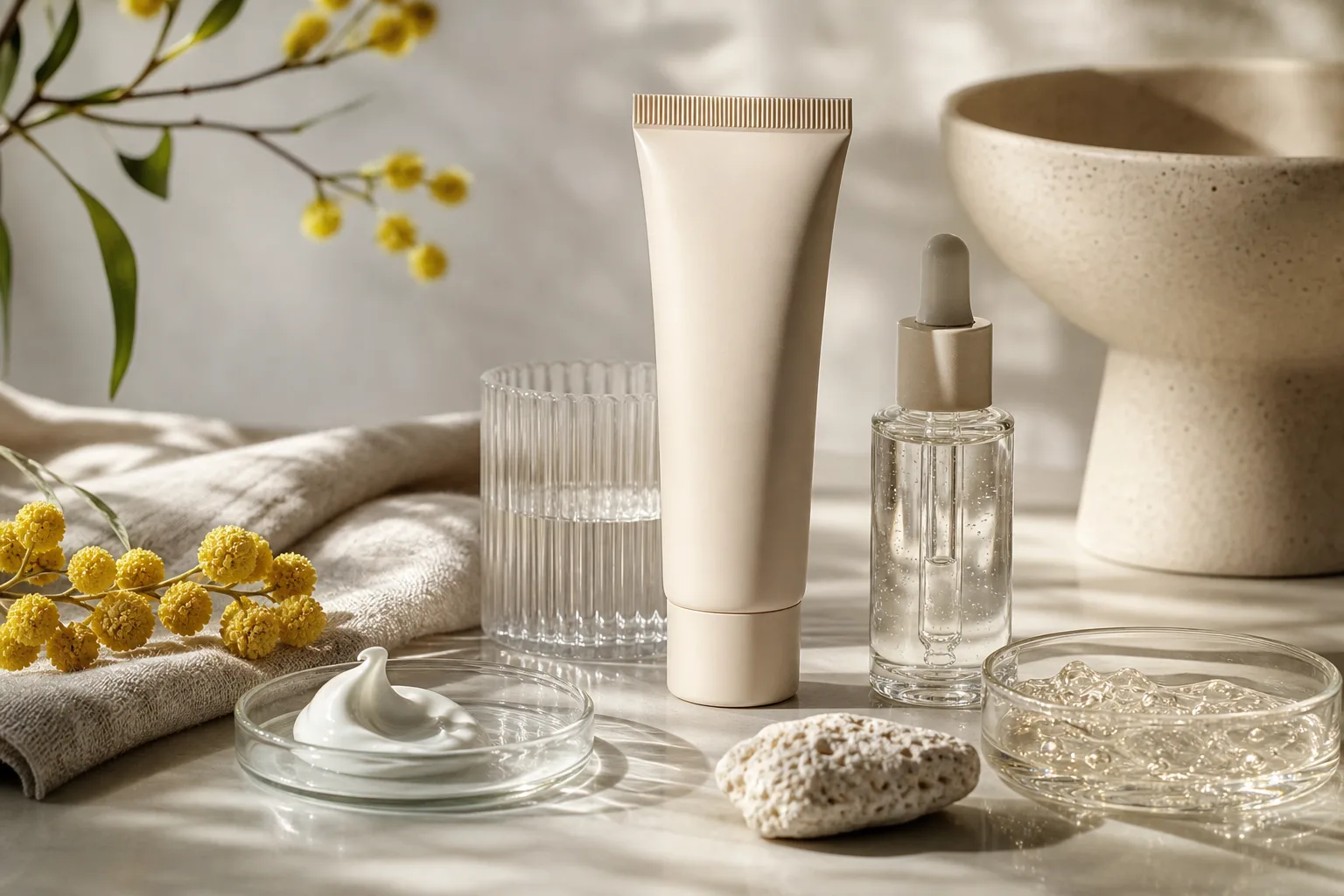
Texture is a practical shorthand for formula behavior on the skin. Cream cleansers often contain more emollients and leave a protective film; gentle gels can be lightweight while still including humectants. A non-foaming or low-foaming finish typically signals fewer harsh sulfates and less barrier stripping. Foam alone does not equal cleanliness; rather, the right surfactant plus rinseability matters.
Aim for cleansers marketed as pH-balanced or pH-close-to-skin (around 5–6). A wildly alkaline wash can raise transepidermal water loss and make skin feel dry or reactive. Because manufacturers don’t always print pH on the bottle, look for keywords like “pH-balanced,” “syndet” (synthetic detergent), or “soap-free” on the label.
Tradeoff example: a cosmetic cream cleanser may leave a faint film that helps a moisturizer absorb better; a gel removes light oil and sweat more cleanly but may need a richer moisturizer afterward. Choose the texture by the season and your baseline oiliness: very dry skin tilts toward creams; mild dryness and combination skin can use gentle gels.
| Texture | Typical feel | Barrier tradeoff | Best for |
|---|---|---|---|
| Cream cleanser | Milky, silky | Adds emollients while cleansing | Very dry, flaky, winter skin |
| Gentle gel/syndet | Lightweight, non-squeaky | Cleans without harsh stripping | Dry to combination sensitive skin |
| Micellar water | No-rinse or light rinse | Minimal surfactant exposure | Quick cleansing, sensitive eyes |
The ingredient shortlist for dry sensitive skin
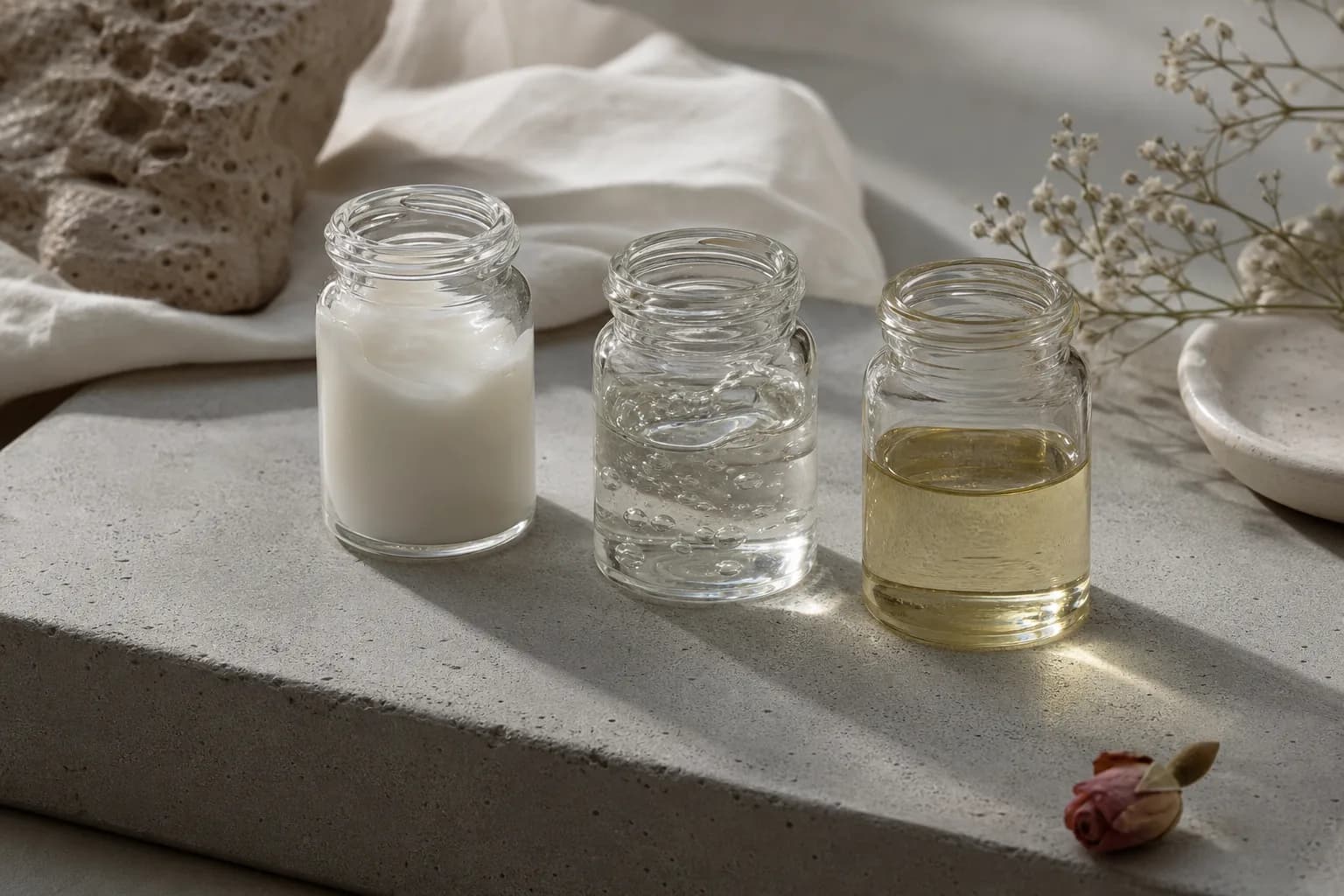
Prioritize ceramides, glycerin, and mild emollients. Ceramides support lipid structure; glycerin is a humectant that draws and holds moisture; squalane and lightweight esters add slip without clogging. Avoid fragrance, essential oils, and strong alcohols near the top of the ingredient list—these are common irritants for reactive skin.
Mild surfactants to look for include cocamidopropyl betaine, sodium cocoyl isethionate, and disodium cocoyl glutamate. These are less stripping than sodium lauryl sulfate. If a formula lists sulfates (SLS or SLES) or sodium laureth sulfate early, treat it as a red flag for dry, sensitive skin.
For those with itchy or inflamed patches, calming additives like colloidal oatmeal or niacinamide can be helpful, but they are support ingredients—not replacements for ceramides or glycerin. If prescription topical treatments are in use, confirm compatibility with your clinician before changing cleansers.
Cream cleansers vs gentle gels: who each suits
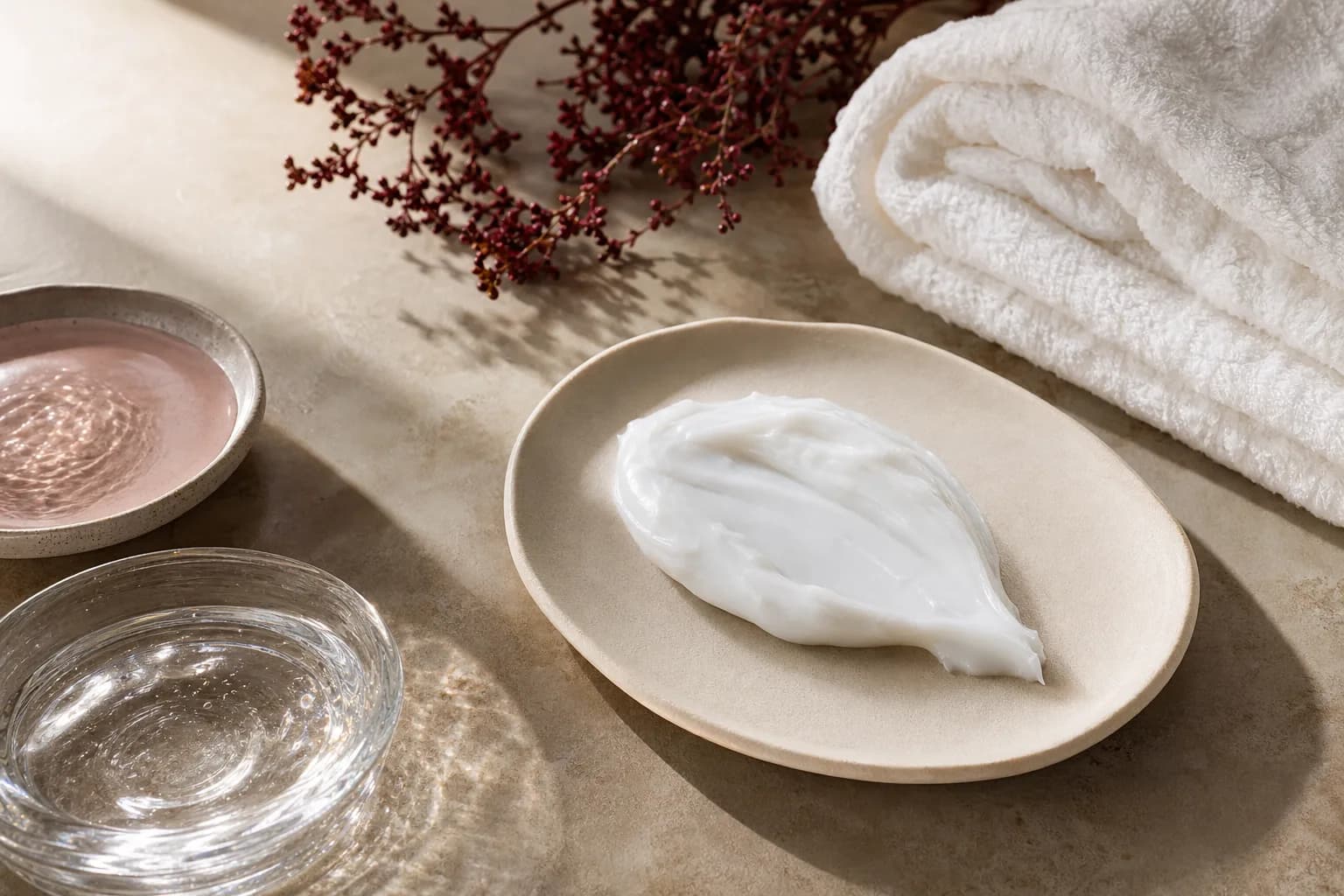
Cream cleansers deliver emollience and a cushiony rinse; they’re forgiving when you massage the skin and often reduce immediate tightness. Use them if your face feels taut after washing, if flaking is visible, or in cold, dry months. The tradeoff is they may feel slightly heavier under very lightweight daytime serums.
Gentle gels (syndet formulas) are thinner, rinse faster, and suit someone who experiences light daytime oiliness or who prefers a second-step makeup removal. A well-formulated gel can include ceramides and glycerin without heavy residue. The compromise is that some gels marketed as “deep cleansing” still use harsh surfactants—read the label.
If you wear sunscreen or light makeup daily, consider a double-step: an oil or micellar first cleanse to remove surface products, then a cream or gentle gel to finish. For minimal routines, a single cream wash in the evening followed by a moisturizer is both efficient and barrier-friendly.
- Cream cleansers are best if your skin feels tight after water
- Gentle gels are best if you need a lighter rinse and manage minimal oil
- Micellar or oil first cleanses are optional when removing sunscreen or makeup
How to layer cleansing into a barrier-first routine
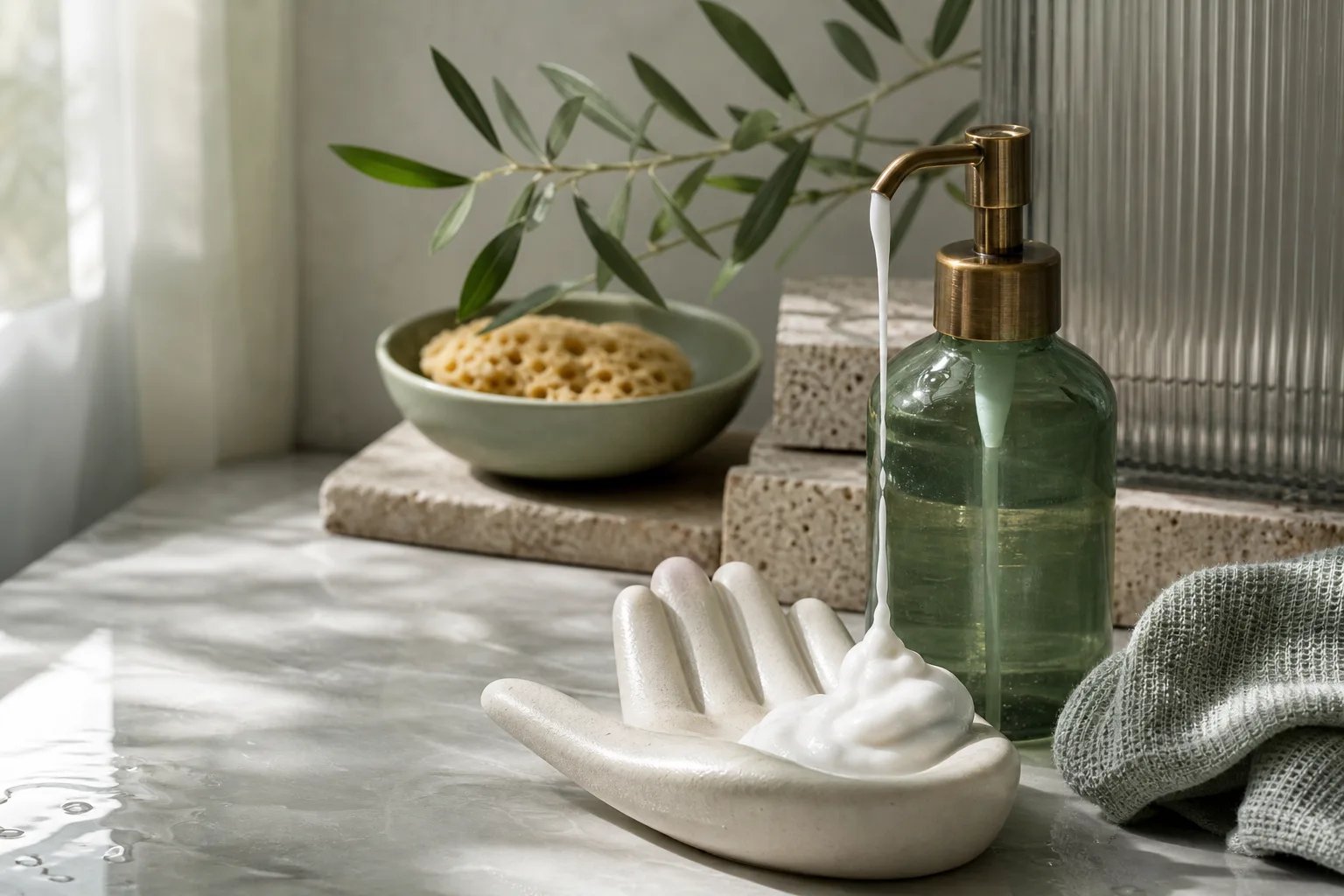
Think of cleansing as the first layer of treatment, not a corrective step. Start with lukewarm water—hot water dilates skin and strips lipids. Apply a nickel- to quarter-sized amount of cream or gel and massage gently for 30–60 seconds to dissolve surface oils and debris; rinse thoroughly and pat dry with a soft towel.
If you double-cleanse, use a non-irritating oil or micellar product first only when you need to remove sunscreen or makeup. Follow with a cream or gentle gel. After cleansing, apply moisturizer within 60 seconds to lock in hydration; this immediate layering helps replace what the surfactant may have removed and reduces post-wash tightness.
Routine example for mornings: splash with lukewarm water, use a light gel if you sweat overnight, then apply serum and moisturizer. Evening routine: optional oil or micellar step (if wearing sunscreen/makeup), then cream or gentle gel; treat active patches cautiously and avoid exfoliating cleansers.
Shopping checklist and red flags to avoid
Carry a short mental checklist when you shop: fragrance-free, sulfate-free, contains ceramides or glycerin, labeled soap-free or syndet, and pH-closer wording if available. Compare ingredient order: moisturizing ingredients listed before harsh surfactants suggest a gentler formula. Also check if the product is marketed specifically for dry or sensitive skin.
Red flags: fragrance/fragrance parfum, essential oils listed early, SLS/SLES near the top, high denatured alcohols, and long lists of botanical actives that can be sensitizing. Beware of marketing calls like “deep pore cleanse” or “foaming detox”—these often imply stronger surfactants.
Decision example: if you have dry skin with occasional congestion, choose a gentle gel that lists glycerin and ceramides, not a “clarifying” foam. If your skin is chronically flaky and tight, a cream cleanser with squalane and glycerin will be more comforting and reduce barrier damage over time.
Real examples and when to reach for them
Brands often offer formulations that fit the barrier-first brief. For instance, syndet and hydrating options like La Roche-Posay's Lipikar cleansing line and CeraVe's Hydrating Cleanser are examples of products framed for gentle, barrier-supporting cleansing; check the product pages for exact ingredient lists and positioning. Tower 28's SOS Daily Rescue Facial Cleanser is another example in the market of a minimal, fragrance-free approach aimed at reactive skin types. Use these examples as starting points to compare ingredient order and texture rather than as universal endorsements.
How to choose between them: prefer the cream if your skin feels chronically tight after washing, pick the syndet gel if you want faster rinse and less residue, and prioritize formulas where ceramides or glycerin are early in the list. Always patch-test new products—especially when eczema or dermatitis are in your history—and reduce cleansing frequency if you notice increased irritation.
Frequently asked questions
Can I use a face wash for dry sensitive skin if I have eczema?
Yes, many cleansers designed for dry, sensitive skin are compatible with eczema-prone skin because they minimize fragrance and harsh surfactants and emphasize barrier-supporting ingredients. Still, because eczema involves episodic inflammation, patch-test before full-face use and consult your clinician if you’re on prescription topical therapy or experiencing a flare.
Is a non-foaming cleanser less effective at cleaning?
Not necessarily. Non-foaming or low-foam cleansers can remove oil and dirt effectively if they contain appropriate mild surfactants. Foam is a consumer cue but not a scientific measure of cleansing power; for dry sensitive skin, the priority is mildness and barrier support, not maximal foam.
How often should I cleanse if my skin is dry and sensitive?
For most people with dry sensitive skin, twice daily—morning and evening—is sufficient. If your skin is extremely dry or reactive, consider a single evening wash and morning water-only splashes to preserve natural lipids. Always follow with moisturizer within a minute of patting dry.
What should I do if a new cleanser irritates my skin?
Stop using it immediately, rinse your face with lukewarm water, and resume a minimal routine with a gentle moisturizer. If symptoms persist or you have significant swelling, blistering, or intense pain, seek medical advice. For minor reactions, returning to a known gentle cleanser and delaying new product trials can help your barrier recover.
Related Reading
- Best Moisturizer for Dry, Sensitive, Acne-Prone Skin: A Barrier-First Guide
- The Best Sensitive Skin Face Wash Starts With a Quieter Cleanse
- The best face exfoliator for sensitive skin: a gentle guide
Sources
- Glamour — Best Face Washes for Dry Skin (dermatologist picks)
- La Roche-Posay Lipikar product information
- CeraVe Hydrating Cleanser product page
Clear guidance, checked before publication.
Solvi articles are structured by our editorial team and reviewed for clarity, consistency, and responsible health language. We update pages when guidance or product information changes.

Maya Bennett
Senior Beauty Editor. Maya is the skincare obsessive who turns big beauty questions into clear, grounded guidance. She is especially interested in routines that respect real skin, real schedules, and realistic budgets.