Best lube for sensitive skin: the low-irritation shopping guide



For sensitive skin, the best lube is usually a fragrance‐ and dye‐free water‐based formula with a short ingredient list; if you’re prone to yeast infections, prefer non‐glycerin options and always patch‐test first. Silicone lubricants are a solid second choice when you need prolonged glide and your skin tolerates silicone-based ingredients.
This guide walks through concrete decision criteria—texture, ingredient tradeoffs, condom and toy compatibility, and a simple patch‐test routine—so you can pick a formula that minimizes irritation while matching how you like to play.
How to pick the best lube for sensitive skin
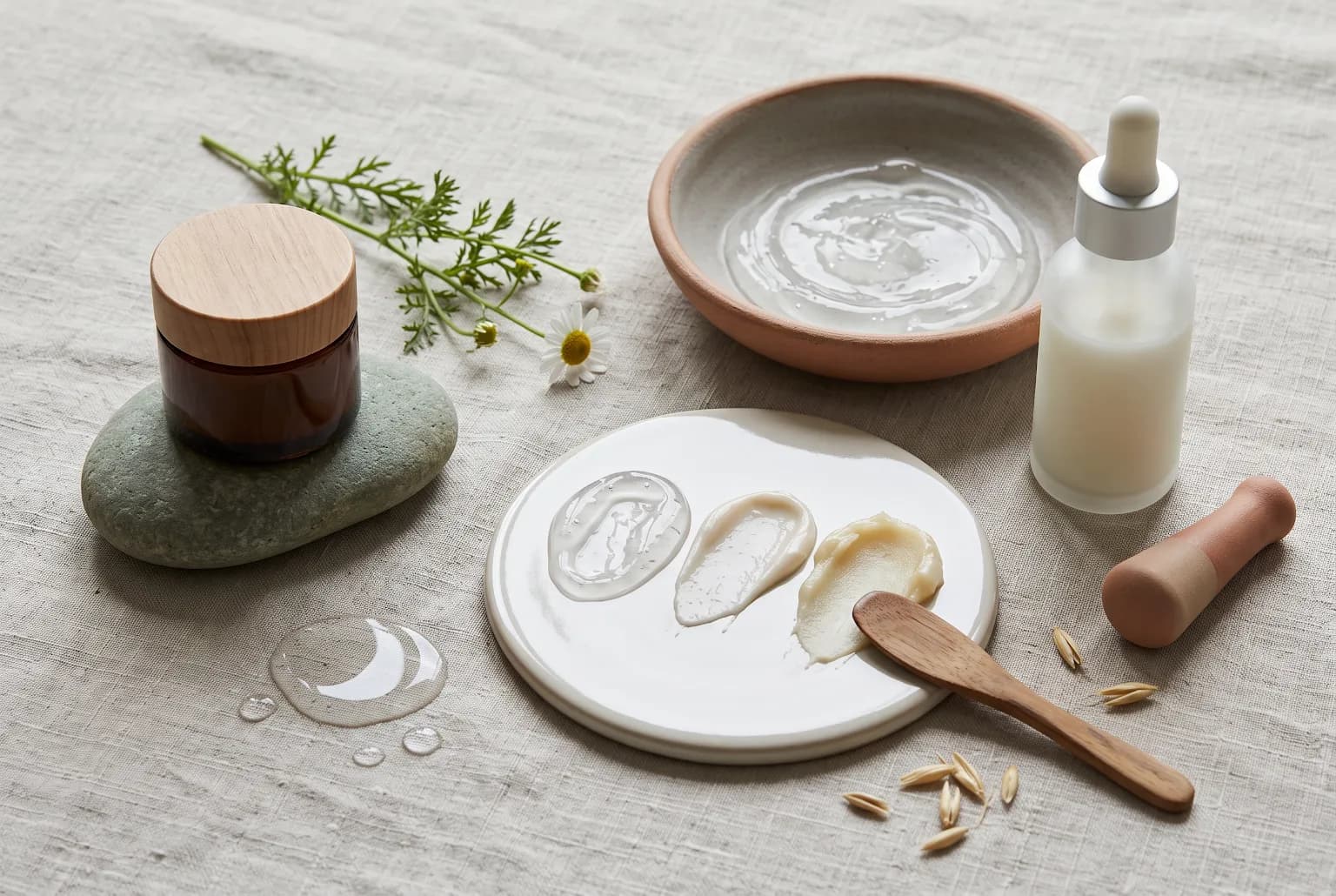
Start with the packaging cues that matter: look for "fragrance‐free," "dye‐free," and a short, clearly listed ingredient panel. Prioritize water‐based lubes labeled for sensitive skin; they generally rinse cleanly, pair with condoms, and cause fewer surface reactions than complex botanical blends. If a product touts multiple essential oils or plant extracts, file that under "potential irritant" for sensitive genitals.
Decision example: if you need something for daily use with condoms and silicone toys, pick a water‐based, glycerin‐free formula with neutral pH. If you prefer one bottle for bed and shower play and hate re‐applying, test a silicone lube on a small patch first to see if your skin tolerates it.
Tradeoffs to weigh: water‐based = easy cleanup and universal condom compatibility, but may need reapplication; silicone = long‐lasting and silky, but check compatibility with certain silicone toys and be aware it can be harder to wash off.
Why water‐based is usually the first call
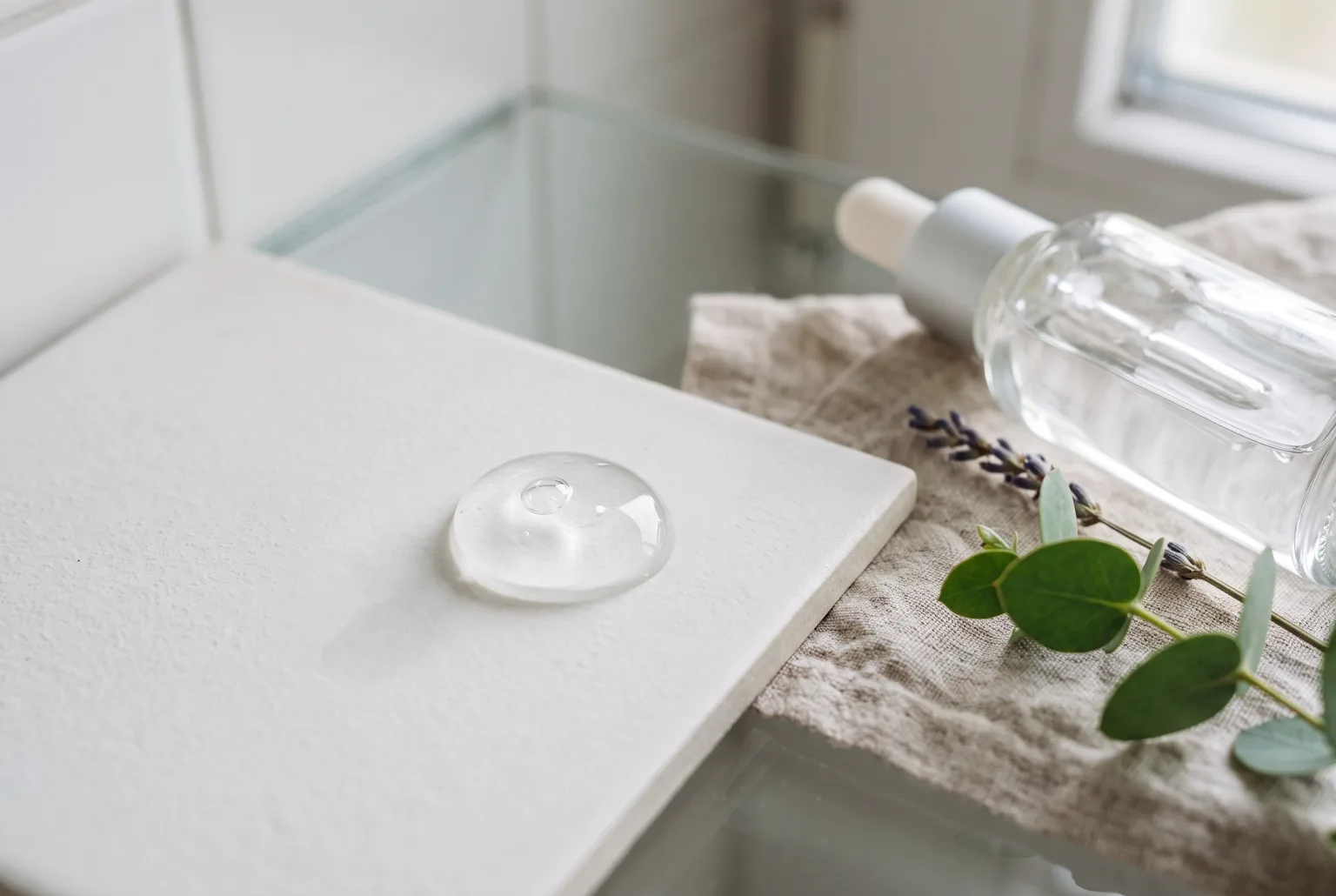
Water‐based lubes designed for sensitive skin tend to have the fewest friction triggers: no fragrance, few or no botanical extracts, and minimal preservatives. They’re also generally pH‐balanced to be genital‐safe and compatible with condoms, which makes them the practical go‐to. From a skin perspective, water‐based gels usually sit on the surface and rinse without leaving an occlusive film, reducing the risk of trapped irritants.
Texture matters: look for "silky" or "slip" on the label rather than marketing that emphasizes heat or tingle. Warming and tingling additives are frequently irritants for reactive skin. If product notes mention glycerin or sugar, consider skipping it if you have recurrent yeast infections—those ingredients can feed yeast growth in susceptible folks.
When scanning labels, the shorter the ingredient list the better. A few preservatives and a humectant plus purified water is a cleaner profile than formulas that add botanicals or multiple extracts.
When silicone makes sense and the tradeoffs
Silicone lubricants are the workhorse for longevity: a small amount goes a long way, they resist water, and they don’t reabsorb into tissue quickly. If you have sensitive skin but dislike reapplying, a silicone option can be reasonable—provided you tolerance‐test it first. The main tradeoff is cleanup: silicone feels slippery longer and often requires soap to remove, which can be drying if you overclean.
Compatibility note: silicone lubes can damage silicone sex toys over time. If you use silicone toys, either choose water‐based for those sessions or check the toy maker’s guidance. Silicone lubes are safe with condoms unless a product explicitly warns otherwise, but always confirm compatibility on the label.
Quick decision examples: choose a silicone lube for long solo sessions in the tub (less dilution than water‐based), or for partnered sex when you want uninterrupted glide. For frequent everyday use or condom sex, stick with water‐based.
Ingredients to avoid and what each does
Short ingredient lists reduce the chance of an unexpected reaction. Here are the usual suspects to avoid if your skin is sensitive or prone to infection:
| Ingredient category | Why it can irritate | When to avoid |
|---|---|---|
| Fragrance / parfum | Common irritant; can cause itching and inflammation | Always avoid for sensitive genital skin |
| Essential oils / botanical extracts | Potent, variable allergens; increase contact dermatitis risk | Avoid in sensitive lines |
| Glycerin / sugars | Humectants that can feed yeast growth in some people | Skip if you have recurrent yeast infections |
| Warming/tingling agents | Cause vasodilation and stinging; mask irritation as "effect" | Avoid if skin reacts easily |
| Dyes / colorants | Cosmetic only; unnecessary irritant | Always avoid for sensitive skin |
Decision example: someone who gets occasional yeast infections and mild vulvar redness should choose a glycerin‐free water gel with preservatives listed minimally, rather than a plant‐rich or perfumed formula.
Texture, application and layering for comfort
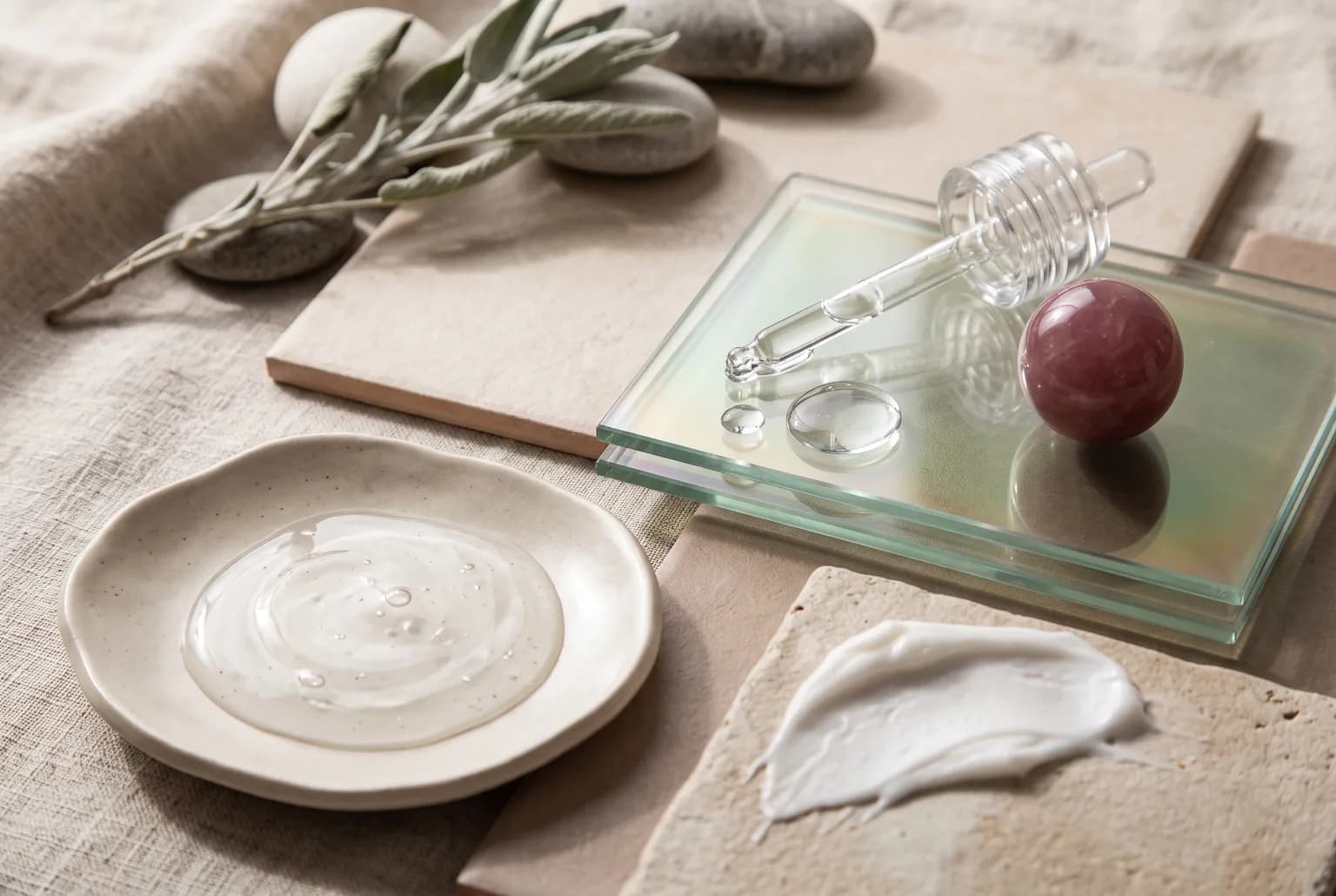
Texture drives experience more than label claims. "Thin" water gels absorb faster and may need reapplication; "thicker" gels sit longer on the surface. If you have delicate skin that chafes, choose a slightly thicker, glycerin‐free water gel to lower friction without sticky residue. A tiny dot goes a long way—start small and add.
Layering: apply a pea‐sized amount to the external area first and wait a few seconds before adding more. If you’re using silicone toys and a water‐based lube, apply water‐based first for immediate slipperiness, then top with a thin layer of silicone for extra longevity—only if both toy and condom compatibility allow it. Test the pairing on a non‐sensitive area first.
Routine steps for a safe patch test:
- Apply a pea‐sized amount on your inner forearm.
- Leave uncovered and observe for 48–72 hours for redness, itching, or burning.
- If no reaction, apply a small amount externally to genitals before first intimate use.
Condom, toy and hygiene compatibility explained
Compatibility is a practical decision criterion. Water‐based lubes are the safest all‐around match: they work with condoms (latex, polyisoprene) and most toy materials. Silicone lubes are broadly condom‐safe but can degrade silicone‐based toys; check the toy manufacturer’s guidance. Oil‐based lubes are a non‐starter for condoms and many toys.
If you use multiple toys or condoms, keep two bottles: a mild water‐based formula for condoms or silicone toys, and a silicone lubricant reserved for non‐silicone toys or scenarios where longevity matters. Label the bottles so partners know which is which.
Cleaning matters: avoid over‐scrubbing genitals after play. Warm water and a gentle cleanser suffice for most water or silicone lubricants; harsh soaps and excessive washing can strip lipids and increase sensitivity.
How to patch‐test and troubleshoot a reaction
If you experience burning, itching, or unusual discharge after using a lube, stop using it immediately. For minor irritation, rinse gently with lukewarm water and avoid additional products. If symptoms persist or you develop signs of infection (increased discharge, strong odor, fever), consult a clinician.
Patch‐test routine in everyday language: put a small amount on the inside of the forearm and check at 24, 48, and 72 hours. No reaction during that window reduces the odds of a severe immediate reaction but does not eliminate the possibility of genital sensitivity due to mucosal differences.
Troubleshooting examples: if a glycerin‐containing gel correlates with recurrent yeast, try a glycerin‐free alternative. If a silicone lube causes persistent greasiness or follicle irritation due to over‐washing, switch to a minimal water‐based gel and reduce soap use.
Frequently asked questions
How do I know if a lube is safe for my sensitive skin?
Start with fragrance‐ and dye‐free claims and a short ingredient list; avoid essential oils and warming agents. Patch‐test on the inner forearm for 48–72 hours before genital use. If you’re yeast‐prone, prefer glycerin‐free water‐based formulas. Check compatibility with condoms and toys you use.
Is silicone lube bad for sensitive skin?
Not inherently. Silicone lubes can be very gentle and long‐lasting, but they feel more occlusive and are harder to wash off. If you choose silicone, patch‐test and reserve it for sessions where longer glide is needed. Avoid using silicone lubes with silicone toys unless the manufacturer confirms compatibility.
Can I use a lube every day if I have sensitive skin?
Yes—if it’s a minimal, fragrance‐free water‐based formula with few ingredients. Frequent washing or using products with harsh preservatives can be more problematic than the lube itself. Keep an eye on any recurring irritation and stop use if symptoms develop.
What should I do if a lube causes itching or burning?
Stop using the product immediately and rinse gently with lukewarm water. If symptoms subside, consider switching to a simpler water‐based, glycerin‐free formula and patch‐test first. Seek medical care if symptoms worsen or you have signs of infection.
Related Reading
- The best diapers for sensitive skin: a lab-minded buyer’s guide
- Best electric shaver for sensitive skin: choose foil, rotary, or adjustable settings
- The best face exfoliator for sensitive skin: a gentle guide
Sources
- Cleveland Clinic — Sensitive skin product guidance (https://health.clevelandclinic.org)
- American Academy of Dermatology guidance (https://www.aad.org)
- Good Housekeeping product roundup and testing notes (https://www.goodhousekeeping.com/health-products/)
Clear guidance, checked before publication.
Solvi articles are structured by our editorial team and reviewed for clarity, consistency, and responsible health language. We update pages when guidance or product information changes.

Zoe Mitchell
Beauty Trends Editor. Zoe keeps a close eye on viral routines, new launches, and the skincare conversations moving fastest online. She asks which trends are useful, which need context, and which can be skipped.