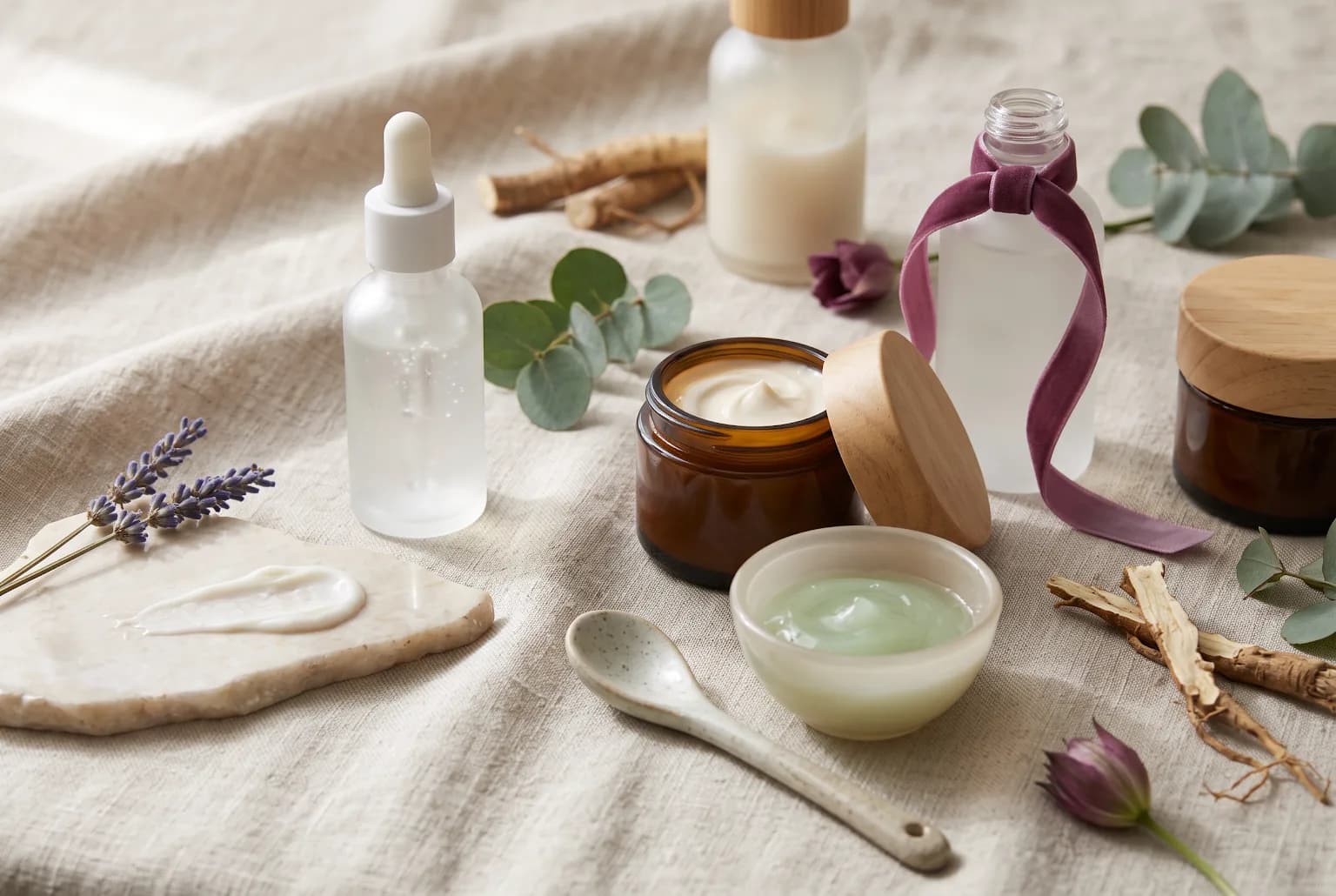
The best powder for mature skin: a styling and shopping guide



The best powder for mature skin is a very finely milled, soft-focus finishing or setting powder that blurs texture without flattening the complexion. Choose translucency or a very light tint, hydration-friendly ingredients when available, and avoid heavy matte formulas that emphasize lines. In short: less opacity, more blur.
This guide explains why texture matters, which formats work for dry or textured mature skin, how to test in-store, and concrete application techniques that reduce creasing and cakiness. Expect tradeoffs: pressed compacts add convenience; loose ultra-fines deliver the most natural finish. We'll also map formula features (light-diffusing particles, squalane or humectants, talc vs talc-free) to real-world needs so you can decide quickly.
hero
What makes a powder friendly to mature skin?
Finely milled particle size is the single most important attribute; smaller particles sit more evenly on skin and scatter light so pores and fine lines look softer. A soft-focus or blurring finish relies on microreflective ingredients rather than heavy mattifiers. For mature skin that tends to be drier or textured, a powder that reads luminous or skin-like will usually look younger than a flat matte.
Formulation additives matter: a little slip from esters or a hydration-supporting oil (in very small amounts) can prevent that tight, powdery appearance. Conversely, powders that pull moisture from the surface or have thick matting agents can accentuate creases. Translucent powders that are ultra-fine and lightweight—examples in the market include blur-focused finishes like Laura Mercier Ultra-Blur Translucent—are often recommended because they set makeup without adding cakiness.
Application behavior is part of the formula signature. A powder that requires heavy layering to achieve staying power likely has a drier finish; the best powders for mature skin set with a light dusting and, if needed, a mist to meld the particles.
Choosing the right format for your routine
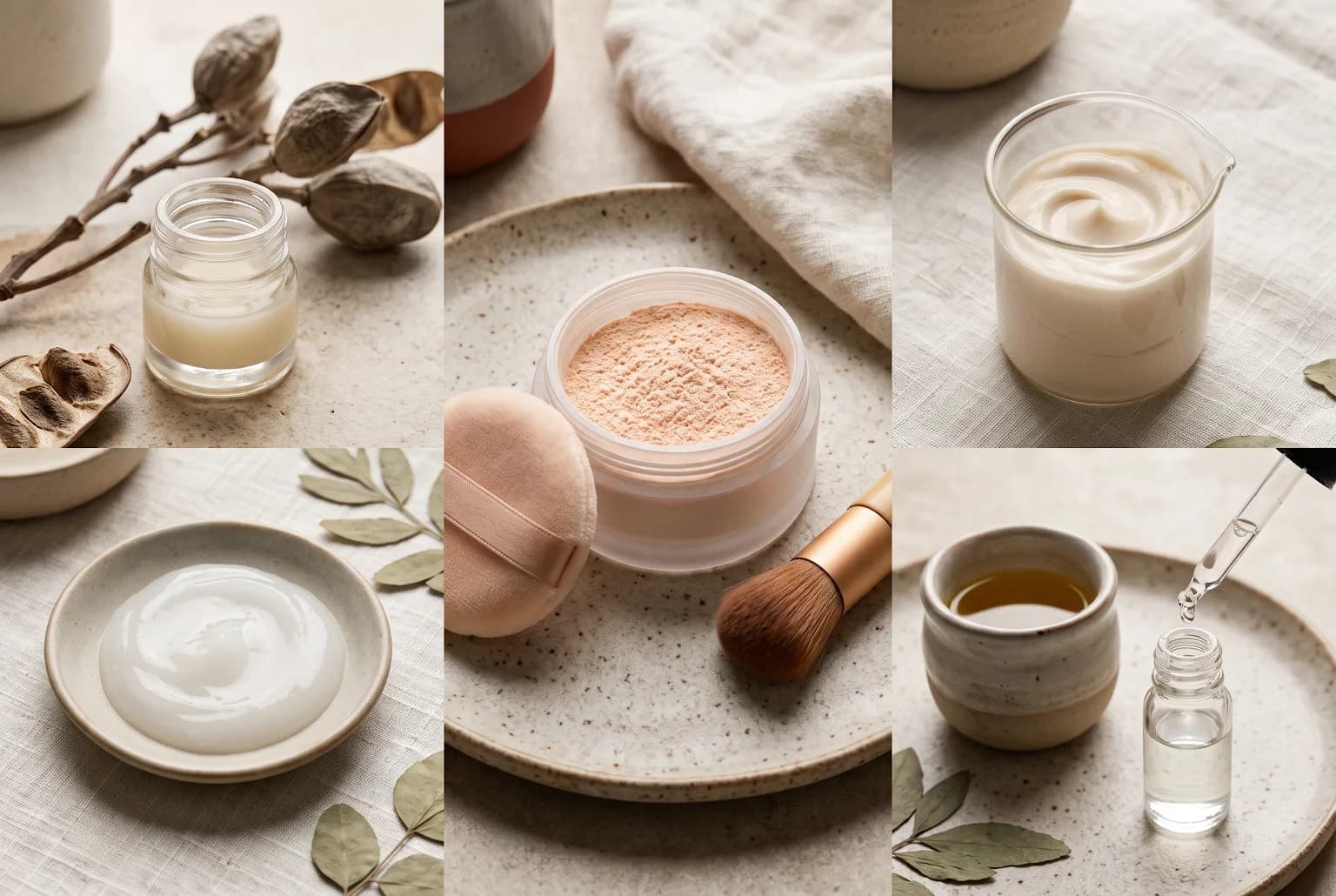
Loose powders, pressed powders, and hybrid finishing powders each have clear pros and cons for mature skin. Loose ultra-fine powders typically give the most natural, translucent finish because manufacturers can control particle distribution more precisely. Pressed powders add portability and can work well when the texture is micro-milled and the formula includes light-diffusing ingredients—It Cosmetics Bye Bye Pores Pressed Powder is an example of a pressed powder pitched for blurring texture.
A hybrid or finishing powder with skincare-adjacent ingredients (light emollients or humectants) can cushion the look of fine lines. These are formulated to feel weightless and often deliver a satin finish like Hourglass Veil Translucent Setting Powder, which aims for soft-focus rather than flat matte. If your daytime routine involves touch-ups, a finely milled pressed compact is more convenient; if you seldom touch up and want the most invisible finish, reach for a loose finishing powder.
Choose based on these concrete decision points:
- You touch up during the day: prefer a finely milled pressed powder.
- Your skin is dry and crepey: prioritize skincare-infused finishing powders or luminous loose formulas.
- Your primary concern is texture/pores: an ultra-blur translucent loose powder will usually give the best optical smoothing.
choose-the-right-format
Texture and ingredients to prioritize
When scouting labels or testing at a counter, read texture cues as carefully as ingredient lists. Look for terms such as "ultra-fine," "soft-focus," "blurring," or "veiling finish." Ingredients that can help mature skin include light-reflecting mica or silica derivatives (for blur without chalk), small amounts of emollients like squalane or ester-based slip agents, and humectants that prevent matte tightness. Avoid formulations that lean heavily on thick mattifiers or high levels of adhesion polymers which can cake and emphasize lines.
Talc is not inherently problematic if it is exceptionally finely milled and blends well; talc-free powders use alternatives like silica or micronized starches. Both approaches can work—your judgment should hinge on tactile feel and the way the powder photographs and moves on the skin. If a sample looks chalky or ashy against your tone, that formulation is unlikely to be flattering in real life.
Also consider light-reflecting strategy: very subtle micro-luminosity often reads more flattering than high-shine. The goal is soft diffusion, not glitter. Test in natural light and with a few expressions to see whether the powder settles into smile lines or under-eye creases.
How to apply powder without settling into lines
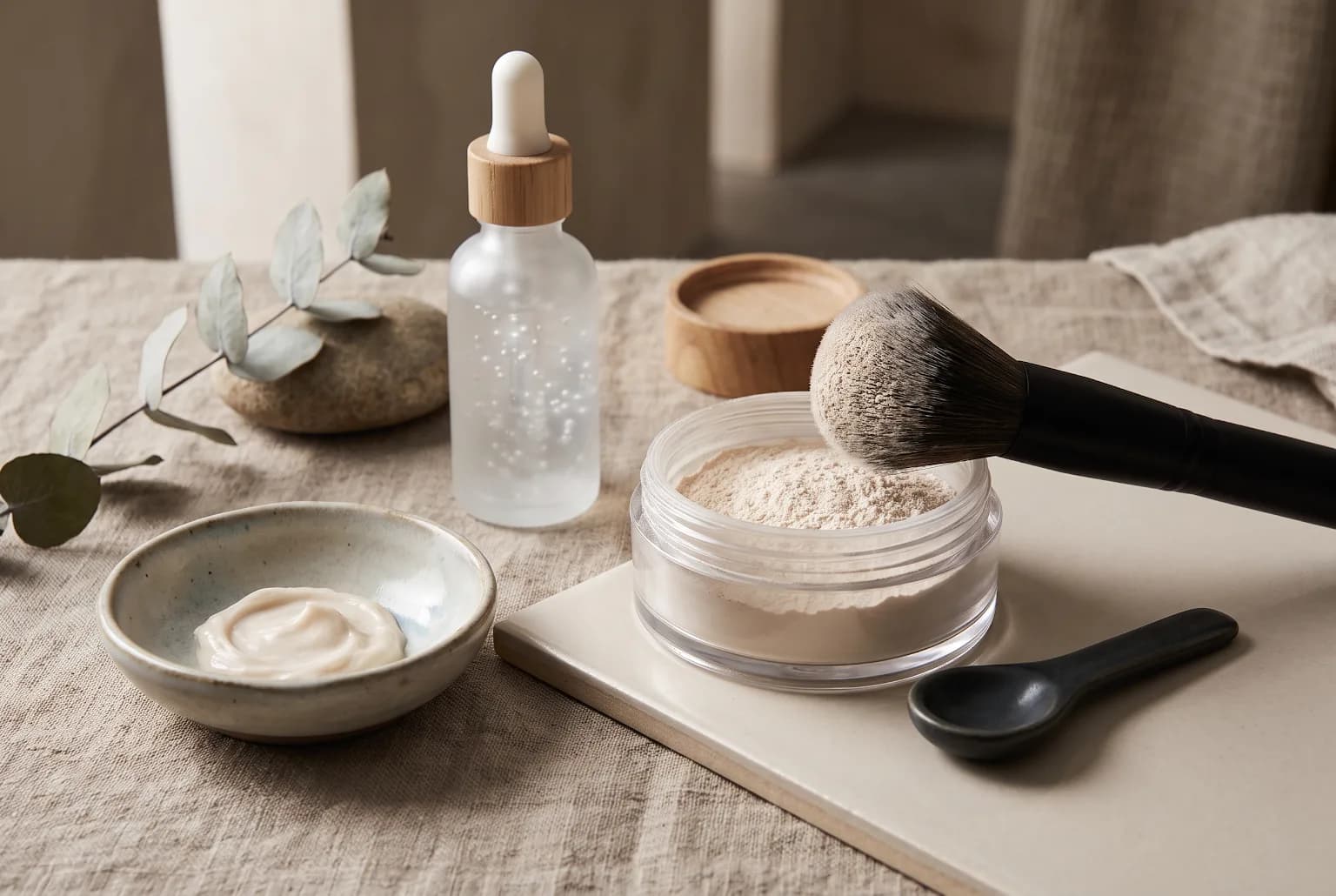
Application technique often matters more than ingredient lists. Start with well-hydrated skin: a barrier-supporting daytime moisturizer or a light oil layer under makeup can reduce powder cling to dry patches. Use minimal powder—pat and press motions set makeup more gently than broad swiping. For setting cream or liquid foundations, press a tiny amount of powder with a dense puff into problem zones (T-zone, under-eye) and then buff lightly with a soft brush.
Avoid heavy powder under the eyes; instead, set concealer with a dusting the size of a grain of rice and then go back with a hydrating setting spray to meld. If you need more coverage, choose a finely milled pressed powder and apply with a damp sponge for controlled placement without excess buildup.
A final spritz of a lightweight mist will 'melt' powder slightly and reduce a powdery finish. This is especially useful for powders that read a touch too matte in the first application.
how-to-apply-without-settling
Common tradeoffs and who each formula suits
Understanding tradeoffs helps you prioritize: the most invisible powders are often loose and require more product handling; pressed powders offer convenience but sometimes sacrifice the sheerest finish. Skincare-infused finishing powders may be gentler on dry mature skin but can be slightly less controlling of oil if you are combination or oily.
Concrete persona examples:
- The traveler who touches up: a finely milled pressed compact with a soft puff is practical.
- The dry, crepey-skinned person: a luminous loose finishing powder or a finishing powder with light emollients reduces flake and tightness.
- The texture- or pore-concerned: ultra-blur translucent loose powders give the best optical smoothing when applied sparingly.
Consider these measurable tradeoffs when deciding value:
| Format | Finish | Portability | Best for | Tradeoff |
|---|---|---|---|---|
| Loose ultra-fine | Most invisible, soft-focus | Low | Texture, pores, long wear | Requires careful dispensing, not travel-friendly |
| Pressed micro-milled | Natural to slightly satin | High | Touch-ups, convenience | Can be slightly denser-looking if over-applied |
| Skincare-infused finishing | Skin-like, hydrating | Medium | Dry mature skin | May not mattify oily zones fully |
Quick shopping checklist and how to test in store
Testing is essential because swatches on a hand rarely predict behavior on mature facial skin. Use this in-store checklist to minimize error:
- Start with skin prepped as you usually wear it—moisturized, foundation/concealer in place.
- Apply a tiny, targeted press of powder to a zone where you have fine lines and pore texture; don't powder the whole face for the test.
- Move facial muscles—smile, raise brows—and look in natural light to see whether the powder settles into creases.
- If possible, wait 10 minutes and re-evaluate: some powders dry down and shift after a few minutes.
- Photograph the test patch in daylight on your phone to check flash and texture.
Also use scent and tactile clues: a velvety slip on the finger indicates micro-fined particles, while a chalky drag is a red flag. If you want deeper guidance on hydration and night care that supports powder performance, see our guide to Best Night Moisturizer for Sensitive Skin: A Barrier-First Guide for Mature, Dry, and Combination Skin.
Layering and pairing with skincare and makeup
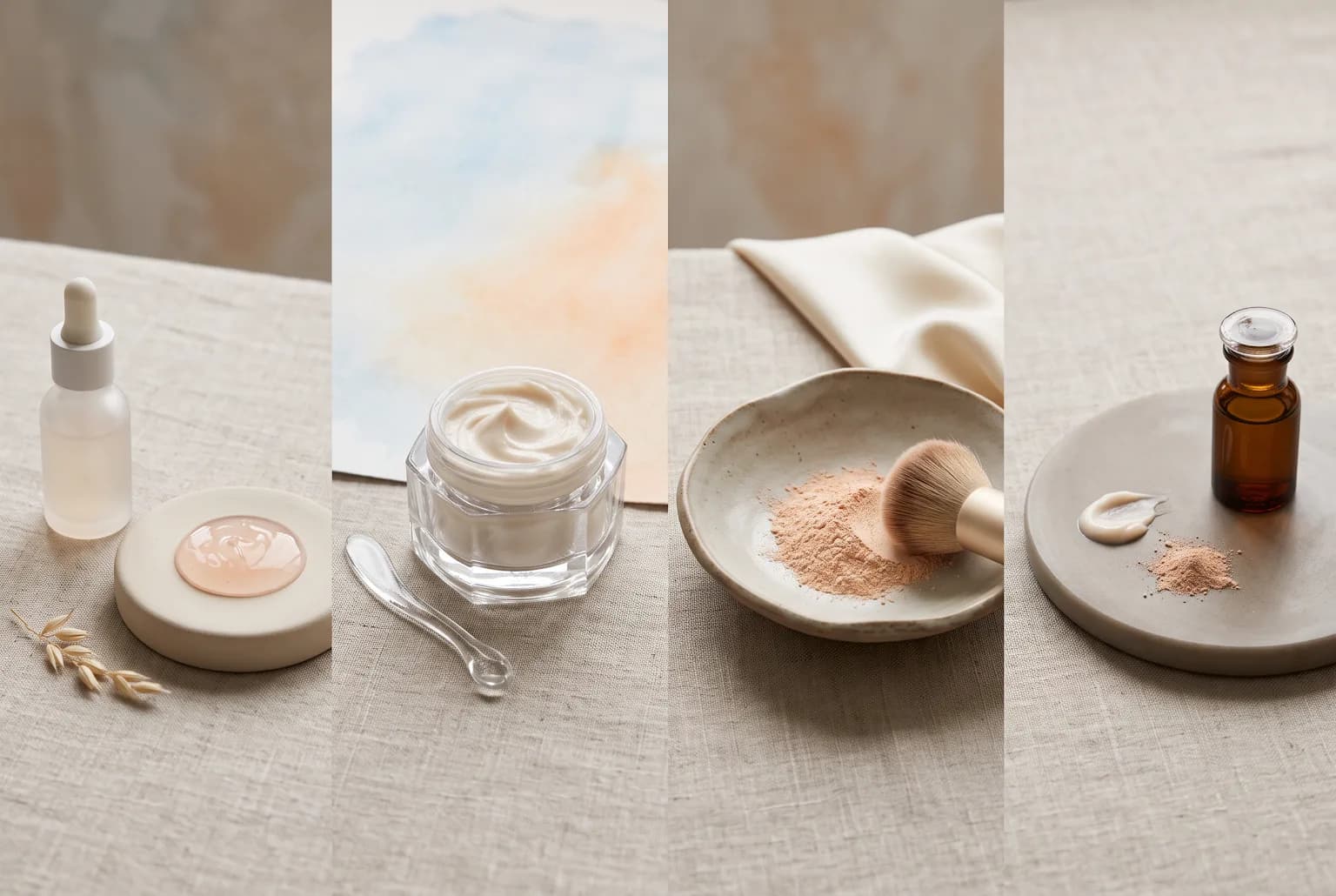
Powder sits on what you build underneath; choose complementary skincare and application order to prevent settling. Start with a barrier-supporting moisturizer and, if you use an oil or balm primer, allow it to absorb slightly before applying foundation. For concealer-heavy under-eye areas, set sparingly with a micro amount of translucent powder and then press with a damp sponge to control placement.
If you rely on powders to extend wear, use a lightweight hydrating primer or a silk-plate smoothing primer to even the surface. A mist after powder application softens edges and reduces the appearance of powder clinging. For mature skin using retinoids or active exfoliants, increase hydration steps so powder does not emphasize flake or texture.
Pair this advice with facial cleansing and eye care routines to optimize results; for example, our guides to The best cleanser for mature skin: a barrier-first guide and Best Eye Cream for Dry Skin and Wrinkles: The Formula-First Guide explain prep steps that make powders perform better.
layering-and-pairing
Frequently asked questions
How do I avoid powder looking cakey on mature skin?
Use a very small amount and prefer press-and-buff motions over sweeping. Start with skin well hydrated and apply powder only where needed—typically the T-zone or immediate under-eye set point. Finish with a light mist to melt the powder into skin. Choosing an ultra-fine or soft-focus formula will also reduce cakiness.
Are talc-based powders bad for mature skin?
Talc itself isn't automatically harmful for mature skin; the issue is particle size and formulation. Finely milled talc can be very soft and natural-looking. If a talc powder feels heavy, chalky, or mattifying, it may emphasize lines. Evaluate by texture and in-person tests rather than the presence of talc alone.
Should I use a pressed or loose powder if my skin is dry?
If dryness is pronounced, a lightweight finishing powder with skin-friendly emollients or a luminous loose powder will usually be more flattering. A finely milled pressed powder is a good compromise for portability if you prefer touch-ups, but always test for how it sits on hydrated skin.
Can a finishing spray replace powder for mature skin?
A hydrating finishing spray can reduce the need for powder by unifying texture and toning down shine. However, for long-wear or to set concealer, a tiny amount of finely milled powder is often more reliable. Use a mist after powder to create a seamless finish.
Related Reading
- The best bronzer for mature skin: a skin-first guide
- The best daytime moisturizer for mature skin: smart picks and how to choose
- The best eye primer for mature skin: smoothing, hydrating, long-wear picks
Sources
- Glamour — Best setting powders for mature skin (expert picks)
- Prevention — Setting powders that work for mature skin
- Marie Claire / WhoWhatWear pieces on translucent powders and application tips
Clear guidance, checked before publication.
Solvi articles are structured by our editorial team and reviewed for clarity, consistency, and responsible health language. We update pages when guidance or product information changes.

Zoe Mitchell
Beauty Trends Editor. Zoe keeps a close eye on viral routines, new launches, and the skincare conversations moving fastest online. She asks which trends are useful, which need context, and which can be skipped.