The best face exfoliator for sensitive skin: a gentle guide


Intro
For the best face exfoliator for sensitive skin, choose a low‐strength, leave‐on chemical option: think PHAs (2–5% gluconolactone) or lactic acid at roughly 5–8%, formulated with humectants and barrier‐repairing lipids. Use once or twice a week, patch‐test new actives, and always follow with sun protection the next day. This guide explains textures, tradeoffs, label checks, layering order, and practical shopping scenarios so you can pick a formula that smooths without stripping.
How sensitive skin changes how you exfoliate
Sensitive skin tends to signal when the barrier is compromised: burning, sting, or persistent redness are common reactions to potent acids or abrasive scrubs. That changes the decision criteria away from strength and toward pH, active concentration, and supportive ingredients. Prioritize a product with a documented mild concentration—PHAs in the 2–5% range or lactic acid between 5–8%—and a pH that avoids aggressive low values. Avoid high‐percentage glycolic peels and full‐strength chemical resurfacing products; those are designed for resilient skin types.
Look for formulations that combine the exfoliant with glycerin, panthenol, ceramides or niacinamide to hydrate and support recovery. Minimal or no fragrance and the absence of essential oils reduces immediate irritation risk. Delivery matters: leave‐on serums and creams give a controlled exposure time, while physical scrubs—even super‐fine ones—are best reserved for very occasional use or targeted areas.
Sensitive skin often overlaps with combination skin zones. If you have both sensitivity and oiliness, zone‐target your choice rather than applying an aggressive product to the whole face. For background reading on how to choose based on skin type, see our deeper guide on Best Facial Exfoliator for Sensitive Skin.
Which exfoliant formats calm rather than provoke
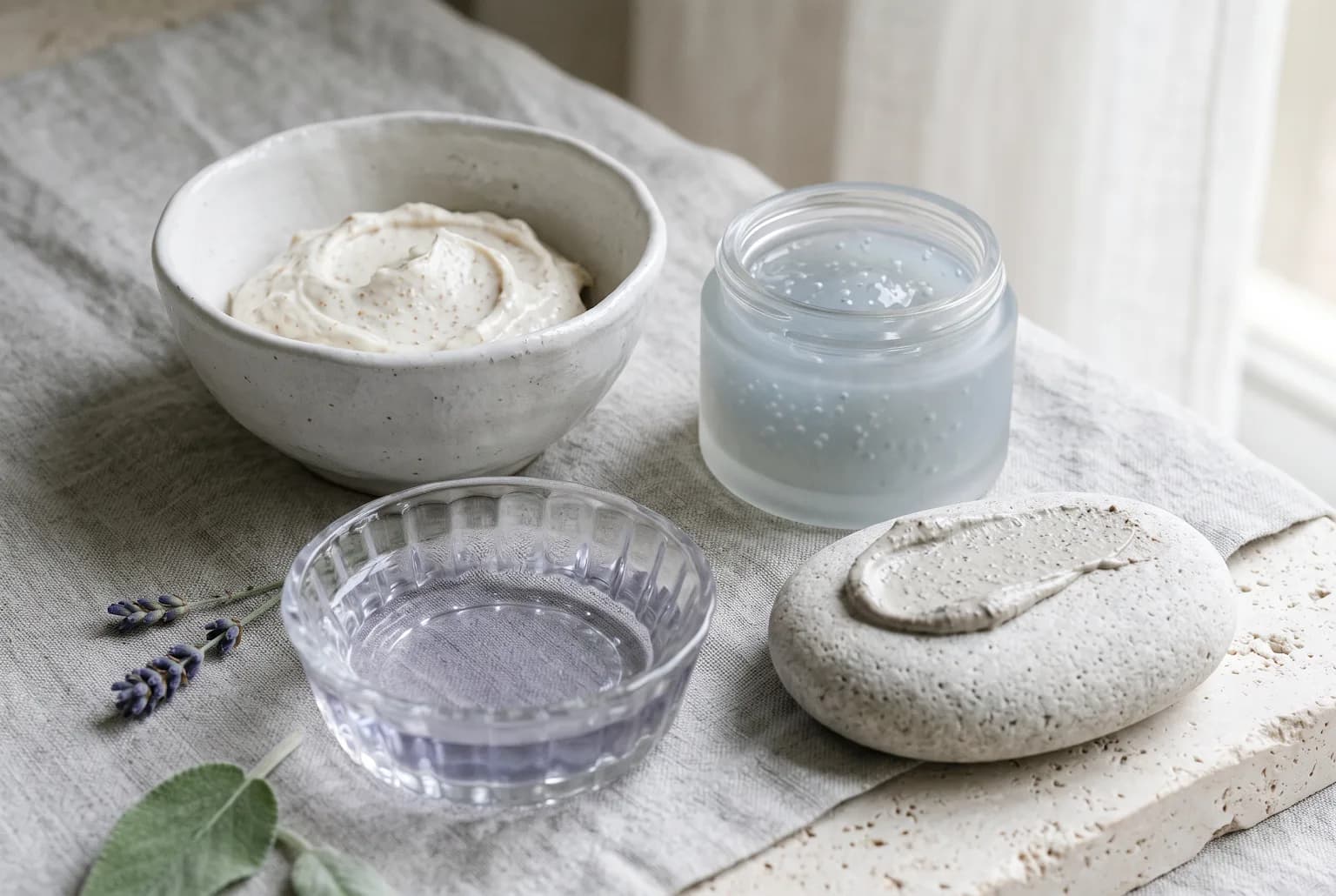
Chemical exfoliants (PHA, low‐strength AHA) are usually gentler for reactive skin because they act on surface bonds rather than abrade. PHAs like gluconolactone and lactobionic acid have larger molecular size, which slows penetration and reduces stinging. Lactic acid at a conservative 5–8% concentration pairs well with humectants to both exfoliate and hydrate.
Physical formats should be chosen carefully: superfine cellulose, konjac sponges, or very fine jojoba esters can provide occasional mechanical lift without tearing the barrier. Avoid crushed nutshells, sugar, or coarse beads that create microtears. If choosing a physical scrub, select one with smoothing agents (glycerin, squalane) and limit use to once a month or for spot treatments.
When in doubt, a leave‐on chemical serum wins for precision and lower irritation risk. If you need foam or cleansing exfoliators, use them as a first step only and follow immediately with barrier‐supporting moisturizers.
Key ingredients and the pH/concentration checklist
When comparing labels, use these concrete decision criteria: active identity and concentration, product pH, soothing additives, absence of fragrance, and delivery system. Aim for these targets: PHA 2–5% (gluconolactone/lactobionic acid) or lactic acid 5–8%. Check the ingredient deck for humectants (glycerin, sodium hyaluronate), ceramides, panthenol, or niacinamide; those offset drying effects and encourage barrier recovery.
A low pH increases exfoliant activity—so a 3–4 pH with a moderate lactic percentage can feel stronger than a slightly higher pH with the same concentration. Manufacturers don't always list pH on the pack, so favor formulas explicitly marketed as "low concentration" or "gentle" and those that provide percentages. Avoid products that advertise high glycolic percentages or unspecified "peels" for home use.
Here’s a quick reference table you can copy into a shopping checklist:
| Format | Typical gentle range | When to choose | Soothing companions to look for |
|---|---|---|---|
| PHA (gluconolactone) | 2–5% | Reactive, barrier‐sensitive skin | Glycerin, ceramides, panthenol |
| Lactic acid (AHA) | 5–8% | Mild chemical exfoliation + hydration | Hyaluronic acid, niacinamide |
| Salicylic acid (BHA) | ≤0.5–1% for sensitive | Oilier, acne‐prone but sting risk | Soothing humectants; avoid if stings |
| Physical (konjac, superfine cellulose) | N/A (occasional) | Very occasional mechanical lift | Emollients, glycerin |
Linking a tolerance-aware cleanser into your routine can reduce cumulative irritation; see our piece on the best sensitive skin face wash for compatible options.
Texture, delivery and how to layer products
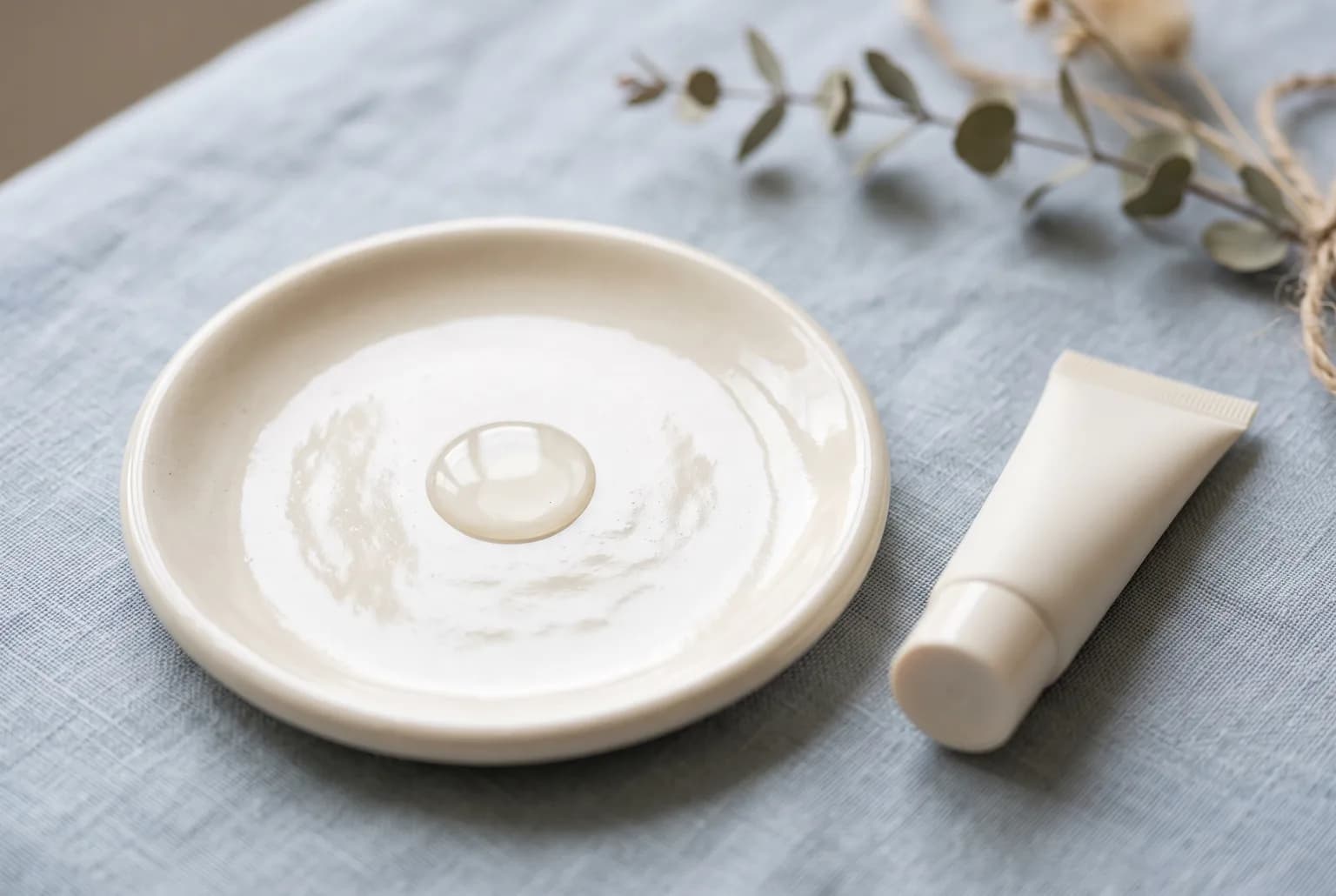
Texture dictates exposure: gels and serums sit on the skin and allow controlled penetration; creams and emulsions dilute acids and slow their action. For sensitive skin, start with a cream‐ or serum‐based leave‐on exfoliant that specifies a modest percentage. Avoid rinse‐off scrubs containing acids; these can still sting and are harder to standardize in terms of contact time.
Layering order matters. Apply water‐based serums first, then leave‐on exfoliant, then any targeted treatments (vitamin C serums can be used in the AM if compatible), followed by moisturizer and SPF. If you use a hydrating toner or essence, apply it before the exfoliant to reduce drag and improve comfort. Give each layer 30–60 seconds to absorb when possible so ingredients don’t dilute each other.
Textural tradeoffs: a creamy lactic acid moisturizer sacrifices a little immediate slip for barrier support, while a light serum may give a more noticeable smoothing effect but feel drier until you seal it with an emollient.
When to skip: common irritation signals and testing
Patch testing is non‐negotiable for sensitive skin. Apply a small amount behind the ear or on the inner forearm for 48–72 hours. Look for persistent redness, itching, or stinging beyond the first hour—those are telltale signs to stop. If you experience burning or widespread redness after application to the face, cease use and consult a healthcare professional.
Limit frequency to 1–2 times per week even with mild actives. Track reactions: keep a short log noting product, date, and any sensations. If using other active ingredients—retinoids, benzoyl peroxide, or prescription therapies—stagger days to reduce cumulative irritation.
Avoid combining multiple chemical exfoliants in the same routine; if you want both a PHA and a BHA, use them on alternate weeks or layer only if both products are explicitly formulated for combined use. Remember to increase sun protection because exfoliation removes surface cells and can transiently increase UV sensitivity.
A simple 1–2× weekly routine for sensitive skin
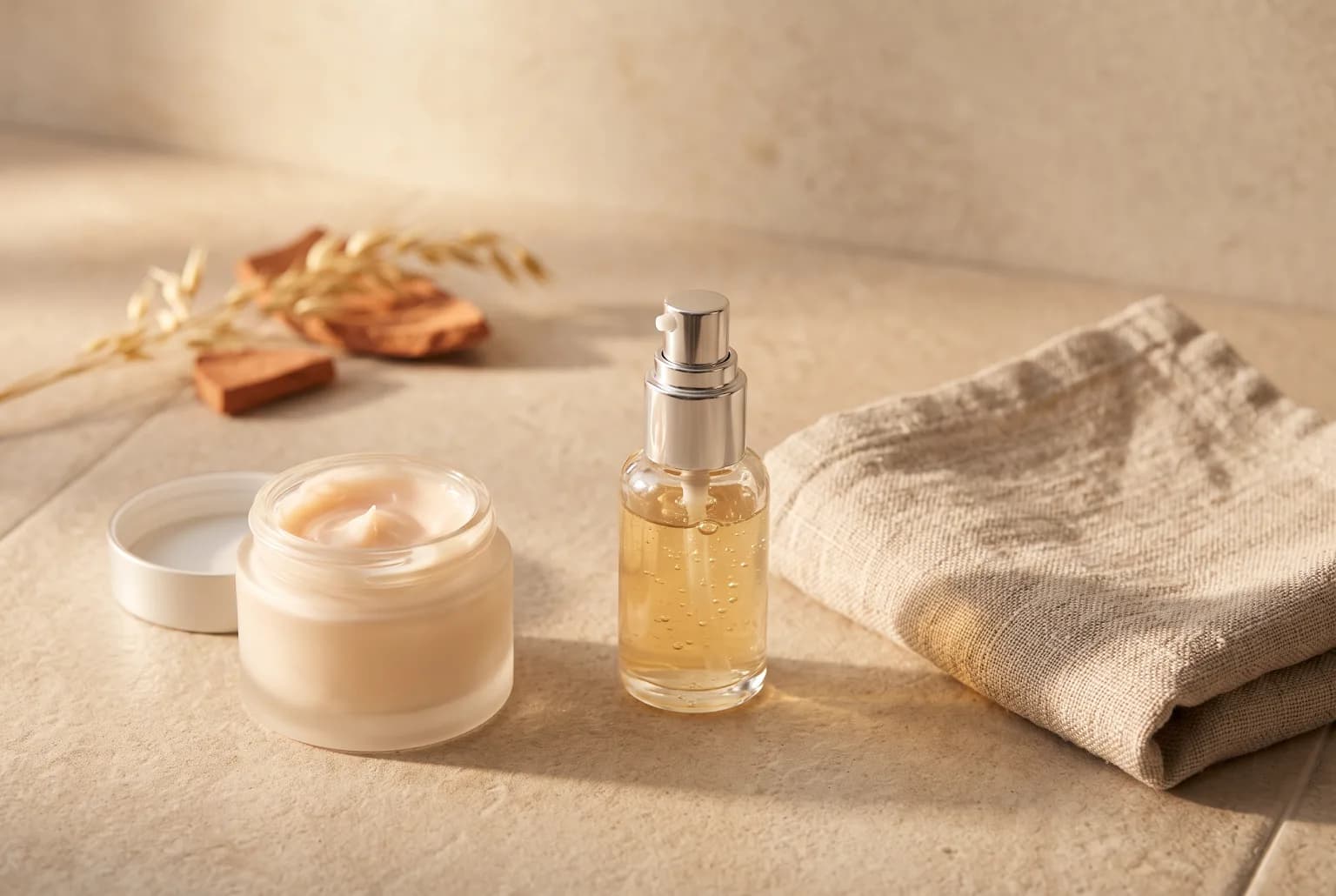
This stepwise routine keeps variables minimal and provides a template you can adapt:
- Evening — gentle cleanse: use a non‐foaming, low‐irritant cleanser.
- Pat skin slightly damp; apply a thin layer of low‐concentration chemical exfoliant (PHA 2–5% or lactic 5–8%) and wait 60 seconds.
- Follow with a humectant serum (glycerin or hyaluronic acid) and a ceramide‐rich cream to seal.
- AM: cleanse gently, use antioxidant serum if desired, apply broad‐spectrum SPF 30+ every morning.
If irritation occurs, pause exfoliation for two weeks and focus on barrier repair—thicker creams with ceramides, occlusives like squalane or petrolatum at night, and minimizing active ingredients. For combination skin, apply the exfoliant to drier or textured zones only, and use a light gel moisturizer in oily T‐zone areas.
Shopping decisions: sample scenarios and tradeoffs
Scenario A — You’re reactive but oily: choose a low‐concentration PHA serum (2–3%) with niacinamide. Tradeoff: you’ll get surface smoothing without heavy oils, but you may need a separate lightweight moisturizer for the T‐zone. For guidance on balancing oily, acne‐prone concerns with sensitive skin habits, see our routine primer on skincare for acne and oily skin.
Scenario B — You’re dry and easily flaky: pick a lactic acid cream around 5–8% that includes glycerin and ceramides. Tradeoff: better hydration and mild exfoliation, though smoothing may take longer than with a serum. Pair with a rich night moisturizer from our best night moisturizer for sensitive skin guide.
Scenario C — You travel a lot and need low‐maintenance care: a PHA toner or essence can subtly exfoliate with minimal time commitment. Tradeoff: lower potency means slower results, but reduced risk of travel‐triggered irritation.
Practical shopping checklist: read active percentage, confirm presence of humectants/ceramides, avoid fragrance, choose leave‐on delivery when possible, and plan trial frequency at 1×/week before increasing.
Frequently asked questions
How often should I exfoliate if my skin is sensitive?
For most sensitive skin, exfoliate 1–2 times per week. Start at once weekly and monitor response for at least three weeks before increasing frequency. If you notice persistent redness, stinging, or dryness, reduce to every other week and focus on repairing the barrier with ceramide‐rich moisturizers rather than adding more exfoliation.
Are physical scrubs ever safe for sensitive skin?
Yes—occasionally. Choose superfine, nonabrasive options such as konjac sponges or superfine cellulose and use them very sparingly (monthly or for targeted texture). Avoid coarse beads, nutshells, or sugar scrubs that can create microtears in a compromised barrier and lead to inflammation.
Should I use sunscreen after chemical exfoliation?
Always. Chemical exfoliation—especially AHAs and PHAs—removes surface cells and transiently increases UV sensitivity. Apply a broad‐spectrum sunscreen of SPF 30 or higher every morning, and reapply during prolonged sun exposure. Combine sun protection with protective clothing for best results.
What should I look for on the label to avoid reactions?
Look for explicit concentrations (e.g., 2–5% PHA or 5–8% lactic acid), low/no fragrance listings, and supportive ingredients like glycerin, panthenol, niacinamide, or ceramides. Avoid products that advertise high‐strength peels, unspecified "proprietary acids," or dense essential oil blends.
Related Reading
- Best Facial Exfoliator for Sensitive Skin: A Smarter Way to Choose
- The best diapers for sensitive skin: a lab-minded buyer’s guide
- Best electric shaver for sensitive skin: choose foil, rotary, or adjustable settings
Sources
- American Academy of Dermatology — exfoliation and sensitive skin guidance (https://www.aad.org)
- Allure — health/dermatology roundups on gentle exfoliants (https://www.allure.com)
- Health.com — dermatology-safe product reviews and recommendations (https://www.health.com)
Clear guidance, checked before publication.
Solvi articles are structured by our editorial team and reviewed for clarity, consistency, and responsible health language. We update pages when guidance or product information changes.

Maya Bennett
Senior Beauty Editor. Maya is the skincare obsessive who turns big beauty questions into clear, grounded guidance. She is especially interested in routines that respect real skin, real schedules, and realistic budgets.


