The best diapers for sensitive skin: a lab-minded buyer’s guide


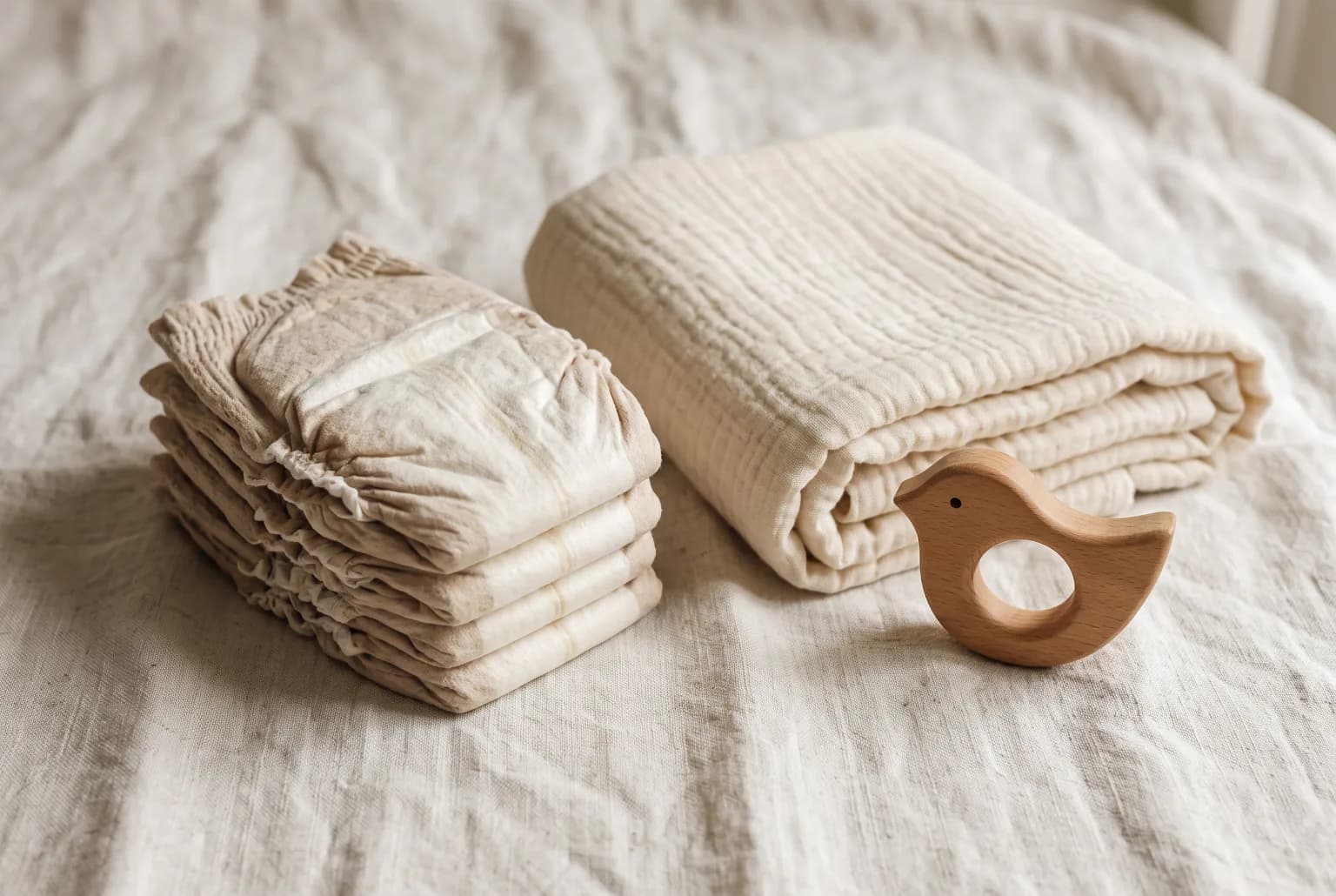
Top picks for the best diapers for sensitive skin share three things: fast absorption, a fragrance‐free breathable topsheet, and minimal skin contact time with urine. Consumer Reports' 2026 lab testing highlights absorption speed and the ability to keep moisture away from the skin as top predictors of fewer irritation episodes.
Those two sentences answer the search intent directly. Below you’ll find how to weigh lab results against newborn fit, what ingredient labels really mean, where tradeoffs can appear, and a practical shopping strategy to test diapers without wasting money.
How we chose the best diapers for sensitive skin

This guide centers on the practical criteria that matter most when skin is reactive. Start with three decision levers that Consumer Reports and pediatric care guidance converge on: absorption speed, topsheet material, and ingredient transparency. Absorption speed reduces skin exposure time to urine; a fragrance‐free, breathable topsheet minimizes irritant and heat buildup; clear ingredient disclosure lowers the odds of unexpected additives.
Fit and newborn anatomy are separate factors. A newborn’s umbilical cord needs space and a soft, low‐cut waistband; some brands list a specific newborn cut, while other "newborn" sizes are simply small versions of standard designs. That fit difference is one reason the brief flags Kirkland/Pampers Swaddlers as variable in newborn performance.
Finally, think trial-first. No diaper is allergy‐proof—individual reactions vary—so buy small trial packs and change frequently (every 2–3 hours for newborns) while you monitor. If a rash appears or persists, stop and consult your pediatrician; this guide does not replace medical advice.
[image: how-we-chose]
What to look for: absorption, topsheet, and ingredients
Three product attributes deserve the most attention on the package and in lab reports:
- Absorption speed and capacity — look for lab data or user reviews that emphasize overnight performance and rapid strike‐through times.
- Topsheet material — prioritize fragrance‐free, soft, and breathable topsheets that reduce occlusion.
- Ingredient transparency — brands that disclose materials and avoid fragrance, dyes, and unnecessary lotions reduce risk vectors.
Below is a compact comparison that uses only the attributes supported by our brief. It does not invent new test results but summarizes what lab testing and brand positioning commonly report.
| Brand or category | Known strength from brief | Notes for sensitive skin buyers |
|---|---|---|
| Consumer Reports top‐rated diapers (CR 2026) | Fastest absorption in lab testing | Best for parents prioritizing moisture control |
| Pampers Pure / Swaddlers Sensitive | Fragrance‐free lines; widely available | Good newborn options—check newborn cut for cord care |
| Kirkland/Pampers Swaddlers (newborn) | Popular value option; newborn fit varies | Try trial packs to confirm umbilical fit |
| Specialty premium brands (Coterie, Pura, Earth & Eden) | Ingredient transparency and premium materials | Higher price, often marketed for sensitive skin |
A few tradeoffs to anticipate: the fastest absorbers can feel stiffer when saturated; ultra‐soft topsheets may move some moisture more slowly into the core. Specialty brands often disclose materials more fully but come at a premium price.
Best diaper formats and tradeoffs for newborns and older babies
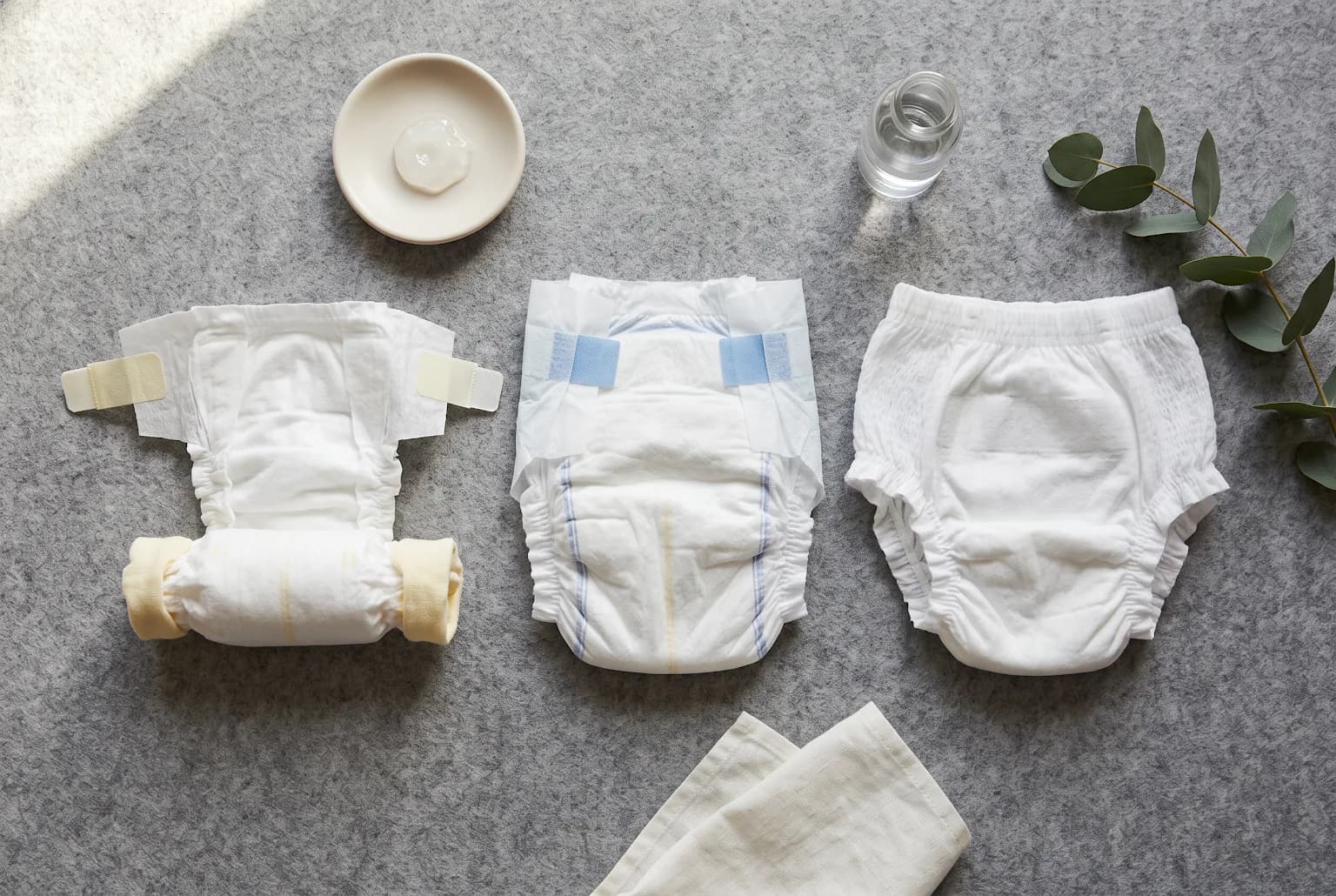
There are three common disposable formats and each suits different needs:
- Taped (standard) diapers: Classic design, adjustable fit, available in many brands and sizes. Good for newborns when the waistband sits low for the umbilical cord.
- Newborn‐cut diapers: Designed with a lower front to protect the umbilical area; ideal while the cord stump is healing. Fit varies by brand, so check package notes and try a small pack.
- Pull‐ups: Best for mobile toddlers and potty training; not ideal for newborns because of fit and leak control differences.
Real tradeoffs: taped diapers often provide better leak protection for supine newborns, while newborn‐cut diapers prioritize cord safety but sometimes sacrifice overall absorption for a gentler front. Consumer Reports notes that some high‐absorption models excel at overnight control but can feel bulkier.
[image: best-diaper-formats]
Practical tips: fit, umbilical care, and pairing with barrier cream
Fit matters as much as ingredients. A diaper that gaps at the legs or has a tight waistband increases friction and chafing. For newborns keep these fit rules in mind:
- Opt for a newborn cut or fold the waistband down if the diaper sits over the cord stump.
- Check leg cuffs for a gentle seal—not too loose, not pinching.
- Use size‐range guidance but expect to move sizes sooner with very small or very large babies.
When a red or irritated area appears, act quickly: change the diaper, clean with plain water or a fragrance‐free wipe, and allow skin to air for a few minutes. Using a zinc‐oxide barrier cream can reduce skin contact with moisture; however, you should test for compatibility with your diaper brand—some thick creams can reduce the absorbency of the diaper if used in excess.
Shopping strategy: trial packs, price vs value, and sustainability tradeoffs
Start with trial packs: buy one small pack of 2–3 brands to compare fit, speed of absorption, and any skin reactions. Evaluate each option across three real‐world checks: does it control leaks, does the skin stay relatively dry between changes, and does your baby show signs of irritation where the diaper contacts the skin?
Price vs value: premium brands (Coterie, Pura, Earth & Eden) often cost more but may offer clearer ingredient lists and softer materials. Mass brands like Pampers Pure or Consumer Reports top‐rated economical options can deliver great absorption at lower cost. If you need to balance budget and sensitivity, use diaper coupons or subscribe to smaller monthly deliveries to avoid waste while you test.
Sustainability tradeoffs: biodegradable or “natural” materials sometimes absorb differently. If sustainability is important, test absorption and fit just as you would other brands; don’t assume a green label guarantees better skin outcomes.
Shopping checklist (quick):
- Buy a small pack of a Consumer Reports top‐rated absorbent option.
- Buy a small pack of a fragrance‐free, soft topsheet brand (for example Pampers Pure).
- Buy one premium sensitive offering if budget allows.
Frequently asked questions
How do I pick a diaper for a newborn with a sensitive vulva or scrotum?
Choose a diaper with a low front cut or fold the waistband down to keep the umbilical area and genital crease free from direct contact. Look for a soft, fragrance‐free topsheet and change frequently to reduce moisture contact. If redness persists despite these steps, consult your pediatrician.
Are scented diapers the main cause of rashes?
Scented diapers and wipes increase the likelihood of irritation for sensitive skin because fragrance is a common allergen and irritant. The brief specifically cautions against scented wipes/diapers for reactive skin. Prefer fragrance‐free lines and observe for improvements.
Do thicker diapers cause more heat and rash?
Thicker overnight diapers can feel warmer; if heat contributes to irritation, prioritize breathable topsheets and consider changing before the diaper reaches maximum capacity. Fast absorption that moves moisture into the core helps reduce the time skin remains wet.
How long should I try a diaper before switching?
Try a diaper for several days under controlled conditions (frequent changes, daytime and one nighttime observation). If you see no improvement in dryness or you notice persistent redness after 48–72 hours, switch to another tested option and consult your pediatrician if symptoms persist.
Related Reading
- Best Facial Exfoliator for Sensitive Skin: A Smarter Way to Choose
- How to choose an eye cream for sensitive skin: a barrier-first guide
- Mineral vs. Chemical Sunscreen for Sensitive Skin: The Formula-First Guide
Sources
- Consumer Reports — 2026 lab‐tested best diapers and buying guide (https://www.consumerreports.org/babies-kids/diapers/best-diapers-a9448120549/)
- Consumer Reports — diaper buying guide & ingredient cautions (https://www.consumerreports.org/babies-kids/diapers/buying-guide/)
- Consumer Reports — press/ratings overview (https://pressroom.consumerreports.org/babies-kids/diapers/disposable-diapers/c33053/)
Related reading: explore caring-for-sensitive-adult-skin routines and low‐irritation cleansing techniques in our other guides: Double Cleansing for Sensitive Skin: The Low-Friction Guide, The Best Sensitive Skin Face Wash Starts With a Quieter Cleanse, and Best Moisturizer for Dry, Sensitive, Acne-Prone Skin: A Barrier-First Guide.
Clear guidance, checked before publication.
Solvi articles are structured by our editorial team and reviewed for clarity, consistency, and responsible health language. We update pages when guidance or product information changes.

Maya Bennett
Senior Beauty Editor. Maya is the skincare obsessive who turns big beauty questions into clear, grounded guidance. She is especially interested in routines that respect real skin, real schedules, and realistic budgets.