Best electric shaver for sensitive skin: choose foil, rotary, or adjustable settings


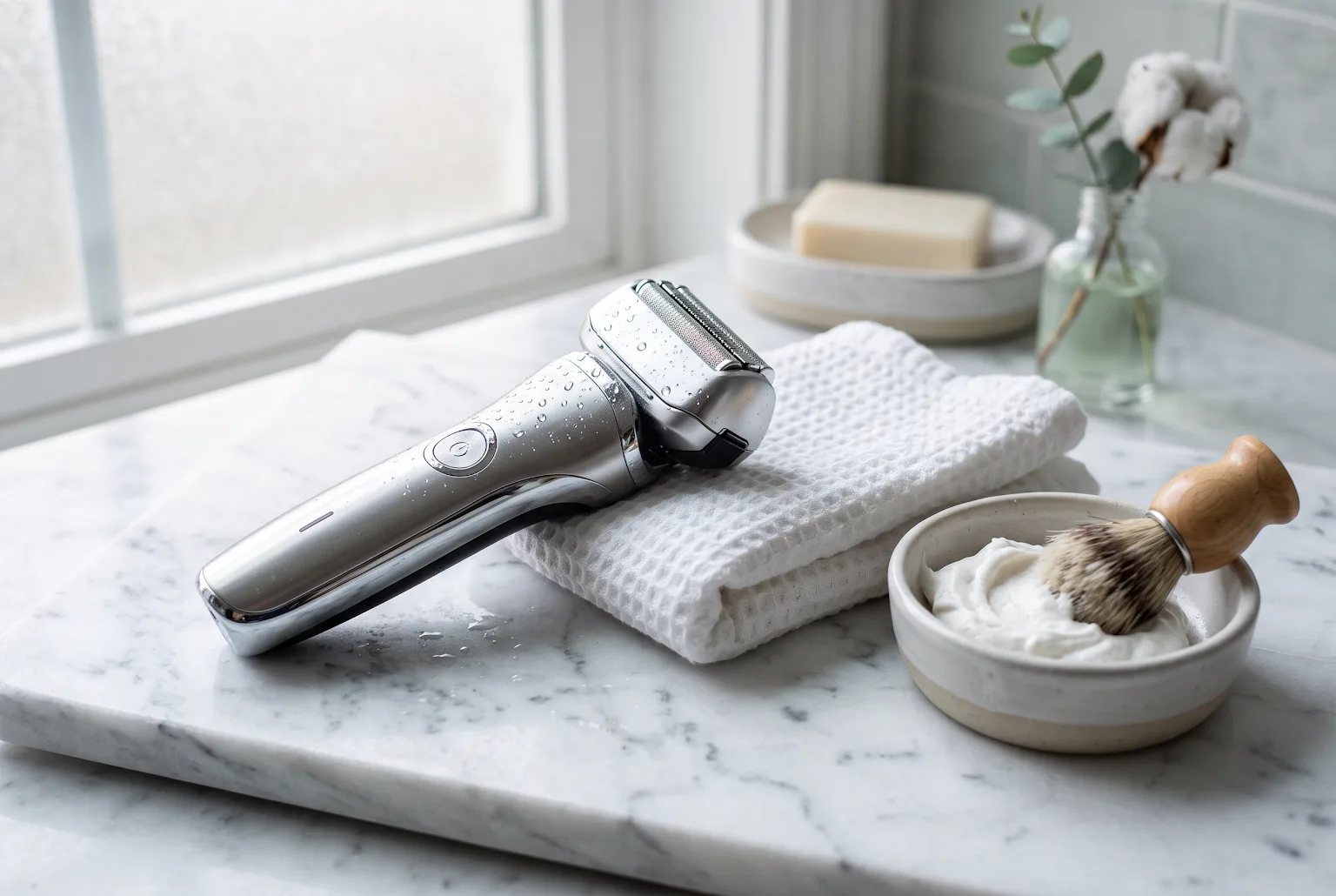
For sensitive skin start with a quality foil shaver (or an adjustable rotary) that offers wet/dry use, hypoallergenic replaceable heads, and the ability to reduce speed or pressure. Those features lower the most common causes of irritation: tugging, heat from vibration, and exposed blunt edges. This guide explains the tradeoffs between foil and rotary designs, what to look for in motors and blades, and concrete examples to help you decide based on your facial hair texture, shaving frequency, and tolerance.
Foil shaver advantages for sensitive skin
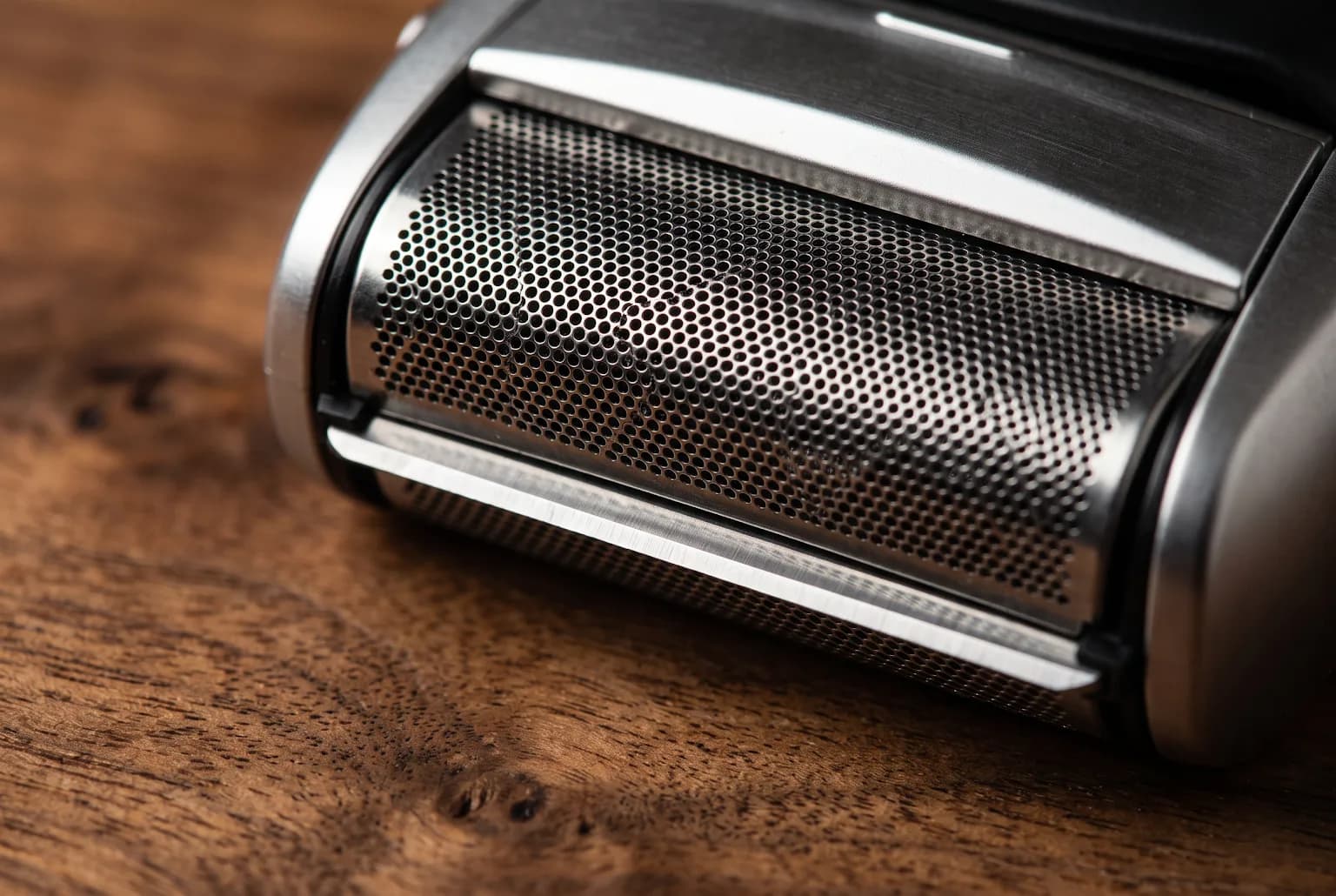
Foil shavers are often the first recommendation for sensitive skin because their straight, perforated foil covers the cutting blade, which reduces direct blade contact with the surface of the skin. That physical barrier tends to keep cutting action consistent across flat areas and lowers the chance of pinching or pulling, especially when you use short, controlled passes. If your irritation shows as immediate redness or razor burn after each pass, a foil unit with a low-vibration motor and hypoallergenic foil is a practical starting point.
Foils also pair well with wet/dry capability and cream: a thin layer of a gentle shaving cream or gel creates glide and cushions the skin while the foil keeps blades from scraping directly. For men who shave daily and have fine to medium stubble, foils give a close, even finish without repeated overlapping passes. The downside: foils can be less forgiving on long or curly hair and on heavily contoured areas where lift-and-cut motion helps capture hair at odd angles.
When rotary heads can make sense

Rotary shavers use round, spinning heads that flex and follow facial contours. They’re not inherently worse for sensitive skin; in fact, some people with thicker or coarser beard patterns find a rotary’s three-headed, multi-directional approach needs fewer passes on the jawline and under the chin. If repeated overlapping passes are what irritate you, a rotary that captures hair from multiple directions can reduce total strokes and therefore irritation.
That said, rotary designs are more dependent on head flexibility and user technique. Using too much pressure or a single-speed high-vibration motor can amplify friction rather than reduce it. For sensitive skin, look for rotaries with adjustable speed settings or a low-noise motor and replaceable hypoallergenic heads.
| Feature | How it helps sensitive skin | Tradeoff |
|---|---|---|
| Flexible rotary heads | Reduces number of passes on contours | Can tug on long, curly hairs |
| Enclosed foil | Prevents direct blade-skin contact | Less flexible on complex angles |
| Adjustable speed | Lowers vibration/heat | May reduce cutting efficiency at lower speeds |
Motor, speed and why vibration matters
The motor is the often-overlooked part of low-irritation shaving. A high-torque motor that sustains steady cutting without stalling is better than a high-RPM motor that vibrates strongly at the surface; excessive vibration transmits heat and micro-motion into the skin, raising erythema risk. For sensitive skin you want consistent cutting power with audible quietness and the option to drop into a lower speed or “sensitive” mode when your skin is inflamed or you want a gentler pass.
Consider the ergonomics and how you hold the device: a heavier, high-torque shaver can do more of the work with light pressure, while a super-light, buzzy device often prompts you to push harder to feel it cutting. Manufacturers will sometimes advertise multiple speed settings—use them. Start on the lowest setting and only climb speeds if you notice inefficient cutting or repeated passes.
Signs you should lower speed or switch head type:
- Redness or stinging after a single pass across the same area
- Frequent tugging on coarse or curly sections of hair
- Heat building on the skin during a 60–90 second shave
Wet-dry use and shave prep
Wet/dry capability is a strong decision criterion for sensitive skin because it gives you options. If your skin flares easily, wet shaving with a thin layer of low-irritant cream cuts friction and lets you glide the shaver with less pressure. If you prefer a dry routine, ensure the model is fully washable; trapped hair and dried oils in the head can increase tug and irritation over time.
Pre-shave prep matters: cleanse gently to remove dirt and oil, and, if you have time, warm water softens hair and slightly lifts follicles. You can find shaving creams formulated for sensitive skin that reduce friction; pairing a wet/dry shaver with a small amount of cream usually yields fewer strokes and less heat buildup.
If your routine includes skincare, finish with a lightweight, fragrance-free moisturizer to restore barrier function. For more on choosing gentle creams and layering routines, see our guide to best shaving cream for sensitive skin and the double cleansing for sensitive skin primer.
Blades, hypoallergenic coatings and replacement timing
Blade quality and replacement schedule are practical, high-impact choices. Hypoallergenic foils and blades (usually nickel-free alloys or ceramic-coated edges) reduce the chance of contact allergy and chemical irritation. Even the best foil or rotary will tug and irritate if the head is dull or clogged; manufacturers publish replacement intervals for a reason: old blades blunt, increasing pressure and causing microtears.
Look for models with clearly available replacement heads and straightforward head-change procedures. A sealed, washable head is easier to keep clean, which preserves sharpness and reduces hygiene-related inflammation. As a rule of thumb, replace heads per the manufacturer schedule or sooner if you notice increased tugging, noise, or uneven cutting. If your shave pattern includes more coarse patches, you may need to swap heads more often.
If you’d like to layer a light serum after shaving to soothe and hydrate, our guide on how to choose a hyaluronic acid serum for sensitive skin can help you pick a gentle hydrator that won’t clog pores.
Ergonomics, battery life and real-world tradeoffs
Ergonomics matter for sensitive-skin shavers because a shape that fits your hand reduces grip tension and the tendency to press. Evaluate the handle shape, weight, and balance: a slightly heavier device that sits comfortably in your palm can allow lighter contact pressure, which lowers friction and irritation. Battery life and quick-charge capability affect routine: a shaver that dies mid-routine forces rushed passes, which increases the chance of poor technique and skin stress.
Tradeoffs to consider: premium motors and flexible heads add cost, while long battery life often requires more weight. Decide what you prioritize by considering your schedule and beard type: if you travel often, a compact model with solid battery and a protective cap might beat a heavier salon-quality unit. If you shave daily and your skin is highly reactive, invest in a model with low-vibration motor, replaceable hypoallergenic heads, and wet/dry seals to protect internals from soap and water.
How to choose for your skin: practical decision examples
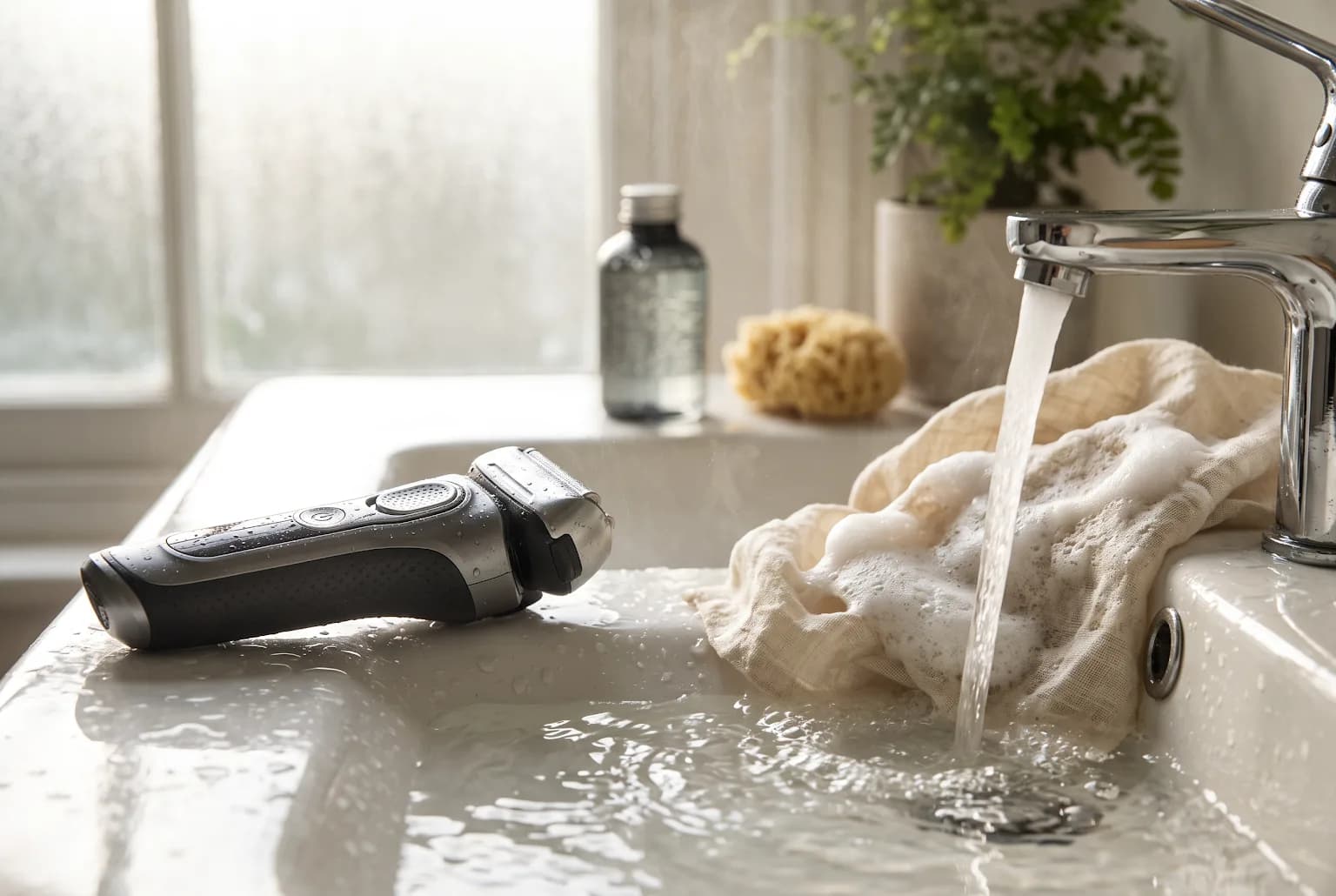
Practical examples help translate features into decisions:
- If you shave daily, have fine-to-medium stubble, and your skin flushes easily: choose a foil shaver with a quiet motor, wet/dry capability, and hypoallergenic foil. The foil reduces repeated passes and pairs well with a thin shaving cream.
- If you have patchy, denser growth with curly hairs and sensitivity to repeated strokes: try an adjustable rotary with flexible heads and a low-speed mode so you capture hair on the jawline in fewer passes.
- If you travel and need simplicity: opt for a compact foil with replaceable heads, solid battery life, and washable construction so hygiene maintenance is straightforward.
Simple maintenance routine (three steps):
- Rinse the head after each shave (or wipe if dry-only) and lightly tap out clippings.
- Clean monthly with supplied brush and run under water if washable; replace heads as recommended.
- Store charged to avoid deep discharge and keep spare heads on hand to avoid blunt blades.
Frequently asked questions
Can a foil shaver completely prevent razor burn?
No. A foil shaver lowers the risk of razor burn for many people by reducing direct blade exposure and encouraging fewer passes, but it cannot guarantee prevention. Razor burn can result from technique, dull blades, skin condition, or pressing too hard. Combine an appropriate shaver with wet/dry prep, light pressure, and timely head replacement to reduce occurrence.
Is wet shaving always better for sensitive skin?
Not always. Wet shaving with a gentle cream reduces friction and is often helpful, but some people react to shaving creams or build-up under the foil. Wet/dry shavers provide the best flexibility—use wet if your skin benefits from lubrication, and dry if that’s more convenient or if you’re sensitive to topical products.
How often should I replace the foil or rotary heads?
Replacement schedules vary by model and beard coarseness, but follow the manufacturer’s recommendation as a baseline. Replace sooner if you notice increased tugging, more passes needed for the same closeness, or audible change in motor noise. Regular cleaning and drying prolong blade life and performance.
Should I choose speed settings or a single powerful motor?
If sensitive skin is your primary concern, speed settings offer a tangible benefit because you can dial down vibration and heat on reactive days. A consistent, low-vibration motor is preferable to a buzzy high-RPM motor. If you trade off some cutting speed for a calmer shave, you’ll often reduce inflammation.
Related Reading
- Best Facial Exfoliator for Sensitive Skin: A Smarter Way to Choose
- How to choose an eye cream for sensitive skin: a barrier-first guide
- The best diapers for sensitive skin: a lab-minded buyer’s guide
Sources
- American Academy of Dermatology — shaving guidance (electric vs blade)
- Consumer reviews & 2026 buying guides (product testing)
- Product-review editorial roundups (2026 electric shaver reviews)
Clear guidance, checked before publication.
Solvi articles are structured by our editorial team and reviewed for clarity, consistency, and responsible health language. We update pages when guidance or product information changes.

Amara Lewis
Sensitive Skin Writer. Amara is fascinated by calm, barrier-first skincare and the small details that make a routine easier to tolerate. She favors thoughtful formulas, slow introductions, and less guesswork.


