The best serum for sensitive skin: a calm, hydrating playbook


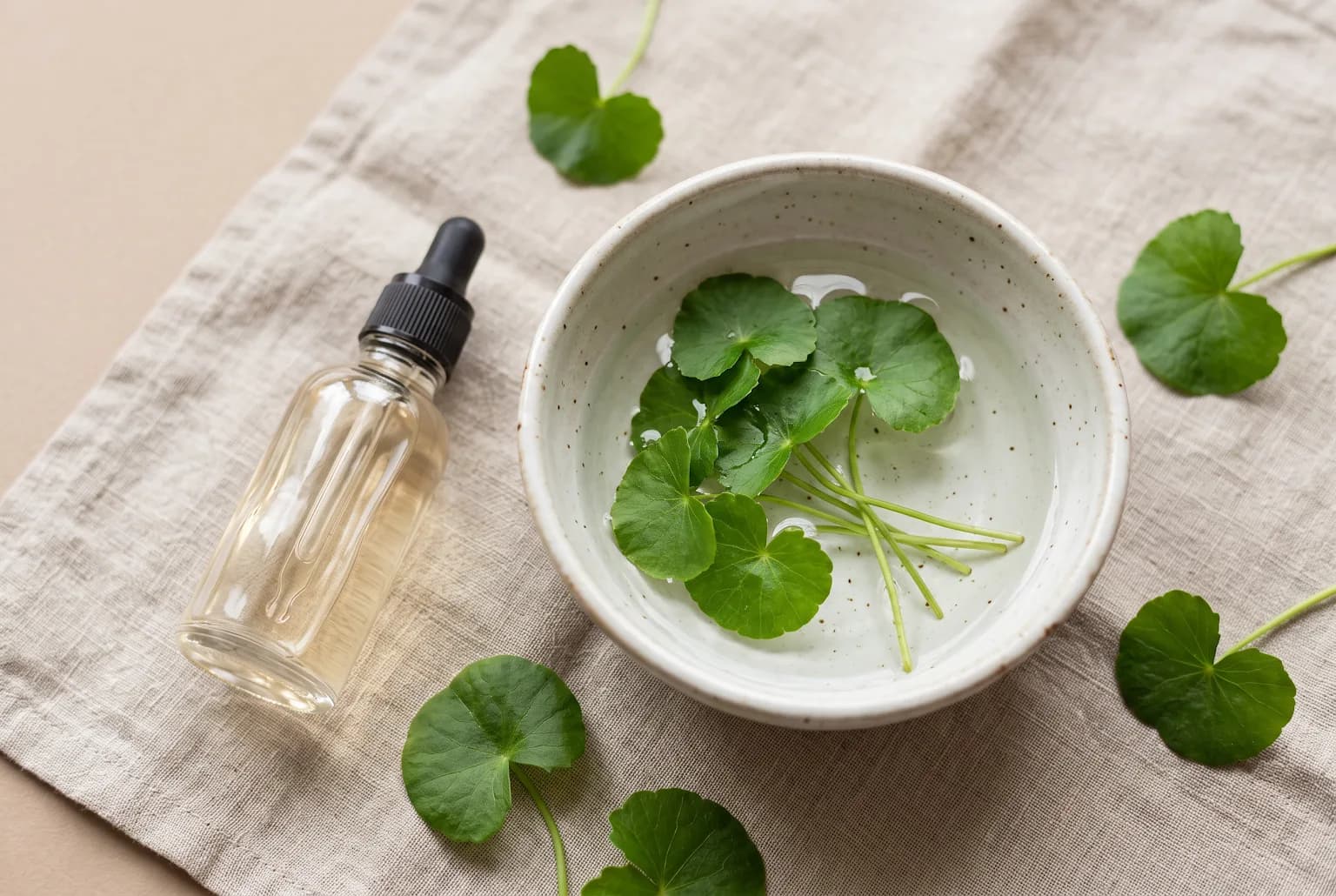
Answer in brief: Pick a lightweight, fragrance-free serum that focuses on humectants (hyaluronic acid, glycerin), barrier boosters (ceramides, panthenol, madecassoside) and soothing botanicals like centella. Steer clear of alcohol denat., essential oils and concentrated acids; patch test new products for 48–72 hours and always follow with a moisturizer to seal hydration.
How to choose a serum for sensitive skin
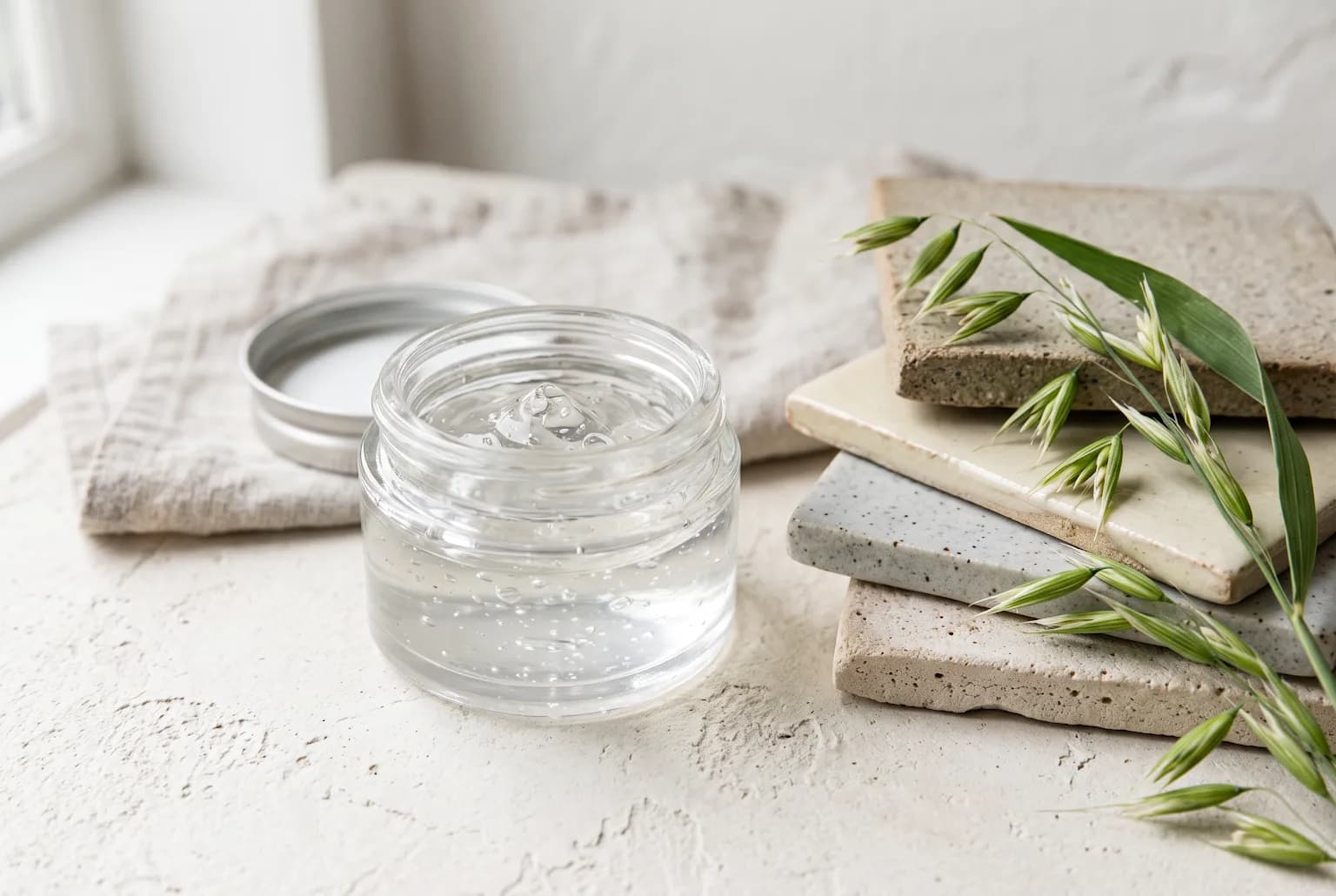
Start by clarifying your priority: do you need immediate hydration, reduced redness, or gentle anti‐aging support? For reactive skin, hydration and barrier repair should come first—those two goals reduce flare frequency and make other actives easier to tolerate later. Look for short ingredient lists, clear-purpose claims (hydrating, calming, barrier support), and packaging that limits contamination (droppers or airless pumps).
Check these decision criteria as you shop: fragrance-free, no alcohol denat., presence of humectants (hyaluronic acid, glycerin), and at least one barrier ingredient (panthenol, ceramides, or madecassoside). For acne‐prone but sensitive skin, prefer non‐comedogenic labeling and formulas described as allergy‐tested or low‐irritant, though those are marketing terms—use ingredient inspection as your primary filter.
| What to look for | Why it helps | Tradeoffs to expect |
|---|---|---|
| Humectants (HA, glycerin, polyglutamic acid) | Attract and hold moisture | Lightweight, may need a moisturizer on top |
| Barrier boosters (ceramides, panthenol) | Strengthen lipid matrix, reduce TEWL | Slightly thicker textures; slower visible results |
| Soothing actives (centella, madecassoside) | Calm redness and irritation | Botanical extracts can be allergenic in rare cases |
| Avoid: fragrance, alcohol denat., essential oils | Reduce risk of immediate irritation | Fewer sensory cues (no scent, simpler texture) |
Humectants vs barrier boosters: which to pick
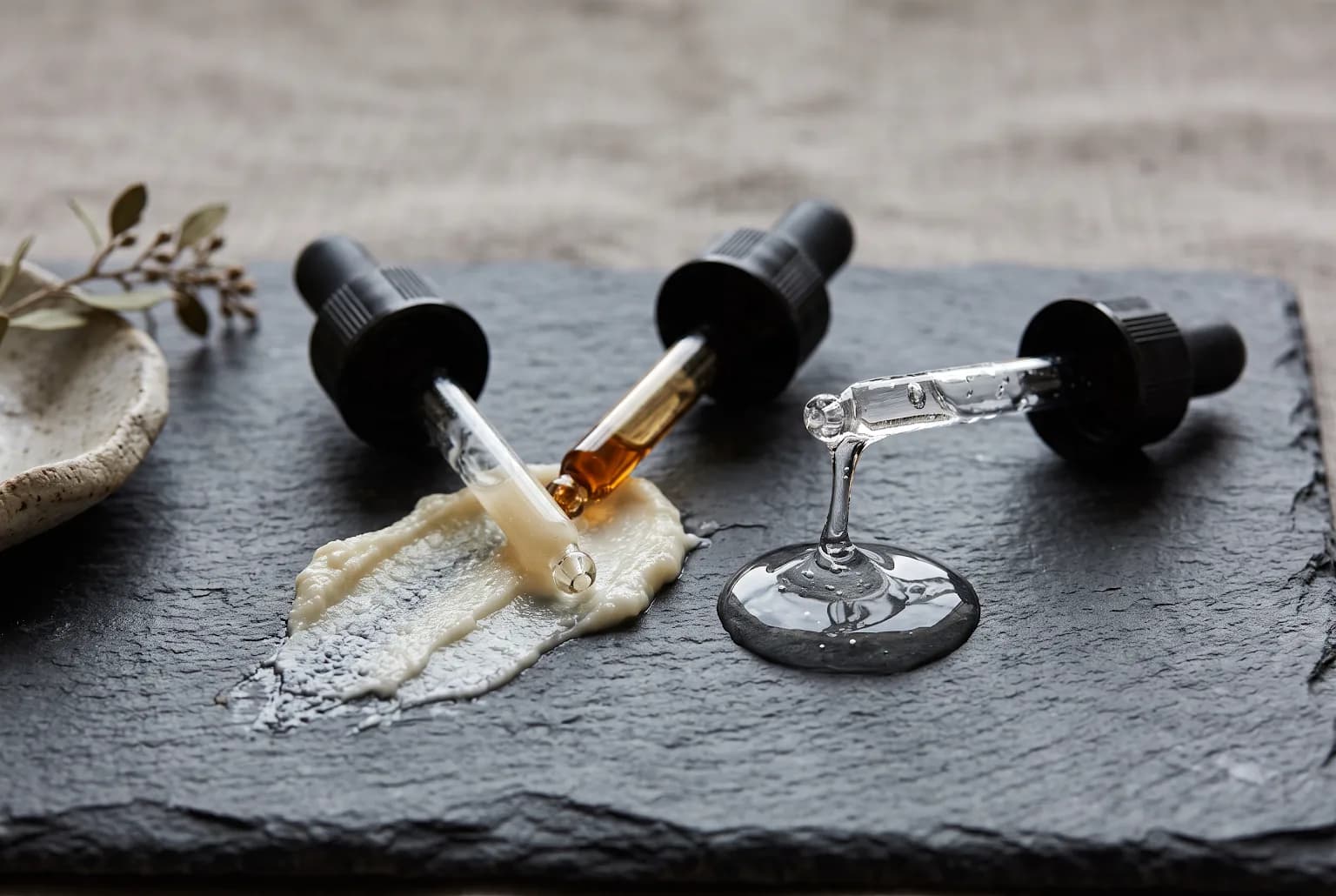
Humectants and barrier boosters serve related but distinct roles. Humectants—hyaluronic acid (various molecular weights), glycerin, and polyglutamic acid—pull water into the stratum corneum. If your skin feels tight, reactive, or flaky after cleansing, start with a humectant serum. Humectants are usually lightweight, clear gels or watery liquids that layer well under moisturizers.
Barrier boosters like ceramides, panthenol, and fatty acids rebuild the lipid matrix and reduce trans‐epidermal water loss (TEWL). These ingredients are best when your skin shows chronic sensitivity: persistent redness, stinging, or easily triggered dryness. Barrier boosters often sit in slightly thicker vehicles—light creams or milky serums—so they can change the finish of later makeup.
If you must choose one: pick a humectant serum for daily comfort and add a barrier booster at night or as your second step. Combining both—humectant first, then barrier booster or moisturizer—gives the fastest improvement to reactivity.
Key soothing actives and why they work
For sensitive skin, the evidence-backed soothing actives are straightforward: panthenol (pro‐vitamin B5) supports hydration and barrier repair, centella asiatica derivatives (madecassoside, asiaticoside) reduce cytokine‐driven redness in topical studies, and niacinamide at low concentrations can strengthen the lipid barrier and even skin tone. These ingredients are typically well tolerated at conservative levels and pair well with humectants.
Avoid the pressure to chase high single‐ingredient concentrations. Sensitive skin benefits more from a balanced formula that delivers consistent barrier support than from a serum that promises dramatic brightening with high‐strength acids. If you want gentle melanin‐modulating benefits, low‐dose niacinamide is a safer starting point than high‐percent vitamin C or potent AHAs.
- Panthenol: barrier repair and immediate soothing
- Centella derivatives: anti‐inflammatory and calming
- Niacinamide (2–5%): barrier strength and texture refinement
- Madecassoside: concentrated centella fraction, low irritation risk
Texture, layering and when to use in your routine
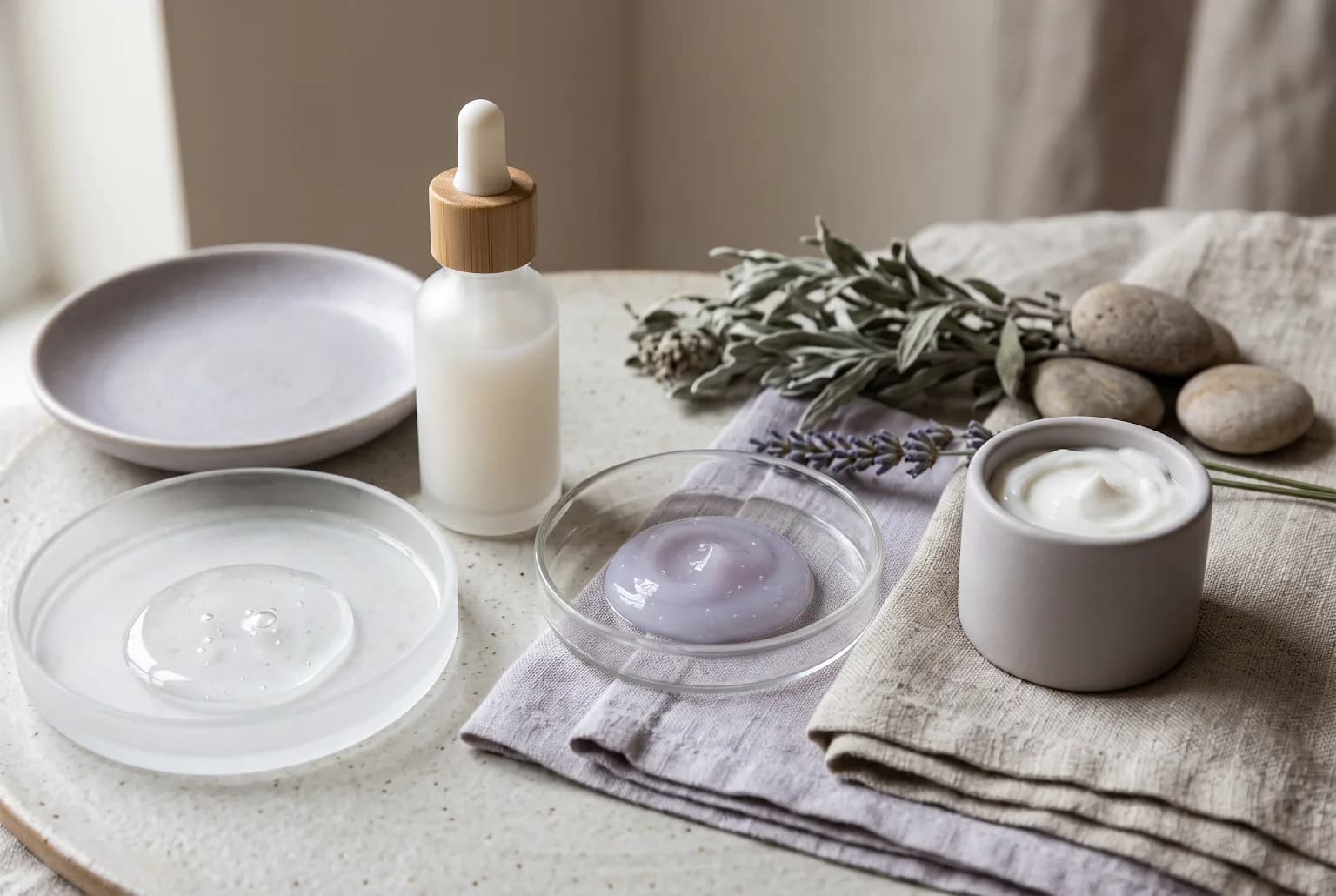
Texture matters for both comfort and compliance. Lightweight water‐gels or aqueous serums absorb quickly and suit morning routines under sunscreen and makeup. Slightly richer milky serums or emollient serums are useful at night when you want a little extra occlusion without a heavy cream. If you are acne‐prone, favor non‐comedogenic water‐gels and avoid occlusive oils in the serum step.
Layering rule: apply humectant serums to damp skin, wait 30–60 seconds, then add a barrier cream or moisturizer. That locks the water humectants attract into the skin and prevents TEWL. If you use both a humectant serum and a barrier serum, apply the humectant first (thinnest to thickest). Reserve potent actives (if your clinician prescribes them) for nights when your skin is well‐conditioned.
Routine examples:
- AM: gentle cleanser → humectant serum (HA/glycerin) → lightweight moisturizer → SPF
- PM: gentle cleanser → calming serum (panthenol/centella) → barrier cream
- If acne prone: substitute non‐comedogenic moisturizer and skip oils in the serum step
Red flags and ingredients to avoid
When your skin is reactive, certain ingredients are frequent culprits: alcohol denat. dries and strips lipids; fragrance and essential oils are common sensitizers; high concentrations of strong acids or retinoids can cause inflammation. Also be cautious with uplifting botanical blends—many botanicals are calming but some trigger contact dermatitis in vulnerable people.
Read labels for hidden triggers: "fragrance" or "parfum" can be a cocktail of allergens, and "natural essential oils" like lavender or citrus are common offenders. If the formula lists alcohol high in the ingredient deck or advertises a citrus scent, it's usually better to pass. Lastly, beware of overly complex preservative systems—minimalist formulas reduce exposure to multiple low‐level sensitizers.
Shopping checklist and formats: dropper, gel, water‐cream
Decide which format fits your habits. Droppers and glass bottles give a premium feel and precise dosing but can invite contamination if you dip the dropper. Pumps and airless dispensers reduce contamination risk. Texture choices:
- Water‐gel serums: fast absorption, great under makeup
- Milky serums: slightly emollient, good for evening
- Cream‐serums: combine hydrating serum with light occlusion for dry, reactive skin
Checklist as you buy: confirm “fragrance‐free,” scan for alcohol denat., prioritize a listed humectant and at least one barrier booster, and check packaging. If you wear prescription topicals (topical steroids, retinoids), consult your clinician before adding new actives. For more on choosing an HA serum specifically, see our deeper guide on How to Choose a Hyaluronic Acid Serum for Sensitive Skin.
How to patch test and introduce a new serum
A careful introduction minimizes risk: patch test first, then a slow rollout. Apply a small amount to a 1–2 inch patch on the inner forearm and leave it uncovered; observe for redness, swelling, or itching for 48–72 hours. If no reaction occurs, apply the serum to half of the face or alternate nights for the first two weeks to watch for delayed sensitivity.
When adding multiple products, use the one‐at‐a‐time rule: introduce a new serum and wait two weeks before adding another active or treatment. Keep a short log of product names, start dates, and any reactions. If you experience persistent burning, spreading redness, or blistering, stop use and consult a clinician.
Frequently asked questions
What is the gentlest active to look for in a serum for sensitive skin?
The gentlest, evidence‐backed active commonly recommended is panthenol (pro‐vitamin B5), which supports hydration and barrier repair while rarely causing irritation. Low‐dose niacinamide (2–5%) and centella derivatives such as madecassoside are also typically well tolerated. Prioritize low concentrations and a minimal formula to reduce risk.
Can a hyaluronic acid serum make sensitive skin worse?
Hyaluronic acid itself is not an irritant, but humectants can pull moisture from deeper layers if the environment is very dry and no occlusive layer seals them in. Prevent this by applying HA to damp skin and following with a moisturizer to lock in hydration. If you notice increased tightness, add a barrier cream after the serum.
Are fragrance‐free serums always safe for reactive skin?
Fragrance‐free lowers the likelihood of irritation but does not guarantee safety: other ingredients, preservatives, or botanicals can still sensitize. Check the full ingredient list for alcohol denat., essential oils, or multiple botanical extracts, and always patch test—especially if you have a history of contact dermatitis.
How should I layer a serum if I use prescription retinoid creams?
If you use prescription retinoids, introduce a soothing, hydrating serum gradually and avoid combining with other potentially irritating actives at the same time. Apply the retinoid as directed (often at night), and use a humectant serum and barrier moisturizer to reduce dryness. Consult your prescribing clinician before adding new actives to avoid compounding irritation.
Related Reading
- The best diapers for sensitive skin: a lab-minded buyer’s guide
- Best Facial Exfoliator for Sensitive Skin: A Smarter Way to Choose
- Best Serum for Acne Scars: Choose by Mark Type, Not Hype
Sources
- Vogue — Best serums for sensitive skin (editorial list, 2026)
- Allure — Barrier repair serums (derm quotes, 2026)
- mybest — Dermatologist‐reviewed serums for sensitive skin (2026)
Clear guidance, checked before publication.
Solvi articles are structured by our editorial team and reviewed for clarity, consistency, and responsible health language. We update pages when guidance or product information changes.

Zoe Mitchell
Beauty Trends Editor. Zoe keeps a close eye on viral routines, new launches, and the skincare conversations moving fastest online. She asks which trends are useful, which need context, and which can be skipped.


