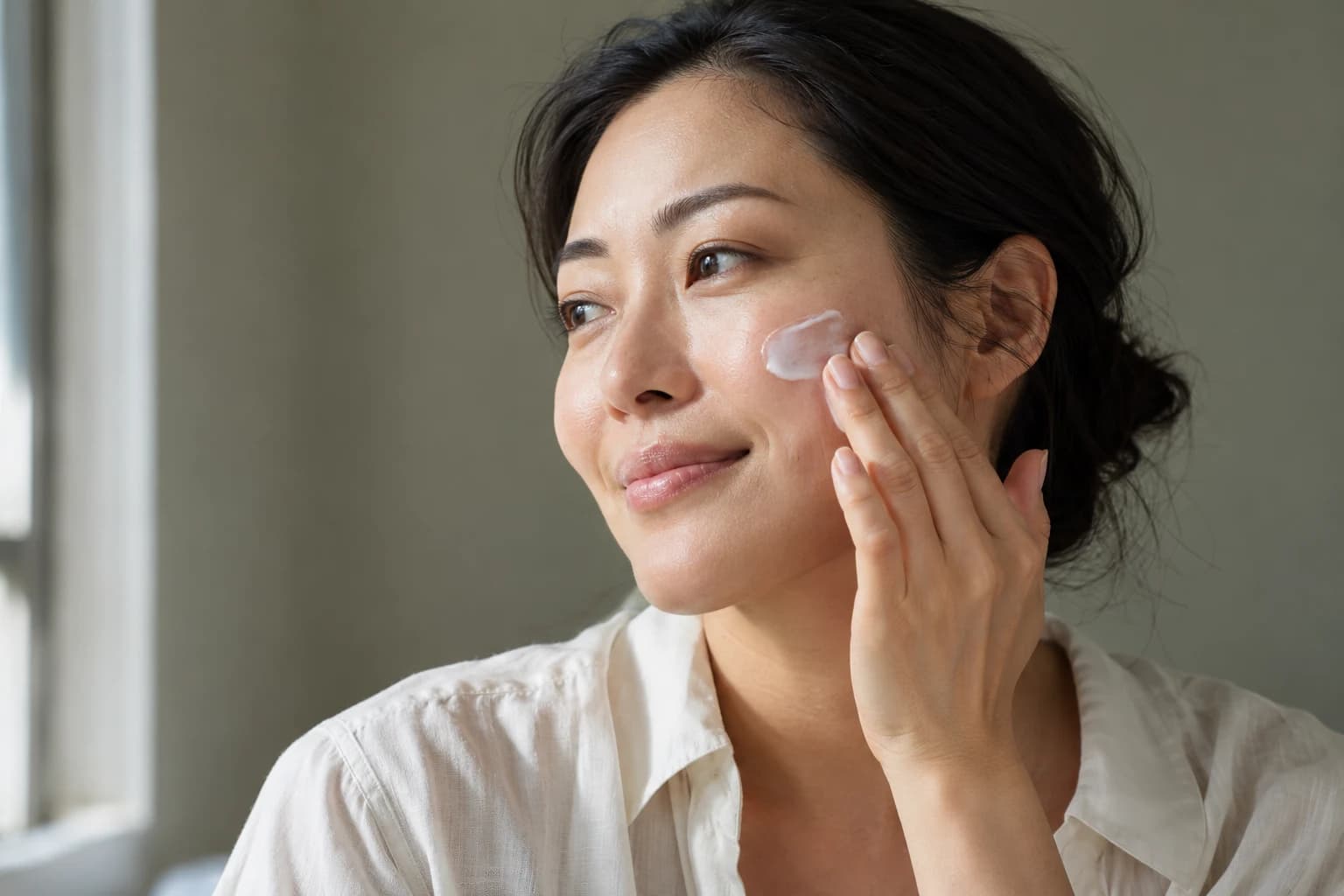
Best Serum for Acne Scars: Choose by Mark Type, Not Hype



The best serum for acne scars depends on what you call a scar: flat brown, gray, red, or purple leftover marks need a pigment-focused formula, while true indented scars need a different conversation about collagen remodeling and, often, in-office care. For a serum-led routine, vitamin C, niacinamide, and azelaic acid are the strongest everyday starting points for post-acne discoloration; a retinol serum is the more strategic nighttime option when uneven texture is also on the agenda.
There is no single vial that erases every kind of acne aftermath. The polished way to shop is to identify the mark in good daylight, choose one lead active with a texture you will actually use, then give it consistent weeks to months—not a frantic rotation of acids—the chance to earn its place.
Start With the Mark, Not the Marketing
“Acne scars” commonly gets used for two very different issues. Post-inflammatory hyperpigmentation (PIH) is flat discoloration left after a blemish settles; it may read as tan, brown, gray-brown, or deeper-toned depending on skin tone. Atrophic scars are depressions in the skin—often described as icepick, boxcar, or rolling scars—and a topical serum has more limited reach here.
A useful mirror check is simple: if the color changes more than the skin’s silhouette when you turn your face toward a window, shop the pigment lane. If shadows gather in a dip from different angles, think texture support, realistic expectations, and a dermatologist conversation if the scars are pronounced.
| What you see | Best serum lane to consider | What the formula is trying to address | The essential tradeoff |
|---|---|---|---|
| Flat dark marks after pimples | Vitamin C, niacinamide, or azelaic acid | Uneven-looking pigment and lingering inflammation | Results depend heavily on daily sun protection |
| Dark marks plus easily irritated skin | Niacinamide or azelaic acid | A more tolerance-minded approach to discoloration | Progress may feel quieter than a high-intensity routine |
| Fine uneven texture with discoloration | Retinol at night, with a pigment serum at another time | Collagen-remodeling support alongside tone care | Dryness and irritation can derail consistency |
| Icepick, boxcar, or rolling depressions | Retinol as supportive home care; professional evaluation for bigger change | Overall skin quality rather than filling a deep indentation | A serum is not a substitute for procedures |
Match the Serum to the Mark

For commercial shopping, put the active, concentration, vehicle, and your tolerance in that order. A watery serum may layer beautifully under sunscreen but can sting compromised skin; a cushioned gel-serum may feel easier to maintain but may not suit everyone who prefers a minimal routine. The formula category matters more than a promise-heavy label.
For flat dark spots and post-acne discoloration
Vitamin C is a morning-facing option worth considering when the primary concern is uneven pigment. Look for a stabilized L-ascorbic acid format in the 10% to 20% range; these formulas are typically designed at a low pH, which can make them feel tingly on reactive skin. Its usual liquid-to-lightweight-gel textures sit well under moisturizer and broad-spectrum sunscreen.
Niacinamide is the steadier, low-drama choice for many routines. A 5% to 10% serum can make sense for someone focused on discoloration who also wants a formula that fits easily between cleansing and moisturizer. It is often available in silky water-gels or slightly viscous clear fluids, useful if you dislike the oily finish some treatment products can leave behind.
Azelaic acid is particularly compelling when breakouts, visible irritation, and PIH overlap. It is commonly offered in 10% to 20% formats, though the texture can range from a light gel to a more substantial cream-serum. That slight drag can be a fair trade for people who prefer one targeted treatment rather than several aggressive actives.
For texture plus leftover discoloration
Retinol is the serum category to review when your goal includes gradual collagen-remodeling support as well as tone. A 0.3% to 1% retinol serum is a reasonable shopping framework, but starting lower and building frequency is often more important than buying the highest percentage. Expect a thin emulsion, lotion-serum, or anhydrous oil-like fluid rather than the quick-vanishing feel of many vitamin C serums.
Retinoids are not instant spot correctors, and irritation can make discoloration look more persistent, particularly when skin is already inflamed. Keep the rest of the routine deliberately plain while you learn how your skin responds.
- Choose vitamin C when flat dark marks are the main story and you want an AM treatment.
- Choose niacinamide when you want a flexible, generally easy-to-layer pigment-support serum.
- Choose azelaic acid when discoloration arrives with acne-prone, reactive-looking skin.
- Choose retinol when mild textural unevenness is part of the picture and you can commit to a cautious PM introduction.
A Skin-of-Color-First Strategy
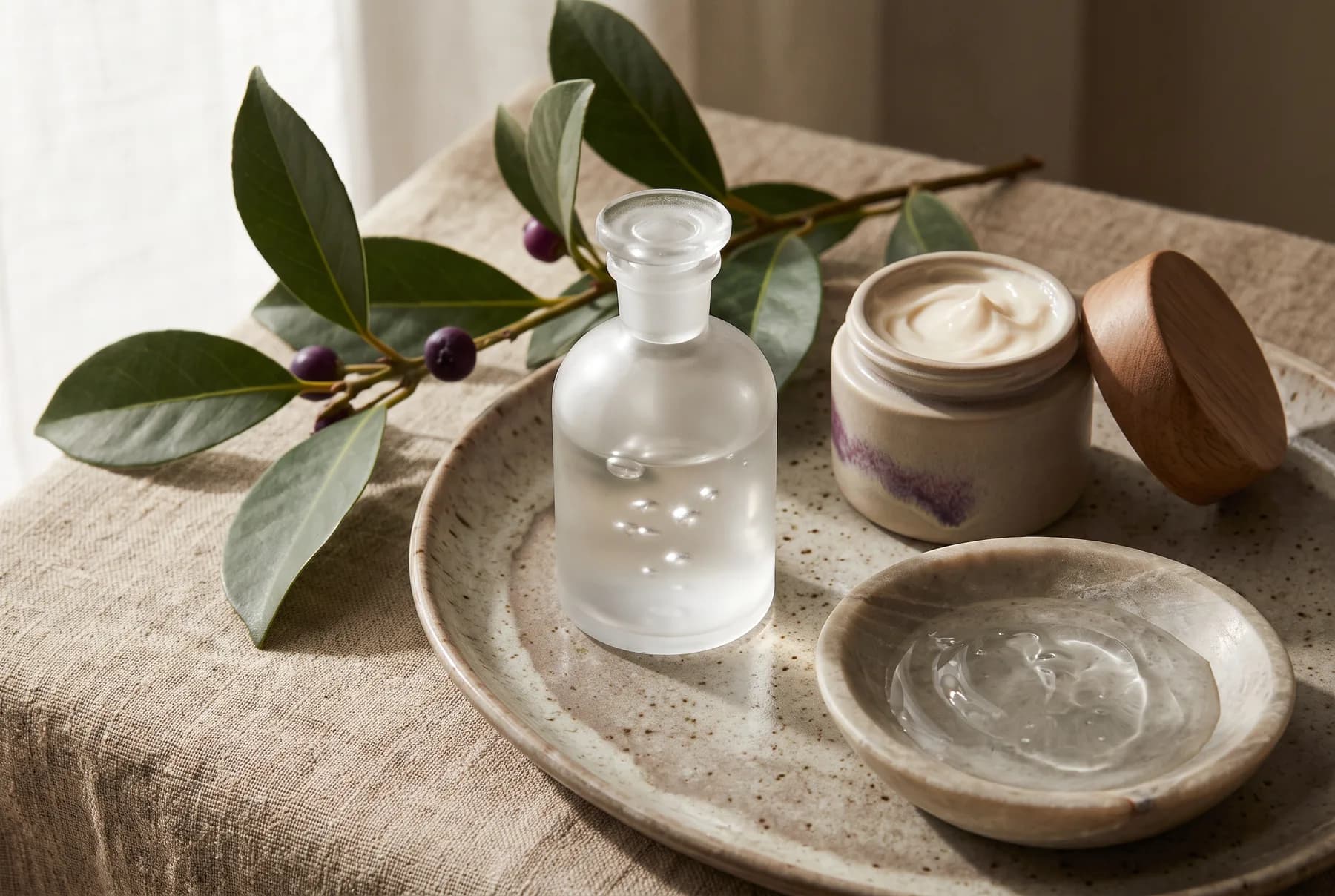
Darker skin tones can be more prone to PIH after inflammation, which makes avoiding avoidable irritation central—not secondary—to a smart scar routine. That is why niacinamide and azelaic acid deserve first look status for many people: they align with a discoloration-focused approach without requiring an all-at-once active stack.
The goal is not to avoid effective ingredients; it is to avoid turning a fading mark into a longer cycle of irritation and pigment change. A formula that feels elegant for three nights but leaves skin tight, flaky, or burning is not necessarily delivering better value than a calmer serum used consistently.
When comparing options, use these practical criteria:
- Favor a single lead treatment active before considering combination formulas.
- Consider a 5% niacinamide serum or an azelaic acid 10% to 20% formula when PIH and sensitivity are priorities.
- Introduce retinol slowly rather than treating nightly use as the entry requirement.
- Use broad-spectrum sunscreen every day, especially when using retinoids or a vitamin C routine for discoloration.
- Reassess only after consistent use over weeks to months, not after a few applications.
How to Layer a Serum Routine Without Overdoing It

The most useful division of labor is beautifully simple: vitamin C in the morning, retinol at night. Niacinamide can be flexible in either routine, while azelaic acid is best placed where it feels comfortable and does not compete with your skin’s tolerance. You do not need every category at once to build an intelligent regimen.
Morning
A morning routine built around pigment support should stay light enough that sunscreen does not become negotiable. Apply products from thinner to thicker textures, allowing each layer a brief moment to settle rather than rubbing until the skin feels hot.
- Cleanse gently, or rinse if that is what your skin tolerates best in the morning.
- Apply a vitamin C serum, or choose niacinamide if vitamin C’s low-pH feel is not a fit.
- Follow with a simple moisturizer as needed for comfort.
- Finish with broad-spectrum sunscreen; this is the daily step that protects the progress you are trying to make on dark marks.
Evening
Retinol belongs in a deliberately unbusy evening routine. Begin with a low-and-slow cadence and reserve non-retinol nights for hydration, rather than reading temporary dryness as a reason to add more exfoliation.
- Cleanse away sunscreen and makeup with a non-stripping formula.
- Apply your retinol serum on the nights you have planned, beginning gradually rather than nightly.
- Use a moisturizer with a comfortable, cushioning finish.
- On non-retinol nights, use niacinamide or azelaic acid if your skin is tolerating it well, then moisturize.
Combinations to approach carefully
Strong exfoliating products can sound efficient beside a retinoid, but piling them into one session raises the likelihood of irritation. If you are using salicylic acid or other exfoliants for active acne, consider alternating rather than treating your face like a chemistry experiment.
- Avoid introducing retinol, a strong exfoliant, and a low-pH vitamin C formula in the same week.
- Avoid layering multiple strong exfoliants in one routine.
- Avoid pushing through obvious irritation just to meet a product’s suggested frequency.
- Avoid expecting a serum to substantially lift deep indented scars on its own.
The Value Test: What to Look for Before You Buy
A premium serum earns its cost through a formula you can keep using, not through a long ingredient list. For vitamin C, review the stated form and whether the concentration sits in the 10% to 20% range discussed for L-ascorbic acid. For niacinamide, 5% to 10% is a useful comparison point; for azelaic acid, look to the 10% to 20% range.
Packaging is also part of the proposition. Air- and light-conscious packaging is especially relevant when you are buying an oxidation-prone vitamin C format, while a pump can be more convenient than an open dropper for a retinol emulsion. None of these details guarantee a particular outcome, but they help explain how a formula is designed to remain practical from first use to last.
Best for
- The minimal routine shopper: one niacinamide serum plus moisturizer and daily sunscreen.
- The AM ritual person: a 10% to 20% L-ascorbic acid vitamin C serum under sunscreen.
- The uneven-tone-and-texture shopper: a lower-strength retinol serum used gradually at night.
- The acne-prone, PIH-focused shopper: an azelaic acid gel or cream-serum, adjusted to comfort.
Skip if
- Skip a high-strength retinol launch if your skin is currently irritated, peeling, or overexfoliated.
- Skip a low-pH vitamin C serum if it repeatedly stings and makes you abandon the routine.
- Skip the assumption that “brightening” automatically means appropriate for indented scars.
- Skip at-home escalation for severe, widespread, or distressing scarring; a dermatologist can discuss procedural options such as microneedling or lasers.
Realistic Timing and When to See a Dermatologist
Topical care works on a slower calendar. The research overview on topical facial-scar therapies supports the general idea that topicals can play a role, but it also underscores why no serum should be positioned as a stand-alone answer to every scar shape. Consistency over weeks to months is a more honest benchmark than overnight transformations.
For depressed scars, procedures may offer options that a topical serum cannot replicate. Microneedling and lasers are among the approaches a dermatologist may discuss, with the right plan depending on scar pattern, skin tone, acne activity, and tolerance for downtime. The most useful serum in that context is supportive home care—not a substitute for individualized assessment.
Related reading
- Salicylic Acid Body Wash for Body Acne
- Treatment for Dark Spots on Face: Step-by-Step
- The Ordinary Serum for Dark Spots: Formula Guide
Frequently asked questions
What serum helps acne scars and dark spots?
For flat dark spots after acne, vitamin C, niacinamide, and azelaic acid are the primary serum categories to compare. Select according to tolerance and texture preference, and pair the routine with daily sunscreen.
Is retinol the best serum for acne scars?
Retinol is a worthwhile option for overall texture support and discoloration concerns, but it is not automatically the best first choice for every mark. It is more likely to cause dryness or irritation than niacinamide, so a gradual nighttime introduction matters.
Can vitamin C and retinol be used in the same routine?
They can be separated into a vitamin C morning routine and retinol evening routine. This division is a practical way to keep a treatment plan clear and reduce the temptation to crowd several strong actives into one application.
Which serum is best for indented acne scars?
A retinol serum can be supportive for skin texture, but deeply indented icepick, boxcar, and rolling scars often need more than topical care. Consider a dermatologist consultation for a discussion of options such as microneedling or lasers.
Sources
- Evidence review: topical therapy for facial scars (PubMed Central)
- Healthline: dermatologist-chosen acne scars products
- National Center for Biotechnology Information: azelaic acid and niacinamide literature
Clear guidance, checked before publication.
Solvi articles are structured by our editorial team and reviewed for clarity, consistency, and responsible health language. We update pages when guidance or product information changes.

Maya Bennett
Senior Beauty Editor. Maya is the skincare obsessive who turns big beauty questions into clear, grounded guidance. She is especially interested in routines that respect real skin, real schedules, and realistic budgets.