Best Moisturizer for Dry, Sensitive, Acne-Prone Skin: A Barrier-First Guide


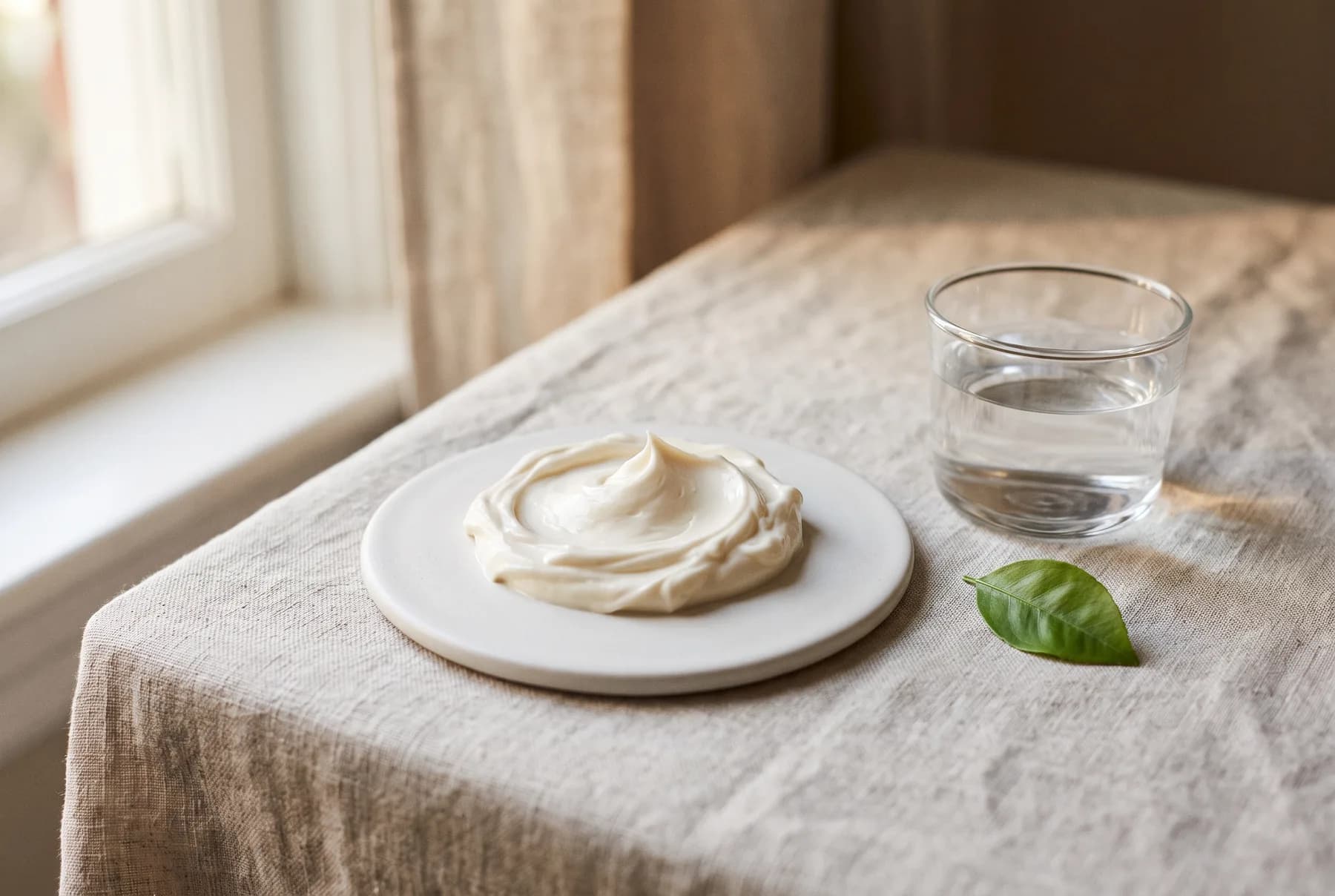
Dry, sensitive, acne-prone skin usually needs a moisturizer that does two jobs at once: cushion a compromised moisture barrier and stay comfortable enough that you will use it consistently. The best moisturizer for dry sensitive acne prone skin is typically a fragrance-free, non-comedogenic cream with humectants and skin-identical lipids—not necessarily the lightest gel or the richest balm on the shelf.
The tricky part is that dry, tight skin can make you reach for more and more occlusion, while clogged pores may make a thick finish feel risky. The smarter edit is barrier-first: choose a formula with ceramides, glycerin, hyaluronic acid, niacinamide, panthenol, or gentle emollients, then match its finish to where and when you are dry.
The dry-acne paradox: why a simple cream matters
Acne-prone skin is not automatically oily skin. It can be dehydrated from weather, over-cleansing, prescription acne care, or an overenthusiastic rotation of exfoliating products. When skin feels stripped, a moisturizer is less about chasing a glossy finish and more about making cleansing and treatment steps tolerable.
A well-chosen cream can reduce the urge to overcorrect with harsh, drying products. It does not treat inflammatory acne on its own, and “non-comedogenic” is a useful screen rather than a guarantee that every individual will tolerate every formula. Your own pattern—especially recurring closed comedones after introducing a heavier product—still matters.
Think in terms of formula architecture. Humectants draw water toward the skin; emollients give the surface slip and flexibility; occlusives slow water loss. Dry, reactive, breakout-prone skin often benefits from all three, but in proportions that do not leave a waxy, airless-feeling film on areas that clog easily.
| What your skin is asking for | Look for | Consider using less of |
|---|---|---|
| Tightness, flaking, or discomfort after cleansing | Glycerin, ceramides, hyaluronic acid, a cream texture | Strong cleansers and frequent exfoliating steps |
| Sensitivity alongside dryness | Fragrance-free formulas, panthenol, niacinamide if tolerated | Fragrance, menthol, and unnecessary “tingly” add-ons |
| Breakouts plus dry cheeks | Non-comedogenic labeling and a medium-weight cream | Thick, highly occlusive layers over the entire face |
| Closed comedones after a rich product | A lighter cream or more targeted application | Reapplying a dense balm across clog-prone zones |
This is also why a moisturizer can be used strategically rather than uniformly. Your cheeks may want a cream, while the center of the face may prefer a thinner layer. A small adjustment in amount is often more useful than declaring an otherwise good formula “too rich” for your whole complexion.
How to choose a moisturizer
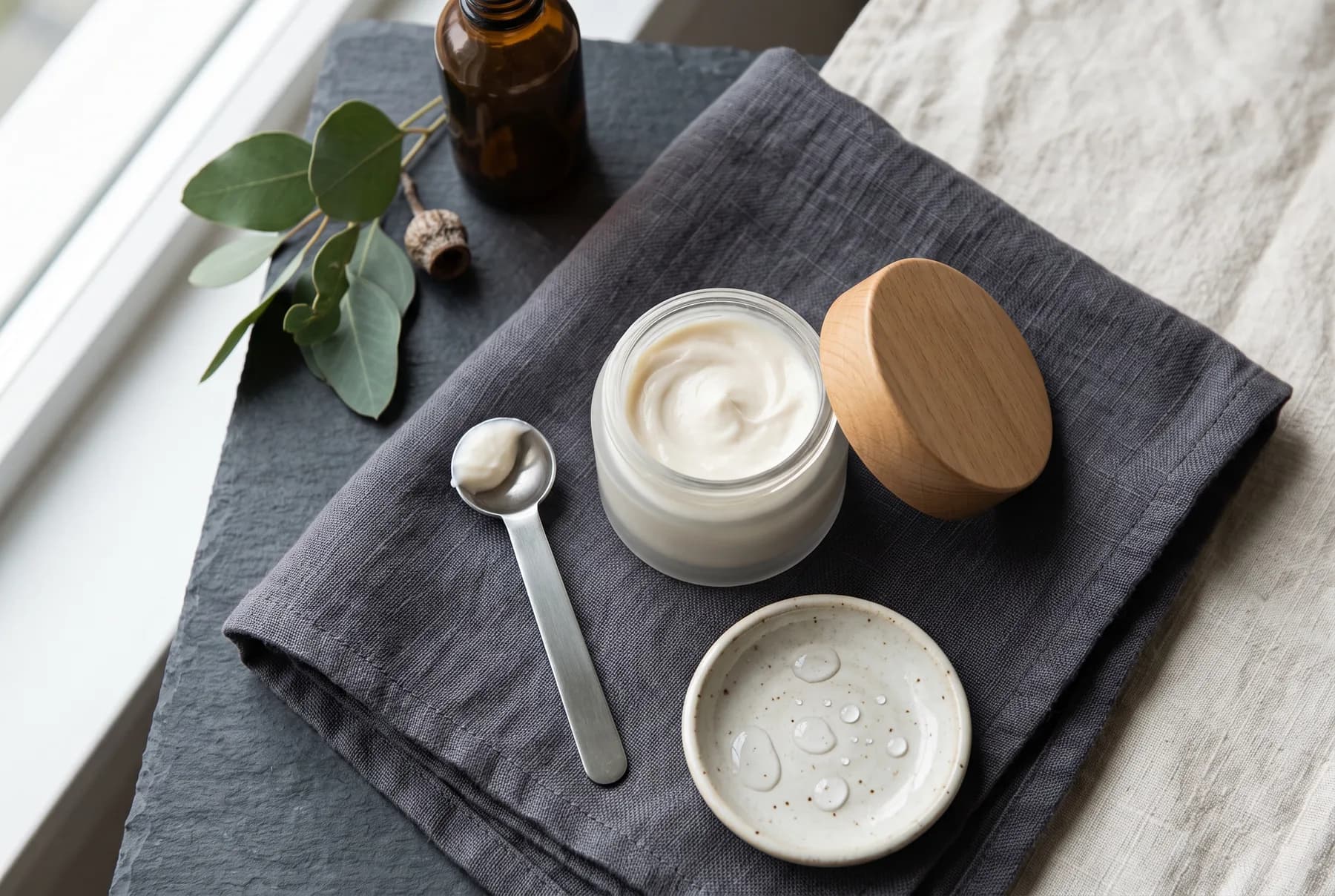
Start with the label, then assess the texture and your routine around it. A cream that seems ideal in isolation may be too much when layered under a rich sunscreen, or exactly right at night when your skin is dry from acne treatment.
Use this shortlist when comparing candidates:
- Choose a formula labeled non-comedogenic and fragrance-free when sensitivity and clogged pores are both concerns.
- Prioritize barrier-supportive ingredients such as ceramides, cholesterol, fatty acids, glycerin, and hyaluronic acid.
- Consider soothing support from niacinamide or panthenol, but avoid assuming that a longer ingredient list is better.
- Match weight to the driest part of your face and the season: lotion-like creams work for many daytime routines, while balms can be useful in small, targeted amounts.
- Scan for known personal triggers, including fragrance or menthol, rather than relying on a product’s marketing category alone.
The ceramide-cholesterol-fatty acid combination is especially compelling as a barrier-minded direction because these lipids relate to the skin barrier’s structure. You do not need to turn your bathroom shelf into a chemistry lab; the point is to choose a moisturizer designed to replenish comfort rather than one built around a sensorial scent or a dramatic finish.
Texture deserves equal billing. A gel-cream can feel elegant but may not provide enough cushion for visible flaking. A dense balm can be welcome over irritated patches but can be too occlusive for some people when used generously over acne-prone areas. A classic cream—soft, spreadable, and neither watery nor waxy—is often the most flexible starting point.
The two-question texture test
Before buying or committing to a full-face application, ask:
- Does this leave my skin comfortable for several hours, or am I immediately tempted to add another layer?
- Does the finish become noticeably heavy once sunscreen, makeup, or nighttime treatment enters the routine?
- Can I apply a smaller amount to the T-zone and a more generous layer to dry areas without pilling or discomfort?
There is no universal “safe” texture for acne. The goal is a finish that supports your skin without making routine adherence, layering, or your own congestion pattern harder to manage.
Three moisturizer options to compare
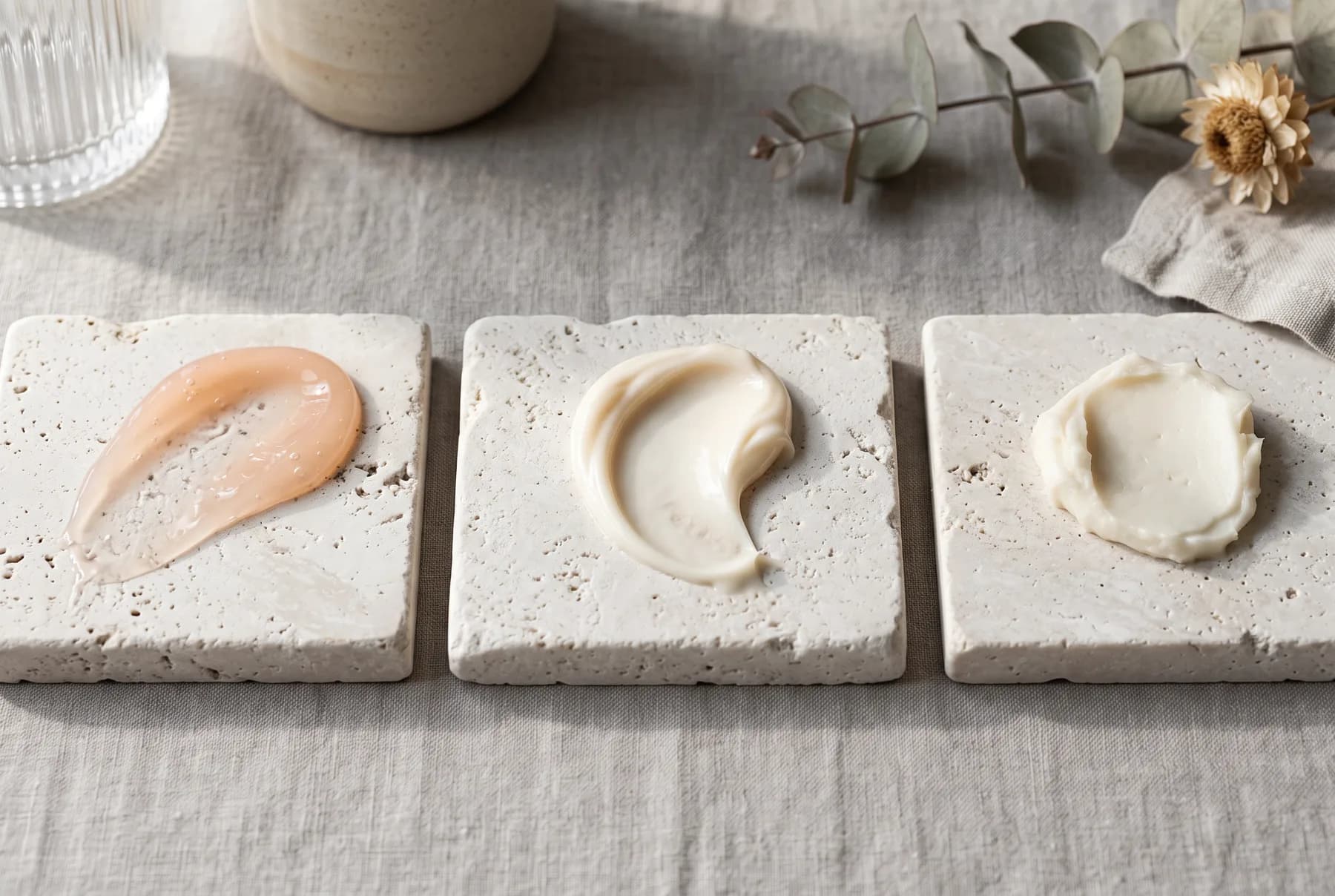
The following products are useful reference points because they map to distinct barrier-supportive approaches. They are not interchangeable, and product availability, reformulations, and individual sensitivities make it worth checking the current package and ingredient list before purchasing.
| Product | Formula direction | Texture and routine fit | Best considered for | Main tradeoff |
|---|---|---|---|---|
| CeraVe Moisturizing Cream | Ceramides plus hyaluronic acid | A traditional cream format that can suit face or body use | Persistent dryness and a straightforward barrier-focused routine | May feel more substantial than some people want in the daytime |
| La Roche-Posay Cicaplast Baume B5 | Barrier-repair balm approach | Denser, more protective-feeling balm texture | Targeted dry, uncomfortable areas or a more cushioning final layer | A full-face, generous layer may be too heavy for some congestion-prone skin |
| EltaMD PM Therapy Moisturizer | Non-comedogenic repair-cream approach | A face-focused PM moisturizer format | Those looking for a nighttime barrier-supportive cream | May not provide enough richness for very dry skin in cold, dry conditions |
CeraVe Moisturizing Cream
CeraVe Moisturizing Cream is the practical, classic-cream option in this group. The brand highlights ceramides and hyaluronic acid, making it an easy formula to consider if your priority is replenishing a dry-feeling barrier without chasing a specialty texture.
Its format is the appeal: this is for the person who wants a no-fuss cream that can pull duty when cheeks feel tight or the whole face needs more comfort. If you are highly prone to congestion, introduce it with a thin layer and watch how your skin responds before using it as a thick overnight mask.
La Roche-Posay Cicaplast Baume B5
La Roche-Posay Cicaplast Baume B5 sits at the more protective end of the spectrum. Its balm format makes sense when dryness feels concentrated—around the mouth, along the cheeks, or in spots made tender by a simplified routine—rather than when you want a barely-there daytime finish.
Consider targeted placement first. That method lets dry zones receive a more cushioning layer while you keep a lighter hand on areas where you are most likely to develop closed comedones. It is a format choice, not an acne treatment.
EltaMD PM Therapy Moisturizer
EltaMD PM Therapy Moisturizer is positioned as a non-comedogenic repair cream for evening use. The nighttime framing is useful for anyone who prefers a more comfortable cream after cleansing but does not want to add another dense balm layer before bed.
For dry, sensitive, acne-prone skin, a PM-specific cream can be an elegant middle ground: more replenishing than a light gel, yet potentially easier to layer than a very occlusive product. If your skin is exceptionally dry, you may still prefer a richer texture on the driest areas.
A low-friction routine for a stressed barrier
When your face feels dry and reactive, restraint is part of the strategy. This is not the moment to stack multiple leave-on acids, scrubs, and new acne products around a new moisturizer. Give one moisturizer a fair, calm introduction while keeping the rest of the routine recognizable.
Morning
- Cleanse gently if you need to, or rinse with lukewarm water if that is what your skin tolerates best.
- Apply a thin layer of moisturizer to slightly damp skin, using a little more on dry cheeks and less on congestion-prone areas.
- Finish with sunscreen that layers comfortably over the cream; pilling is a sign to reduce the amount or let the moisturizer settle before the next step.
Evening
- Remove makeup and sunscreen with a gentle cleansing approach, avoiding a squeaky-clean finish.
- Apply any existing acne treatment exactly as directed by your clinician or its instructions; do not add a new treatment simply because the skin feels dry.
- Follow with moisturizer, using a medium cream across the face or a targeted balm layer only where dryness is pronounced.
- Keep the routine steady long enough to notice comfort, flaking, and congestion patterns without changing several variables at once.
This approach makes troubleshooting possible. If a new product seems to correlate with stinging, more bumps, or unusual congestion, stop it and return to the simplest routine that your skin has handled well. When introducing a new moisturizer, patch testing and gradual use can be useful for sensitive skin.
When moisturizer is not enough
A good moisturizer can support a stressed barrier, but it cannot replace acne care when breakouts are persistent, painful, or leaving marks. Nodular or inflammatory acne deserves a dermatologist’s input, particularly when over-the-counter routines have become a cycle of irritation and disappointment.
Make an appointment sooner if you notice any of the following:
- Deep, painful nodules or cyst-like breakouts.
- Acne that is scarring or leaving persistent dark marks.
- Worsening irritation, burning, swelling, or a rash-like response after skincare use.
- Breakouts that persist despite a simplified routine and a thoughtful acne plan.
A dermatologist can help separate the question of barrier support from the question of active acne management. Bring your current products, or clear photos of ingredient lists, so the conversation can focus on what is actually touching your skin and how often.
Related reading
- Signs of a Damaged Skin Barrier: Clear Checklist
- Best Face Wash for Sensitive Skin: Gentle Guide
- Best Serum for Acne Scars: Choose by Mark Type
Frequently asked questions
Is a cream moisturizer too heavy for acne-prone skin?
Not necessarily. A cream can be a strong fit for dry acne-prone skin when it is non-comedogenic, comfortable on your skin, and applied in an amount that suits each area of the face. The issue is often an overly occlusive layer or a formula your skin does not personally tolerate—not cream texture alone.
Should I skip moisturizer when I have active breakouts?
Usually, no. Dryness and sensitivity can make an acne routine harder to sustain. A gentle, barrier-supportive moisturizer may help your skin feel more comfortable, though it will not treat inflammatory acne by itself.
Can I use a balm on acne-prone skin?
You can consider using a balm selectively on very dry areas. Because thicker occlusives may exacerbate closed comedones for some people, avoid assuming a dense balm needs to be applied heavily over the entire face.
What should I avoid in a moisturizer for sensitive, acne-prone skin?
Fragrance and menthol are sensible ingredients to avoid when they are personal irritation triggers. Also be cautious with formulas that leave your skin feeling coated or seem to coincide with repeated closed comedones.
Sources
- American Academy of Dermatology
- CeraVe product information
- La Roche-Posay Cicaplast guidance
- EltaMD
Clear guidance, checked before publication.
Solvi articles are structured by our editorial team and reviewed for clarity, consistency, and responsible health language. We update pages when guidance or product information changes.

Maya Bennett
Senior Beauty Editor. Maya is the skincare obsessive who turns big beauty questions into clear, grounded guidance. She is especially interested in routines that respect real skin, real schedules, and realistic budgets.