La Roche‐Posay sensitive skin products: a practical guide


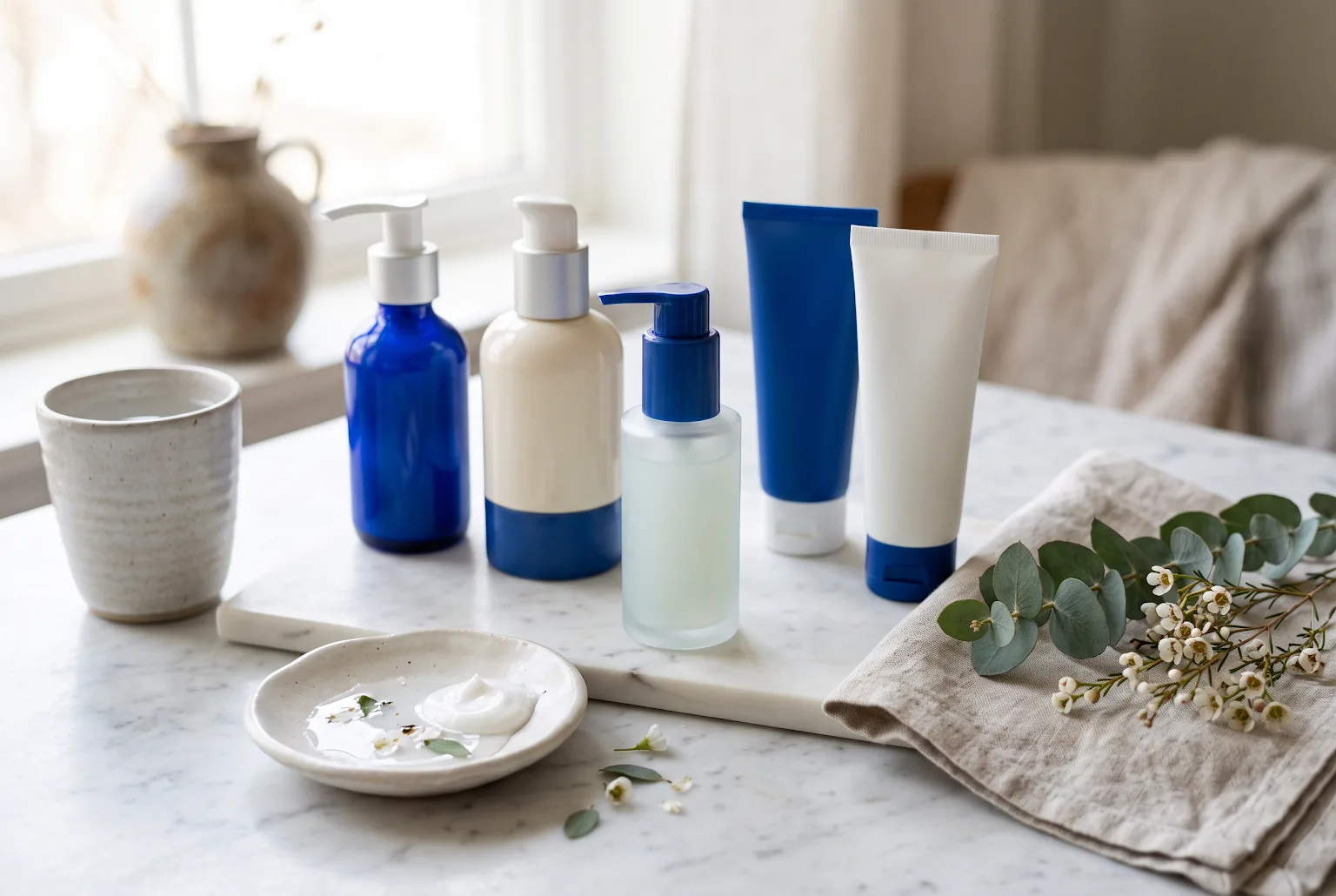
La Roche‐Posay’s sensitive-skin focus centers on two pillars: the fragrance-free, barrier-first Toleriane line and the reparative Cicaplast balms — complemented by Anthelios sunscreens and select serums like a vitamin C formulation designed for calmer skin. Many clinicians and retailers position the brand as dermatologist-partnered and broadly available, but tolerability varies; patch-test new SKUs and skip fragranced variants if you flare easily.
How La Roche‐Posay positions sensitive‐skin care
La Roche‐Posay frames its sensitive-skin offering around two practical promises: simplified formulas that limit potential irritants, and actives that help the skin barrier recover. That positioning shows up in product architecture: Toleriane covers cleansing through daily moisturizing with glycerin, ceramide-friendly base ingredients, and panthenol (B5) for soothing. Cicaplast is marketed as a richer, multi-purpose balm for localized repair. The Anthelios line provides mineral and chemical daily sunscreens in lightweight textures to slot into a sensitive routine.
This is a commercial, not clinical, positioning — meaning the brand emphasizes dermatologist partnership in communications rather than publishing new clinical trials for every SKU. For shoppers, the takeaway is procedural: look for fragrance-free, short-ingredient-lists, and barrier-supporting actives when considering any La Roche‐Posay purchase. If you use active ingredients like niacinamide or vitamin C, introduce them slowly and patch test, since some very reactive skin types still respond poorly.
Toleriane and Cicaplast: what each line actually does
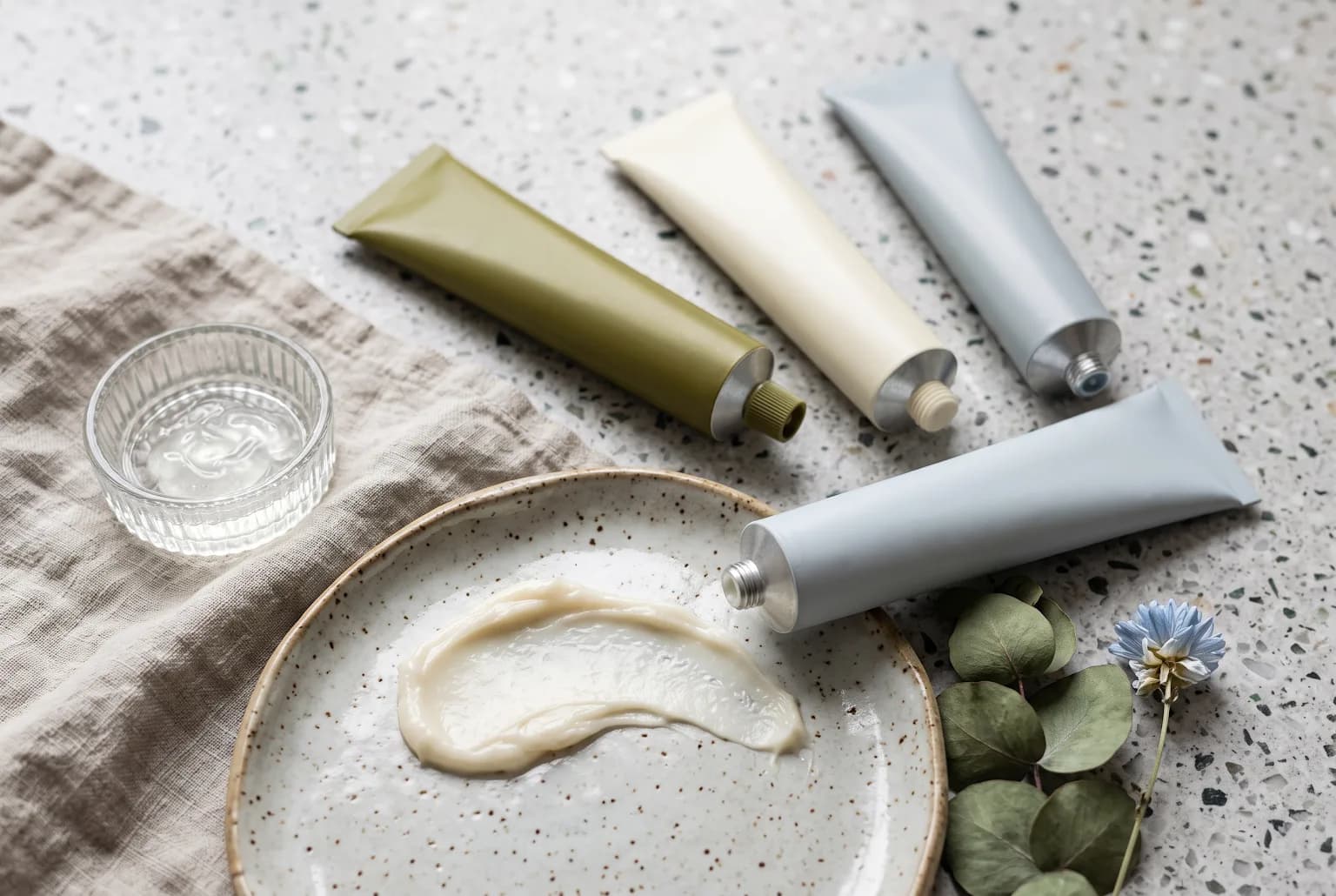
Toleriane is the brand’s day-to-day sensitive-skin backbone: lightweight cleansers, lotion-to-cream moisturizers, and gel-cream textures that prioritize humectants (like glycerin) and barrier lipids. These are generally presented as fragrance-free and formulated to minimize unnecessary extras such as heavy botanicals. Expect mild surfactants in the cleansers and emollient-leaning moisturizers suited to normal-to-dry or combination-with-sensitivity skin profiles.
Cicaplast is focused territory: thicker, occlusive balms with panthenol and soothing agents intended for targeted barrier repair — think chapped areas, post-procedure dryness, or patches where moisture is lost. It’s the texture and use-case that distinguish it: not a daily face moisturizer for everyone, but a repair tool to layer or spot-apply when the barrier needs help.
These roles mean product selection hinges on how reactive your skin is. Someone with intermittent dryness and occasional irritation will likely rely on Toleriane cleansers and a light Toleriane moisturizer; someone with chronic barrier compromise may add Cicaplast as an overnight repair or spot balm.
How to choose a cleanser, moisturizer, and balm for your sensitivity profile
Start by matching texture to tolerance. If your skin flushes or stings easily, opt for non-foaming, cream or lotion cleansers that use gentle surfactants. For daytime hydration, a lightweight, glycerin-rich Toleriane moisturizer often balances moisture without heavy occlusion. Reserve Cicaplast balsams for focal repair: apply thin layers to dry patches rather than the whole face if you’re acne-prone.
Decision criteria checklist:
| Product role | La Roche‐Posay examples | When to choose it |
|---|---|---|
| Cleanser | Toleriane Hydrating Cleanser | Reactive skin that dislikes foaming or fragrance |
| Daily moisturizer | Toleriane Double Repair Moisturizer | Daily hydration, barrier support, non-greasy finish |
| Repair balm | Cicaplast Baume B5 | Localized barrier repair, post-irritation care |
| Sunscreen | Anthelios mineral/chemical SPFs | Daily UV protection formulated for sensitive types |
| Serum | Pure Vitamin C 10% | If your skin tolerates low-concentration vitamin C; patch test |
Use this table as a practical shopping shorthand: you don’t need every SKU, but you do want a gentle cleanser, a daily moisturizer, a repair balm for flare-ups, and a sunscreen appropriate for your tolerance.
Sunscreens and serums: Anthelios and vitamin C for sensitive skin
Anthelios sunscreens are offered across mineral and chemical formulations intended for daily use, and the brand positions these as compatible with sensitive skin when you choose fragrance-free options. Texture matters: fluid Anthelios formulas are easier to layer under makeup, while mineral variants can be slightly matte or leave a faint cast depending on tinting.
For serums, La Roche‐Posay markets a lower-strength vitamin C (Pure Vitamin C 10%) targeted at sensitive types. That concentration is a tradeoff: it aims to provide antioxidant benefit while reducing the irritation risk associated with higher-strength vitamin C. Still, any active should be introduced slowly; start once or twice weekly and build frequency as tolerated. If you’re integrating vitamin C, pick a routine order: cleanse, vitamin C (if tolerated), moisturizer, then sunscreen in the morning.
If your skin is rosacea-prone or chronically reactive, consider skipping vitamin C until the barrier is stable and consult a clinician for tailored active recommendations.
Texture, layering, and tradeoffs: choosing between gel, cream, and balm
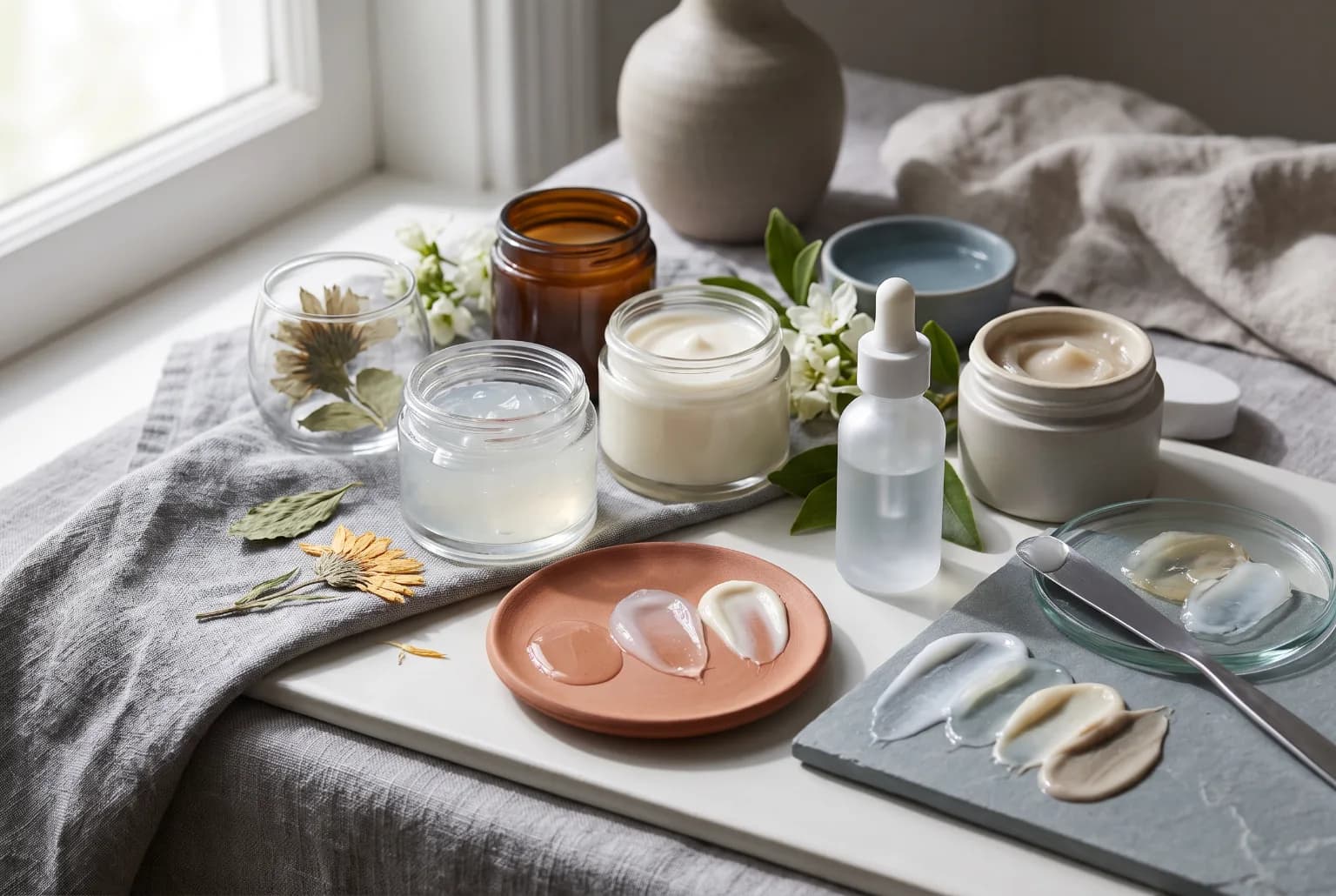
Texture dictates both comfort and function. Gel-creams sit well for combination skin and humid climates: they hydrate without heavy occlusion. Rich creams deliver longer-lasting occlusion and are useful in cold weather or for drier complexions. Balms like Cicaplast are deliberately occlusive and most useful sparingly on specific areas.
A short decision list to match product format to need:
- Choose a lightweight gel-cream if you need quick absorption and low shine.
- Choose a cream if your skin is consistently dry or you live in a dry climate.
- Choose a balm for repair, post-procedure care, or when other moisturizers aren’t enough.
Tradeoffs are practical: creams can feel heavy under makeup, gels may not be moisturizing enough for severe barrier loss, and balms can exacerbate acne if used across the T-zone. Layering rules: apply thinnest-to-thickest, and allow each layer to absorb. If you layer actives such as niacinamide or vitamin C with a Toleriane moisturizer, watch for pilling; textures that sit well together tend to share similar bases (both silicone-lean or both water-glycerin-based).
Shopping, label-reading, and patch-testing in plain terms
When shopping for La Roche‐Posay sensitive-skin products, prioritize fragrance-free SKUs and short ingredient lists that include humectants (glycerin), barrier lipids (ceramide-like ingredients), and panthenol (B5). Avoid products that list parfum, essential oils, or multiple heavy botanical extracts near the top if you flare easily. The brand often highlights thermal spring water in marketing; treat that as a soothing claim rather than a guaranteed cure.
Patch-testing is a must for reactive profiles: apply a small amount to the inner forearm or behind the ear for 48–72 hours, checking for redness, itching, or stinging. Introduce one new product at a time, and allow 1–2 weeks between additions so you can isolate causes of irritation. If you are using other active ingredients (retinoids, chemical exfoliants), space them apart from new serums or vitamin C to reduce cumulative irritation.
Who should see a dermatologist and when to avoid OTC options
La Roche‐Posay provides a robust over-the-counter toolkit for many sensitive-skin concerns, but there are clear limits. Seek a dermatologist if you have intense or spreading dermatitis, persistent rosacea flares despite gentle care, severe acne that worsens with occlusives, or open/cracked skin that doesn’t improve with a repair balm. OTC balms can be helpful for short-term repair, but they aren’t a substitute for prescription anti-inflammatory or anti-microbial therapy when conditions are severe.
Practical decision examples: if you experience brief irritation after trying a new foundation, stop the product and treat the affected area with Cicaplast as a short-term repair balm. If your entire face becomes chronically red and itchy, avoid further OTC experimentation and schedule a clinical visit.
Frequently Asked Questions
Is La Roche‐Posay good for very sensitive skin?
La Roche‐Posay’s Toleriane and Cicaplast lines are specifically formulated for sensitive skin and often recommended for people seeking fragrance-free, simplified routines. That said, "very sensitive" or reactive skin can still react to certain actives or formulations; always patch-test and introduce one product at a time.
Which La Roche‐Posay moisturizer is best for sensitive skin?
Many people with sensitive skin start with Toleriane Double Repair Moisturizer because it focuses on humectants and barrier-supporting ingredients without heavy fragrance. If you need extra occlusion in dry patches, Cicaplast Baume B5 functions as a targeted repair balm rather than a daily face cream.
Can I use Anthelios sunscreens if my skin is reactive?
Anthelios offers both mineral and chemical options formulated with sensitive skin in mind; choose fragrance-free variants and test the texture on your face. Mineral formulas can be less irritating for some, while fluid chemical formulas tend to layer better under makeup.
How should I introduce vitamin C from La Roche‐Posay into a sensitive routine?
Start with the lower concentration Pure Vitamin C 10% product, applying it once or twice weekly at first. Monitor for stinging or redness, and increase frequency gradually. If irritation appears, reduce use or pause and consult a clinician if needed.
Related Reading
- A minimalist guide to skin care products for sensitive skin
- The best diapers for sensitive skin: a lab-minded buyer’s guide
- Best electric shaver for sensitive skin: choose foil, rotary, or adjustable settings
Sources
- La Roche‐Posay — Sensitive skin product pages and ranges (https://www.laroche-posay.us/our-products/skin-concern/sensitive-skin?geo=false)
- Allure — Best La Roche‐Posay products for sensitive skin (editor picks) (https://www.allure.com/story/best-la-roche-posay-products)
- Target — Retailer product listings/examples (Target) (https://www.target.com/c/beauty-personal-care-best-sellers/la-roche-posay/-/N-uve8tZ55yws)
Related reading: , , ,
Clear guidance, checked before publication.
Solvi articles are structured by our editorial team and reviewed for clarity, consistency, and responsible health language. We update pages when guidance or product information changes.

Amara Lewis
Sensitive Skin Writer. Amara is fascinated by calm, barrier-first skincare and the small details that make a routine easier to tolerate. She favors thoughtful formulas, slow introductions, and less guesswork.


