Eye Creams for Mature Skin: A Smarter Way to Choose Your Formula


Eye creams for mature skin are most useful when you choose them by concern: a gentle retinoid for the look of fine lines at night, humectants and barrier-supporting ingredients for dryness, and lightweight caffeine or antioxidant formulas for morning use. No jar can erase structural changes around the eyes, but the right formula and routine can make the area feel more comfortable and look smoother, more hydrated, or less puffy.
The shopping trap is treating every eye cream as interchangeable. Mature skin around the eyes often needs more comfort and less friction, yet dark circles, crepiness, puffiness, and makeup creasing call for different formats. Think of an eye cream as a targeted finishing layer—not a miracle in a tiny pot.
Choose by concern, not by age
“Mature” is a useful shopping shorthand, but it is not a skin concern. Start with the change you notice most often in the mirror, then choose an active and texture that fit that issue. This avoids paying for an overloaded formula whose ingredients compete with your tolerance.
| If your main concern is... | Look for | Best-feeling format | The tradeoff to know |
|---|---|---|---|
| Fine lines and uneven texture | Retinol or retinaldehyde in a gentle eye-area formula; peptides | Cream or lotion for nighttime | Retinoids can sting or cause dryness if introduced too quickly |
| Tightness, crepiness, makeup catching | Hyaluronic acid, ceramides, glycerin, and a light occlusive | Cushioning cream or balm | Very rich textures may make concealer shift on some skin |
| Dull-looking dark circles | Vitamin C derivative, niacinamide, peptides, and hydration | Lightweight cream or serum | Topicals cannot change every cause of under-eye darkness |
| Morning puffiness | Caffeine in a fast-absorbing formula | Cooling gel or thin fluid | The effect is typically temporary and cosmetic |
A thoughtful formula can support the appearance of smoother skin, especially when dehydration is magnifying fine lines. But hollowing, pronounced laxity, and deeply set wrinkles are not problems an over-the-counter cream can reliably correct. That distinction matters when you are weighing a prestige price against what a formula is realistically positioned to do.
For lines that look sharper by evening
A nighttime retinoid eye cream is the most logical category to consider if textural change is your primary goal. Retinoids are well-known cosmetic actives, but the eye contour is less forgiving than the cheeks or forehead. A formula designed for this area, paired with a conservative schedule, is usually a better bet than bringing a strong face retinoid too close to the eye.
For under-eyes that feel thin and dry
Choose hydration first. Hyaluronic acid and glycerin attract water; ceramides help support the skin barrier; a modest amount of emollient or occlusive material helps reduce the parched, papery feeling that can make concealer look rough. If your concern is primarily comfort and makeup performance, this category may offer the clearest day-to-day payoff.
For circles that read as shadow or fatigue
An antioxidant or peptide eye cream can be a sensible daytime option, particularly if its texture layers cleanly under sunscreen and makeup. Still, circles can relate to pigment, visible vessels, facial anatomy, or shadowing, so topical results vary. Pick a brightening formula for its supportive role, not as a promise of a total color correction.
For puffy mornings
A caffeine gel is a practical, temporary-finish product: thin, quick to dry down, and easy to pat over the orbital bone before makeup. It is especially appealing if you dislike a greasy feel or tend to use richer products at night. Keep expectations centered on a fresher-looking morning, not a permanent change.
Texture is part of the treatment plan
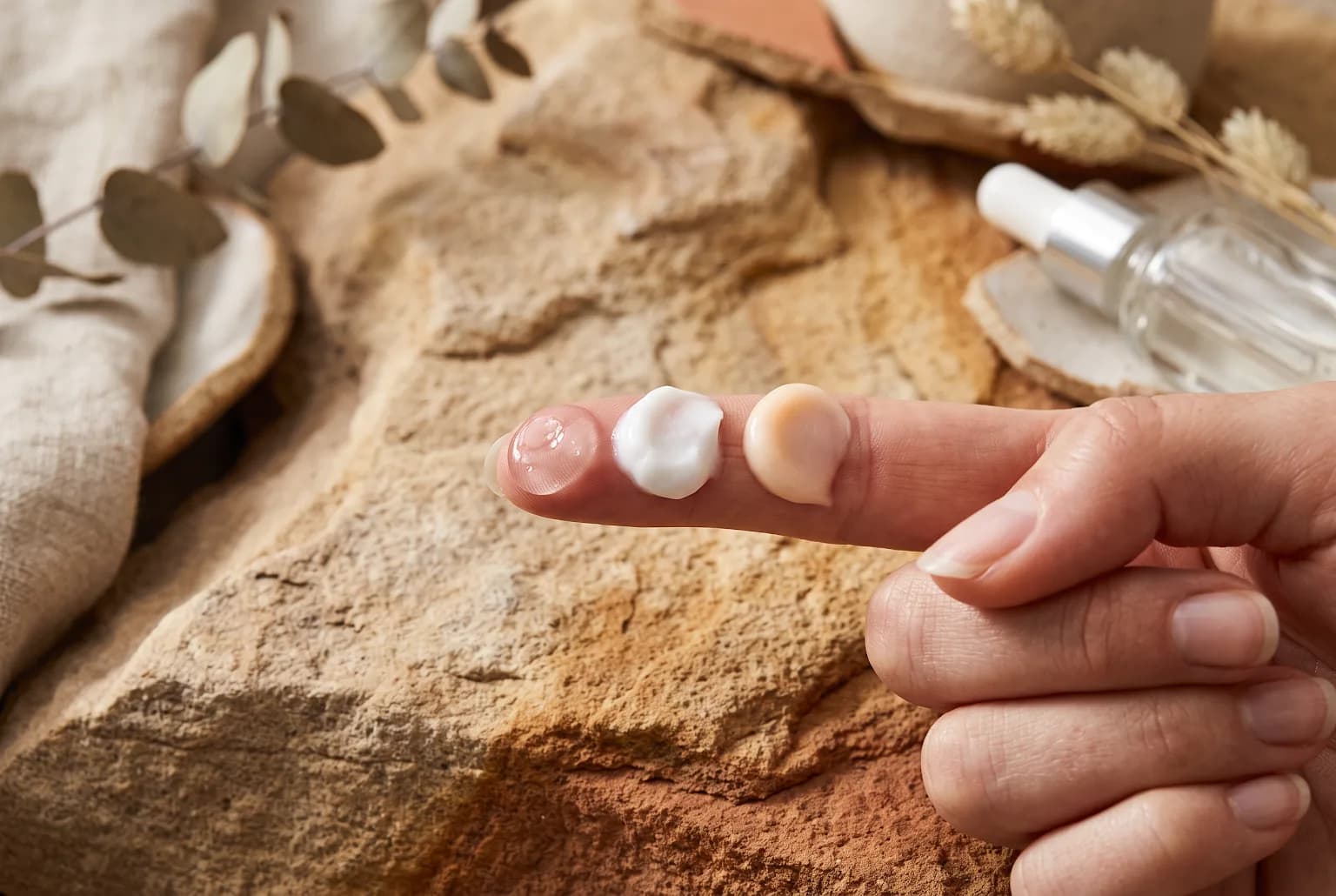
The best moisturizing eye cream for mature skin is not automatically the richest one. A dense balm can be welcome on dry, non-puffy under-eyes at night, while a featherweight gel may be the more elegant daytime answer for someone who wears concealer. The formula’s slip, set time, and compatibility with the rest of your routine are as important as its headline active.
Use this quick format guide before you buy:
- Water-light gel: Best for puffiness, humid climates, and people who prefer an almost weightless finish. It generally layers well beneath makeup, but may not satisfy very dry skin on its own.
- Serum-fluid: A good middle ground for antioxidant and peptide formulas. Look for one that does not pill when followed by sunscreen or primer.
- Cream: The versatile choice for dryness and fine lines made more obvious by dehydration. A soft, cushiony cream suits many nighttime routines and some daytime routines.
- Balm: Best reserved for pronounced dryness or a protective last step at night. Its richer film can be too emollient for concealer or for eyes prone to milia-like bumps.
The eyelid question
Not every under-eye cream is intended for the upper lid. Read the package directions rather than assuming an eye-safe formula belongs everywhere around the eye. When a product is not designated for lids, apply it around the orbital bone and let normal movement distribute only a minimal amount.
Eye primer versus eye cream
An eye cream solves a skin-comfort question; an eye primer solves a makeup-grip question. If shadow creases on mature lids, let your eye cream settle fully, then use a thin dedicated eyelid primer only where makeup will go. A rich eye balm immediately under eyeshadow often creates the very slipping it was meant to prevent.
Read the ingredient list with a clear brief
You do not need a ten-step ingredient analysis. You do need to know whether the lead ingredients align with your priority and whether the product asks your eye area to handle too much at once. The evidence base for over-the-counter eye creams is uneven, so favor a coherent formula over an extravagant list of trendy additions.
Retinoids for a night-focused routine
Retinol and retinaldehyde are vitamin A derivatives commonly used to address the appearance of photoaging and texture. For eye use, a product that identifies the retinoid and gives clear usage directions is more useful than vague “renewing” language. If your skin is reactive, begin with a non-retinoid moisturizing eye cream and add a retinoid formula only after your baseline routine feels comfortable.
Peptides and antioxidants for daytime polish
Peptides are often included in formulas positioned around firmness and lines, while vitamin C derivatives and niacinamide are common choices for brightening-focused daytime products. These can make sense for mature skin, but the finished formula still has to wear well under sunscreen. A cream that pills is not a practical AM investment, no matter how impressive its ingredient story sounds.
Humectants, ceramides, and the comfort layer
Hyaluronic acid is a humectant, meaning it helps bind water, while ceramides are associated with barrier support. In a well-balanced cream, these ingredients can give the eye contour a more supple, less tight look. They are particularly useful when the area becomes dry from weather, cleansing, or a stronger active elsewhere in your routine.
A simple AM/PM plan for mature eyes
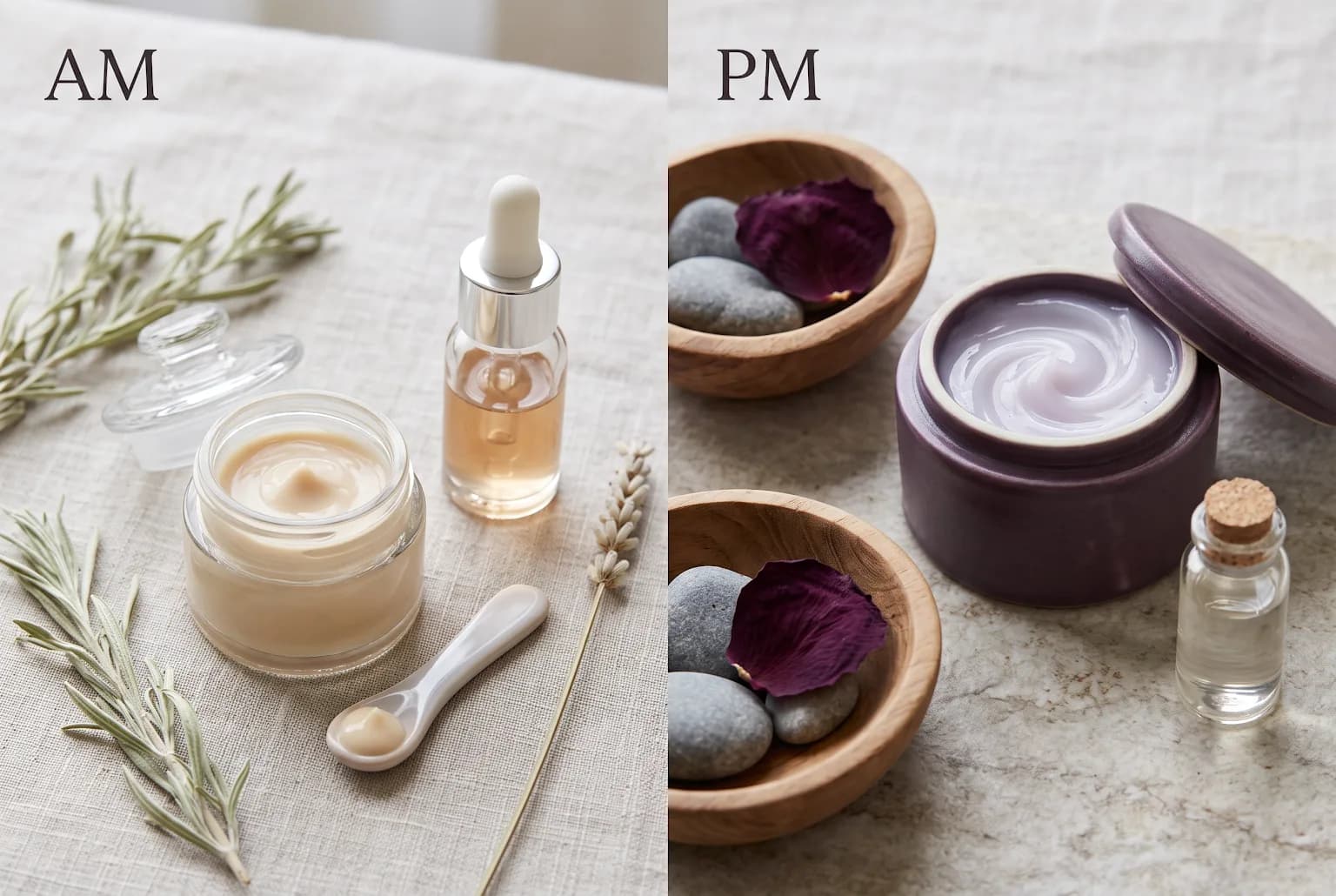
Keeping eye care streamlined is a form of sensitivity management. The more frequently you layer exfoliants, retinoids, strong antioxidants, and fragranced products around the eyes, the harder it becomes to identify what is causing discomfort. Build around one targeted treatment and one dependable moisturizing option.
Morning
- Cleanse gently, or rinse if that is what your skin tolerates best.
- Pat on a small amount of a caffeine gel, peptide fluid, antioxidant cream, or simple hydrating eye cream—choose one based on your concern.
- Follow with facial moisturizer as needed, then broad-spectrum sunscreen applied carefully according to its directions; allow skincare to settle before makeup.
- If you use eye makeup, apply a minimal layer of eyelid primer only after the eye product has set.
Evening
- Remove makeup without rubbing, then cleanse with a formula your eye area tolerates.
- On selected nights, pat on a small amount of retinoid eye product around—not directly at—the lash line, following the product’s directions.
- On non-retinoid nights, use a hydrating cream with humectants, ceramides, and emollients.
- If you need extra comfort, press a tiny amount of a richer balm over the dry outer orbital area rather than stacking multiple active treatments.
How much to use
Use less than you think: roughly a rice-grain amount per eye is a practical starting point for many formulas. Dot the product along the orbital bone and tap it in with your ring finger; avoid dragging the skin. If it travels into your eyes, causes watering, or leaves a tacky layer that rolls under makeup, reduce the amount before assuming the product is wrong.
How to shop the shelf without overpaying
Premium packaging does not equal superior performance, and an inexpensive basic moisturizer can be more useful than a complicated eye formula that irritates you. Value comes from a stable, tolerable formula that you will use consistently, clear directions, and a finish that works within your routine.
Before committing, check these practical criteria:
- Packaging: Retinoid and antioxidant formulas are better protected in opaque, air-restrictive packaging than in a frequently opened clear jar.
- Directions: Favor products that state where and how often to apply them, especially with retinoids.
- Fragrance tolerance: If your eye area reacts easily, a fragrance-free option can simplify the equation.
- Routine overlap: Do not pay twice for the same active if your serum or moisturizer already covers your goal and is tolerated near the eye area.
- Cost per use: A small tube can last if the dose is truly tiny; calculate based on the instructed amount, not just container size.
Consider patch testing a new product on a small area as directed by the brand, and introduce one new eye product at a time. Stop using a product if it causes persistent burning, redness, swelling, or eye discomfort, and seek guidance from an appropriate health professional for ongoing symptoms.
Common mistakes that make eye cream feel ineffective
Eye creams can be disappointing for ordinary reasons: too much product, a formula that is too rich for daytime makeup, or an active introduced too quickly. A better technique often improves the experience without requiring a more expensive purchase.
- Applying the cream directly against the lashes, where it can migrate into the eye.
- Using a retinoid eye product every night from day one instead of gradually building tolerance according to directions.
- Layering a retinoid, exfoliating acid, and strong treatment serum around the same small area.
- Expecting a topical to resolve anatomy-driven shadowing, significant laxity, or very deep etched lines.
- Treating any tingling as proof that a product is working rather than as a possible sign to pause.
If you are looking for the best eye moisturizer for mature skin rather than a corrective treatment, a simple ceramide-and-humectant cream may be the most rational first purchase. It provides a baseline of comfort, makes it easier to judge whether you truly need a separate active, and is less likely to complicate the rest of your regimen.
Related reading
- Best Eye Cream for Dry Skin and Wrinkles
- Eye Treatments for Fine Lines: What Works
- Best Moisturizers for Mature Skin: Formula Guide
Frequently asked questions
Do I need a separate eye cream if I already use a face moisturizer?
Not always. A face moisturizer that is well tolerated around the eye contour may be enough for dryness, while a separate eye product is most compelling when you want a specific texture or active such as caffeine or a gentle retinoid.
What is the best daytime eye cream for mature skin?
Choose based on finish: a peptide or antioxidant fluid for a smoothing, makeup-friendly layer; a caffeine gel for temporary morning depuffing; or a ceramide cream for persistent dryness. The best one is the formula that sits comfortably beneath sunscreen and concealer.
Can retinol eye cream be used every night?
Follow the product instructions, but many people do better starting gradually rather than using a retinoid nightly immediately. If dryness or irritation develops, pause and return to a bland moisturizing formula until the area is comfortable.
Why does concealer look worse after eye cream?
Usually the layer is too thick, too rich, or not fully set. Try using less product, switching to a thinner fluid in the morning, and giving skincare time to settle before applying makeup.
Sources
- Review: eye cream ingredients evidence (peer review)
- Allure: The Best Eye Creams
- Vogue: Beauty
Clear guidance, checked before publication.
Solvi articles are structured by our editorial team and reviewed for clarity, consistency, and responsible health language. We update pages when guidance or product information changes.

Maya Bennett
Senior Beauty Editor. Maya is the skincare obsessive who turns big beauty questions into clear, grounded guidance. She is especially interested in routines that respect real skin, real schedules, and realistic budgets.