The best eye primer for mature skin: smoothing, hydrating, long-wear picks


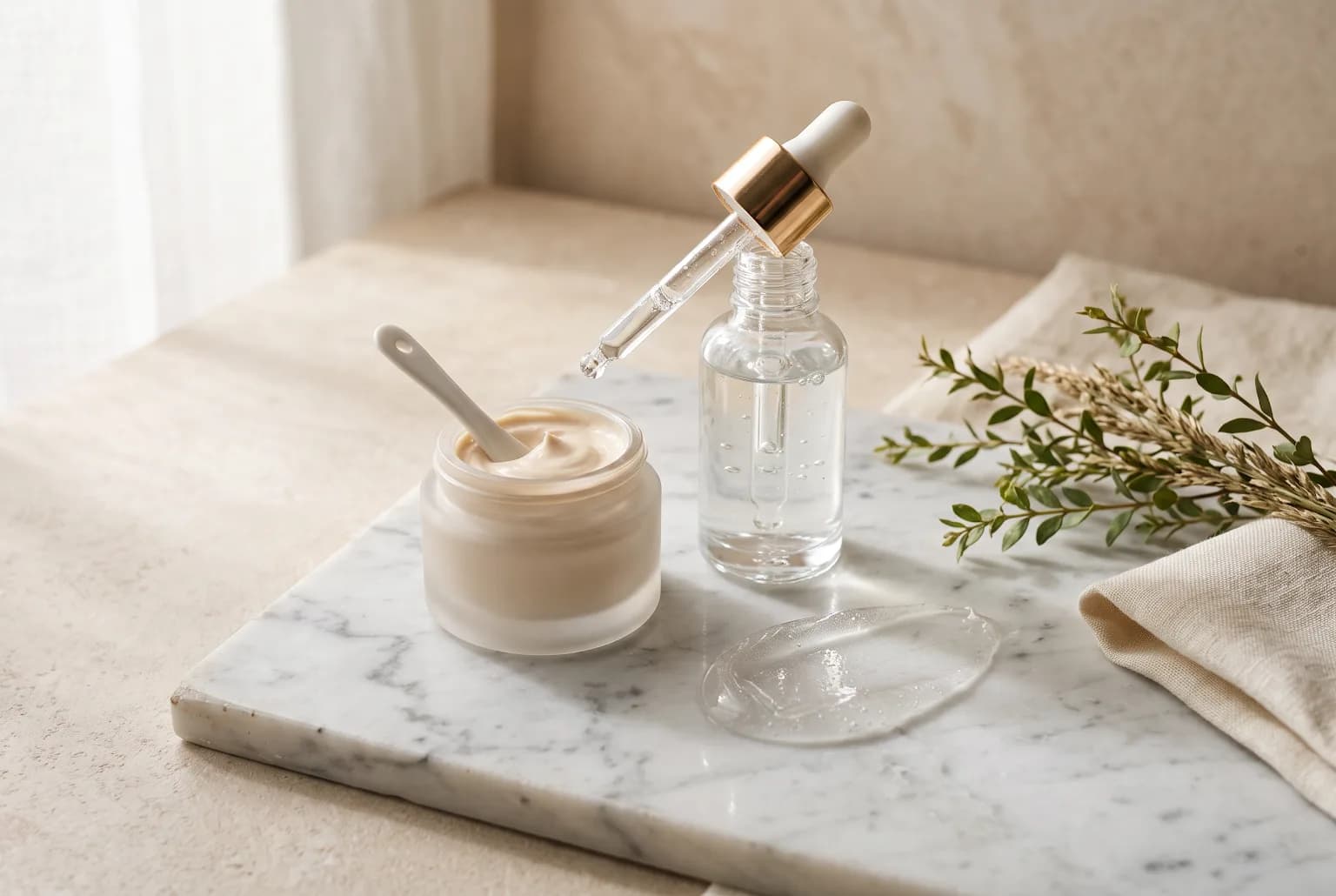
For mature eyelids, the best eye primer is a lightweight, smoothing formula that creates a thin, even film—think silicone or film‐forming polymers—with light humectants (like hyaluronic acid or peptides) to prevent a crepey finish. Prioritize a sheer matte or natural finish, anti‐crease performance with both cream and powder shadows, and always test a short wear trial with the eyeshadow you normally use.
This guide focuses on textures you should review, the tradeoffs of each format, and practical application steps so lids look blurred not stiff. I’ll also show how to evaluate longevity and how to pair primers with treatments like eye creams. The decision criteria we use are texture (does it smooth without oil?), finish (sheer matte or natural), hydration (humectants vs. heavy emollients), compatibility (with creams and powders), and anti‐crease longevity.
What to look for in a primer for mature lids
Start by checking three sensory cues on any tester or ingredient list: does it feel lightweight and film‐forming, does it contain a humectant or peptide rather than a heavy oil, and does it dry to a thin, non‐tacky finish? Silicone derivatives (dimethicone, cyclopentasiloxane) are common because they smooth microtexture without slipping; film‐formers lock shadows down; light humectants (hyaluronic acid, glycerin) add a touch of hydration without a greasy layer that encourages creasing.
Avoid primers that list heavy oils or waxes high in the INCI if your lids are thin, fragile, or especially prone to creasing. Those textures can pool in lid folds and show up as lines after a few hours. If you’re using cream shadows, check that the primer layers — some film‐forming primers create a slightly tacky base that helps powders but can make cream products pill.
Think of primers as a bridge between skincare and makeup: they should sit on top of your eye cream without mixing into an emollient layer. If you use a treatment like a peptide eye cream, wait 60–90 seconds for absorption and pat any excess before priming.
Below is a quick texture-vs-tradeoff snapshot to help you choose by lid type and desired finish.
| Texture / format | What it does best | Tradeoffs | Who it suits |
|---|---|---|---|
| Silicone‐film (thin gel) | Smooths lines, creates even base, long‐wearing for powders | Can slightly reduce slip for cream shadows; some feel silicone-y | Mature lids that need line‐blurring and powder wear |
| Sheer matte film | Blurs and reduces shine; anti‐crease for many shadows | Can feel drying if used over thin, untreated skin | Oily/combination lids or those who use powder shadows |
| Hydrating primer (peptides + HA) | Plumps crepey skin, prevents settling into lines | Less hold for powder shadows; may need a film layer on top | Thin, fragile lids; users who prefer cream shadows |
| Lightweight emollient primer | Smooths and comforts dry lids; builds an even canvas | Risk of creasing with heat/oily shadows | Very dry lids that need comfort more than long wear |
Primer formats and who they suit
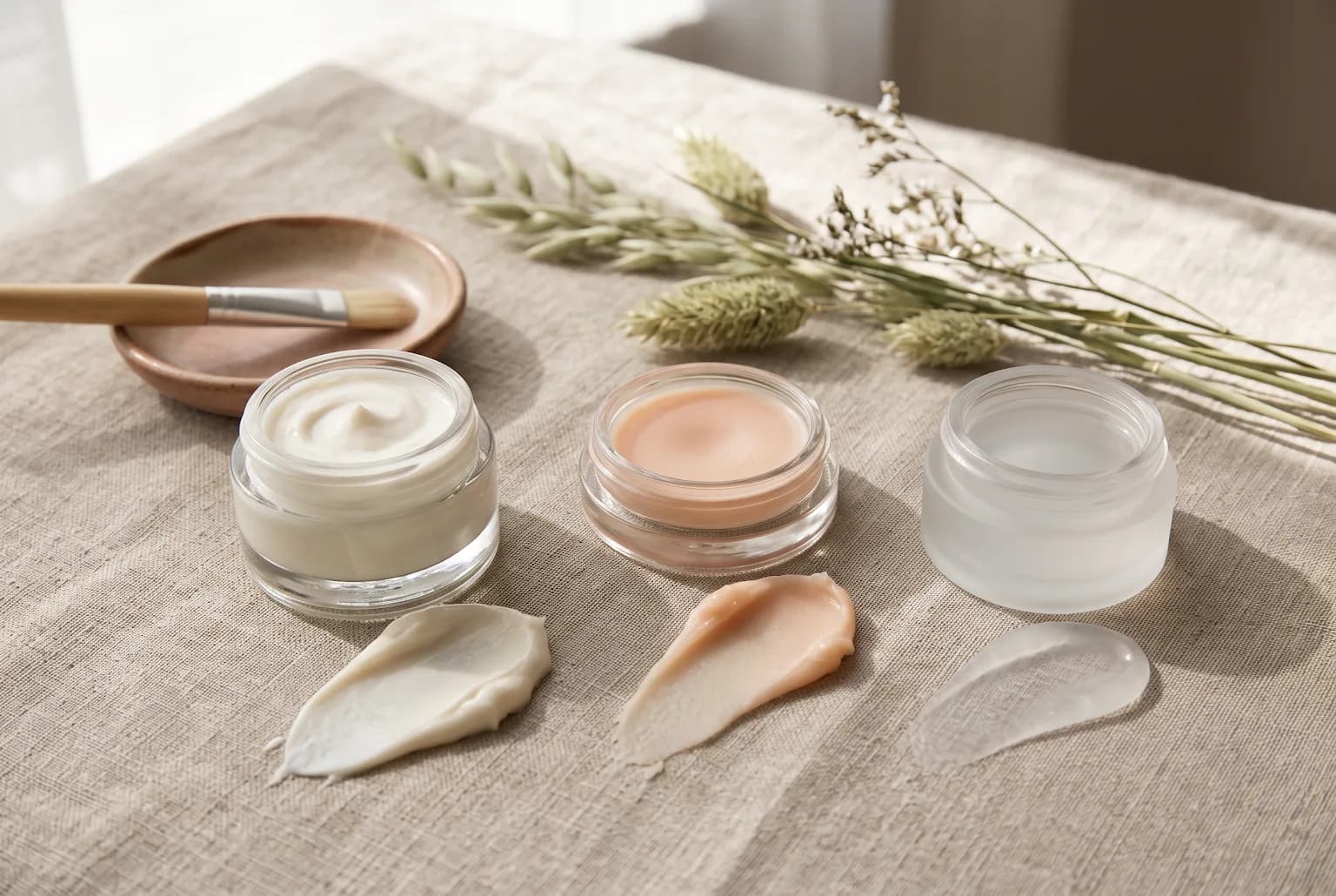
Primers come in three practical families: silicone‐dominant gels/films, hydrating peptide/HA blends, and sheer matte or veiling powders/creams. Each is optimized for a different lid condition and shadow pairing.
Silicone‐dominant gels or film‐forming serums are the easiest first choice for mature lids that crease. They spread into a thin layer that visually blurs microtexture and gives powders something to adhere to. They don’t add moisture but they cut shine and reduce shadow migration. If you rely on powder eyeshadow and want minimal transfer or creasing, this is the format to test first.
Hydrating primers with peptides or hyaluronic acid are gentler on thin, crepey lids. They sit closer to skincare—offering microplumping—so lines look less pronounced without a stiff film. The tradeoff is slightly less grip for powder shadows, so pairing them with a thin film primer or a light translucent powder can balance wear.
Sheer matte primers (often in a mousse or compact) blur and reduce surface sheen. They tend to be better for oily lids or if you consistently see shadow migration caused by lid oil. They can feel drying on very dry lids, so use them sparingly or layer them over a thin hydrating primer.
When reviewing labels and testers, focus on:
- Texture descriptors: "lightweight", "weightless", "blur", "film" — these signal non‐oily builds.
- Key actives: peptides, low‐molecular‐weight hyaluronic acid, glycerin (in small amounts) are friendly; avoid high concentrations of heavy esters for crepey lids.
- Compatibility claims: some primers explicitly state compatibility with both cream and powder shadows; these are worth a short wear test.
Consider the makeup you reach for most. If your routine is mostly cream shadows and glossier finishes, a hydrating primer with a slight tack is better. If you prefer powdered mattes and long wear, choose a silicone film primer.
How to apply and layer a primer for best results
Application technique matters as much as formula. With mature eyelids, a heavy hand will undo the benefits of a great primer. The goal is a whisper‐thin, even film that sits on top of skin texture rather than filling and pooling in folds.
General layering rules:
- Start with clean, moisturized lids. If you use an eye cream, allow it to absorb fully (60–90 seconds) and pat away any excess with a tissue.
- Take the tiniest pea‐size amount of primer on a clean fingertip—less is more. You can always add a hair more where needed.
- Press and pat the primer across the lid from inner corner to outer corner; avoid vigorous rubbing. Use a tapping motion to avoid stretching the thin lid skin.
- For silicone or film primers, wait 20–30 seconds to set to a slightly tacky, dry finish before applying shadow. For hydrating primers, allow 45–60 seconds so surface moisture won’t cause cream shadows to slip.
A simple, repeatable routine for long wear:
- Cleanse and treat: finish your skincare and let the eye cream absorb.
- Prime: a pea‐size across both lids, patted gently into an even film.
- Set if needed: very oily lids benefit from a whisper of translucent powder with a fluffy brush.
- Apply shadow: start with powder or cream base and build color. If using cream first, gently set with a matching powder to lock.
- Touch test: after 10–15 minutes, lightly press a fingertip to the outer lid—if pigment transfers, add a tiny more primer and reblend.
Those who layer a hydrating primer then a thin film primer often get the best of both worlds: the skin looks plumped and natural, while the film adds hold. The tradeoff is a slightly longer routine and a small increase in product usage.
Frequently Asked Questions
What is the best primer texture for crepey lids?
A lightweight silicone‐film primer often works best for crepey lids because it creates a thin, smoothing layer that blurs fine lines without adding oil. If your lids are very dry or sensitive, choose a hydrating peptide + HA primer and test pairing it with a thin translucent powder or a light film primer for hold.
Will a primer irritate thin, fragile eyelid skin?
Most primers are formulated for cosmetic use and are well tolerated, but thin or reactive skin can respond to silicones or fragrances. Patch test on a discreet area (inner wrist or behind the ear) and choose fragrance‐free, ophthalmologist‐tested labels when in doubt. If irritation occurs, discontinue use and consult a dermatologist.
Can I use a primer over my eye cream?
Yes—apply eye cream first, allow it to absorb fully (about 60–90 seconds), then pat away any excess before priming. A thin layer of primer on top prevents interaction between the emollients in your cream and pigments in your shadow, reducing creasing.
How do I test a primer for anti‐crease performance?
Apply the primer and your usual shadow, wear for several hours, and check for transfer, settling into lines, and color shift. Test with both cream and powder shadows if you use both. A short, controlled wear test (3–6 hours) in your normal environment gives the best real‐world feedback.
Are matte primers better than hydrating ones for mature skin?
Not always. Matte primers can control oil and reduce creasing for oily lids, but they may accentuate dryness or make lids look flat on very crepey skin. Hydrating primers are kinder to fragile lids but might need a sealing step (light powder or film primer) for long powder wear.
Related Reading
- The best daytime moisturizer for mature skin: smart picks and how to choose
- Eye Creams for Mature Skin: A Smarter Way to Choose Your Formula
- Best Facial Toner for Mature Skin: A Barrier-First Buyer’s Guide
Sources
- Today/NBC — makeup and moisturizer guidance for mature skin (Today)
- Good Housekeeping — product testing and finish guidance (Good Housekeeping)
- Allure — makeup product rundowns (Allure)
Internal links referenced in this guide:
- For guidance on choosing an eye treatment before priming, see
- To align primer choice with an ongoing eye‐care routine, read
- For broader choices in eye creams that complement primers, consult
- For related barrier and moisturizer guidance, review
Clear guidance, checked before publication.
Solvi articles are structured by our editorial team and reviewed for clarity, consistency, and responsible health language. We update pages when guidance or product information changes.

Maya Bennett
Senior Beauty Editor. Maya is the skincare obsessive who turns big beauty questions into clear, grounded guidance. She is especially interested in routines that respect real skin, real schedules, and realistic budgets.


