The best bronzer for mature skin: a skin-first guide


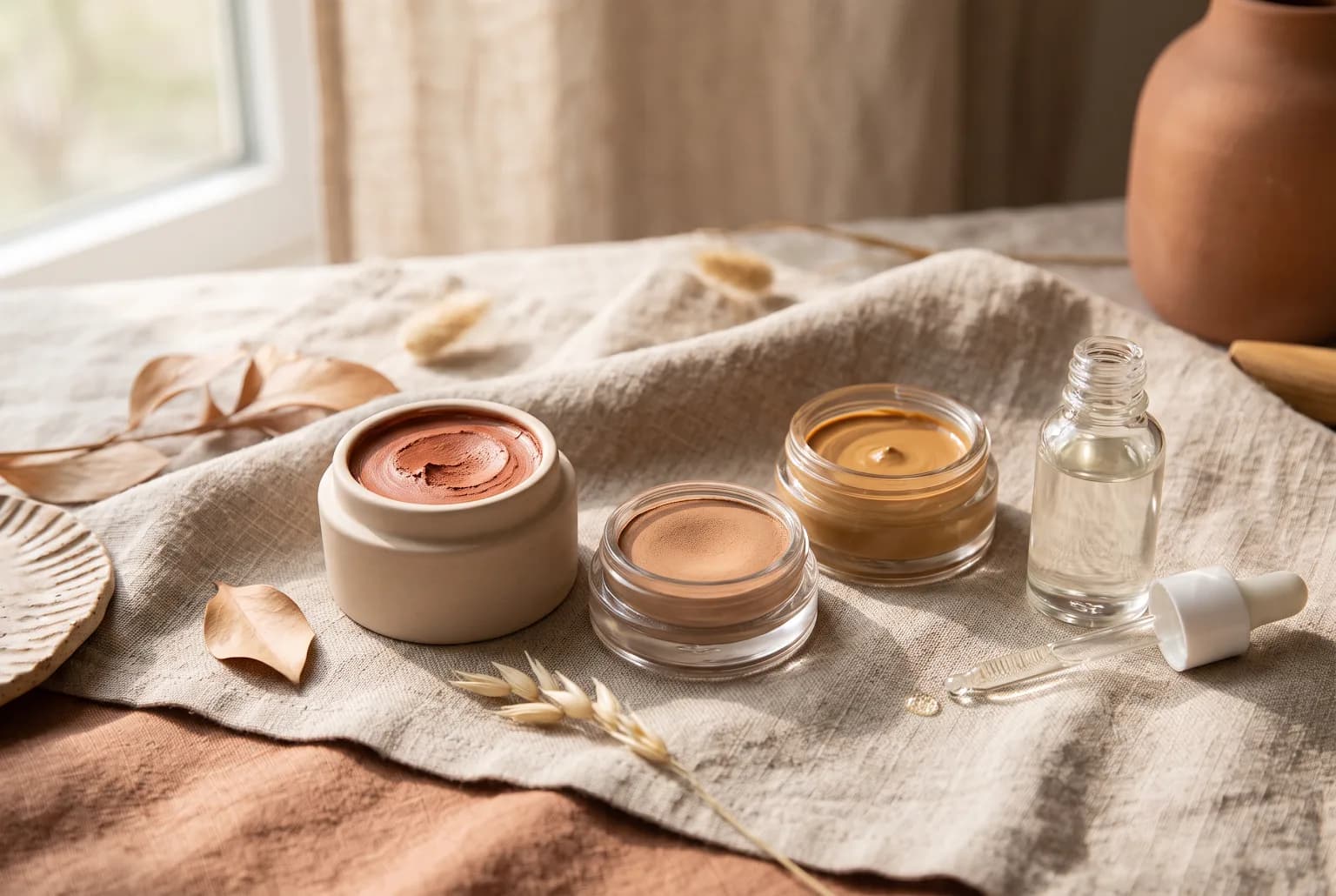
Answer in brief: Favor cream, liquid, or balm bronzers with buildable pigment and an emollient base for mature skin; skip chalky, ultra-matte powders that emphasize texture. Match shade to your warm undertone but stay within about one to two tones of your natural skin, blend outward over a well-hydrated base, and layer slowly to avoid a heavy finish.
Start here: mature skin benefits most from formulas that move with the face and reflect light subtly. Creams and liquids have tiny advantages: they sit on skin with a slight sheen, are easier to blend at the hairline, and are forgiving when skin isn’t perfectly smooth. This guide focuses on textures, shade-selection rules, ingredient signposts, application tools, and realistic tradeoffs so you can shop confidently.
Texture matters: why creams win for mature skin
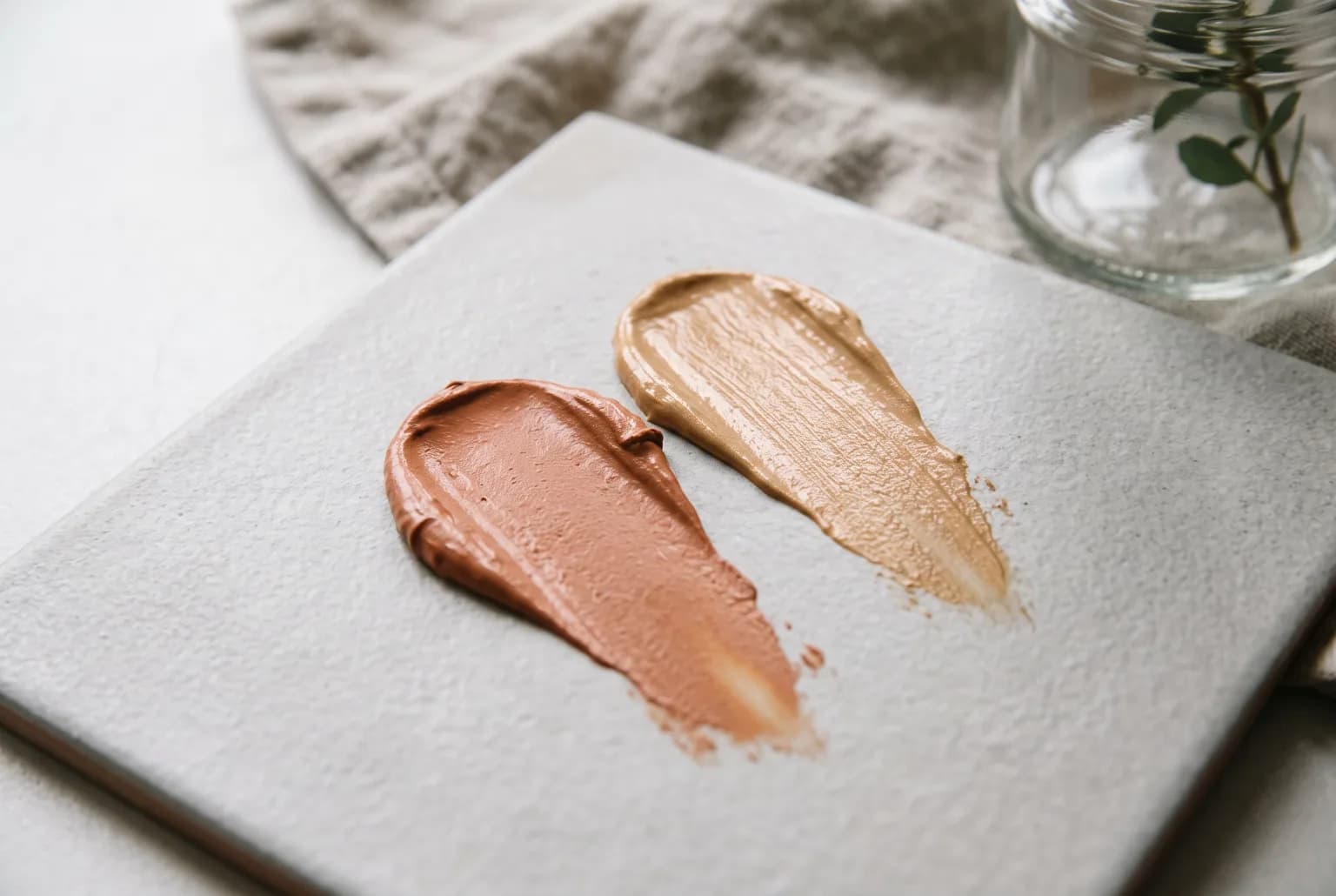
If you’re asking “what is the best bronzer for mature skin?” start with texture. Cream and liquid bronzers are generally more skin-friendly because they contain light emollients that prevent the formula from sitting in fine lines. A sheer, buildable cream or a lightweight tinted balm mimics the way healthy skin catches light, making the finish appear softer and more natural than dense powders.
Cream formulas typically contain ingredients such as squalane or glycerin that add slip and a subtle glow. These actives hydrate the surface and integrate pigment into the skin rather than layering pigment on top. That means less grabbing at dry patches and a lower chance of powdery, cakey edges.
Tradeoffs: creams can feel heavier in humid climates, may require more careful shade matching, and need a light, quickly blended application to avoid streaks. Liquids that are too dewy can move on very oily zones, and balms can pick up facial oils; choose a formulation with a light emollient base rather than a thick waxy one.
How to pick the right shade without going orange
Shade is a deciding factor for a believable, flattering bronzer. For mature skin, the rule of thumb is to stay within roughly one to two shades darker than your natural skin tone and aim for warm-but-not-orange undertones. That keeps the look sun-kissed rather than tanned or muddy.
Start by comparing swatches on the jawline in natural light. For cream bronzers—swipe a tiny amount and blend; the undertone that disappears into the skin while warming the face is the right one. If you see a distinct orange cast after blending, shift to a more neutral-warm option. Cooler bronzers can read as gray or ashy and flatten complexion.
Consider hairline and jawbone: always diffuse color out toward the hairline and neck to avoid hard edges. Where in doubt, opt for buildable formulations: a sheer cream lets you layer to warmth without risking an immediate, intense color deposit.
Ingredients and finishes to favor
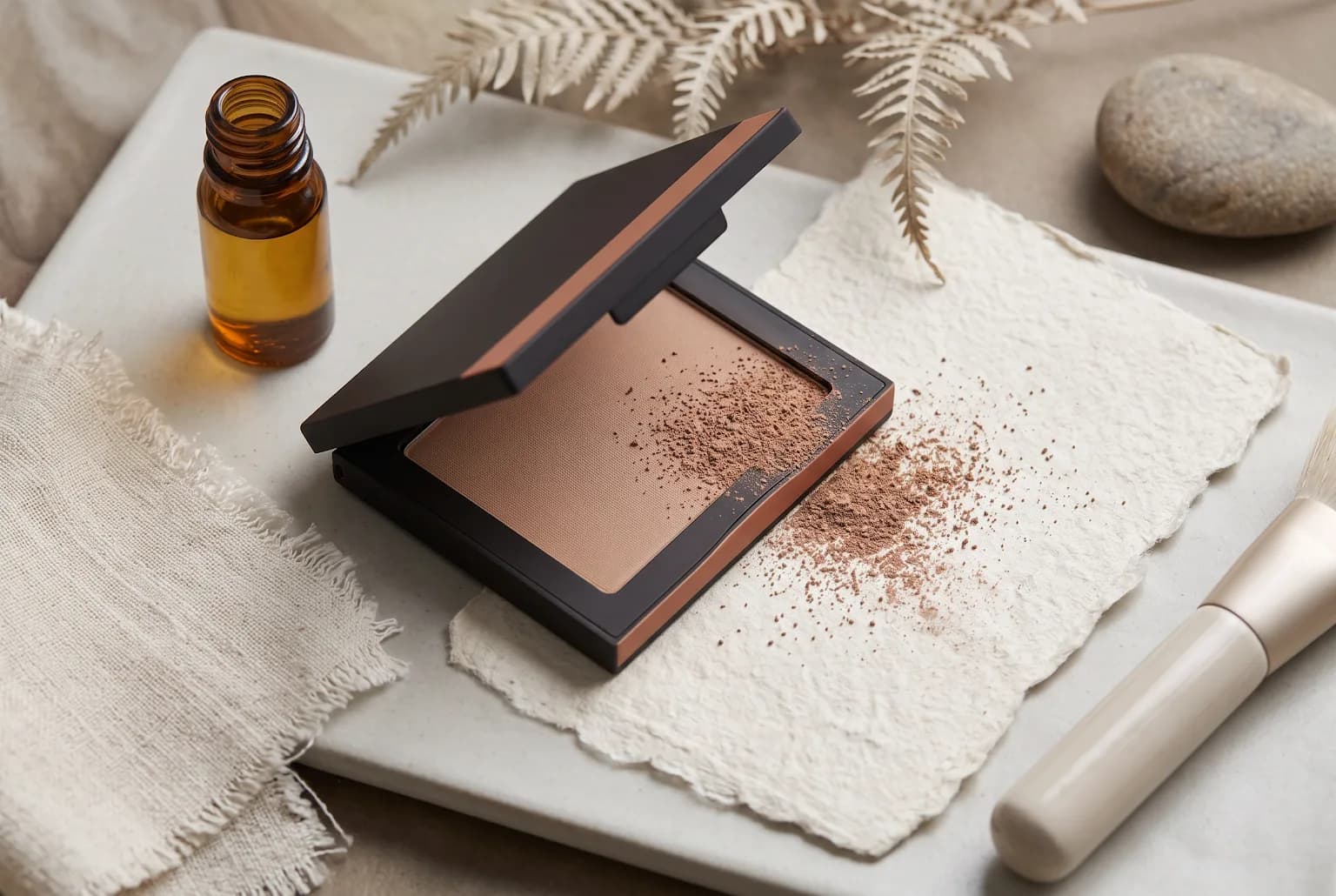
The ingredient list on bronzers tells you about texture and how a product will behave over time. For mature skin, prioritize light emollients (squalane, caprylic/capric triglyceride), humectants such as glycerin, and pigment tech described as "micro-fine" or "soft-focus." Avoid formulas relying heavily on talc or large mica platelets that can emphasize creases.
Finish matters: choose a soft-diffuse or soft-matte finish rather than a flat matte or glittery sheen. A soft-diffuse finish scatters light subtly and reduces the visibility of texture. Many modern powders use micro-milled pigments to approach a cream-like appearance, but these still depend on a hydrating base beneath for best results.
If you use active skincare like retinoids, patch-test cream bronzers first to ensure no reactive blend with sensitized skin. Retinoid-altered skin can be thinner or drier; layering a hydrating primer or an emollient moisturizer first helps the bronzer sit evenly.
Powder vs cream: the tradeoffs for mature skin
Powder bronzers are convenient, travel-ready, and easy to set for long wear, but heavy or chalky powders can emphasize fine lines. Creams and liquids win at blending and natural finish, yet some powders with micro-fine milled pigments work well over a moist base. The decision comes down to daily habits, skin type, and tolerance for touch-ups.
Use this quick comparison table to decide:
| Format | Best for | Texture and finish | Main tradeoff |
|---|---|---|---|
| Cream / liquid | Dry to combination mature skin | Emollient, skin-melt finish; buildable | Can move on oily zones; needs blending tools |
| Powder (micro-fine) | Slightly oily mature skin or quick application | Soft-matte if micro-milled; lightweight | Can emphasize texture if skin is dry |
| Balm / tinted stick | On-the-go warmth and creaminess | Concentrated; easy to spot-apply | Easy to over-apply; needs quick blending |
Decision example: if your skin is dry and you prefer minimal touch-ups, choose a cream with glycerin or squalane and a soft-diffuse finish. If you’re oilier and set your makeup with a hydrating spray, a micro-fine powder can be a smart compromise.
Application routes and tools that blur lines
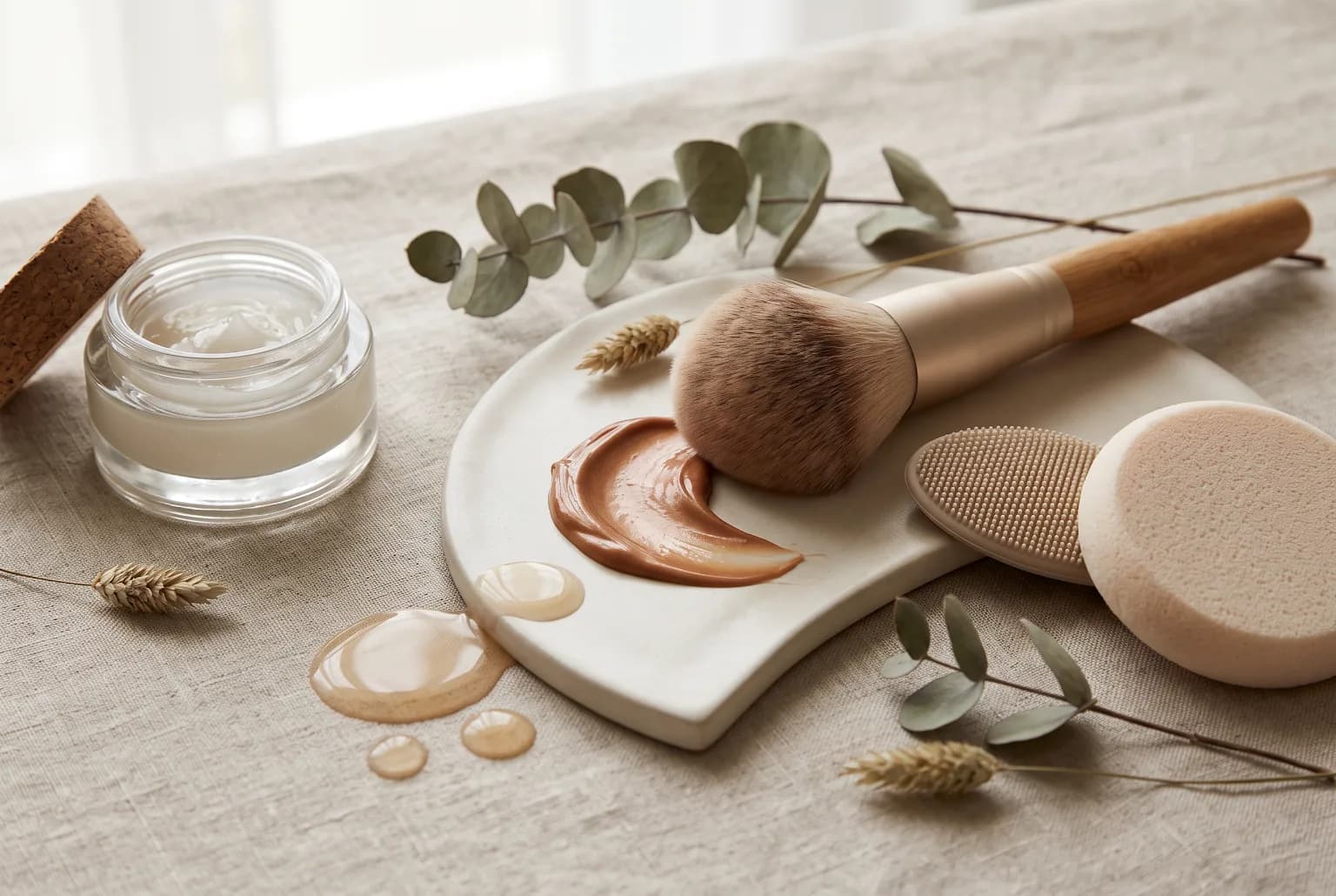
How you apply bronzer matters as much as what you pick. For creams, a damp sponge yields skin-melted coverage; a dense synthetic brush gives more control and a buffed finish. For powders, a fluffy brush with light picks of pigment diffuses color best. Using the right tool prevents layering too much product where lines are visible.
Suggested tools:
- Damp makeup sponge for creams and liquids (gives sheer, skin-like coverage)
- Dense synthetic stippling brush for precision blending along the hairline and hollows
- Large fluffy brush for powder to apply light, diffused color
- Small tapered brush for targeted warm-up under cheekbones
Routine steps: Start with a hydrated face—moisturizer or a light oil layer. Apply a small amount of bronzer where the sun naturally hits (temples, top of cheekbones, bridge of nose). Diffuse outward with clean strokes and build sparingly. For a lifted look, place product slightly higher and blend upward toward the temple.
Layering and long-wear without settling into fine lines
Layering for longevity should be subtle. The sequence matters: hydrate, prime or apply a thin cream base, then bronzer; finish with a very light translucent set or a hydrating mist. If you powder-set a cream bronzer, use a super-fine translucent powder only where needed—usually the T-zone—not over the entire bronzed area.
Practical layering examples: if you want both cream warmth and powder hold, first apply a sheer cream bronzer blended well, then very lightly dust a micro-fine powder in the center of the face to mattify excess sheen. Alternatively, use a tinted setting spray to meld layers and blur edges without adding extra powder.
Avoid thick powder layers on top of cream—this combination is the fastest way to emphasize lines. Instead, rely on buildable pigment and small, strategic setting steps.
Quick shopping checklist and decision examples
When shopping, use a short checklist to narrow options quickly. Look at texture (is it described as cream, mousse, or liquid?), primary emollients, claimed finish (soft-diffuse, soft-focus), and pigment payoff (sheer/buildable vs. high-coverage). Price and packaging matter, but formula cues tell you whether it will play nicely with mature skin.
A practical decision matrix:
- You have dry, textured skin and prefer minimal touch-ups: choose a cream bronzer with squalane and buildable pigment.
- You’re combination/oily and need a compact for touch-ups: choose a micro-fine powder bronzer but pair with a hydrating primer.
- You want a two-in-one option for cheeks and bronzing: pick a tinted cream blush-bronzer duo with a smooth balm base.
Shopping examples: if a product lists talc high on the ingredient list, pass if your skin is dry or textured. If the product calls out micro-milled pigments and lists glycerin or squalane, it’s worth sampling. For broader skin care context, pair bronzer choice with a nourishing face cream; our guide to the best face cream for mature skin helps select a compatible base. For those using retinoids, consult the best retinol for mature skin and layer with care. If you’re overhauling your routine, our short audit can help: create a skincare routine you’ll actually follow.
Frequently asked questions
What type of bronzer is best for very dry mature skin?
Cream or liquid bronzers are usually best for very dry mature skin because they contain emollients and humectants that help the pigment adhere smoothly. Choose a buildable formula with squalane or glycerin, blend with a damp sponge or a dense synthetic brush, and avoid heavy powders that can emphasize flaking or lines.
Can mature skin use powder bronzer at all?
Yes—mature skin can use powder bronzer if you select micro-fine milled formulas and apply them over a hydrated base. Use a light hand and a fluffy brush, focus on diffused application, and avoid packing powder into textured areas. Pairing powder with a hydrating primer reduces the chances of settling.
How do I stop bronzer from settling into fine lines?
Prevent settling by starting with well-hydrated skin, choosing skin-friendly emollients (squalane, glycerin), and using sheer, buildable pigments. Blend outward toward the hairline and neck, set minimally where needed, and avoid heavy powder layers on top of creams. Regular gentle exfoliation and a good moisturizer help create a smoother canvas.
Is it safe to use cream bronzers if I’m on retinol?
You can use cream bronzers while on retinol, but patch-testing is recommended since retinol can make skin more sensitive. Increase hydration before color application and choose a gentle, non-irritating bronzer base. If irritation appears, stop use and consult your skincare plan.
Related Reading
- Best Facial Toner for Mature Skin: A Barrier-First Buyer’s Guide
- The best daytime moisturizer for mature skin: smart picks and how to choose
- The best eye primer for mature skin: smoothing, hydrating, long-wear picks
Sources
- Oprah Daily — best bronzers for mature skin (texture guidance) (https://www.oprahdaily.com/beauty/skin-makeup/g63433085/best-bronzer-for-mature-skin/)
- Woman & Home — makeup tips for older skin (blend, hydrate) (https://www.womanandhome.com/beauty/)
- General makeup artist guidance (blend/build, avoid heavy powders) (https://www.womanandhome.com/aimee-connolly-makeup-tips/)
Clear guidance, checked before publication.
Solvi articles are structured by our editorial team and reviewed for clarity, consistency, and responsible health language. We update pages when guidance or product information changes.

Amara Lewis
Sensitive Skin Writer. Amara is fascinated by calm, barrier-first skincare and the small details that make a routine easier to tolerate. She favors thoughtful formulas, slow introductions, and less guesswork.


