The best products for hormonal acne: a layered, evidence-forward plan



First-line topical strategy: a combination topical retinoid plus benzoyl peroxide or azelaic acid is the most evidence-backed starting point for hormonally driven acne; for adult females with recurrent cyclical flares, consider systemic hormonal options such as spironolactone or combined oral contraceptives under clinician supervision. Use non-comedogenic, barrier-supporting moisturizers to reduce irritation when starting actives.
How to think about hormonal acne treatment
When acne is truly cyclical and recurring in adult females, systemic hormonal suppression—prescription spironolactone or combined oral contraceptives—can reduce flare amplitude, but they require clinician assessment and monitoring.
Treatment decisions are tradeoffs between potency and tolerability. Stronger topical retinoids deliver faster skin‐cell turnover but increase dryness and irritation; benzoyl peroxide is effective at reducing surface bacteria and works well in combos but is oxidative and can bleach fabrics; azelaic acid is gentler and suits sensitive skin but often requires consistent two‐to‐three‐month use before maximal effect. Use regimen goals—speed of clearing, sensitivity, pregnancy plans—to choose formats and concentrations.
Topical first-line combos and why they work
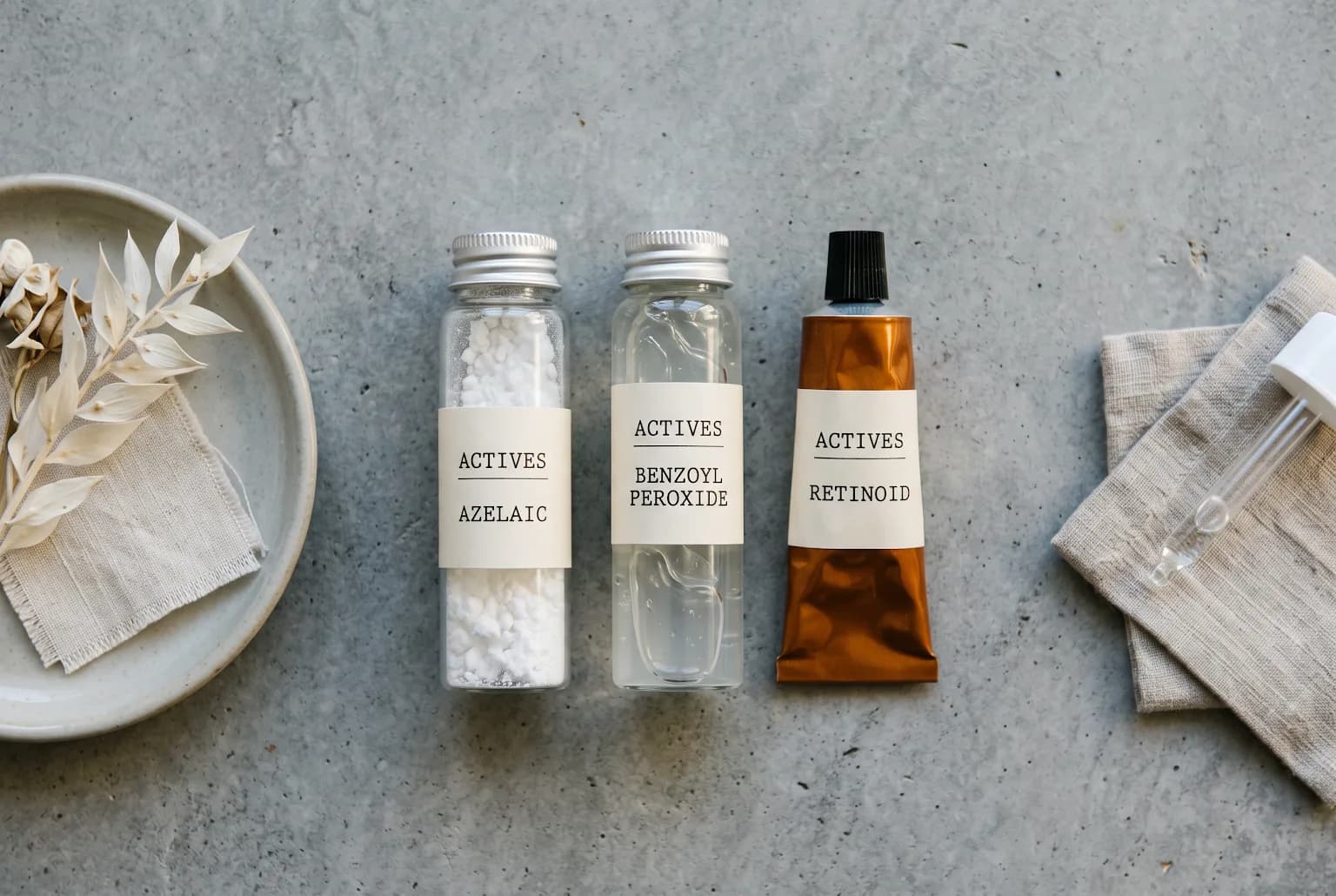
A practical, first-line product plan for hormonally influenced lesions pairs a topical retinoid with either benzoyl peroxide or azelaic acid. Retinoids (adapalene or tretinoin) reduce comedones and improve pore turnover; benzoyl peroxide adds antimicrobial action and reduces antibiotic resistance when used alongside other agents. Azelaic acid offers anti-inflammatory and comedolytic benefits and is often better tolerated by reactive skin. These combinations align with guideline hierarchies that prioritize retinoid-based strategies for inflammatory and comedonal disease.
Texture and format matter: gels and lightweight lotions often suit oilier skin and couple well with benzoyl peroxide washes, while cream vehicles are more tolerable for dryer or barrier‐compromised skin. Tradeoffs include irritation—introduce retinoids slowly, and use benzoyl peroxide in the morning or as a targeted wash to limit widespread dryness. If you need a table to compare active roles quickly, this is a compact decision tool.
| Active | What it targets | Texture/tradeoff | When to pick |
|---|---|---|---|
| Topical retinoid (adapalene/tretinoin) | Comedones, follicular turnover | Lightweight gel/cream; can irritate when new | Primary for mixed inflammatory/comedonal acne |
| Benzoyl peroxide | Cutaneous bacteria, reduces antibiotic resistance | Can be drying/bleach fabrics; gel or wash format | Use in combination to reduce risk with antibiotics |
| Azelaic acid (10–15%) | Inflammation, mild comedones, PIH risk | Cream or gel; gentler but slower | Good for sensitive/reactive skin or pigmentation concerns |
Hormonal and systemic options for adult females

When breakouts are tightly linked to the menstrual cycle or persist despite consistent topical therapy, systemic hormonal agents are the next consideration for adult females. Two commonly used pathways are combined oral contraceptives that modulate circulating androgens and spironolactone, an androgen receptor blocker prescribed off-label for acne in many clinics. Both require a clinician visit: combined OCPs need contraceptive counseling and assessment of risks, while spironolactone requires baseline and ongoing monitoring and discussion of contraindications and pregnancy planning.
Deciding between topical escalation and systemic therapy is a value judgment. If you want to avoid systemic medication or are planning pregnancy soon, intensifying topical combos (retinoid + azelaic acid + benzoyl peroxide wash) is reasonable. If lesions are deep, cyclical, and relapsing every month, spironolactone or combined OCPs often deliver clearer, longer‐term control. Always discuss monitoring, side effects, and non‐contraceptive implications with a prescriber.
Cleansers and washes that won't strip or clog
Cleansing is foundational: you want a formula that removes surface oil, sweat, and topical residues without compromising the skin barrier. For hormonally driven acne, choose non‐soap, pH‐balanced gel or cream cleansers and reserve benzoyl peroxide washes for targeted morning or evening use if tolerated. Overly alkaline or harshly foaming cleansers can worsen irritation when you're using retinoids or benzoyl peroxide.
Textural guidance: lightweight gel cleansers suit oily, acne‐prone skin because they rinse fully and pair with serums easily; cream cleansers are appropriate if barrier dryness is an issue. For body or chest/back acne, a salicylic acid body wash used in a low‐friction regimen is sensible to reduce acne without daily scrubbing—see our practical guide on body washes for deeper context.
Recommended cleanser checklist:
- Non‐soap, pH‐balanced gel or cream cleanser
- Avoid heavy oils or comedogenic cleansers
- Use benzoyl peroxide wash selectively for inflammatory flares
- Consider a salicylic acid body wash for trunk acne, used sparingly
Internal link: For a barrier-first approach to sensitive skin cleansers, consult this guide on cleansers for sensitive skin:
Moisturizers and textures for oily, reactive skin
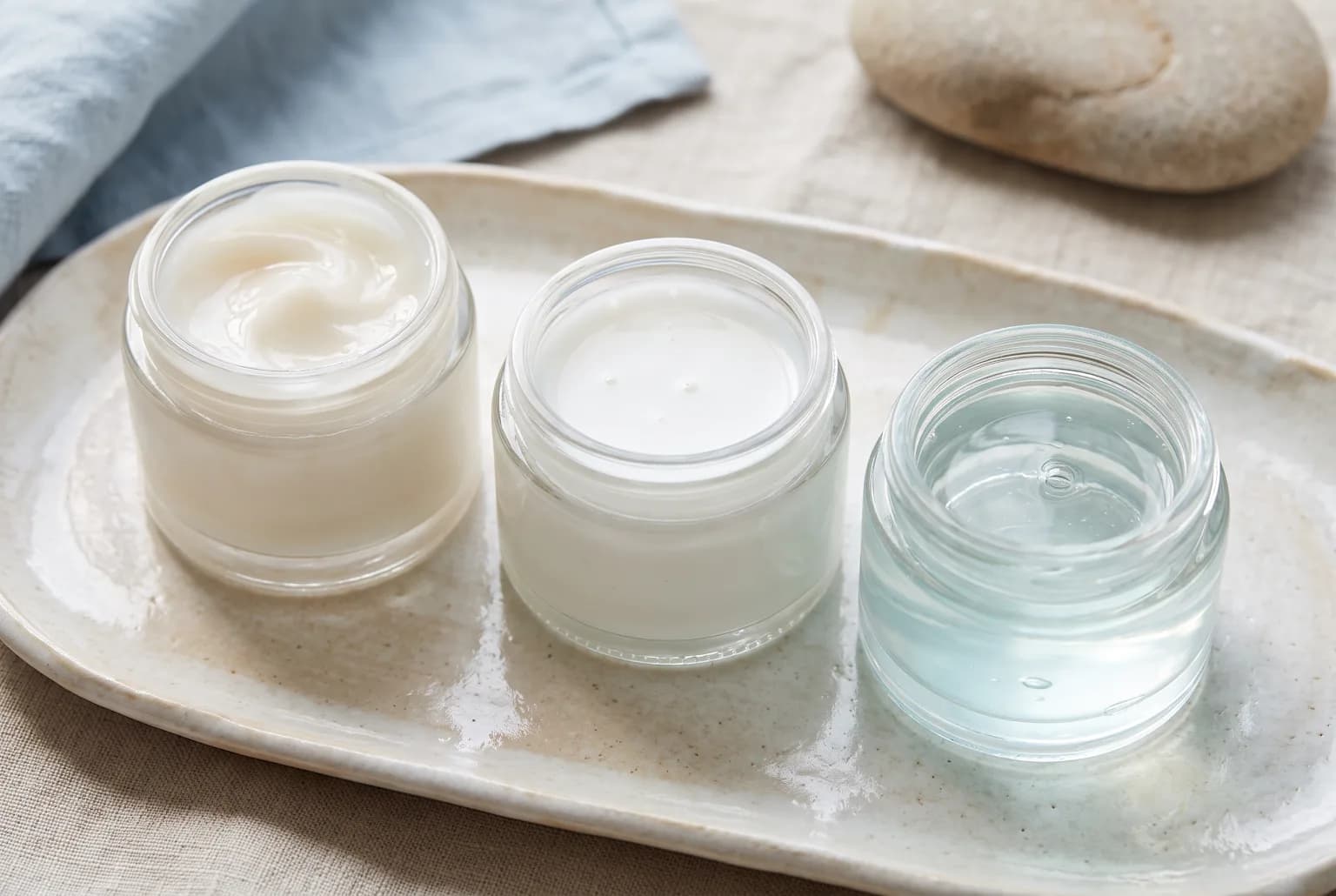
Moisturizers reduce irritation and improve adherence to active regimens—an essential but underrated part of acne care. Look for non‐comedogenic, lightweight gel‐creams or oil‐free lotions that include humectants (glycerin, hyaluronic acid) and ceramides or fatty acids to support the barrier. If you have oily but reactive skin, favor water‐based gel formulations or hybrid gel‐creams that hydrate without a greasy finish.
Consider textural tradeoffs: occlusive creams are great at preventing transepidermal water loss but can feel heavy and risk pore congestion in oilier skin. Gel‐creams maintain a matte finish and pair well with daytime sunscreens and benzoyl peroxide washes. For a texture-first shopping approach, see our practical guide to moisturizers for oily, acne-prone skin.
Internal link: More texture-focused advice is available in our moisturizer guide:
Layering actives and building tolerance
Layering is a practical skill: start with the gentlest effective dose, and add or increase actives every 2–4 weeks based on tolerance. A conservative progression for a new regimen might be: benzoyl peroxide wash (AM), gentle cleanser and moisturizer (PM the first two weeks), then introduce a topical retinoid twice weekly at night, building to nightly use as tolerated. If irritation appears, reduce frequency rather than stop completely—this maintains momentum while preserving the barrier.
Compatibility rules: benzoyl peroxide can oxidize some retinoid vehicles but is commonly used in separate time slots (BPO in AM, retinoid at night). Azelaic acid is compatible with retinoids and benzoyl peroxide and is an excellent adjunct when sensitivity limits BPO or retinoid frequency. If antibiotics are prescribed, combine them with benzoyl peroxide to reduce resistance risk as recommended in therapeutic hierarchies.
Internal link: For advanced retinoid layering and barrier strategies, our guide to retinol for mature skin has practical layering tips that apply across ages:
Realistic starter routines by skin type
Below are practical, starter routines designed to show how product formats and tradeoffs combine into a weekly plan. These are decision examples—adjust frequency and doses to personal tolerance and clinician advice.
Routine A — oily, acne-prone, tolerates actives
- AM: gentle gel cleanser, benzoyl peroxide wash (spot or full face as tolerated), oil‐free moisturizer, non‐comedogenic SPF
- PM: gentle cleanser, topical retinoid (start every other night), lightweight moisturizer
Routine B — oily, reactive to irritation
- AM: gentle gel cleanser, water-based moisturizer, SPF
- PM: gentle cleanser, azelaic acid cream nightly, add retinoid twice weekly and build, moisturize generously
Routine C — dry to combination skin with hormonal flares
- AM: cream cleanser, lightweight cream moisturizer, SPF
- PM: cream cleanser, topical retinoid every third night, azelaic acid on alternate nights, rich barrier cream if needed
If considering systemic therapy, pair it with a simplified topical backbone (gentle cleanser, non‐comedogenic moisturizer, targeted benzoyl peroxide) while the systemic agent takes effect over weeks to months.
Frequently asked questions
How quickly should I expect improvement with topical retinoid plus benzoyl peroxide?
Expect initial improvement in comedonal lesions within 6–12 weeks and more substantial reduction in inflammatory lesions by 12 weeks, although individual timelines vary. Because retinoids remodel follicular turnover and benzoyl peroxide reduces surface bacteria, combination therapy is aimed at both prevention and active lesion reduction. Persisting or severe nodular disease that does not respond in a few months should prompt clinician reassessment.
Can men use spironolactone for hormonal acne?
Spironolactone is typically prescribed for adult females; it can cause feminizing side effects and is generally not recommended for males for acne management. Clinical decisions on systemic hormonal agents should be made with a healthcare provider, who will review risks, monitoring needs, and alternative options. For males, other systemic therapies or topical escalation may be preferable.
Will azelaic acid reduce post-inflammatory hyperpigmentation from hormonal acne?
Yes—azelaic acid has anti‐inflammatory and tyrosinase‐inhibiting properties that can help reduce post‐inflammatory hyperpigmentation over time. It is often chosen for patients who need a gentler active that addresses both inflammation and pigmentation, and it pairs well with retinoids for pigmentation improvement when tolerated.
How should I use a salicylic acid body wash for chest or back acne?
Use a low‐concentration salicylic acid body wash 2–3 times per week initially, focusing on a short contact rinse rather than vigorous scrubbing to avoid irritation. Increase frequency only if tolerated and in consultation with a clinician. For persistent inflammatory lesions on the trunk, combine topical washes with clinician-directed topical or systemic therapy.
Related Reading
- Fungal Acne vs. Hormonal Acne: The Pattern-First Guide to Choosing the Right Treatment Lane
- Best for tightening sagging skin: an evidence-based ladder
- Best Serum for Acne Scars: Choose by Mark Type, Not Hype
Sources
- AAD Acne Clinical Guideline (2023 update) — therapeutic hierarchy: https://www.aad.org/member/clinical-quality/guidelines/acne
- Therapeutic review / Skin DermSquared recommendations 2026: https://skin.dermsquared.com
- ACNE & ROSACEA / hormonal therapies update (review): https://acneandrosacea.org
Clear guidance, checked before publication.
Solvi articles are structured by our editorial team and reviewed for clarity, consistency, and responsible health language. We update pages when guidance or product information changes.

Amara Lewis
Sensitive Skin Writer. Amara is fascinated by calm, barrier-first skincare and the small details that make a routine easier to tolerate. She favors thoughtful formulas, slow introductions, and less guesswork.


