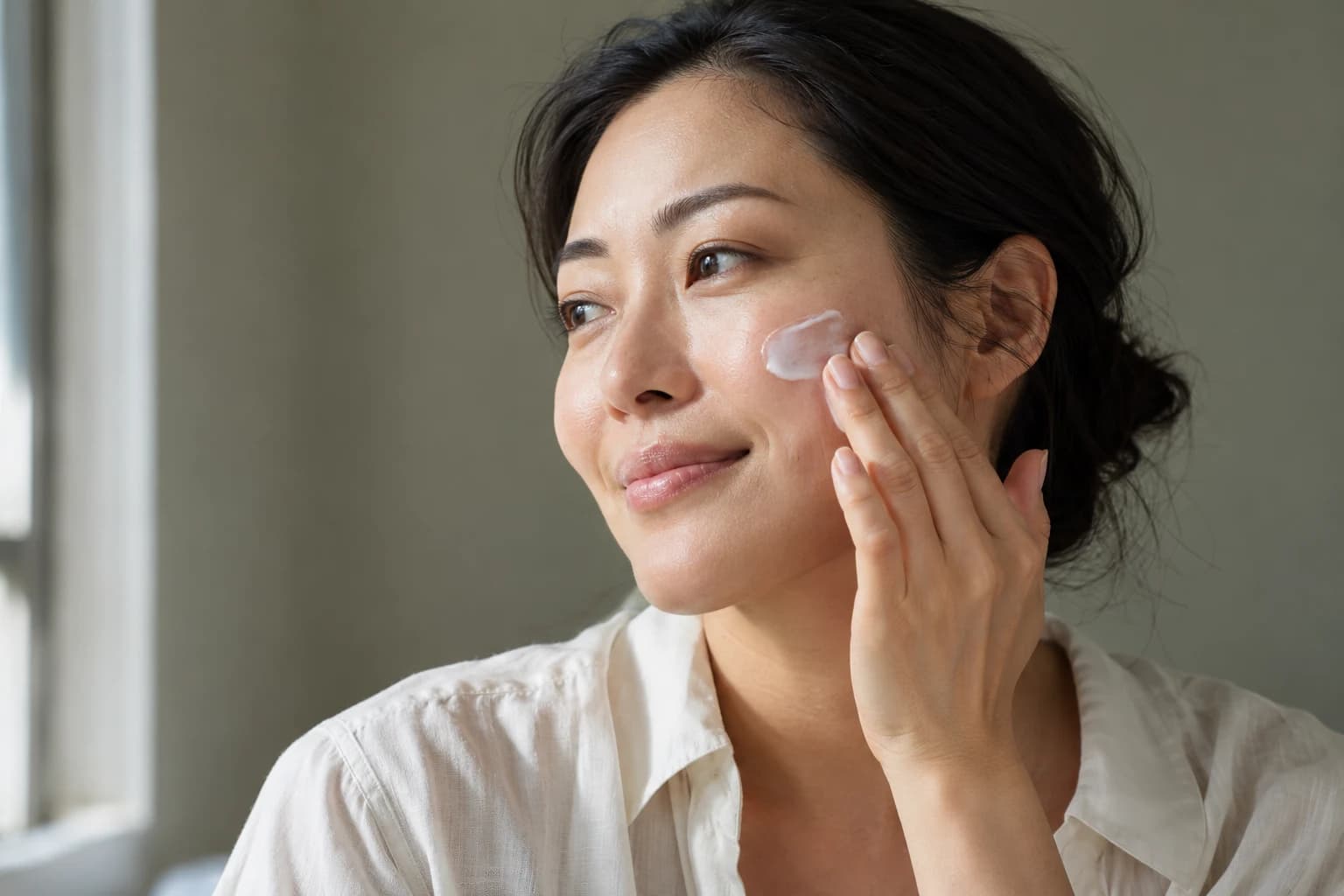
Best Moisturizers for Mature Skin: Choose by Barrier, Texture, and Time of Day


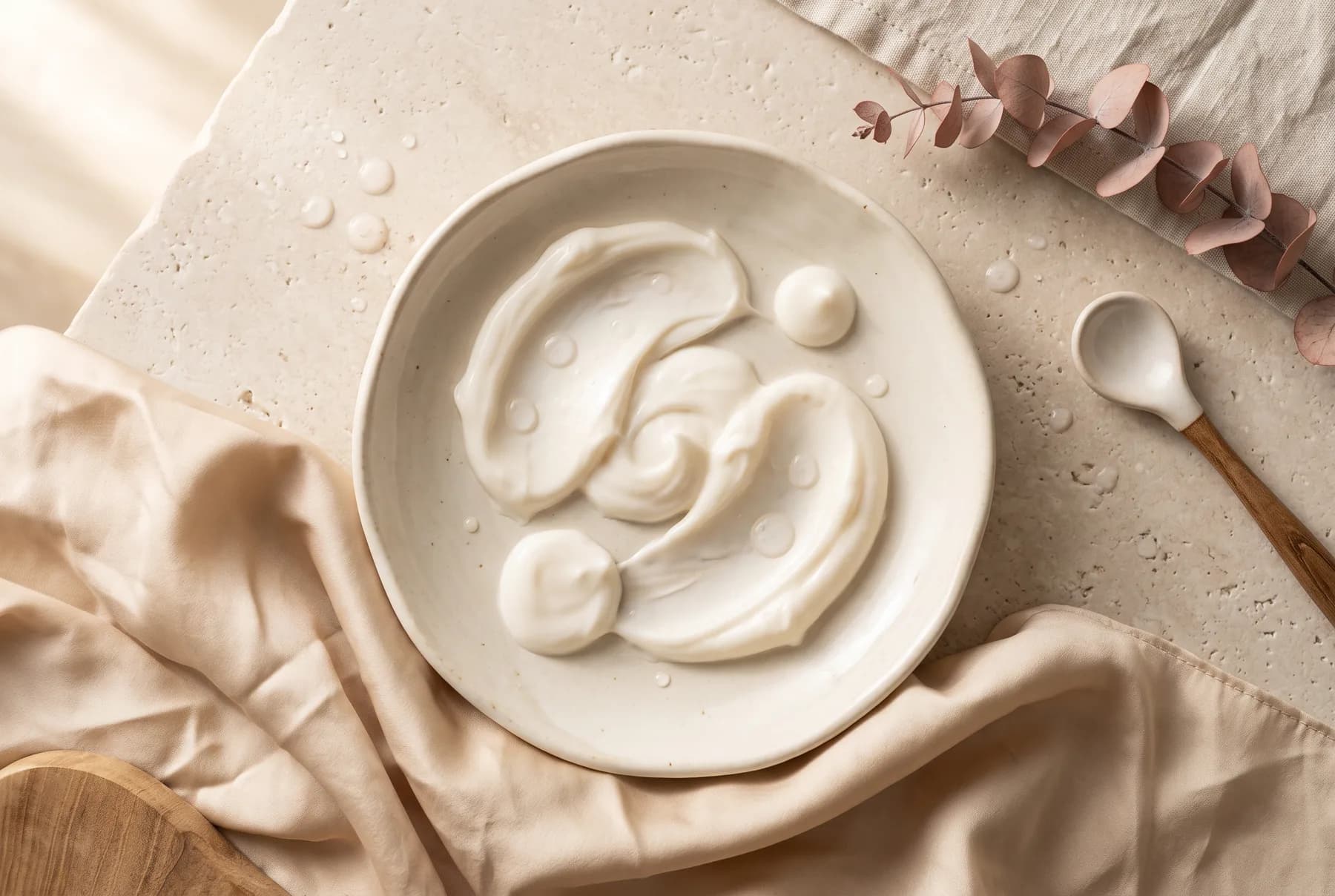
The best moisturizers for mature skin combine water-binding ingredients such as glycerin and hyaluronic acid with barrier lipids such as ceramides, fatty acids, and cholesterol. The right one is not necessarily the heaviest jar on the shelf: a weightless gel-cream can make sense for mature oily skin, while a denser cream is often a better match for persistent dryness or an evening routine.
Think of this category less as a hunt for one universally “best” face cream and more as a texture-and-ingredient match. Your skin can be oilier through the center of the face, dry at the cheeks, and more reactive than it used to be—all reasons to choose deliberately rather than default to a blanket-rich formula.
The mature-skin moisture brief
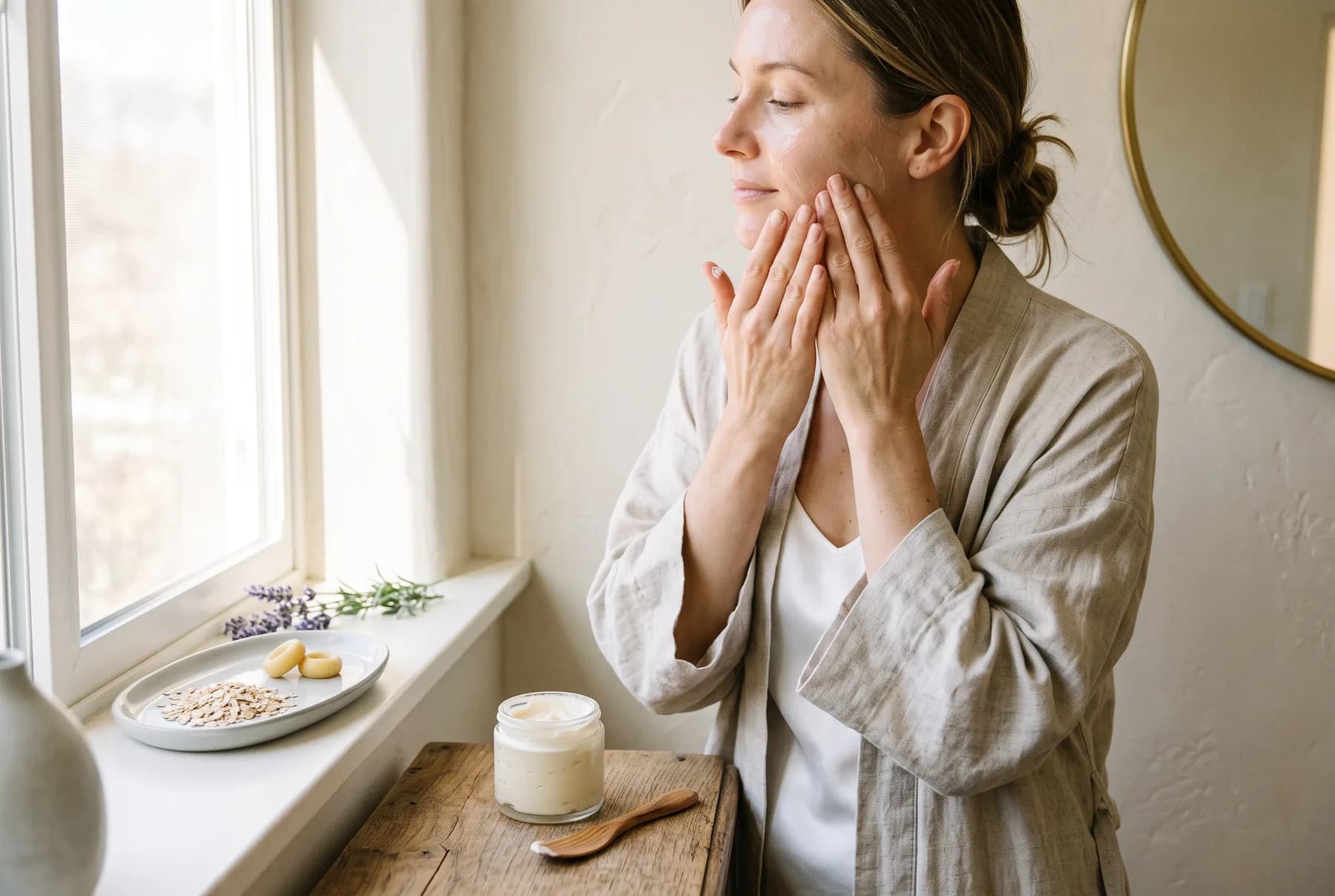
Mature skin often benefits from a formula that does two jobs at once: draw in hydration and reduce the feeling of moisture slipping away. Humectants, including glycerin and hyaluronic acid, help with the first task. Ceramides, fatty acids, and cholesterol are barrier lipids that make a moisturizer feel more cushiony and supportive on skin that has begun to feel thin, tight, or easily disrupted.
The useful distinction is between hydration—water held in the skin’s surface layers—and emollience or occlusion—the slip and seal that make a cream feel comforting. A hyaluronic-acid serum alone may deliver a fresh, watery layer, but it is not automatically a full replacement for a moisturizer with barrier-supporting lipids. Conversely, a very dense cream may feel excessive if your skin is shiny by lunchtime.
To scan an ingredient list with purpose, prioritize these formula signals:
- For dehydration: glycerin and hyaluronic acid, particularly when you want a plumper, more water-rich finish.
- For dryness and barrier comfort: ceramides with fatty acids and cholesterol, especially in a cream rather than a very fluid lotion.
- For a treatment-minded routine: peptides, niacinamide, or gentle retinoids, introduced with attention to how your skin responds.
- For daytime wear: a texture that layers cleanly under sunscreen and makeup; daytime moisturizers may include SPF, but daily sunscreen remains the non-negotiable final protection step.
A moisturizer can be excellent without feeling thick. The finish you want is one that leaves skin comfortable after several hours, rather than glossy, sticky, or as though a film is sitting on top.
Choose your moisturizer format
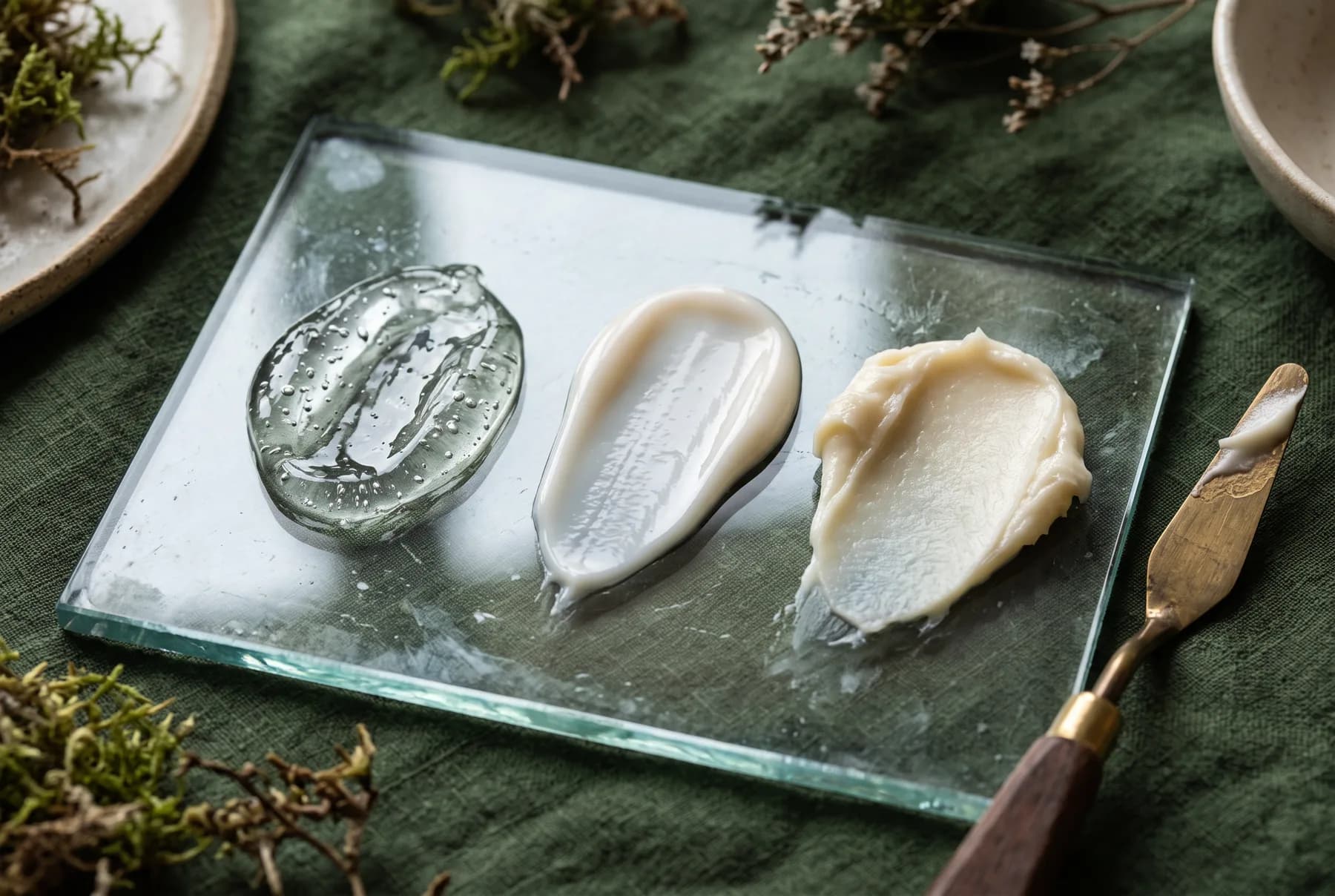
Texture is the fastest practical way to narrow the best moisturizer for mature skin. Begin with how your face feels at the end of the day—not just immediately after cleansing. If it feels tight across the cheeks, reaches for a richer cream. If it gets slick around the nose and forehead but feels normal elsewhere, a lotion or gel-cream may give you more control.
| Format | Best suited to | What it feels like | The tradeoff |
|---|---|---|---|
| Gel-cream or hydration booster | Mature oily skin, combination skin, humid weather, layering | Fresh, light, quickly absorbed | May not provide enough cushion for dry cheeks on its own |
| Lotion or fluid cream | Normal-to-combination mature skin, daytime use | Silky, flexible, easy beneath sunscreen | Can feel too light during a dry season or after retinoid use |
| Rich cream | Dry mature skin, nighttime routines, a tight-feeling barrier | Dense, plush, protective | May feel heavy or pill when layered too quickly |
| Treatment cream | Those seeking peptides, niacinamide, or a gentle retinoid in the formula | Varies from light cream to balm | More is not always better; routine compatibility matters |
A gel-cream for mature oily or combination skin
A gel-cream is the sensible starting point when oil is still a daily reality. Look for glycerin and hyaluronic acid, then decide whether you need a separate barrier cream only on the driest areas. Neutrogena Hydro Boost is an example of a hydration-forward format that can work as a layering step; its lighter profile can be useful when a traditional cream feels like too much.
A lotion for a polished daytime routine
For mature combination skin over 40, a lotion-like moisturizer often hits the most wearable middle ground. It should spread without tugging, settle before sunscreen, and avoid turning foundation into a slippery layer. If your daytime SPF product is already rich, you may prefer a simpler, lighter moisturizer underneath—or skip a separate moisturizer if your sunscreen itself provides enough comfortable moisture for your skin.
A cream for dry mature skin
A cream is where barrier lipids become especially relevant. CeraVe Skin Renewing Night Cream, which features peptides and ceramides, is a useful formula example for someone who wants those two categories in a richer nighttime format. The point is not that every dry complexion needs an identical cream, but that dry mature skin often appreciates both humectant hydration and a more substantial lipid-containing finish.
A reparative-feeling night cream
Night is the natural place for a formula that feels more enveloping. La Roche-Posay’s Toleriane and Redermic lines are examples worth reviewing if you are sorting between barrier-minded care and more active-focused mature-skin options. Check the specific product rather than assuming every item within a line has the same texture or active ingredients.
Build a mature-skin moisture routine
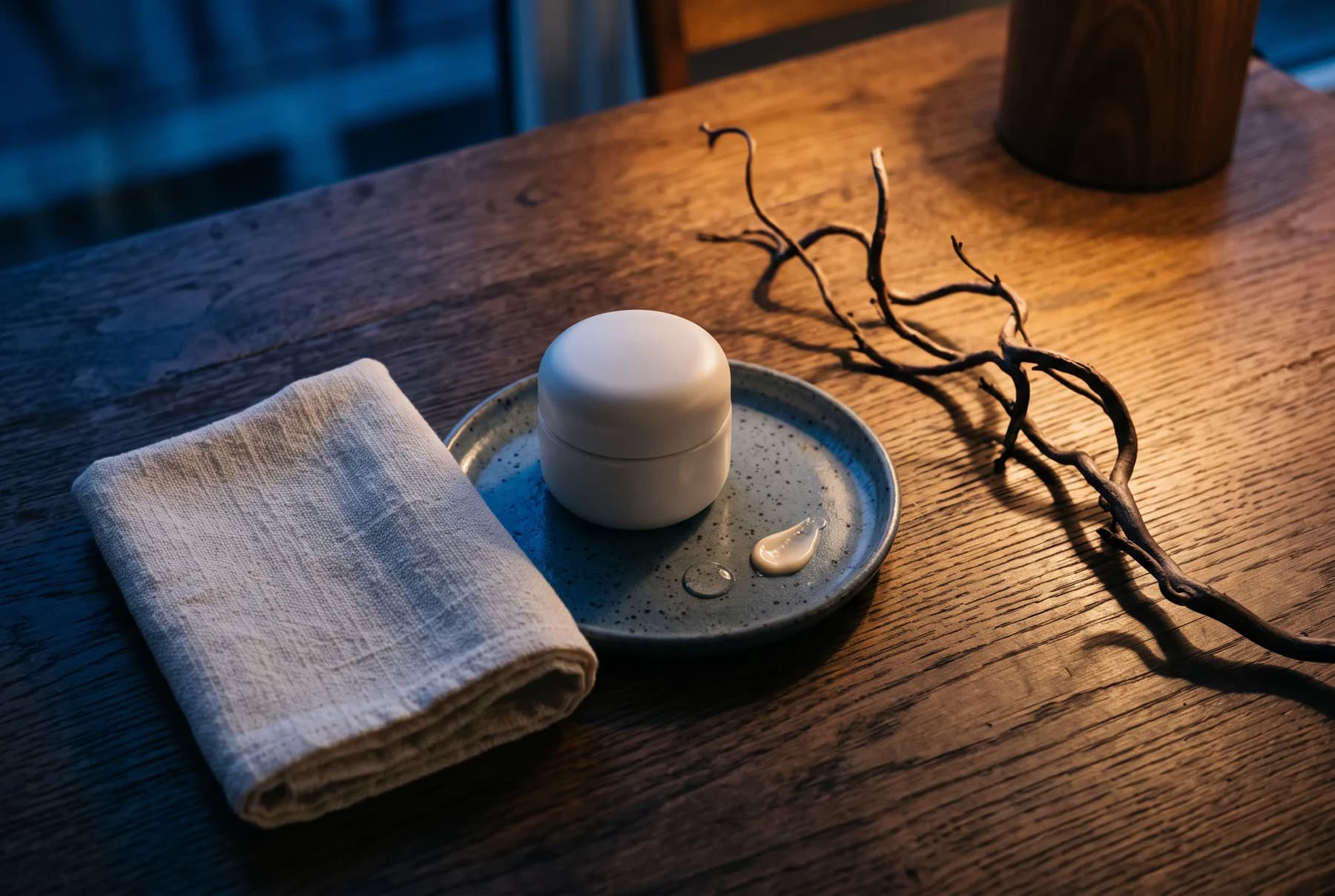
A useful routine is sequential, not maximal. The goal is to apply water-based layers before creamier ones, leave a brief beat between products, and reserve the richest texture for when skin actually needs it. That is especially helpful because heavier creams can pill when several layers are rushed together.
Morning
- Cleanse gently or rinse, depending on what your skin tolerates and prefers.
- Apply a hydration-focused layer, such as a glycerin- or hyaluronic-acid product, if you use one.
- Smooth on a lightweight moisturizer when needed, concentrating on areas that feel dry rather than automatically coating every zone in a heavy cream.
- Finish with sunscreen daily. If you choose a moisturizer with SPF, apply it as directed and assess whether it provides the level of sun protection and moisture your routine requires.
Evening
- Cleanse away the day without aggressive scrubbing.
- Apply your treatment product, if you use one, following its directions.
- Use a moisturizer with humectants and barrier lipids; choose a richer cream when cheeks, jawline, or the area around the mouth feels dry.
- Let each layer settle before the next to reduce pilling and preserve the intended finish.
Retinoid-containing products deserve a measured approach. The research brief’s practical guidance is simple: introduce retinoids slowly and use sunscreen daily. If a treatment-focused moisturizer is new to you, consider whether it is easier to monitor your skin’s response when it is the only new variable in the routine.
Shop by concern, not the word “anti-aging”
Marketing terms are broad; the jar’s texture, ingredient focus, and place in your routine are more useful decision criteria. Instead of asking whether a product is “for mature skin,” ask what you are trying to correct in the moment: dehydration, dry texture, a compromised-feeling barrier, excess oil, or a desire for an active-containing cream.
Use this short shopping filter before you add a moisturizer to cart:
- If your skin feels dry throughout the face: choose a cream with ceramides, fatty acids, cholesterol, glycerin, and/or hyaluronic acid. A cream format is often the most practical choice for evening.
- If you are oily but dehydrated: start with a gel-cream or lotion and favor humectants. Add a richer cream only to dry zones if needed.
- If you are combination: choose a fluid cream for the whole face, then adjust the amount by zone rather than buying into one-size-fits-all texture rules.
- If you want peptide or niacinamide benefits: select a moisturizer that includes the active and keep the rest of the routine uncomplicated while you assess fit.
- If you are considering a gentle retinoid: introduce it slowly, avoid stacking a complicated set of new treatments at once, and keep daytime sunscreen consistent.
Value is also about use rate. A rich cream can last longer because a small amount may be sufficient, while a lightweight lotion may be more realistic for daily morning use under sunscreen. Neither is inherently a better investment; a product that suits your climate, finish preference, and layering habits is more likely to be used consistently.
Related reading
- Best Night Moisturizer for Sensitive Skin
- Best Facial Toner for Mature Skin: Buyer’s Guide
- Eye Creams for Mature Skin: How to Choose
Frequently asked questions
What is the best moisturizer for mature dry skin?
Look first for a richer cream that pairs humectants, such as glycerin or hyaluronic acid, with barrier lipids including ceramides, fatty acids, and cholesterol. A night cream format is often a comfortable place to use this type of texture.
What is the best moisturizer for mature oily skin?
A lightweight gel-cream or fluid lotion is usually the more comfortable starting point. Prioritize hydration from humectants, then increase richness only where you are dry rather than applying a heavy cream across the entire face.
Should mature skin use moisturizer with SPF in the daytime?
Daytime sun protection is important, and a moisturizer with SPF may be convenient for some routines. Choose a product you can apply comfortably and consistently, and make sunscreen the final step in the morning.
Are peptides, niacinamide, and retinoids necessary in a moisturizer?
No single active is mandatory. A reliable moisture-and-barrier base comes first; peptides, niacinamide, and gentle retinoids are options to consider according to your goals and tolerance. Introduce retinoids gradually and use sunscreen daily.
Sources
- DermStore
- CeraVe
- La Roche-Posay
Clear guidance, checked before publication.
Solvi articles are structured by our editorial team and reviewed for clarity, consistency, and responsible health language. We update pages when guidance or product information changes.

Amara Lewis
Sensitive Skin Writer. Amara is fascinated by calm, barrier-first skincare and the small details that make a routine easier to tolerate. She favors thoughtful formulas, slow introductions, and less guesswork.