Best Facial Toner for Mature Skin: A Barrier-First Buyer’s Guide


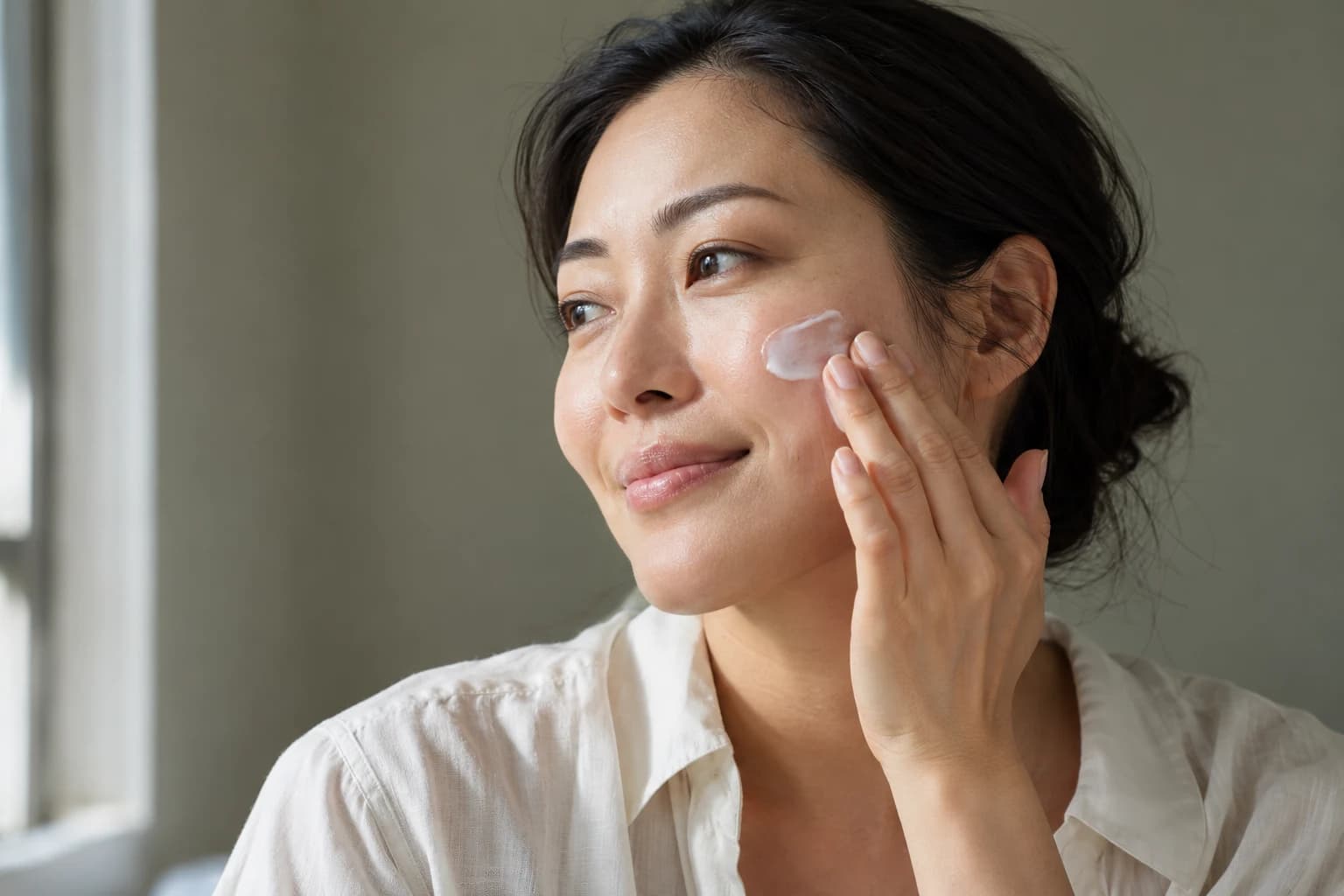
The best facial toner for mature skin is a hydrating, low-irritation formula that leaves skin comfortable and ready for serum or moisturizer—not tight, tingly, or squeaky-clean. Look first for humectants such as glycerin and hyaluronic acid, then consider barrier-supporting ceramides, niacinamide, peptides, or squalane according to your skin’s needs.
A good toner is less about “closing pores” than it is about making the post-cleanse moment more useful. For mature skin, that often means a cushiony liquid, watery serum, or soft milky essence that adds slip before the rest of your routine. The right choice can make layers feel more comfortable; the wrong one can turn an already fragile-feeling barrier into a red, parched situation.
How to choose a toner for mature skin
Start with the job you want the formula to do. Mature skin is not one skin type: it can be dry, oily, visibly uneven, breakout-prone, sensitive, or all of the above at different times. A toner should earn its place by addressing one priority without complicating the routine around it.
Use this buyer’s checklist before adding a bottle to your cart:
- Choose hydration when skin feels taut after cleansing, makeup catches on dry patches, or your moisturizer seems to vanish quickly.
- Choose a niacinamide-forward water serum when uneven-looking tone and barrier support are both priorities.
- Choose a peptide-forward essence if you prefer a more treatment-like, silky layer beneath moisturizer.
- Reserve exfoliating toners for people who specifically want gentle smoothing and can use them only as often as their skin tolerates.
- Favor fragrance-free formulas when skin is reactive, dry, or easily flushed; added scent is not a skincare benefit.
- Check your existing actives before buying. A toner with acids or vitamin C may not be the most flexible pick if your routine already includes potent treatments.
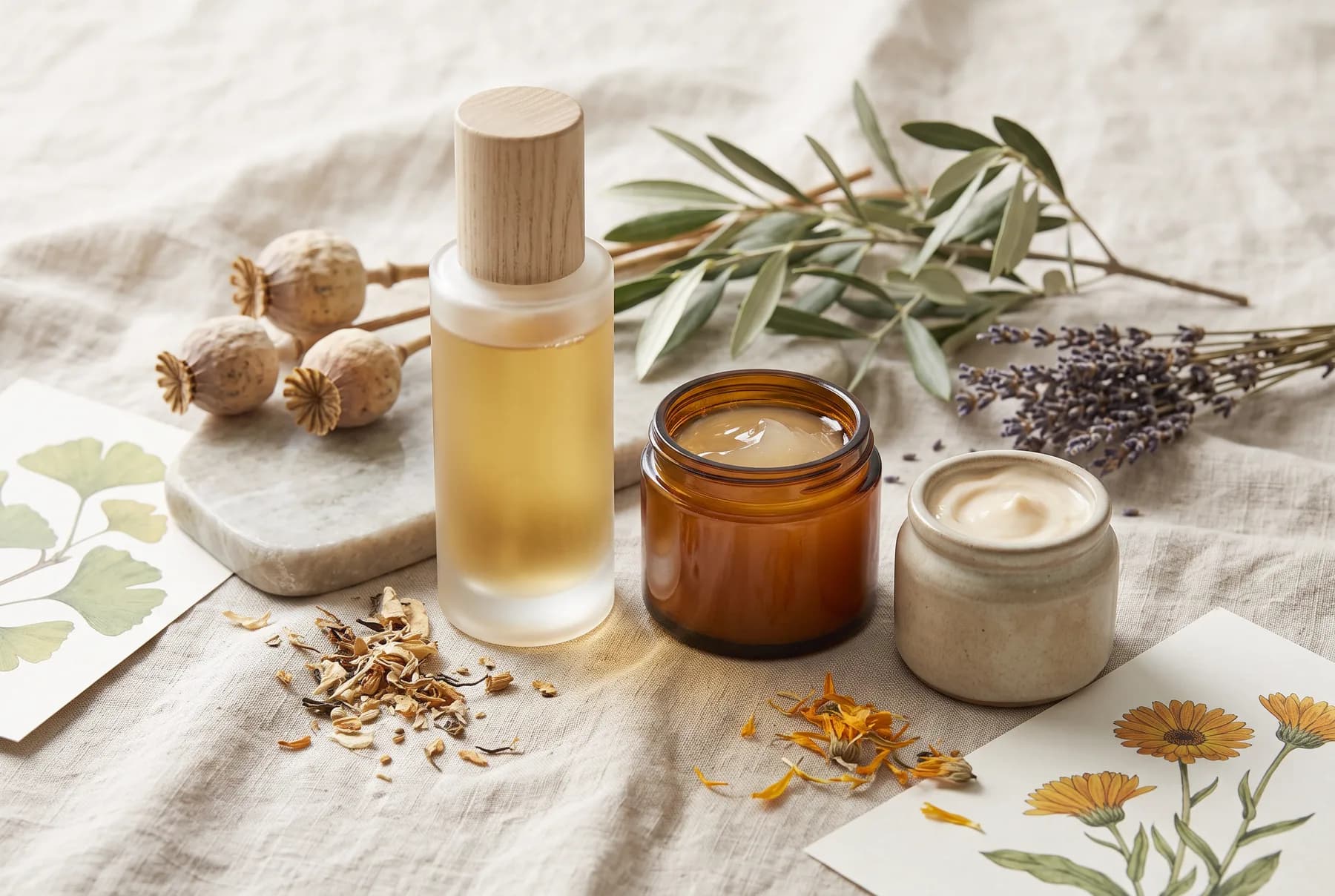
Think of the ingredient list as a texture-and-function map. Glycerin often gives a formula a lightly cushioned feel; hyaluronic acid can lend a plump, water-binding finish; ceramides and squalane make sense in more emollient, barrier-minded formulas. Niacinamide and peptides are useful options when you want a toner to do more than simply wet the skin.
| If your priority is... | Look for | Texture that often suits | Consider skipping |
|---|---|---|---|
| Tightness and dehydration | Glycerin, hyaluronic acid, ceramides | Watery lotion or milky toner | Strong alcohol-heavy astringents |
| A compromised-feeling barrier | Ceramides, squalane, glycerin, niacinamide | Soft essence or light emulsion | Fragrance if you know it irritates |
| Uneven-looking tone | Niacinamide and gentle antioxidants | Water serum | Stacking several strong actives at once |
| Dull surface texture | A carefully chosen exfoliating acid | Thin liquid | Daily acid use alongside retinoids |
| A streamlined routine | Multi-benefit humectant and peptide blend | Fast-absorbing essence | A complicated multi-acid formula |
There is no universal “best” price point. Value is a formula’s fit with your routine, the amount you will actually use, and whether it can replace a redundant hydration step—not the prestige of the bottle or the number of trendy ingredients on its label.
Toner textures and which one to buy
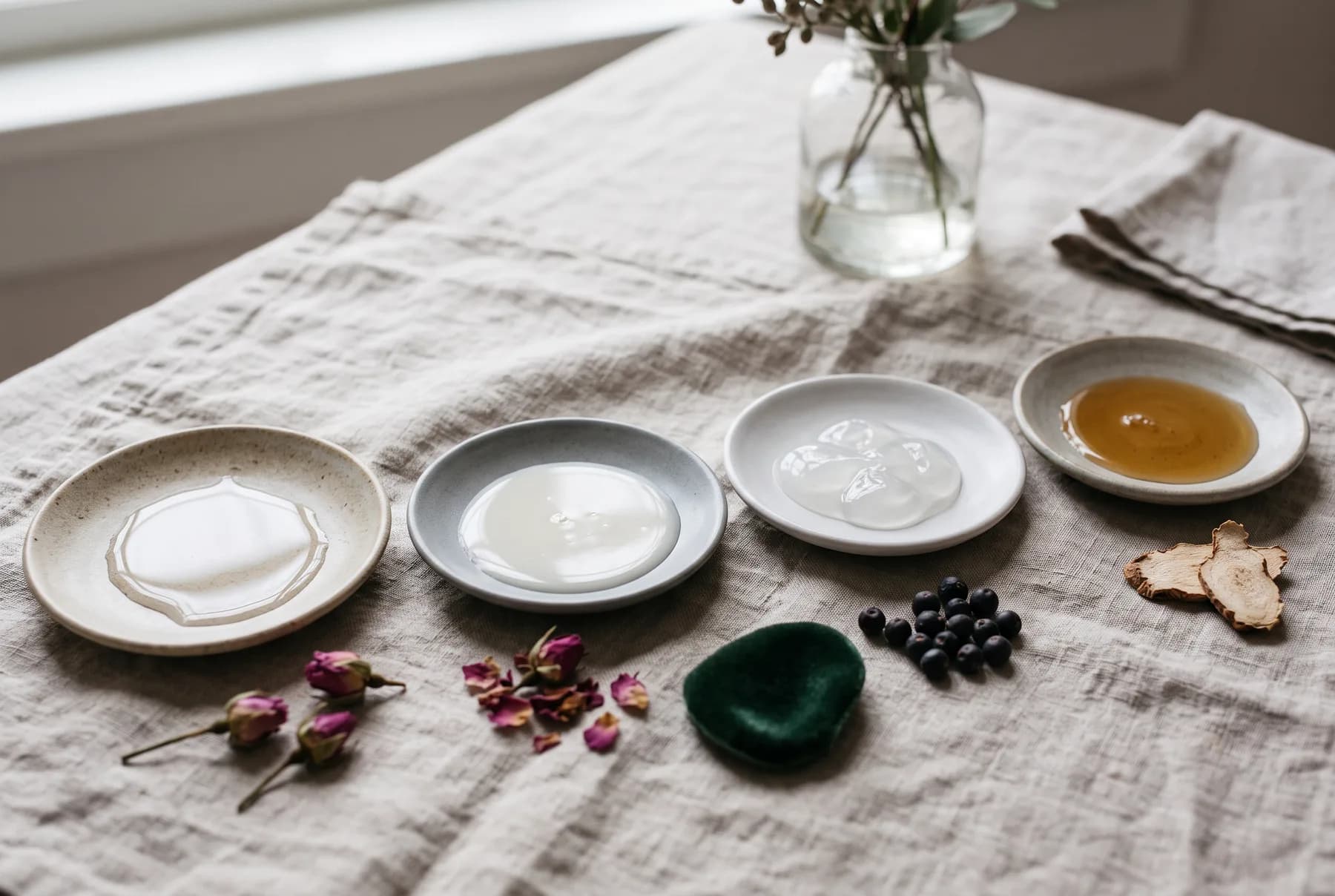
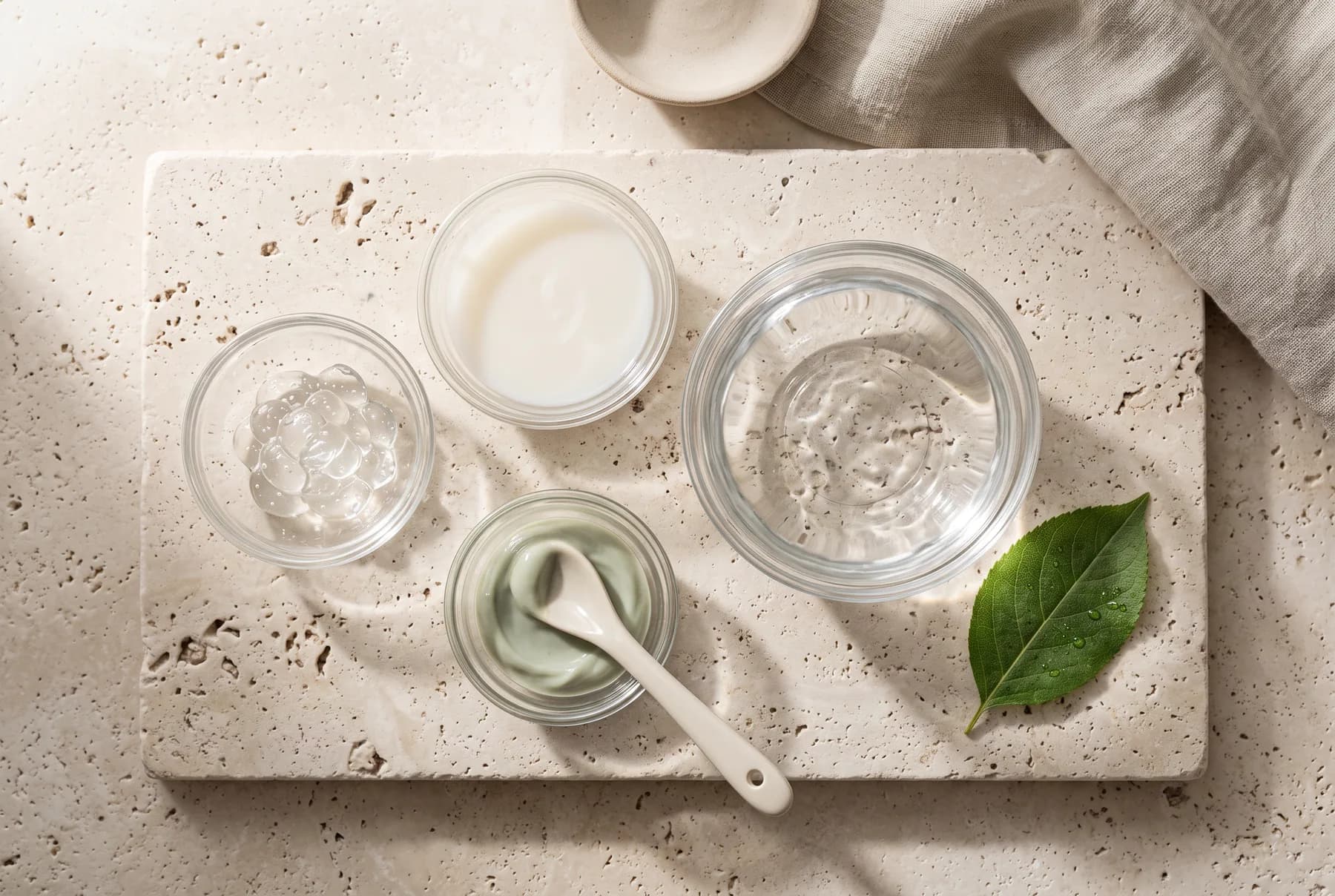
The word toner covers several very different formats. Knowing the texture you enjoy matters, because the best formula is one you will use consistently and layer without resentment—especially on mornings when your skin wants less fuss, not more.
Weightless water toner
This is the classic splashy liquid: clear, fast, and easy to press in with palms. It suits someone who dislikes residue, has normal-to-combination skin, or wants a hydrating step that disappears before vitamin C, sunscreen, or makeup.
Look for a water toner built around glycerin, hyaluronic acid, or niacinamide rather than one that relies on a strong astringent feel. The tradeoff is that a very thin formula may not provide enough comfort on its own for dry skin, so follow promptly with serum or cream.
Milky toner
A milky toner has a whisper of lotion in its texture—more slip than water, less weight than a cream. It is often the most intuitive format for dry or mature skin that feels easily dehydrated, especially in cold, low-humidity months.
This style can be a smart place to look for ceramides or squalane. If you use a richer moisturizer already, apply a modest amount; the goal is a comfortable first layer, not a stack that pills beneath sunscreen.
Essence or water serum
Essences and water serums tend to feel more treatment-oriented: silky, slightly viscous, and often designed with ingredients such as peptides or niacinamide. They suit the shopper who wants their toner step to carry more of the routine’s functional weight.
The tradeoff is cost per ounce. Compare the formula’s purpose with what you already own: if a niacinamide serum is in your cabinet, a plain hydrating toner may be the better value; if not, a niacinamide water serum can simplify the lineup.
Build your toner shortlist by skin mood
Instead of chasing a single bestseller, make a small shortlist based on what your skin is signaling now. This approach is particularly useful when seasonal dryness, a new retinoid, travel, or a change in cleanser has shifted your usual tolerance.
- For skin that feels dry by midday: choose a glycerin-and-hyaluronic-acid toner, ideally with ceramides or a lightly milky base. Apply it to slightly damp skin, then seal it in with moisturizer.
- For a delicate or sensitized-feeling routine: choose the shortest, fragrance-free hydrating formula you can find. Avoid treating a toner as the place to introduce multiple acids, strong antioxidants, and scent all at once.
- For uneven-looking tone with no current irritation: consider niacinamide in a watery serum or toner format. Keep the surrounding routine straightforward so you can tell how your skin responds.
- For someone who likes a polished, layered ritual: a peptide-forward essence can add a satin-like slip under cream. It will not replace sunscreen or a moisturizer, but it can make the in-between step feel purposeful.
- For a budget-minded routine: prioritize glycerin high on the ingredient list and a texture you enjoy. An elegant basic hydrator can be more useful than an expensive formula crowded with overlapping actives.
A gentle acid toner can still have a place, but it should be a deliberate category—not your default every night. If your skin is already using a prescription retinoid or other intensive leave-on active, simplicity is usually the more polished strategy.
How to layer toner with retinoids and other actives
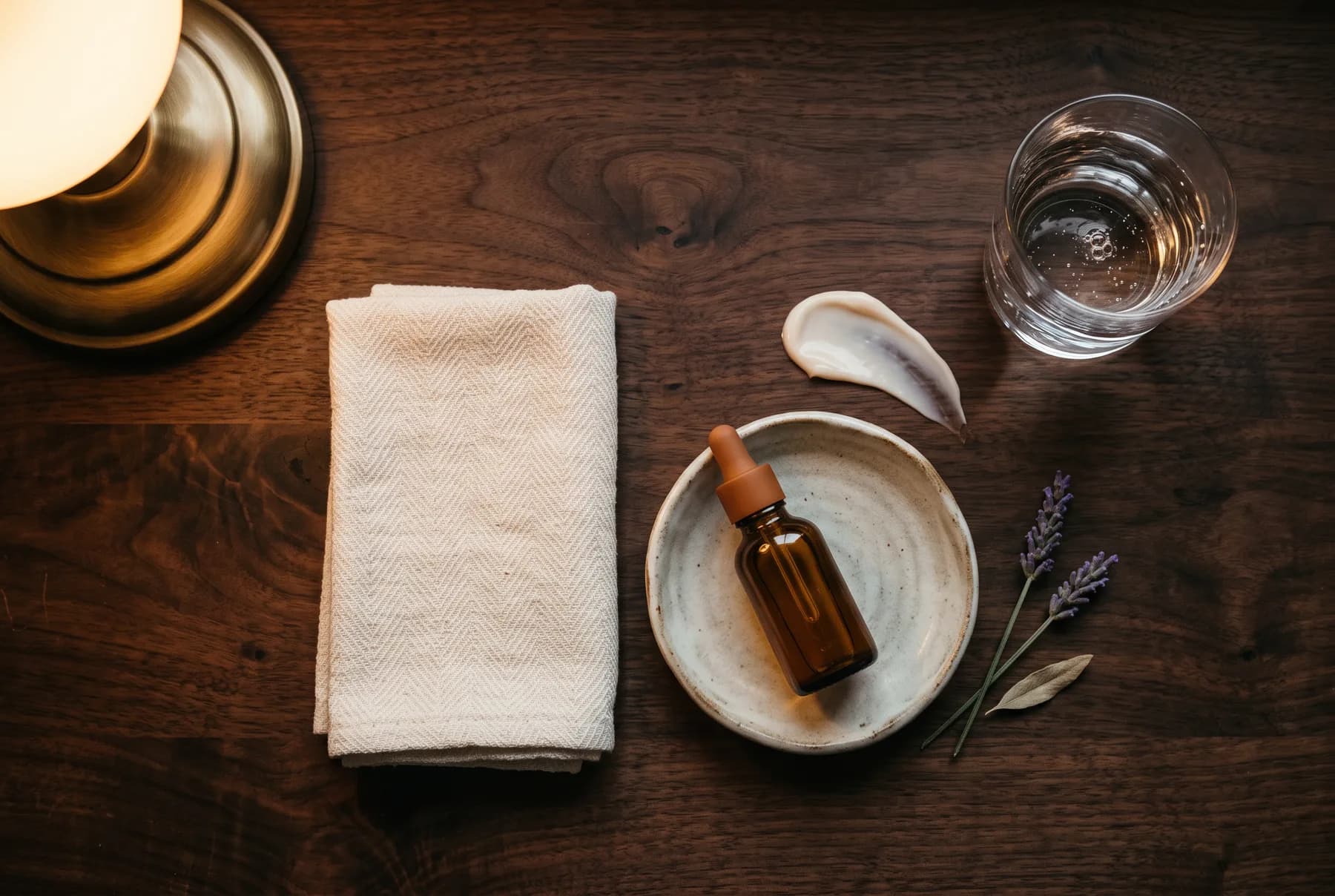
Toner goes after cleansing and before thicker serums and creams. But the practical order changes with your formula: a hydrating toner is usually easy to fit in, while an exfoliating toner requires more restraint around retinoids and other potentially irritating actives.
Morning routine
A hydrating toner can be a helpful first leave-on layer under antioxidant serum, moisturizer, and sunscreen. Use hands instead of a cotton round if you want to minimize friction and product waste.
- Cleanse gently, or rinse if that is what your skin tolerates best in the morning.
- Press a hydrating toner, essence, or water serum onto slightly damp skin.
- Apply your chosen treatment serum if you use one and it layers comfortably.
- Finish with moisturizer as needed and broad-spectrum sunscreen.
Evening routine on retinoid nights
On retinoid nights, make the toner boring in the best possible way: hydrating, non-exfoliating, and fragrance-free if sensitivity is a concern. Do not treat a daily acid toner as a companion product for a retinoid simply because both target texture.
- Cleanse and pat until skin is no longer dripping wet.
- Apply a simple hydrating toner only if it feels comfortable and does not contain exfoliating acids.
- Use your retinoid as directed by your prescribing clinician or according to the product instructions.
- Follow with a supportive moisturizer; a richer cream may be preferable when dryness is an issue.
Evenings without a retinoid
This is the more logical place to use an exfoliating toner if one is part of your routine. Start conservatively, keep an eye on dryness or stinging, and do not pile on several strong leave-on treatments in the same session.
- Use a hydrating toner on most nights if hydration is the primary goal.
- Use an exfoliating toner only at a frequency your skin comfortably tolerates.
- Follow an acid toner with a simple, soothing moisturizer rather than another strong active.
- Return to a plain hydrating formula when skin feels tender, flaky, or unusually reactive.
The toner mistakes that make mature skin feel worse
The most common mismatch is choosing a toner for an old-school sensation: burn, chill, or squeak. Those signals do not prove a formula is effective, and they can be especially unhelpful when the skin barrier is already less resilient.
Avoid these buying and routine traps:
- Mistaking alcohol-heavy astringency for cleanliness. Clean skin does not need to feel stripped.
- Using a strong exfoliating toner every day to chase smoothness, then adding retinoids on top.
- Selecting a heavily perfumed formula when you already know fragrance is a trigger.
- Buying a treatment essence with the same active you use in a separate serum, without a reason to double up.
- Applying too much of a milky toner and blaming sunscreen when the layers pill.
The elegant approach is not maximalism. It is a toner that makes your cleanser, treatment, moisturizer, and sunscreen work together with less friction—literal and figurative.
Related reading
- Best Moisturizers for Mature Skin: Formula Guide
- Eye Creams for Mature Skin: How to Choose
- Hyaluronic Acid Serum for Sensitive Skin
Frequently asked questions
Is toner necessary for mature skin?
No. A toner is optional, but a hydrating one can be useful if cleansing leaves skin feeling dry or if you want a lighter first layer before serum and moisturizer. Skip it if your current routine already feels comfortable and well-layered.
What is the best hydrating toner for mature skin?
Look for glycerin and hyaluronic acid, with ceramides, squalane, or niacinamide as helpful additions depending on your goals. A milky toner may suit dry skin, while a clear water toner may better suit someone who prefers no residual feel.
Can I use an exfoliating toner with retinol or a prescription retinoid?
Using both in the same routine can increase the chance of over-exfoliation and irritation. A simple hydrating toner is the lower-friction choice on retinoid nights; ask a dermatologist or prescribing clinician for personalized guidance about active combinations.
Should I apply toner with cotton pads?
You can, but hands are often a gentler, lower-waste option for hydrating liquids and essences. Cotton can be useful for a formula specifically intended for light exfoliation, provided you are not rubbing aggressively.
Sources
- Allure: Best Toners for Mature Skin
- Vogue: Dermatologists on Toners for Mature Skin
- National Center for Biotechnology Information: ingredient and skin-barrier literature
Clear guidance, checked before publication.
Solvi articles are structured by our editorial team and reviewed for clarity, consistency, and responsible health language. We update pages when guidance or product information changes.

Zoe Mitchell
Beauty Trends Editor. Zoe keeps a close eye on viral routines, new launches, and the skincare conversations moving fastest online. She asks which trends are useful, which need context, and which can be skipped.