How to pick the best laundry detergent for sensitive skin


Pick a fragrance- and dye-free liquid detergent labeled hypoallergenic or non‐bio, and plan an extra rinse or a second wash if you suspect residue. These choices reduce scent and dye triggers and make rinsing more effective, which matters more than trendy formats or scents for reactive skin.
What to look for on the label
Start with three firm criteria on the front panel: fragrance-free, dye-free, and a hypoallergenic or "free-and-clear" claim. Those labels indicate the formula avoids fragrance oils and colorants that are common irritants. If a product advertises "non-bio" or "enzyme-reduced," it can be gentler on inflamed skin, because enzymes sometimes leave residues that sensitize.
Look at the ingredient list on the back: simpler is better. Short ingredient lists with named surfactants (no proprietary "fragrance" blocks) and no added optical brighteners reduce risk of hidden sensitizers. If certification or third‐party testing is noted, treat it as a positive but not the sole decision factor — many good hypoallergenic formulas emphasize rinse performance rather than badges.
For people who react quickly, a practical test is to wash a single lightweight cotton item and wear it against the skin for 24 hours before committing to a full switch. If you spot redness, itching, or burning, rinse clothing again and try a different low-residue formula.
Formats and who they suit

Laundry detergent now comes in several formats: liquid, powder, pods, and sheets/strips. Each has tradeoffs for sensitive skin. Liquids (especially clear, low‐surfactant ones) typically dissolve fully and rinse cleanly; they’re a solid default for reactive skin. Powders can be fine when fully dissolved in warm water but risk leaving undissolved particles in cold cycles. Pods are convenient but often fragranced and contain concentrated enzymes and dyes; avoid pods if you have reactivity.
Sheets and laundry strips advertise low packaging waste and dosing simplicity; choose unscented, non‐bio variants if you try them. For delicates and baby clothes, look for non‐bio or baby‐safe liquid formulas, because they emphasize low‐enzyme activity and gentle surfactants.
| Format | Strength for sensitive skin | Tradeoff to consider |
|---|---|---|
| Liquid (free-and-clear) | High — dissolves, low residue | Heavier packaging, dosing needed |
| Powder (unscented) | Moderate — cost-effective | May not dissolve in cold wash |
| Pods | Low — often fragranced/dyed | Highly concentrated, harder to rinse |
| Sheets/strips (non-bio) | Moderate to high — minimal packaging | Newer format; rinse performance varies |
Why hypoallergenic and non-bio matter
"Hypoallergenic" is a marketing term with variable definition, but in laundry it signals a manufacturer has reduced common irritants like fragrance and colorants. "Non‐bio" (or enzyme‐reduced) formulas avoid strong biological enzymes used to break down stains; these enzymes occasionally leave residues that can trouble barrier‐compromised skin.
If you or a family member has eczema, rosacea, or very reactive contact dermatitis, prioritize non‐bio and fragrance‐free liquids. The practical reason is rinse performance. A formula can be fragrance‐free but still leave a surfactant film; non‐bio and low‐surfactant lines focus on quick rinse-off and minimal residual odor or feel.
Match the label to the use case: baby linens, cloth diapers, or towels that contact inflamed skin benefit from non‐bio liquids and extra rinses. For heavily soiled items, pre‐treat with a small amount of an enzyme product only if the skin condition is not currently flaring.
How to wash for less residue
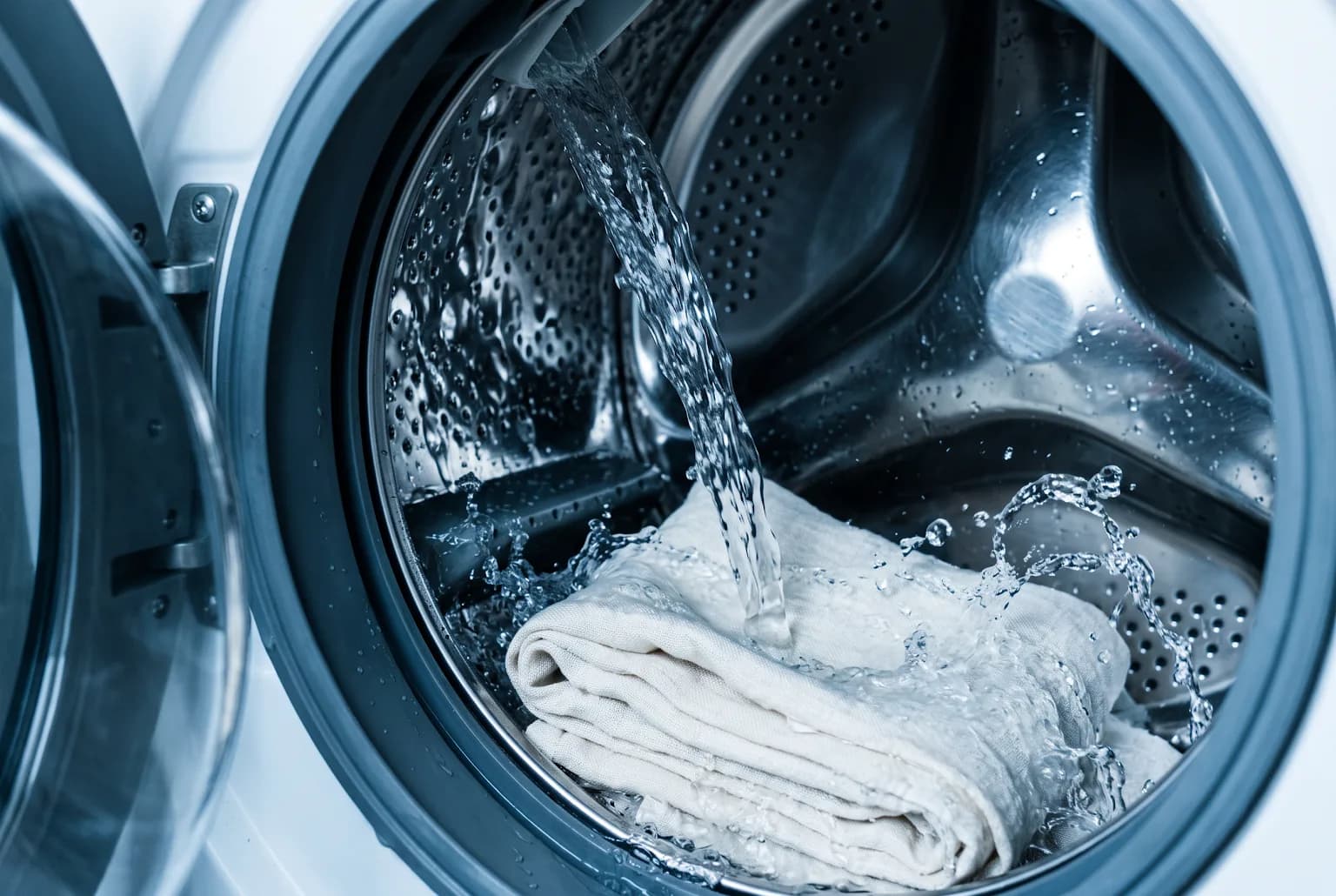
Your machine settings and routine are as important as the formula. Start with these steps for minimal residue: use the recommended (or slightly reduced) dose, select a full wash cycle with at least one rinse, and choose warm water for greasy soils but cold for delicate fabrics. If you suspect residue, run an extra rinse cycle or a second quick wash with plain water.
Routine steps to reduce residue:
- Measure — use the manufacturer’s lower-end dose for lightly soiled loads.
- Pre-dissolve powders or strips in water when in doubt; liquids usually don’t need pre-dissolving.
- Choose a regular or heavy rinse option; use the washer’s extra‐rinse if available.
- For sensitive skin, consider a second rinse instead of fabric softener.
If residue persists on seams or elastic, hand-rinse those areas after washing. For oily stains, use a targeted spot cleaner and then launder normally; avoid repeated heavy dosing, which increases the chance of film.
Tradeoffs and decision criteria explained
When comparing formulas, weigh these concrete criteria: clear labeling (fragrance-free, dye-free), rinse performance (does it rinse cleanly in one cycle?), and suitability claims (baby-safe, non‐bio, or hypoallergenic). Price and sustainability matter too — concentrated liquids reduce packaging waste but may be harder to judge for dosing. If you have hard water, look for a formula that advertises low-residue performance in hard water, or consider adding a water softener, because minerals can trap surfactants on fibers.
Practical decision examples:
- You have chronic eczema: choose a non‐bio, fragrance- and dye-free liquid and plan to use extra rinse cycles for towels and sheets.
- You want low waste: try fragrance‐free laundry strips labeled non‐bio — test one small load to verify rinse-off.
- You do a lot of cold washes: avoid powders unless you pre-dissolve them, and favor liquids formulated for cold water.
A practical shopping checklist and what to review
When scanning a store shelf or product page, tick these boxes quickly: fragrance-free ✔, dye-free ✔, labeled hypoallergenic or non‐bio ✔, clear ingredient list ✔, and rinse guidance or extra‐rinse recommendation ✔. Don’t be tempted by marketing claims alone — check the back panel for optical brighteners, fragrance terms, and concentrated enzymes.
Shopping checklist (printable):
- Front label: fragrance-free, dye-free, or "free-and-clear"
- Back panel: short ingredient list; named surfactants, no parfum
- Usage notes: extra-rinse recommended or good rinse performance
- Format match: liquid for daily use; strips or powders only after a trial
- Trial step: wash a single plain cotton garment and wear it for 24 hours
For further reading on sensitive-skin lifestyle swaps, you might find our guides on related care helpful: a calmer shave routine in Best Shaving Cream for Sensitive Skin: The Low-Irritation Shopping Guide, and how to protect a barrier during nightly routines in Double Cleansing for Sensitive Skin: The Low-Friction Guide.
Laundry for babies and eczema-prone skin
For infants and for anyone with actively inflamed eczema, err on the side of extra rinsing and simpler formulas. "Baby-safe" labels can be helpful but read the back for "fragrance-free" and "dye-free." Use one load setting for baby clothes and linens, and avoid fabric softeners and dryer sheets — they deposit scents and conditioning agents that may irritate.
If cloth diapers are in your routine, follow the diaper manufacturer’s cleaning guidance and favor non‐bio detergents that emphasize stain removal while minimizing enzyme load. Replace or rewash any garment that still smells of detergent after drying, and consider an extra cold-water rinse to remove surfactant residue.
For cross-reference on sensitive infant items and materials, our companion article on The best diapers for sensitive skin: a lab-minded buyer’s guide explores fabric and closure choices that reduce friction and chemical exposure.
Frequently asked questions
What is the gentlest type of detergent for sensitive skin?
The gentlest options are fragrance- and dye-free liquid detergents labeled hypoallergenic or non‐bio. Liquids tend to dissolve completely and rinse well, which reduces leftover film that can irritate reactive skin. Always perform a small patch-test wash before switching entire loads.
Are laundry strips safe for people with eczema?
Non‐bio, fragrance-free laundry strips can be a low-waste option for eczema-prone skin, but rinse performance varies by brand and water temperature. Test a single load and pay attention to whether the fabric feels slick or scented after washing; if it does, rinse again or choose a liquid formula.
Should I avoid pods if I have sensitive skin?
Pods are convenient but often contain fragrances, concentrated enzymes, or film-forming ingredients that can cause reactions. If you have sensitive or reactive skin, avoid pods until you’ve verified a fragrance-free, dye-free pod that explicitly advertises low-residue performance.
How many rinses are safe to use without damaging clothes?
Using one extra rinse cycle (two total) is safe for most fabrics and significantly reduces residue. For delicate items, use the washer's gentle cycle with an extra rinse; for sturdy fabrics like towels and sheets, a quick second wash with plain water is fine. Avoid overwashing fragile items to prevent wear.
Related Reading
- The best diapers for sensitive skin: a lab-minded buyer’s guide
- Best electric shaver for sensitive skin: choose foil, rotary, or adjustable settings
- The best face exfoliator for sensitive skin: a gentle guide
Sources
- NBC Select — best detergents for sensitive skin (derm input)
- Reader-tested cleaning product roundups (2026)
- General guidance on hypoallergenic laundry care
Clear guidance, checked before publication.
Solvi articles are structured by our editorial team and reviewed for clarity, consistency, and responsible health language. We update pages when guidance or product information changes.

Zoe Mitchell
Beauty Trends Editor. Zoe keeps a close eye on viral routines, new launches, and the skincare conversations moving fastest online. She asks which trends are useful, which need context, and which can be skipped.


