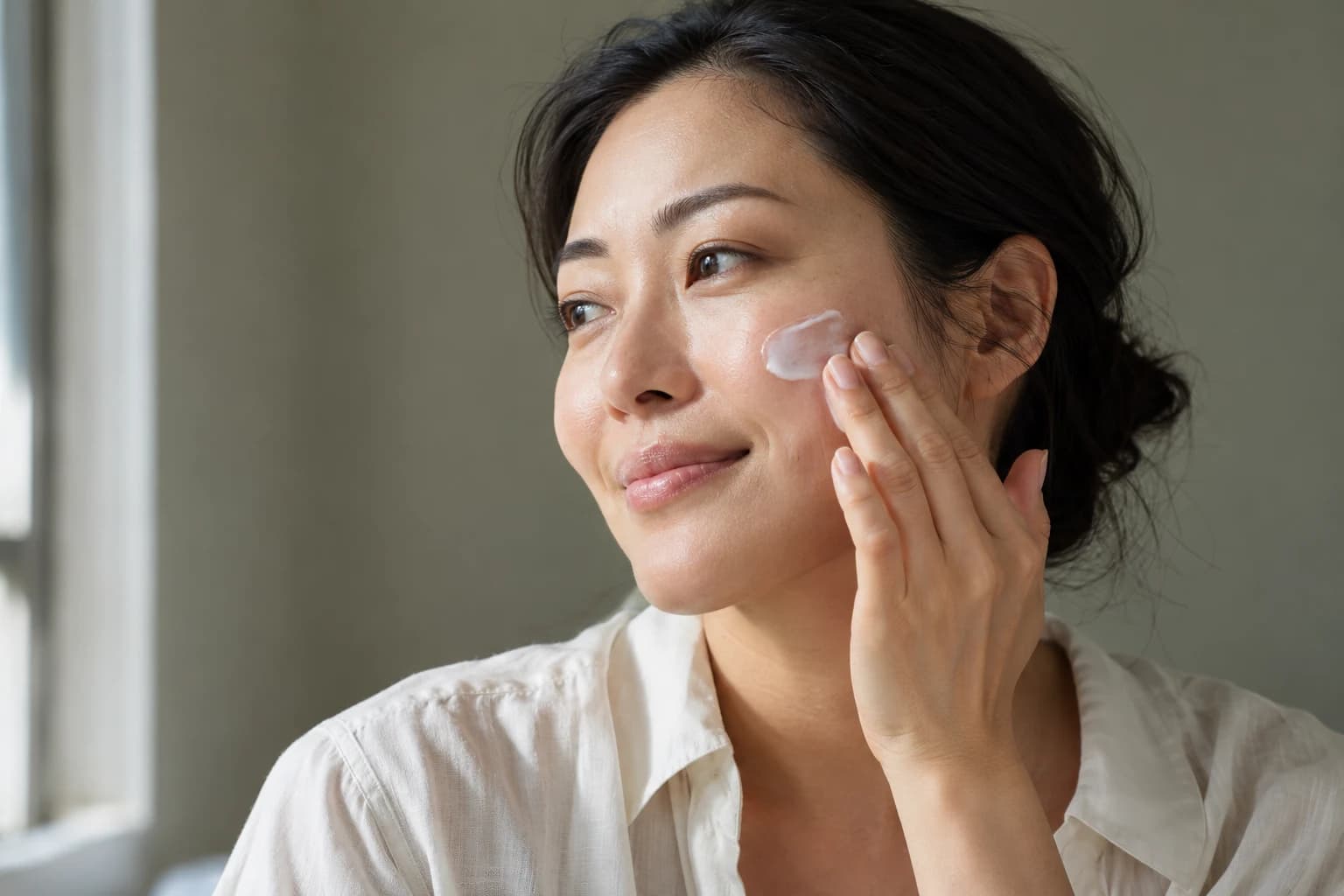
Best highlighter for mature skin: gel, liquid, or powder?

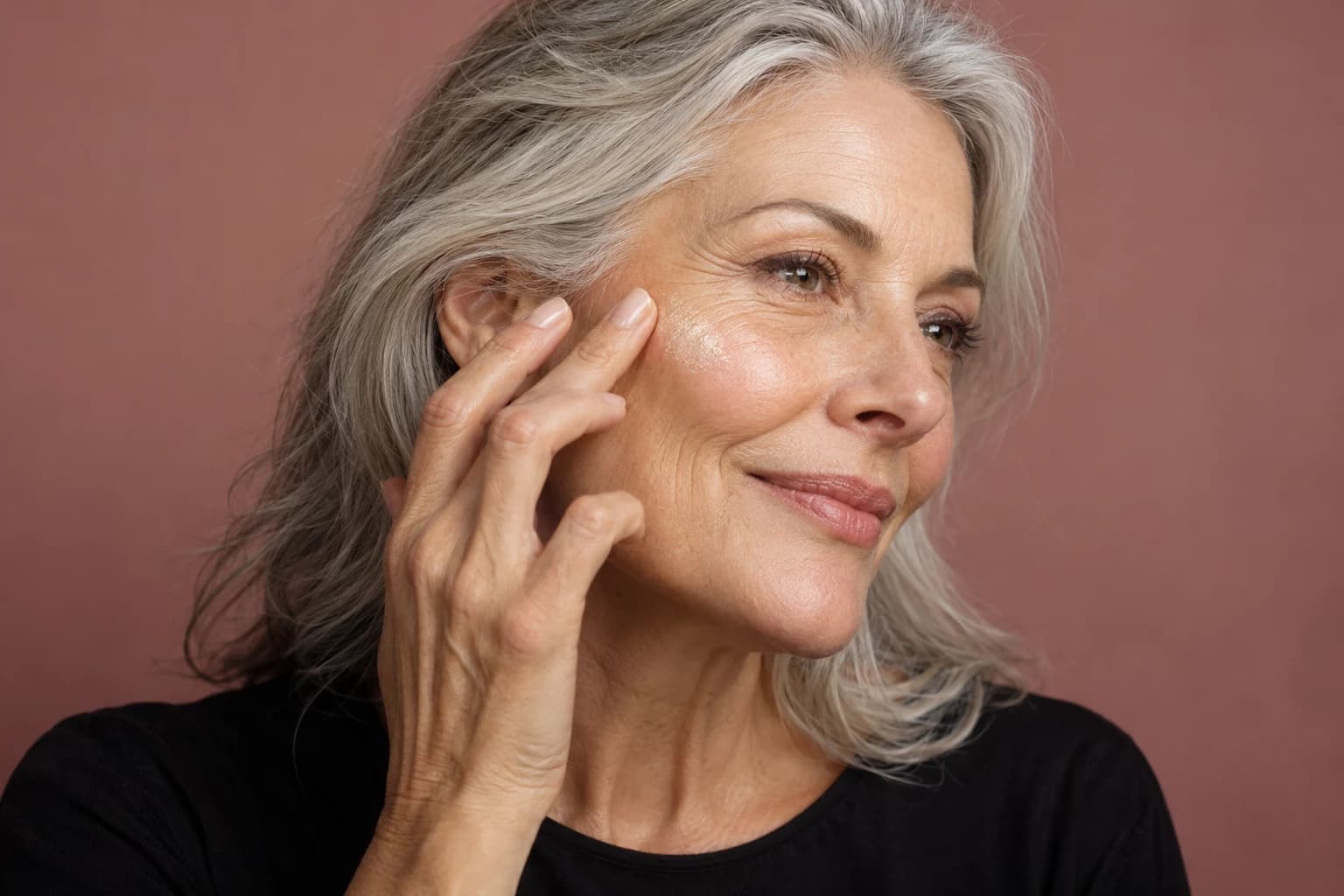
For mature skin, choose a highlighter by the amount of shine you want and how it behaves over your usual makeup. Westman Atelier Lit Up Highlight Stick offers a translucent gel finish, Rare Beauty Positive Light Liquid Luminizer offers a liquid pearl effect, and Rare Beauty Positive Light Silky Touch Highlighter is a powder option. A light application and a suitable shade can matter more than whether the formula is liquid or powder.
There is no age at which powder becomes forbidden or shimmer becomes inappropriate. Skin dryness, texture, preferred finish, and application technique are more useful buying criteria than the word “mature” alone.
Three highlighters with different jobs
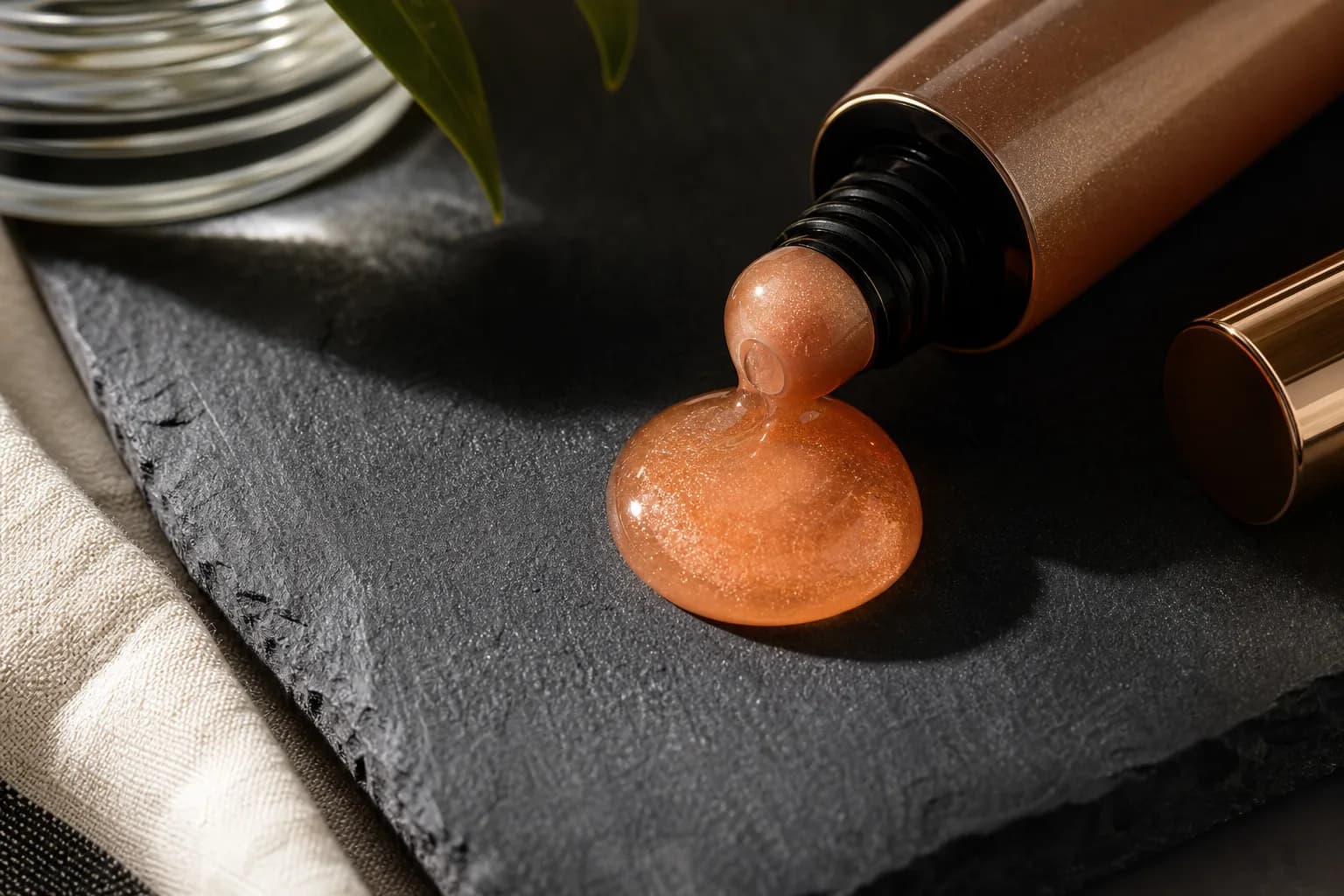
The details below come from current manufacturer pages. These are editorial comparisons, not claims that we tested wear time or measured how the products settle into lines.
| Product | Actual format | Consider it for | Main decision |
|---|---|---|---|
| Westman Atelier Lit Up Highlight Stick | Translucent gel stick; glassy finish | A small, dewy accent and fingertip application | Do you enjoy a balmy-looking glow rather than a dry finish? |
| Rare Beauty Positive Light Liquid Luminizer | Liquid with fine light-reflecting pearls | Adjustable placement from a small amount of liquid | Can you find a shade with the depth and undertone you want? |
| Rare Beauty Positive Light Silky Touch Highlighter | Powder highlighter | A brush-applied highlight over an already set base | Do you prefer powder handling and a more luminous effect? |
The official pages identify Lit Up as a gel stick, distinguish Positive Light Liquid Luminizer, and describe Silky Touch as powder. Similar product names are not interchangeable formulas.
Start with your base and preferred finish
If you wear little foundation, a translucent gel can provide a small highlight without adding much visible coverage. If you like controlling a liquid dot with your fingertip or sponge, a liquid luminizer is worth comparing. If your makeup is already set with powder, a soft brush application may be easier than pressing a balmy product over it.
These are starting points, not compatibility laws. A powder can look soft, and a liquid can look conspicuous. The amount of reflective pigment, the shade, and the size of the highlighted area all change the result.
Think about the effect in ordinary lighting. Do you want a glow visible only when you turn your head, or a clear highlight even when facing forward? The first goal usually calls for less product and a closer shade match; the second invites a stronger contrast.
Choose shade depth before chasing undertone rules
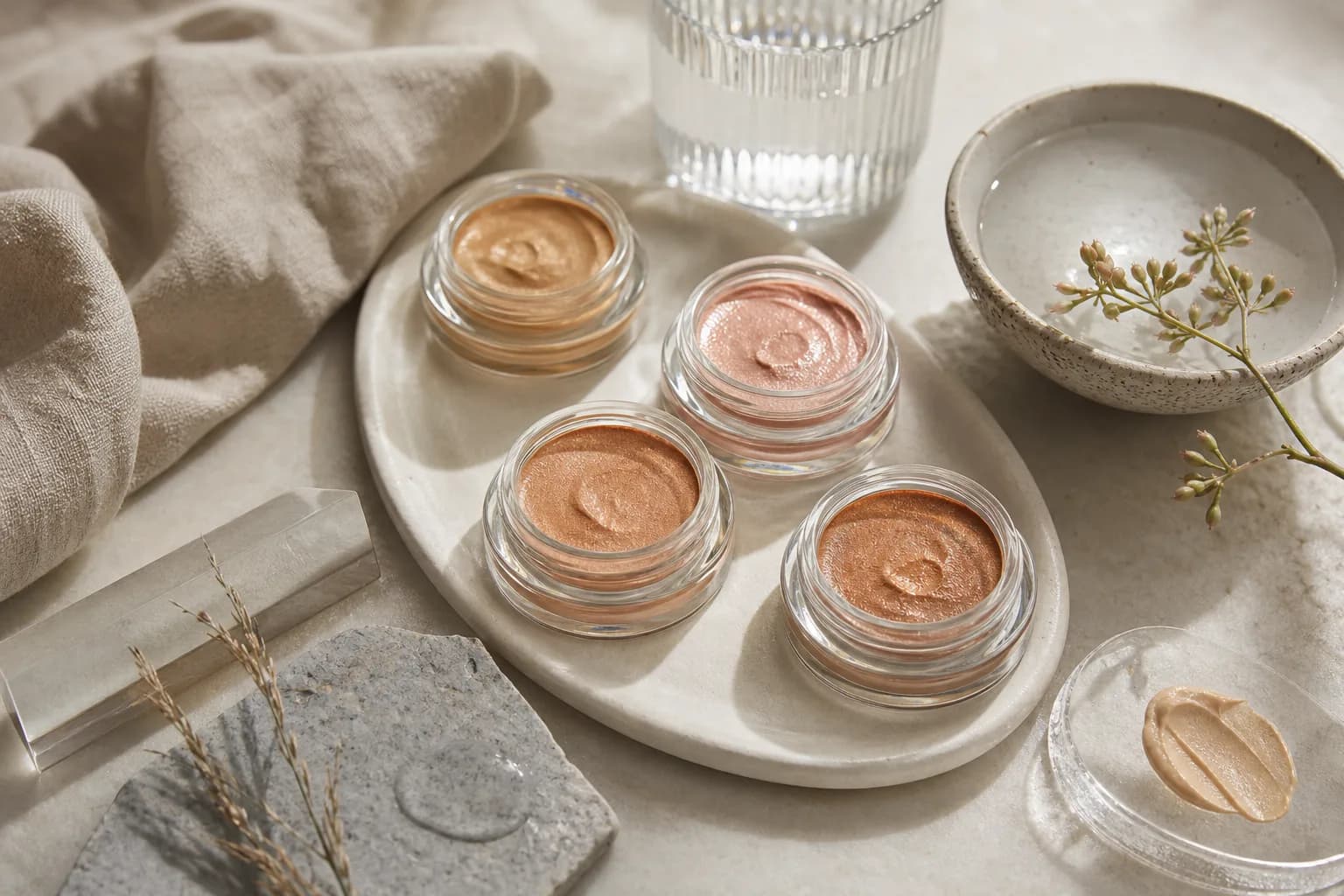
A very pale highlight can leave a visible stripe on deeper skin even when its undertone is attractive. A bronze shade can act more like a luminous cheek color on fair skin. Compare the product against your own complexion after blending, not only in a thick hand swatch.
For a low-contrast finish, start near your skin's depth and then compare warm, cool, or neutral reflections. Champagne, rose, gold, and bronze are useful descriptions, but shade names are inconsistent between brands.
In the Rare Beauty liquid range, for example, the manufacturer describes Enlighten as cool champagne and Reflect as deep bronze. Westman's Brûlée is a bronze-gold option. Those descriptions help narrow a search; they cannot substitute for seeing the shade on your skin.
If you wear bronzer, compare both products together. Our bronzer guide for mature skin can help you separate warmth from shine so you do not buy two products for the same effect.
Use a small placement test before a full application
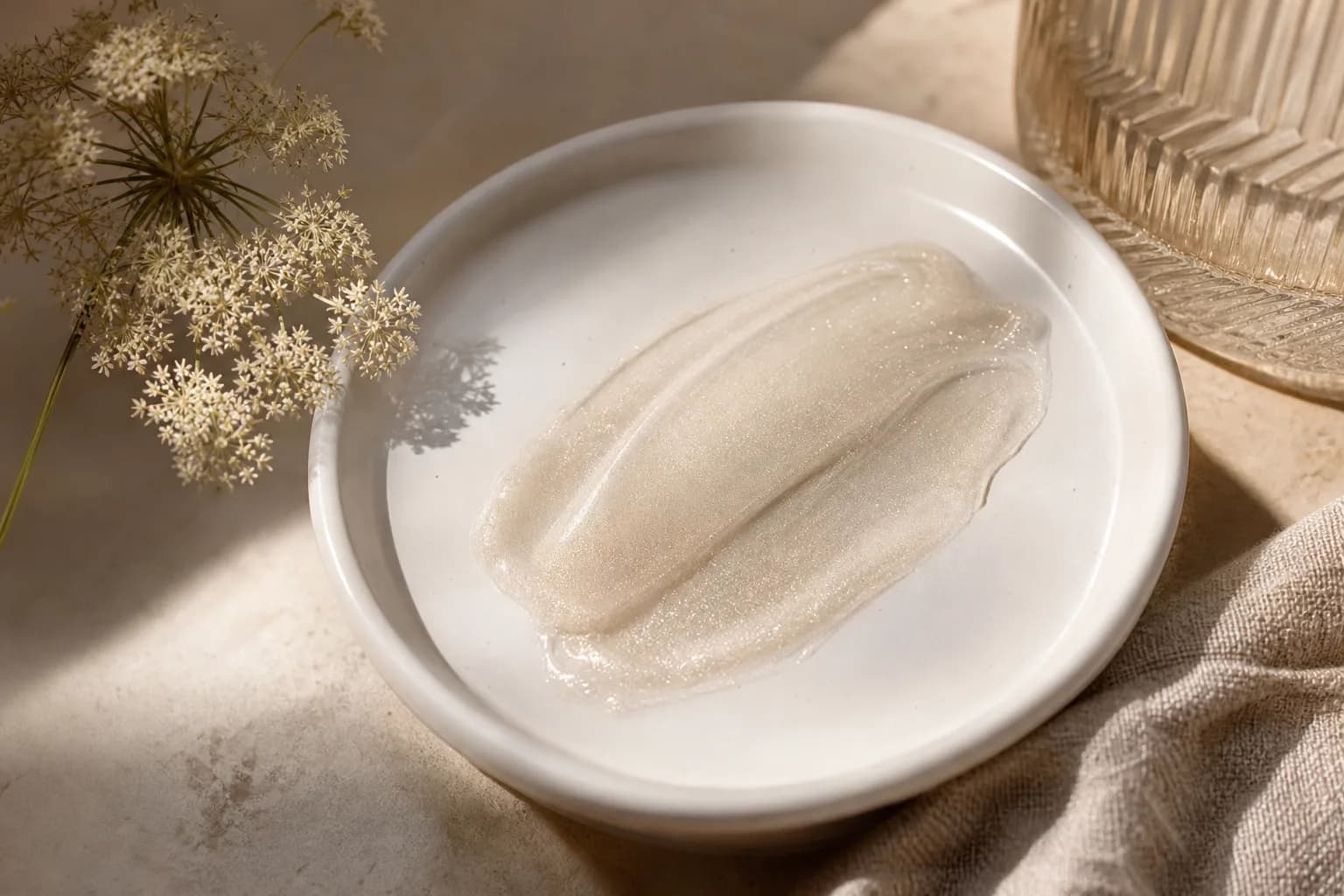
Begin with a small amount on the upper cheek where you want light to catch. Blend the edges, turn toward a window, and check the result from the front and side. Add more only if the first layer looks too subtle for your preference.
With a stick, you can pick up a little product with a clean fingertip instead of dragging it directly across foundation. With a liquid, place a small amount on the back of your hand first if the applicator deposits more than you need. With powder, load the brush lightly and build gradually.
Avoid treating an entire cheek as one uniform highlight zone. A smaller area lets you choose where the reflection sits. It also makes it easier to compare how the product behaves on a smoother area versus a drier one.
Troubleshoot texture without blaming your skin
If a highlighter looks patchy, first check the layer underneath. Foundation that has collected on dry patches can become more noticeable once light reflects from it. Adding a second highlighter usually makes that harder to evaluate.
Try the product once over your usual base and once over a simpler, moisturized base on another day. Keep the amount and lighting similar. That gives you a practical comparison between a formula issue and a layering issue.
A comfortable daytime moisturizer can make makeup application easier, but no moisturizer or highlighter guarantees that normal skin texture disappears. If your base is already comfortable, do not replace it simply because a magnifying mirror shows lines.
Keep eye placement specific to the product
A cheek highlighter is not automatically suitable for every part of the eye area. Read the directions for the exact product and shade. Rare Beauty's Silky Touch page, for example, excludes the shade Reveal from eye-area use even though it describes other shades as usable as eyeshadow.
For a brow-bone effect, choose a product explicitly suitable for that use and keep it away from the waterline and eye itself. If you are planning a full eye look, our eye-primer guide is a more relevant starting point than improvising with every cheek product.
Make the purchase fit your routine
Choose the Westman gel if a portable, translucent accent is the attraction. Compare the Rare Beauty liquid if you want a liquid format and more shade options. Keep Silky Touch on the shortlist if you enjoy powder application; age alone is no reason to exclude it.
Before buying, consider how much product you actually use, whether the packaging suits your application method, and whether you can try the shade or return an unsuitable match. A large bottle is poor value if you dislike using it.
When evaluating a sample, move away from intense shop lighting. Check the color in daylight and the softer light where you usually wear makeup. The goal is a finish you enjoy throughout your day, not the strongest reflection under a display spotlight.
Frequently asked questions
Is cream highlighter always better for mature skin?
No. A cream or gel may suit your preferred finish, while powder may work better over your usual base. Try the texture you enjoy and judge the actual result.
Can I mix liquid highlighter into foundation?
Follow the highlighter's directions. Rare Beauty describes that use for its liquid luminizer, but mixing changes coverage and finish. Do not mix it into sunscreen or assume a mixed foundation retains any labeled SPF.
How do I avoid an obvious stripe?
Try less product, a shade closer to your skin depth, and softer edges. Check the result facing forward as well as with your head turned toward the light.
Clear guidance, checked before publication.
Solvi articles are structured by our editorial team and reviewed for clarity, consistency, and responsible health language. We update pages when guidance or product information changes.

Amara Lewis
Sensitive Skin Writer. Amara is fascinated by calm, barrier-first skincare and the small details that make a routine easier to tolerate. She favors thoughtful formulas, slow introductions, and less guesswork.