The best sunscreen for sensitive skin kids: mineral-first picks and how to choose


Use mineral filters (zinc oxide or titanium dioxide), fragrance-free SPF 30–50 lotions or sticks; prefer NEA-accepted or pediatric-recommended products and rely on shade and clothing for infants under six months. That short prescription answers the search: what makes the best sunscreen for sensitive skin kids is the formula (mineral, fragrance-free), the format (lotion or stick for easier, less-irritating application), and sensible layering of physical barriers.
Why mineral sunscreens are the top choice
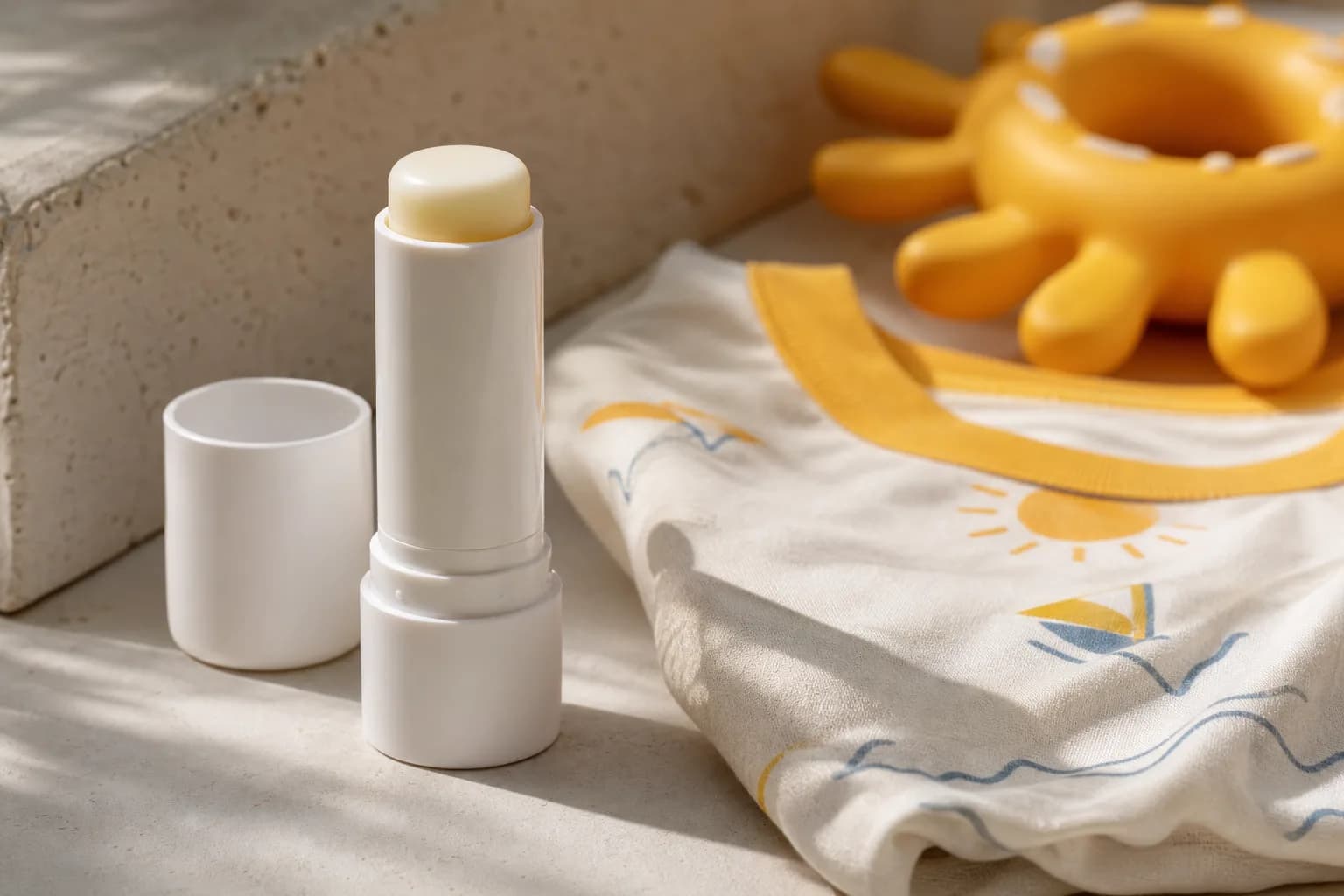
Mineral sunscreens—those that use zinc oxide and/or titanium dioxide—work by sitting on the skin and reflecting UV rays rather than being absorbed. For sensitive children, that physical action reduces the risk of chemical irritation and is the primary reason pediatricians and many skin guides favor mineral-first options. Zinc oxide provides broad-spectrum protection across UVA and UVB wavelengths; titanium dioxide fills in coverage and can make textures less paste-like in some formulas.
Mineral filters can feel thicker and can leave a white cast on deeper skin tones, which is a tradeoff parents balance against gentleness. If the white cast is a concern, look for micronized (but not nano-scale if you prefer coarser particulate) zinc formulas or tinted mineral sunscreens designed for kids. Choose lotion or stick formats for application accuracy—the texture matters more for fussy toddlers than the exact SPF number within the recommended 30–50 range.
who benefits most from mineral sunscreens?
Mineral-first is best for infants, children with eczema, or kids who flare from fragrances, preservatives, or alcohol-based sprays. Mineral filters are also a sensible default when you don't have time to trial a new product on small, reactive skin.
why-mineral-sunscreens-are-the-top-choice
How to pick gentle formulas for sensitive kids
Start with the four decision criteria that separate a sensitive-skin-safe sunscreen from a generic one: mineral filters (zinc oxide ± titanium dioxide), fragrance-free labeling, a lotion or stick format for controlled application, and broad-spectrum SPF 30–50 with some water resistance for swim days. If you see NEA-accepted wording or pediatric recommendations called out on the product page, treat that as an added reassurance—examples in the market include mineral formulations that are marketed specifically for kids.
Check the ingredient list for common irritants: avoid fragrance or parfum, limonene/linalool (common scent additives), and unnecessarily high alcohol content. For preservative sensitivity, products labeled for sensitive skin or baby use often use gentler preservative systems or single-use packaging like sticks and small tubes.
Layering matters: for infants under six months, the priority is shade, clothing, and hats. For older infants and toddlers, apply a mineral lotion to exposed areas 15–30 minutes before sun exposure and reapply every two hours or after swimming.
Lotion, stick, or spray: format tradeoffs
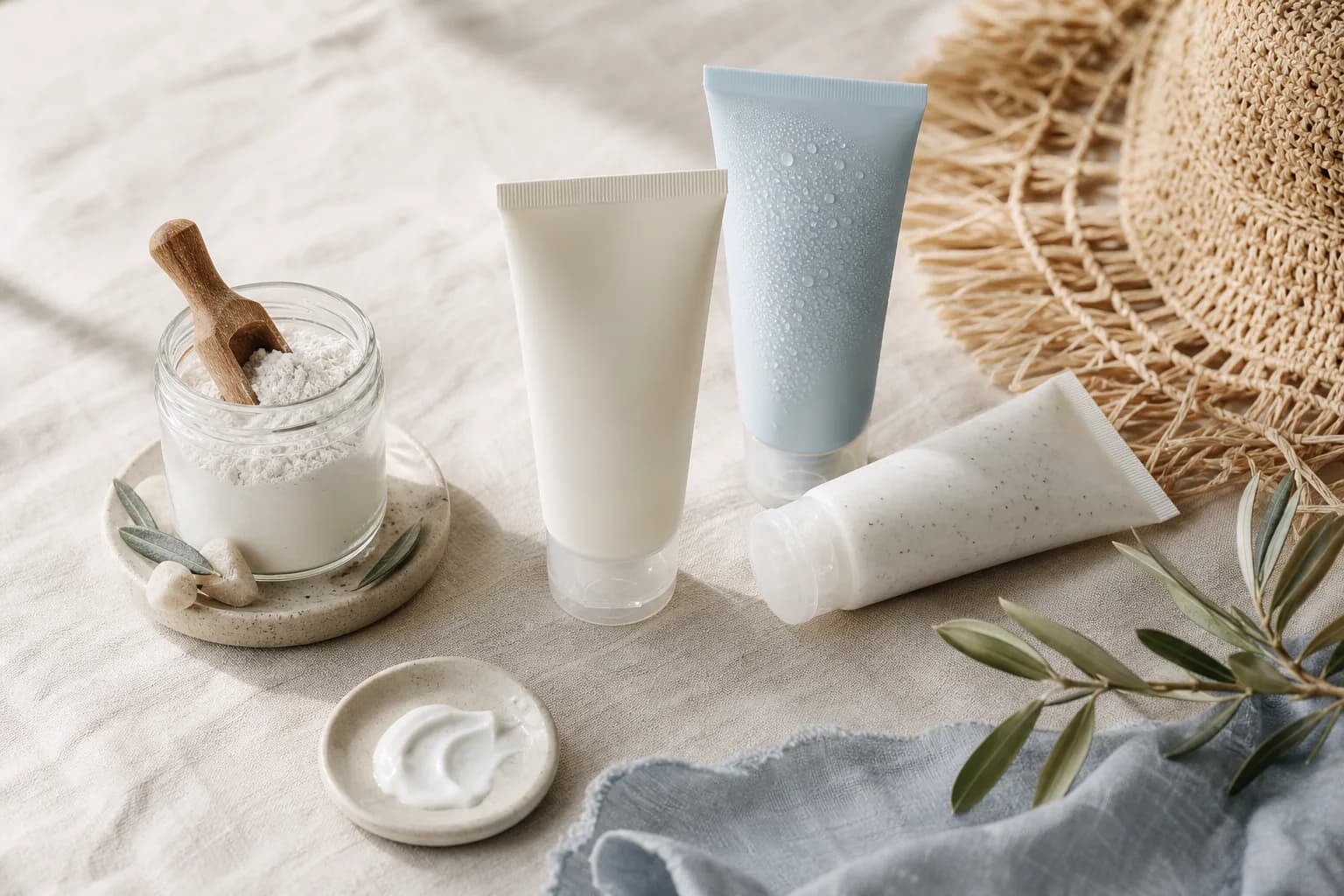
Choosing the right format is as much about application behavior as ingredients. Lotions spread easily for full-body coverage and usually provide the most reliable layer of zinc oxide. Sticks give precise control for face, ears, and the backs of hands and reduce the chance of getting product in a child's eyes. Sprays can be convenient for wiggly kids but are not the best fit for sensitive, irritation-prone skin: airborne particles and missed coverage increase both irritation risk and UV exposure.
Here’s a quick comparison table that shows where each format shines and where it sets limits:
| Format | Best for | Pros | Cons |
|---|---|---|---|
| Lotion | Full-body, infants/toddlers | Even coverage, easy to rub in, less inhalation risk | Takes longer to apply, can feel sticky if heavily formulated |
| Stick | Face, ears, small children | Precise, low waste, travel-friendly | Smaller coverage area per swipe; needs repeated passes |
| Spray | Active older kids | Fast, lightweight feel | Inhalation risk, uneven coverage, not ideal for sensitive skin |
If your child tolerates lotion texture and you want the most reliable layer of zinc oxide, choose a mineral lotion marketed for kids. If face and eyes are the main concern, a stick is a very practical addition.
Texture, application, and reapplication tips
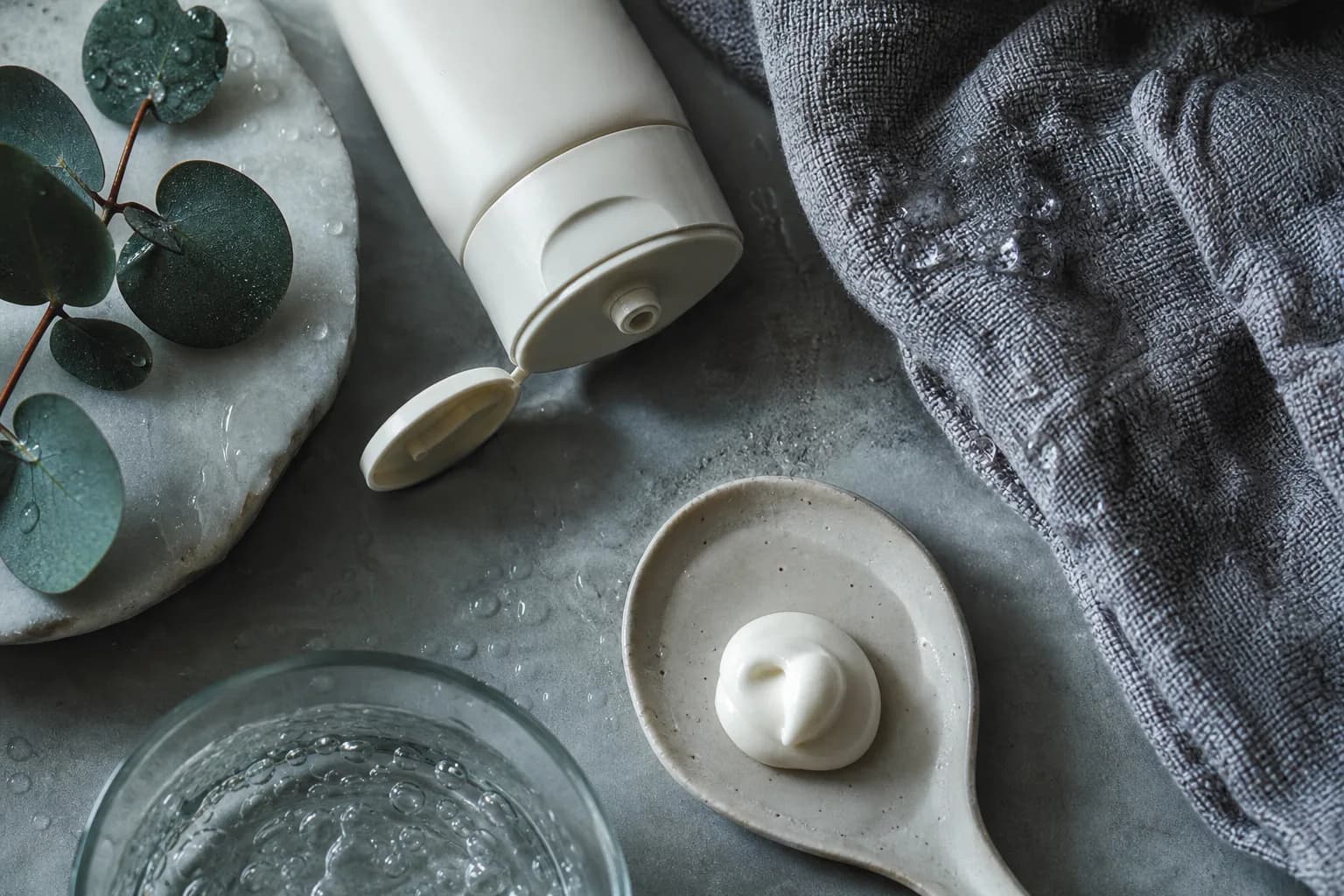
Texture influences whether a child will tolerate sunscreen. Many mineral lotions are denser because zinc oxide is particulate; formulas aimed at kids often balance this with emollient esters or lightweight silicones to improve spread without adding irritants. Tinted mineral products use iron oxides to reduce white cast but add color pigments—watch for any extra preservatives. For swimmers, water resistance (40–80 minutes) is useful; look for the listed duration on the label.
Application technique is as important as the formula. Apply a generous, even layer: most parents find it's easier to put sunscreen on themselves first and then apply to the child, or to have the child lie down for a full-body pass. For the face, apply on the back of a clean hand and pat it in to avoid eye stinging. Reapply every two hours of outdoor time and immediately after heavy sweating or toweling off.
For those who like deeper reading on the formula choice and sensitive-skin rationale, our guide on Mineral vs. Chemical Sunscreen for Sensitive Skin: The Formula-First Guide explains how physical filters differ at the ingredient level.
practical reapplication hacks
Keep a small stick in the diaper bag for quick face touch-ups. For bodies, bring a travel-size lotion in a pump bottle to avoid cross-contamination and digging into full tubes.
texture-application-and-reapplication-tips
What to do for babies under six months
For infants under six months, the safest approach is to prioritize shade, long-sleeve sun clothing, wide-brim hats, and stroller covers. Sunscreen for infants this age should be a last resort and used only on small exposed areas when shade and clothing aren't possible, and only after consulting your pediatrician. Even when you do apply sunscreen to a tiny patch, prefer mineral-only, fragrance-free formulations and use minimal amounts.
Clothing with a UPF rating offers reliable protection without topical products, and tightly woven fabrics are the simplest barrier. Sunglasses for babies can be helpful for eye protection. Remember that infants regulate temperature differently than older children; avoid overlayering that could lead to overheating while still protecting skin from sun.
When you transition a baby past six months, begin the same mineral, fragrance-free routine you'd use for toddlers: a lotion for full-body coverage and a stick for the face and areas that rub or sweat.
Ingredients to avoid and why
When shopping for the best sunscreen for sensitive skin kids, avoid these common irritants and why they matter:
- Fragrance / parfum: adds unnecessary allergens and is one of the most common causes of product-related irritation.
- Oxybenzone and octinoxate: chemical filters some parents avoid due to concerns about absorption and environmental impact (mineral alternatives are recommended for sensitive skin).
- Alcohol (denat., ethanol): can be drying and sting when applied near eyes or to broken skin.
- Limonene, linalool, geraniol: citrus-derived scent components that can oxidize and become more irritating.
Use this short checklist when scanning ingredient panels: if fragrance appears anywhere in the list, move on. If the UV filters are zinc oxide and/or titanium dioxide and the product is labeled fragrance-free, you’re generally in the right lane for sensitive kids.
A simple daily routine for sensitive little ones
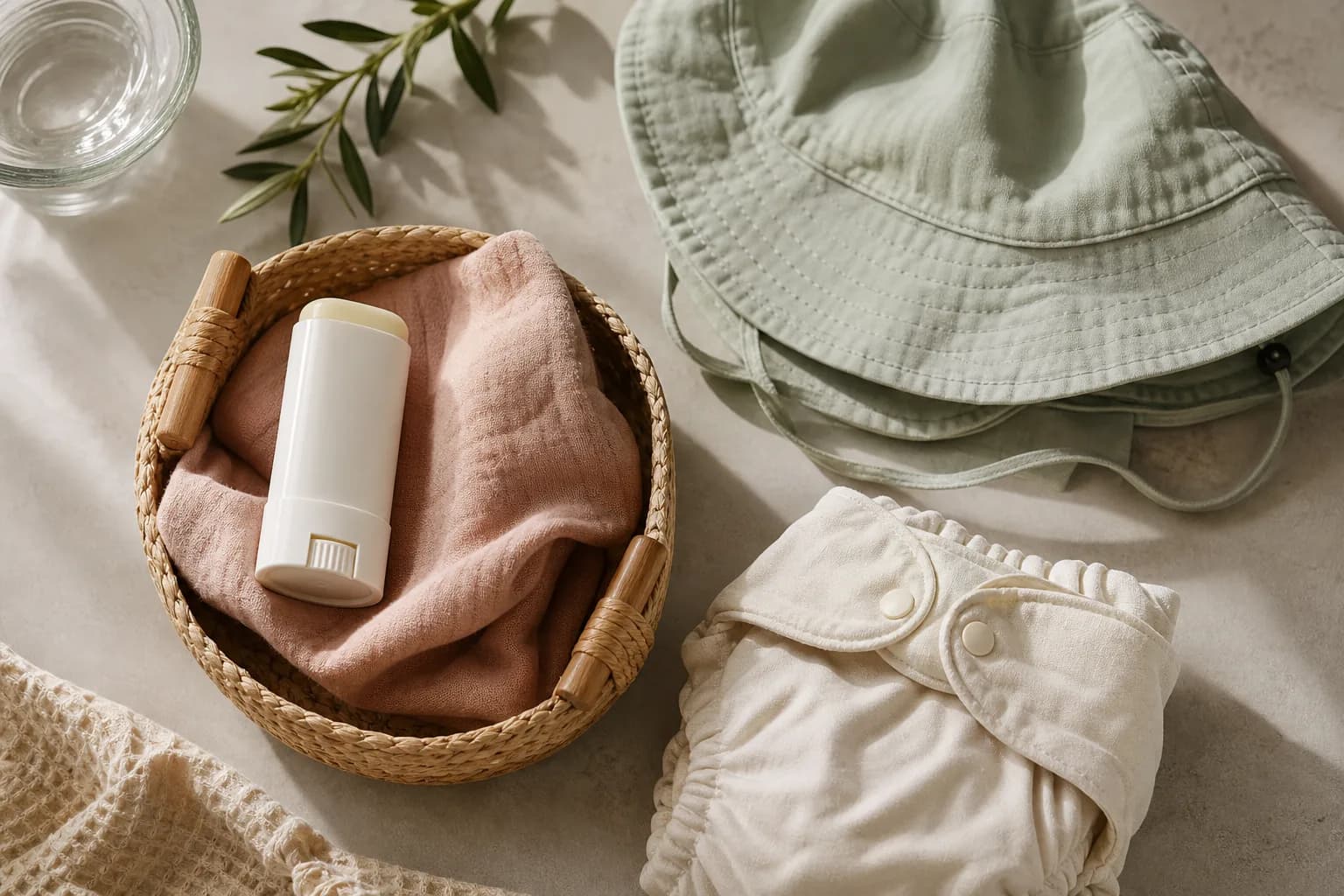
Morning routine for an outdoor day: dress your child in breathable UPF clothing, apply a mineral lotion SPF 30–50 to exposed skin 15–30 minutes before going outside, then use a stick to dot and rub in sunscreen on the face, ears, and neck. Reapply every two hours, after 40–80 minutes of water exposure if the product is water resistant, or immediately after toweling. Carry a small stick in your bag for mid-day face touch-ups.
For added barrier protection during long outdoor sessions, combine sunscreen with a physical hat and sunglasses. If your child has eczema-prone skin, avoid heavy rubbing; pat sunscreen into inflamed areas or consult your pediatrician before applying to broken or oozing skin.
a-simple-daily-routine-for-sensitive-little-ones
Frequently asked questions
Is mineral sunscreen safe for babies under six months?
For infants under six months, prioritize clothing and shade over sunscreen. If a small area must be protected and shade isn't possible, a fragrance-free mineral sunscreen applied in minimal amounts may be used after discussing with your pediatrician. Avoid sprays and broad application; consider covering with a thin, breathable layer of clothing first.
How often should I reapply sunscreen to a toddler who swims?
Reapply every two hours during prolonged outdoor exposure and immediately after swimming or heavy sweating. If a product lists a specific water-resistance duration (40 or 80 minutes), reapply after that interval and after toweling off. For sensitive skin, choose a water-resistant mineral lotion and pat rather than rub when reapplying to avoid irritation.
Can tinted mineral sunscreen be better for kids with darker skin tones?
Tinted mineral sunscreens can be helpful to reduce the white cast from zinc oxide and provide a more natural finish on deeper skin tones. Choose fragrance-free tinted formulas that use iron oxides for color; always check that other ingredients are suitable for sensitive skin and do a small patch test before full use.
Are spray sunscreens ever okay for sensitive children?
Sprays are convenient for large areas and older, cooperative children, but they carry higher risk of inhalation and uneven application, which can both worsen irritation and reduce protection. For sensitive kids, prefer lotion or stick formats; if you must use a spray for a wriggly child, spray into hands and then rub onto the skin rather than spraying directly onto the child's face.
Related Reading
- Mineral vs. Chemical Sunscreen for Sensitive Skin: The Formula-First Guide
- How to choose an eye cream for sensitive skin: a barrier-first guide
- Best electric shaver for sensitive skin: choose foil, rotary, or adjustable settings
Sources
- NBC Select — Best Sunscreens for Kids (dermatologist picks)
- Children's Hospital Los Angeles — What's the Best Sunscreen for Kids?
- Banana Boat Kids product page (example mineral sunscreen)
Clear guidance, checked before publication.
Solvi articles are structured by our editorial team and reviewed for clarity, consistency, and responsible health language. We update pages when guidance or product information changes.

Amara Lewis
Sensitive Skin Writer. Amara is fascinated by calm, barrier-first skincare and the small details that make a routine easier to tolerate. She favors thoughtful formulas, slow introductions, and less guesswork.