Fine lines around the mouth treatment: a modern, layered plan


Match treatment to the depth: topical retinoids/AHAs and barrier care for fine superficial lines; hyaluronic fillers or laser resurfacing for deeper static lines — consult a board‐certified dermatologist. This article walks through what to pick at each severity level, how textures and routines affect tolerance, and the practical trade‐offs (downtime, maintenance, and skin‐tone considerations).
Match the treatment to line depth
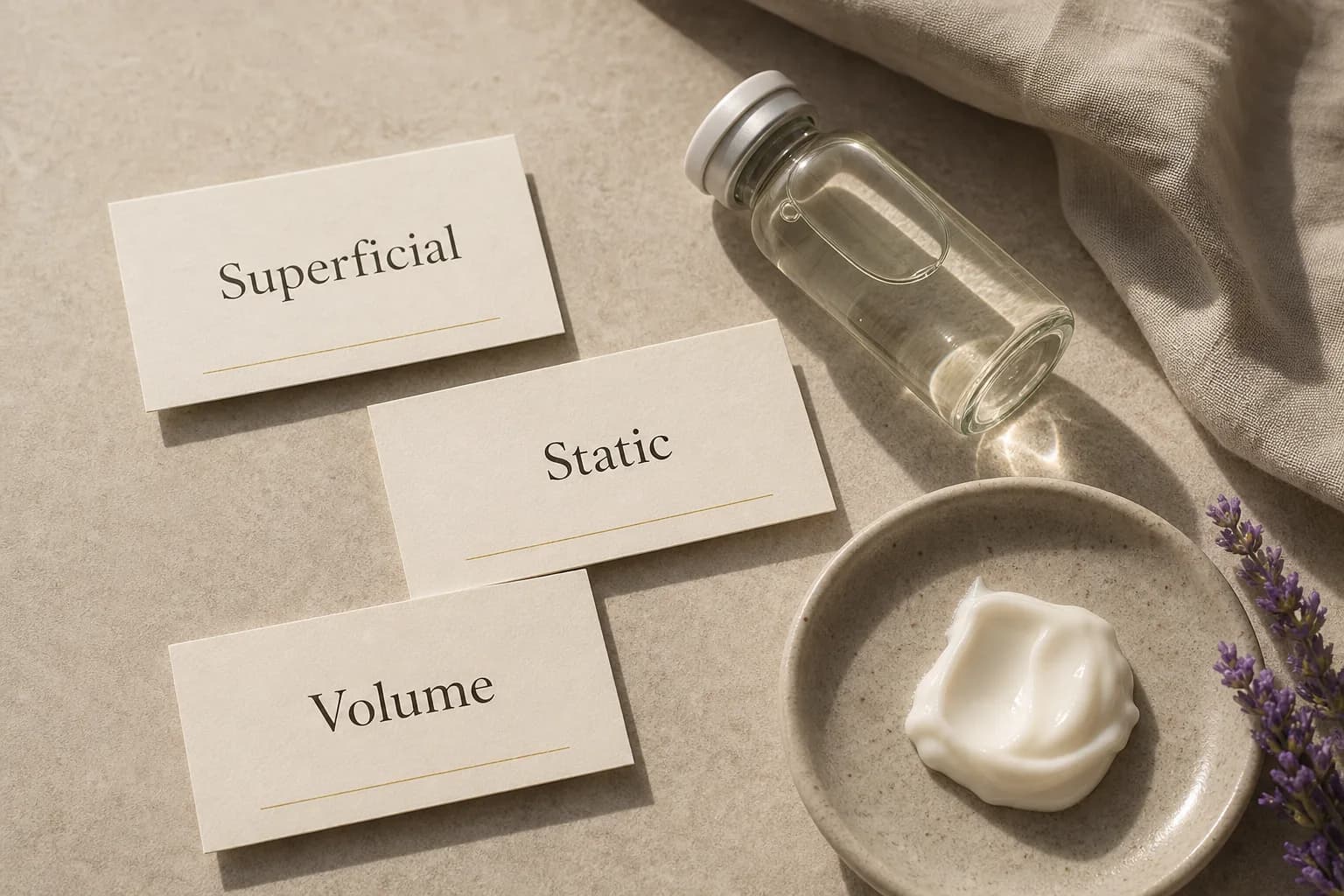
Make the first decision based on whether lines are dynamic—visible when you move your mouth—or static—present at rest. Dynamic, perioral creases often respond well to moisture and surface resurfacing: think low‐strength topical retinoids, AHAs, and plumping serums that smooth texture and reduce visible shadowing. Static, deep creases that persist at rest usually require structural volume (hyaluronic acid fillers) or ablative/fractional resurfacing to soften and shorten those grooves.
Severity is your primary filter. If the lines flatten with massage or hydration, start with topicals and barrier repair. If they remain at rest, a procedural consult is the logical next step. Also factor in downtime tolerance: a series of gentle retinoid nights has virtually no downtime compared with fractional laser or filler visits.
| Treatment option | Best for | Typical downtime | Maintenance and longevity |
|---|---|---|---|
| Topical retinoid/AHA + HA serums | Fine, superficial lines; texture | None to mild (transient irritation) | Ongoing nightly use; results build over months |
| Hyaluronic acid filler | Deep static creases needing immediate lift | Minimal (bruising, swelling 1–7 days) | Touch‐ups every 6–18 months depending on product & metabolism |
| Fractional laser resurfacing | Deep texture and significant surface damage | Several days to 1–2 weeks | Series of treatments; sun protection extends benefit |
Start with barrier repair and sun protection
Before adding actives, confirm that your moisture barrier is intact: chronic dryness exaggerates lines. A routine that prioritizes a non‐foaming cleanser, a humectant serum (hyaluronic acid), and a rich night cream with ceramides will plump the stratum corneum and reduce the depth of very fine perioral lines.
Sun exposure is the single largest accelerant of perioral photodamage. Consistent broad‐spectrum SPF every morning—reapplied through the day if you’re outdoors—protects new collagen laid down by actives or procedures. This preventive step also reduces post‐procedure pigment risk.
Choose textures that feel wearable: a light gel serum layered under a richer cream at night gives hydration without pill‐off when using actives. If you want product guidance for daytime layering and day/night creams, consider our deeper routine primer on Fine Lines Treatment: A Smart, Layered Routine That Makes Sense.
- Look for ceramides, glycerin, and panthenol in your cream.
- Use a mineral or chemical SPF depending on preference, but apply 1/4 teaspoon for the lower face.
- Avoid abrasive physical scrubs around the mouth, which can worsen texture.
Topical resurfacing: retinoids and AHAs
Topical resurfacing is the backbone for early treatment. Low‐strength tretinoin (0.025–0.05%) and alpha hydroxy acids increase cell turnover, refine surface texture, and stimulate collagen remodeling over months. Start slow: apply a pea‐size amount every third night and increase frequency as tolerated to reduce irritation. Pair these actives with barrier repair to prevent chronic dryness and flaking.
For texture and immediate visual plumping, pair hyaluronic acid serums and peptide‐forward creams. Serums provide a lightweight, water‐binding boost while peptides support collagen pathways and improve skin firmness over time. If you’re comparing serums, ask about molecular weight of HA (lower for deeper penetration, higher for surface plumping) and whether peptides are suspended in a lightweight carrier for layering.
If you’d like a product‐first look at serums and creams to pair with actives, our guide to the Best Serum for Wrinkles and Fine Lines and the Best Cream for Fine Lines can help you match texture and tolerance.
Volume and structure: when fillers make sense
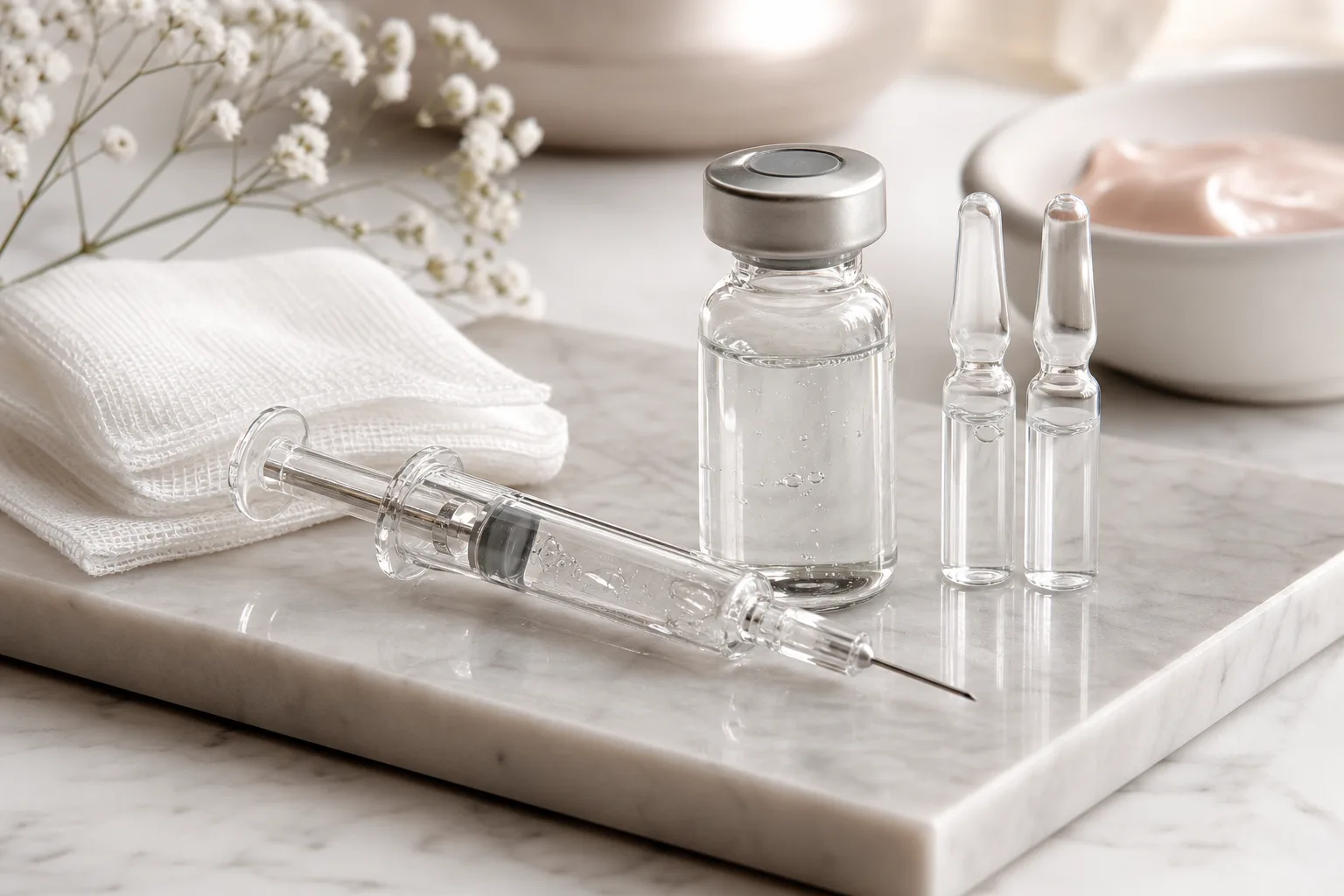
Hyaluronic acid fillers replace lost volume and can soften deep perioral folds by supporting the surrounding architecture. Fillers work best when the crease is primarily due to volume loss or when the skin over the fold still has reasonable elasticity. The trade‐off is that fillers are procedural: expect potential bruising, swelling, and the need for follow‐up maintenance.
Choosing where to place filler matters. For perioral lines, a clinician might target the upper lip border, marionette area, or pre‐jowl hollow to redistribute tension rather than overfill the crease itself. That structural approach often produces a smoother result with less product. If you seek immediate, visible smoothing with minimal downtime, fillers are an efficient choice; if you prefer to avoid injectables, resurfacing is the alternative.
Ask your provider about product type and reversibility (hyaluronic acid fillers are reversible with hyaluronidase), the expected duration, and post‐injection care. Read up on general filler considerations at the Mayo Clinic — Facial fillers overview.
Fractional lasers and energy-based resurfacing
Fractional lasers create controlled micro‐injuries to the skin, stimulating collagen remodeling and producing a measurable improvement in deep texture and fine lines. These treatments are often chosen when topicals have reached their limit and when the goal is to improve both surface texture and the depth of grooves. Fractional options vary in aggressiveness; lower‐energy settings reduce downtime but require more sessions.
Risk stratification matters: people with darker skin tones have a higher risk of post‐inflammatory hyperpigmentation (PIH) after lasers. Discuss test spots, pre‐ and post‐procedure pigment suppression strategies, and staged treatment plans with a board‐certified dermatologist. Also disclose recent isotretinoin use—many providers advise avoiding aggressive devices for a period after systemic retinoid therapy.
If downtime and pigment risk are acceptable, fractional resurfacing can produce longer‐lasting smoothing than topical regimens alone. For more on matching laser choices to pigment concerns, see our primer on laser selection strategies in the context of hyperpigmentation and tone.
Layering, textures, and routine tradeoffs
Practical texture choices determine adherence. A lightweight HA serum under a richer night cream can make nightly retinoid use feel comfortable rather than irritating. If you find pilling or clashing textures, swap to a single cream that contains peptides and humectants to simplify layering.
Decide what you can commit to long term. Topicals require consistent use: retinoid nights and daily SPF keep gains. Fillers and lasers can accelerate improvement, but maintenance is required—touch‐ups for fillers, repeated or staged laser sessions for resurfacing. Budget accordingly: in‐office procedures have higher upfront costs but can reduce the daily time spent on product layering.
If your priority is low maintenance day-to-day, a filler visit might be more appealing than a multifaceted nightly routine. If you prefer a gradual, non‐procedural path, a layered topical program with retinoid, HA serum, and a peptide night cream is ideal. For practical layering sequences and texture pairing, check our routine-focused piece on Fine Lines Treatment: A Smart, Layered Routine That Makes Sense.
Choosing based on skin tone, downtime, and maintenance
Match the modality to your skin tone and tolerance for downtime. People with medium to deep skin tones should prioritize procedures with lower PIH risk or conservative energy settings, and they should insist on pre‐ and post‐treatment pigment control when considering lasers. If you have low tolerance for social downtime, fillers or light, repeated laser sessions may be better than an aggressive ablative approach.
Maintenance is nonnegotiable: topical retinoids plus consistent SPF preserve gains from both procedures and products. If you pick fillers, plan on periodic touch‐ups; if you elect laser resurfacing, budget sessions and strict sun avoidance during recovery. Finally, always disclose recent oral isotretinoin use—clinicians will advise delaying aggressive resurfacing or deep peels after systemic isotretinoin.
Frequently asked questions
What is the first-line treatment for fine lines around the mouth?
First-line care for early or superficial perioral lines is topical resurfacing—low‐strength retinoids and AHAs—plus barrier repair and daily SPF. These approaches improve texture and reduce shadowing without procedural downtime. If lines persist at rest despite consistent topical therapy, consult a board‐certified dermatologist to discuss fillers or resurfacing options.
Are fillers or lasers better for deep perioral creases?
Both can work, but the right choice depends on the cause. Hyaluronic acid fillers restore lost volume and deliver immediate mechanical smoothing; fractional lasers remodel collagen and improve both depth and surface texture over time. Your clinician will recommend based on crease depth, skin elasticity, and pigment risk.
How should I start tretinoin around the mouth without irritation?
Begin with a low concentration (or reduced frequency) and use a pea‐sized amount applied every third night, increasing slowly as tolerated. Pair tretinoin with a gentle cleanser, a hydrating hyaluronic serum, and a ceramide‐rich moisturizer. Always apply broad‐spectrum SPF each morning to protect increased sun sensitivity.
Can darker skin tones safely get laser resurfacing for perioral lines?
Yes—with careful planning. Providers should select lower‐risk devices, perform test spots, use pigment‐suppressing pre‐ and post‐care, and space sessions conservatively. A consultation with a board‐certified dermatologist who has experience treating darker skin tones reduces PIH risk and helps design the safest protocol.
Related Reading
- The best products for hormonal acne: a layered, evidence-forward plan
- Fungal Acne vs. Hormonal Acne: The Pattern-First Guide to Choosing the Right Treatment Lane
- The Best Treatment for Hyperpigmentation on the Face Is a Layered, Low-Irritation Plan
Sources
- Cleveland Clinic — Treatments to Reduce Wrinkles
- Mayo Clinic — Facial fillers overview
- American Academy of Dermatology — Wrinkle treatment options
Clear guidance, checked before publication.
Solvi articles are structured by our editorial team and reviewed for clarity, consistency, and responsible health language. We update pages when guidance or product information changes.

Zoe Mitchell
Beauty Trends Editor. Zoe keeps a close eye on viral routines, new launches, and the skincare conversations moving fastest online. She asks which trends are useful, which need context, and which can be skipped.